Why you should experience Hemphill Avenue in Atlanta, Georgia.
Hemphill Avenue is a historic Home Park corridor where industrial heritage, engineering innovation, and academic excellence converge along one of West Midtown's most influential streets.
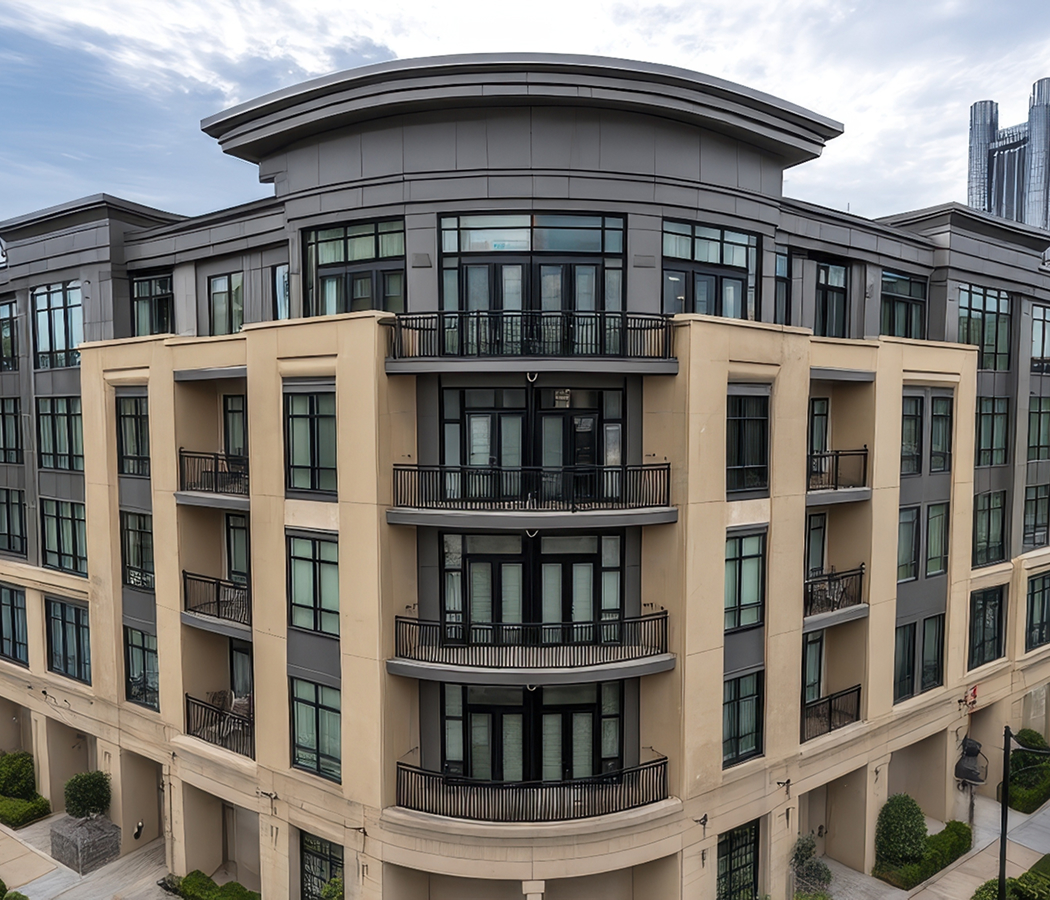
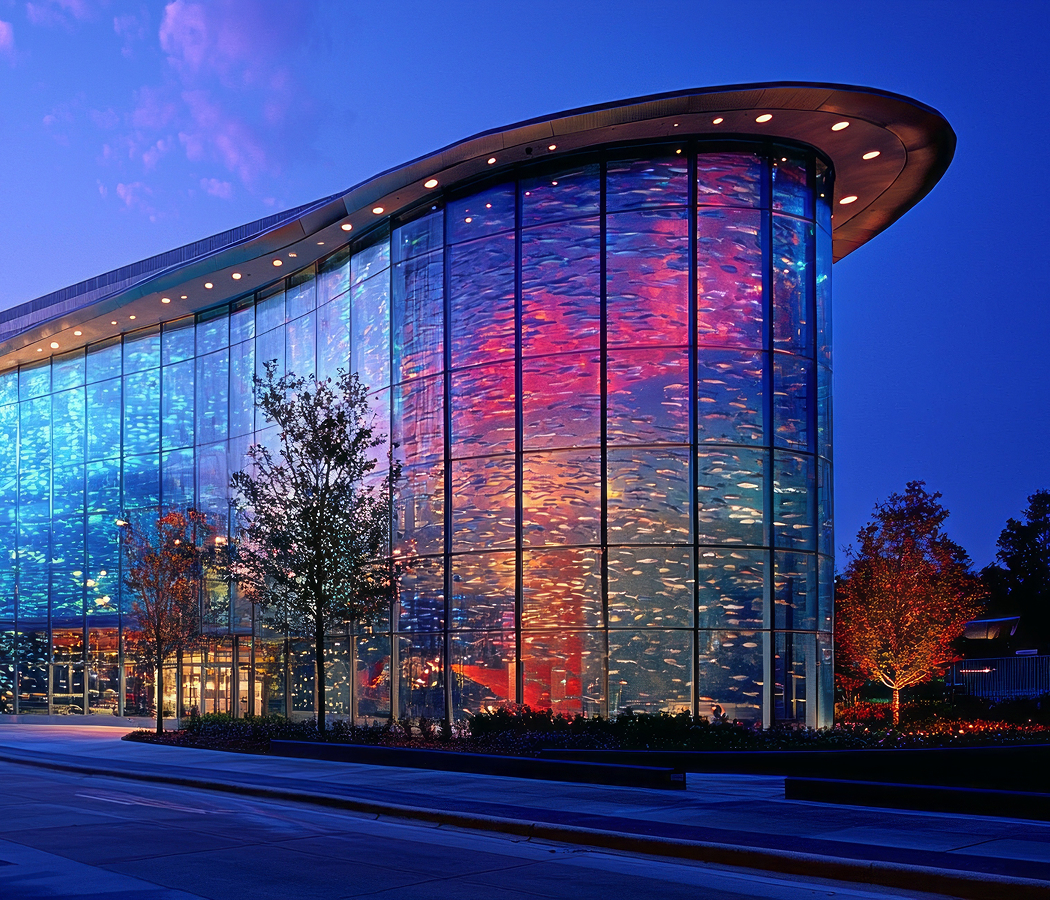
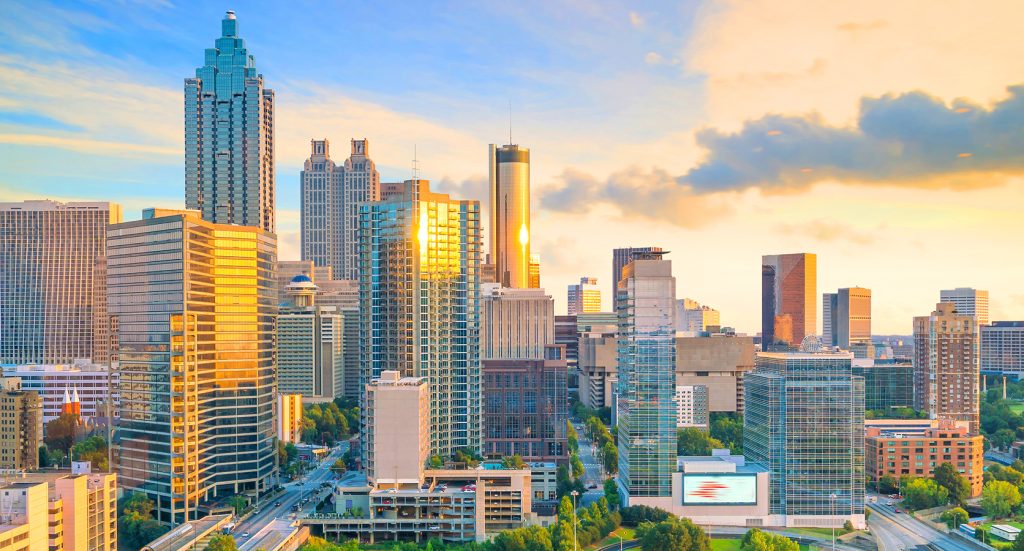
Running through Home Park between Georgia Institute of Technology and Atlantic Station, this historic corridor connects research facilities, historic industrial buildings, student neighborhoods, creative businesses, neighborhood parks, and technology campuses that have shaped Atlanta's emergence as a center of innovation for more than a century. Restored warehouses, academic buildings, contemporary mixed-use developments, and walkable streets create an environment where manufacturing history and technological progress intersect. Originally serving Atlanta's expanding railroad and industrial economy, the corridor evolved alongside Georgia Institute of Technology's growing influence while preserving the entrepreneurial character that continues to define West Midtown. The result is a street defined by invention, enterprise, and enduring transformation.
What you should know about Hemphill Avenue.
Hemphill Avenue is best known for bordering the Biltmore Ballpark site, where the Atlanta Crackers played from 1907 to 1965, winning 17 Southern Association championships while developing future Baseball Hall of Famers including Ty Cobb, Eddie Mathews, and Warren Spahn, making the stadium one of the most influential minor league ballparks in American baseball history.
For nearly six decades, Biltmore Ballpark stood among the South's premier baseball venues, attracting generations of fans while serving as a proving ground for many of the sport's greatest players before they reached the major leagues. The Atlanta Crackers earned the nickname “The Yankees of the Minors” through their sustained success, drawing enormous crowds and establishing Atlanta as one of professional baseball's strongest markets decades before the Braves arrived in 1966. The surrounding Hemphill Avenue corridor became closely associated with game-day activity, neighborhood commerce, and the civic excitement generated by one of the nation's most successful minor league franchises. Today, the street preserves the memory of a sporting landmark that helped shape Atlanta's baseball character long before the city became home to a Major League Baseball team.
How to fold Hemphill Avenue into your trip.
Hemphill Avenue works as an exploration of West Midtown's industrial heritage, collegiate culture, and urban innovation.
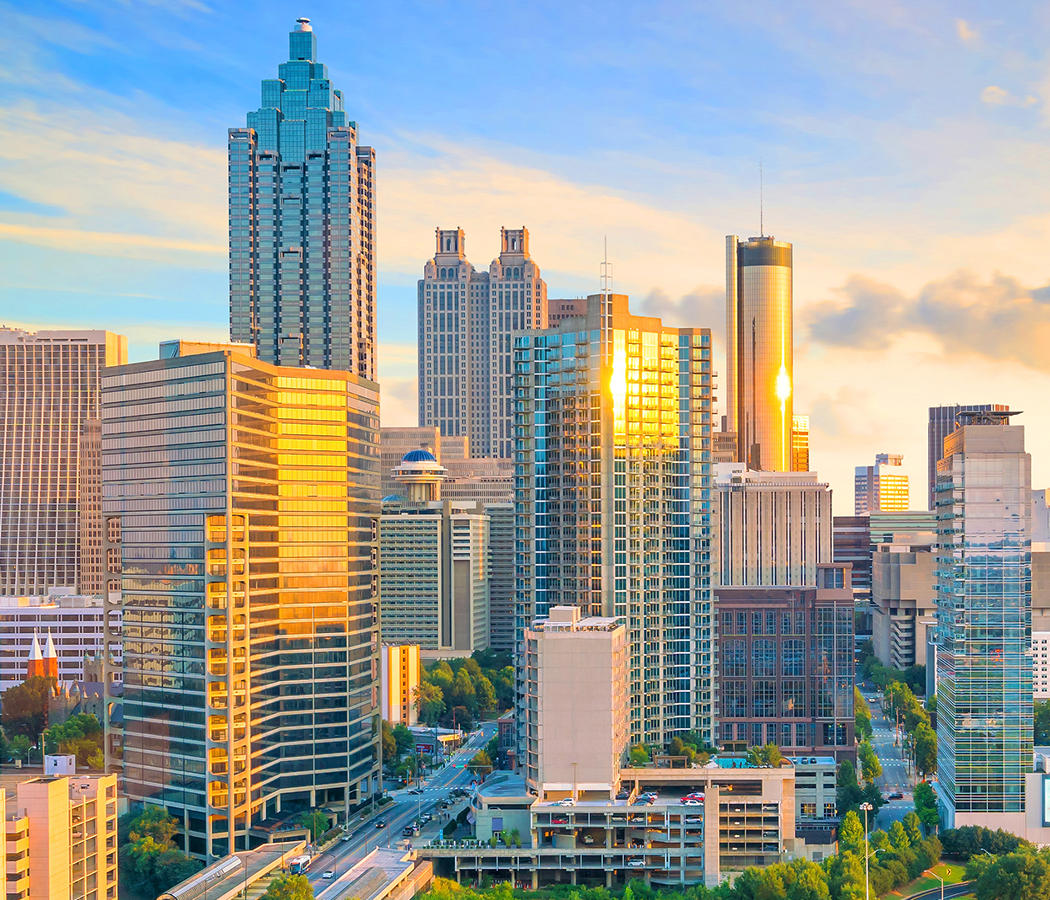
Begin at Georgia Institute of Technology, where one of the world's leading research universities immediately establishes the corridor's spirit of discovery and innovation. Continue toward Atlantic Station, whose remarkable redevelopment of a former steel mill site showcases one of the nation's most successful urban brownfield transformations. From there, make your way to Millennium Gate Museum, where exhibitions exploring Georgia's history and architectural heritage provide a broader perspective on the remarkable evolution of the surrounding district. Along the route, you'll encounter historic industrial buildings, research facilities, neighborhood cafés, public art, creative workspaces, and energetic pedestrian streets that demonstrate how Hemphill Avenue seamlessly connects Atlanta's manufacturing, educational, and sporting legacies. The progression moves naturally from internationally renowned university to landmark redevelopment to cultural institution, revealing why Hemphill Avenue remains one of West Midtown's most historically significant corridors.
Where your story begins.
Foresyte Travel reveals places that feel extraordinary long before you arrive.
Experience premium editorial crafted for luxury travelers.