Why you should experience Hilton Head in South Carolina.
Hilton Head is a celebrated barrier island where the South Carolina Lowcountry's Atlantic beaches, maritime forests, Gullah heritage, and environmental stewardship reveal one of America's most thoughtfully preserved coastal destinations.
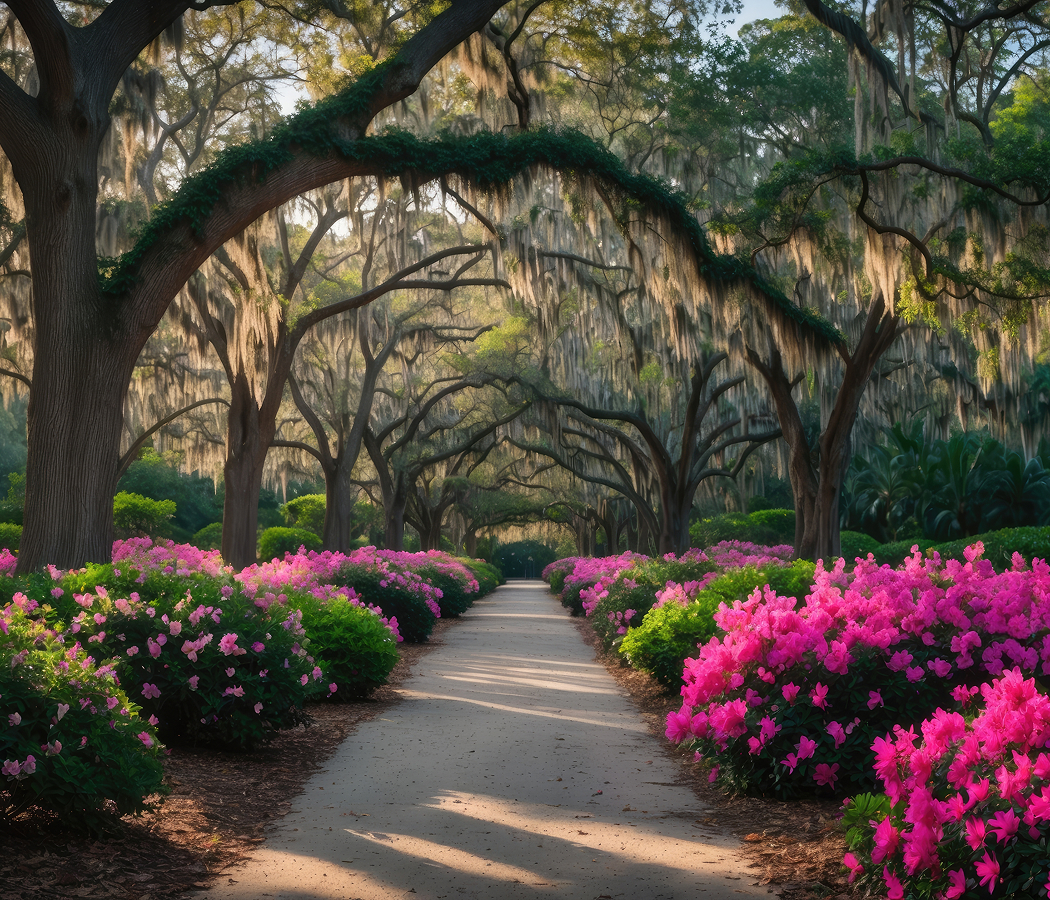
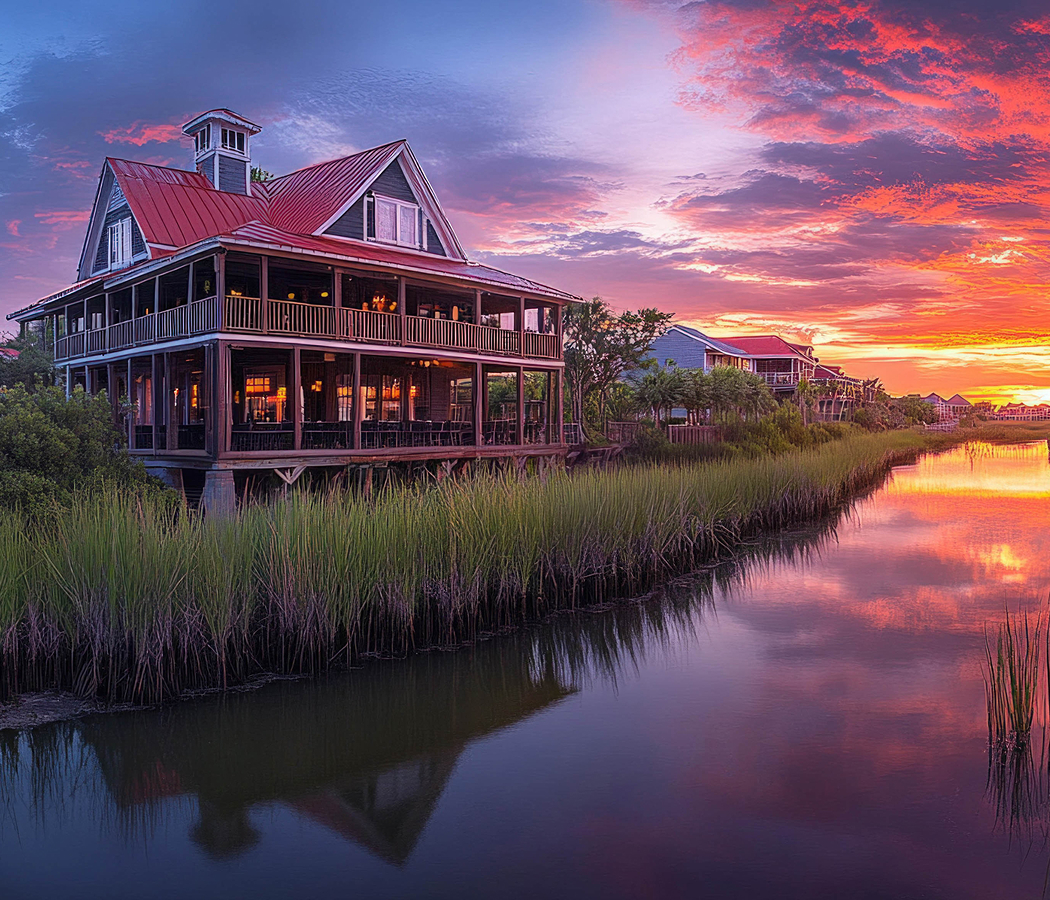
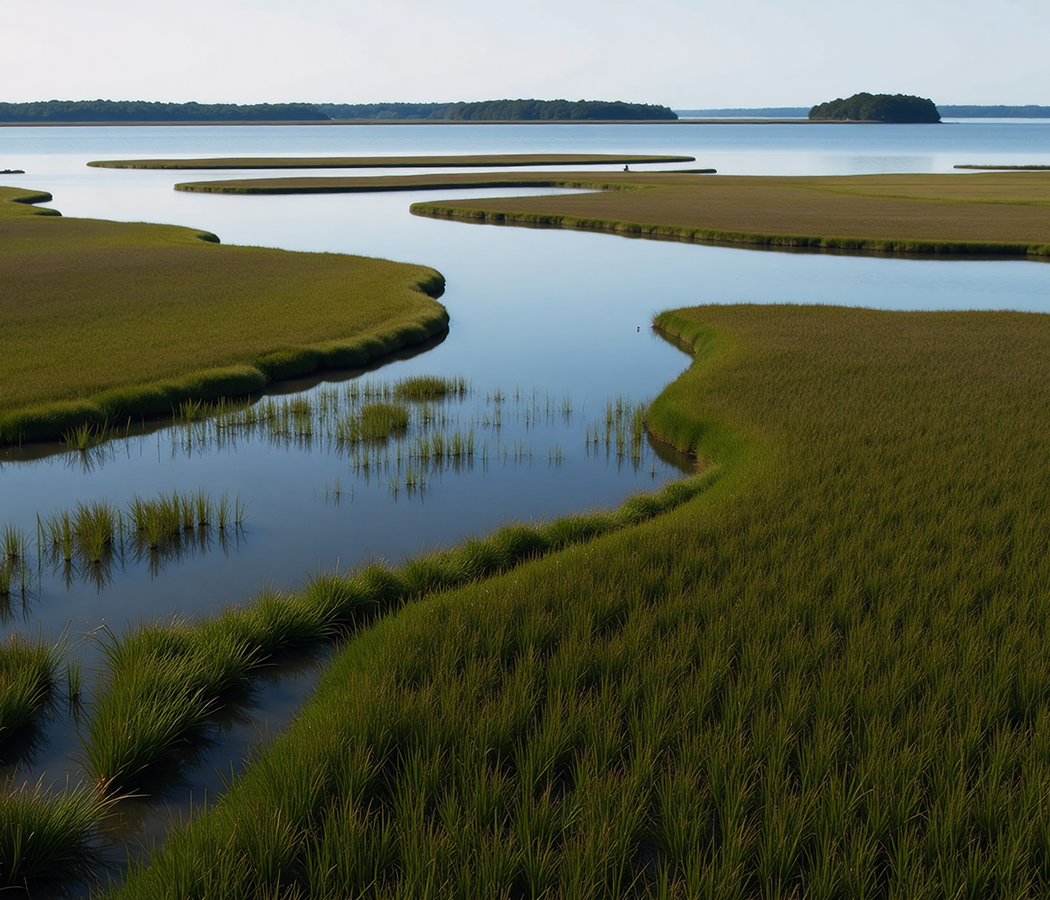
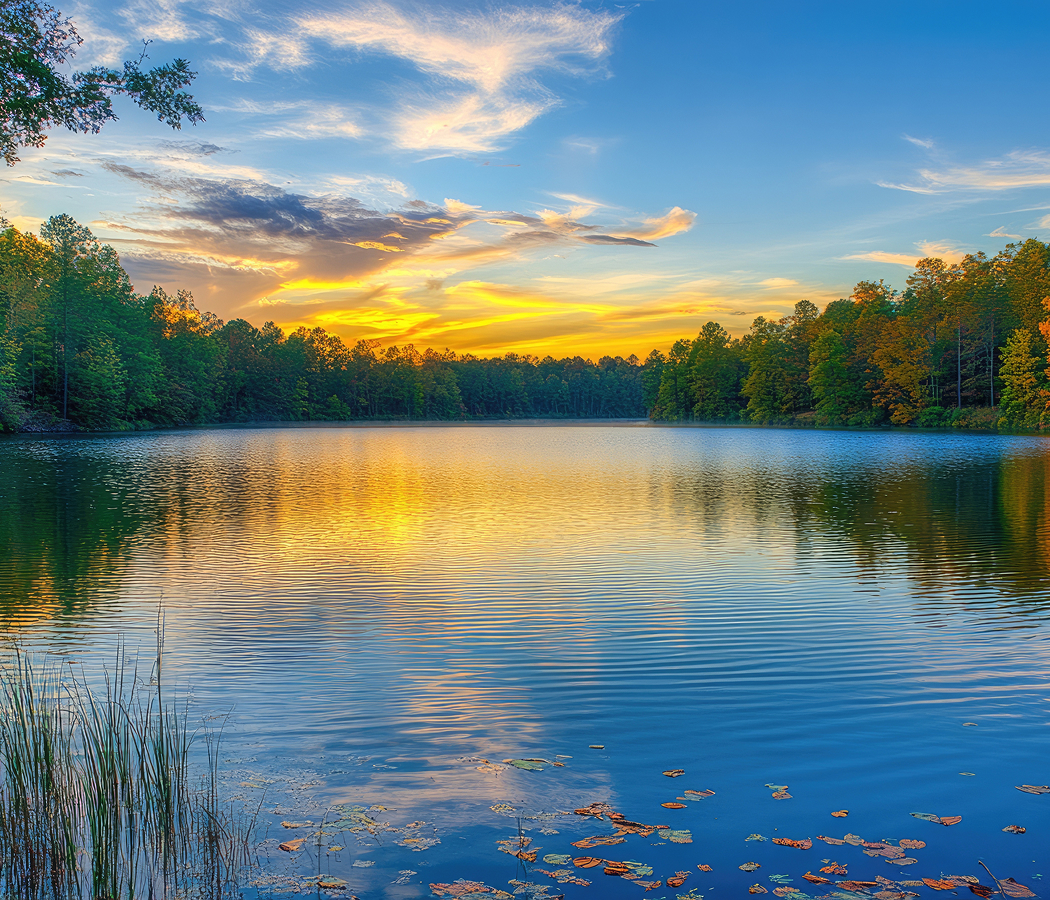
Positioned between Daufuskie Island, Pinckney Island, and the mainland communities of Bluffton across Calibogue Sound, Port Royal Sound, and Mackay Creek, this ecologically rich sea island unfolds through more than twelve miles of Atlantic shoreline, maritime forests shaded by ancient live oaks, expansive salt marshes, championship golf courses, protected nature preserves, and waterfront villages thoughtfully woven into the surrounding landscape. Leisure pathways, tidal creeks, quiet lagoons, and broad beaches create an environment where wildlife, recreation, and conservation coexist with uncommon balance. Every shoreline, forest canopy, and marsh vista reflects decades of careful planning that preserved the island's natural character while establishing a model for coastal development recognized far beyond South Carolina.
What you should know about Hilton Head.
Hilton Head is best known for transforming from a sparsely populated Sea Island into one of the United States' foremost coastal destinations after developer Charles E. Fraser established Sea Pines in 1956, introducing a nationally influential planning philosophy developed alongside Harvard landscape architect Hideo Sasaki that preserved maritime forests, protected dune systems, minimized visual intrusion, and integrated development within the existing coastal landscape. The island encompasses approximately 69 square miles and more than 12 miles of Atlantic shoreline while supporting over 40,000 permanent residents, a population that expands dramatically through millions of annual visitors drawn to internationally recognized beaches, more than 20 championship golf courses, over 100 miles of leisure pathways, extensive tennis and pickleball facilities, deep-water marinas, and one of the East Coast's richest estuarine environments. Long before modern development, the island was inhabited by Indigenous peoples for thousands of years before becoming home to Gullah communities whose descendants preserved distinctive language, cuisine, music, storytelling, basketry, and cultural traditions following the Civil War. Historic Mitchelville, established in 1862 as the first self-governed town of formerly enslaved people in the United States, remains one of the nation's most significant Reconstruction-era sites, while Sea Pines Forest Preserve safeguards a 4,000-year-old Native American shell ring among hundreds of protected acres of wetlands, lakes, forests, and wildlife habitat. Hilton Head's modern identity is further reinforced by Harbour Town Golf Links, designed by Pete Dye with Jack Nicklaus serving as consulting architect, which has hosted the PGA Tour's annual RBC Heritage since 1969, and by the island's internationally recognized leadership in coastal planning, environmental stewardship, and sustainable tourism that has influenced resort development throughout the United States.
The island's ecological significance rivals its recreational reputation. Situated within the Port Royal Sound watershed, Hilton Head supports one of the Atlantic Coast's most biologically productive estuarine systems, where expansive salt marshes nourish shrimp, oysters, blue crabs, bottlenose dolphins, loggerhead sea turtles, red drum, bald eagles, painted buntings, and hundreds of migratory bird species. Maritime forests dominated by live oak, longleaf pine, cabbage palmetto, southern magnolia, wax myrtle, and yaupon holly stabilize the island's fragile barrier landscape while protecting freshwater wetlands and tidal creeks that define much of its interior. Across the island, communities such as Sea Pines, Palmetto Dunes, Shelter Cove, Harbour Town, and Historic Mitchelville reflect distinct chapters of Hilton Head's evolution, while museums, archaeological sites, Gullah institutions, conservation programs, and public beach parks preserve the cultural and environmental legacy that continues distinguishing the island from nearly every other destination along the southeastern coast.
How to fold Hilton Head into your trip.
Hilton Head is best experienced as a journey through the Lowcountry's beaches, maritime landscapes, and cultural heritage.
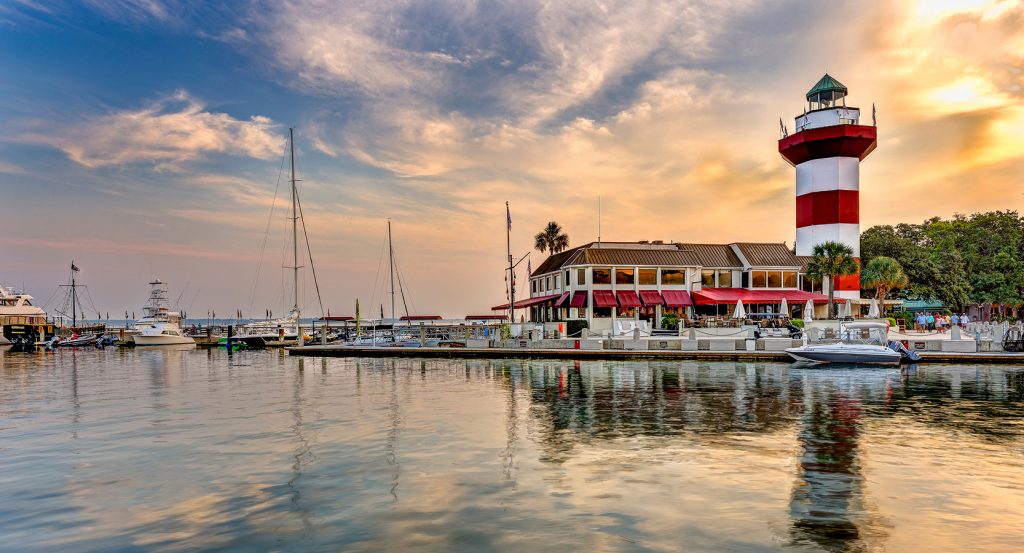
Begin at Harbour Town Lighthouse, where panoramic views across Calibogue Sound and one of the island's most recognizable waterfront settings introduce Hilton Head's maritime identity before exploring the surrounding communities. Continue to Sea Pines Forest Preserve, whose ancient shell ring, wetlands, boardwalks, and abundant wildlife reveal thousands of years of environmental and human history preserved within the island's interior. Conclude at Historic Mitchelville Freedom Park, where immersive exhibits, archaeological discoveries, and the story of America's first self-governed freedmen's town provide a meaningful finale celebrating the resilience, history, and cultural richness that continue defining Hilton Head. The progression moves naturally from waterfront to protected wilderness before concluding at one of the nation's most significant Reconstruction-era sites, revealing why Hilton Head remains one of the South Carolina coast's most compelling destinations.
Where your story begins.
Start the planning journey with Foresyte Travel.
Experience immersive stories crafted for luxury travelers.