Why Kate Gleason Park matters.
Kate Gleason Park is a peaceful community green where Beaufort's waterfront setting, outdoor recreation, and environmental stewardship create a welcoming gathering place overlooking Battery Creek.
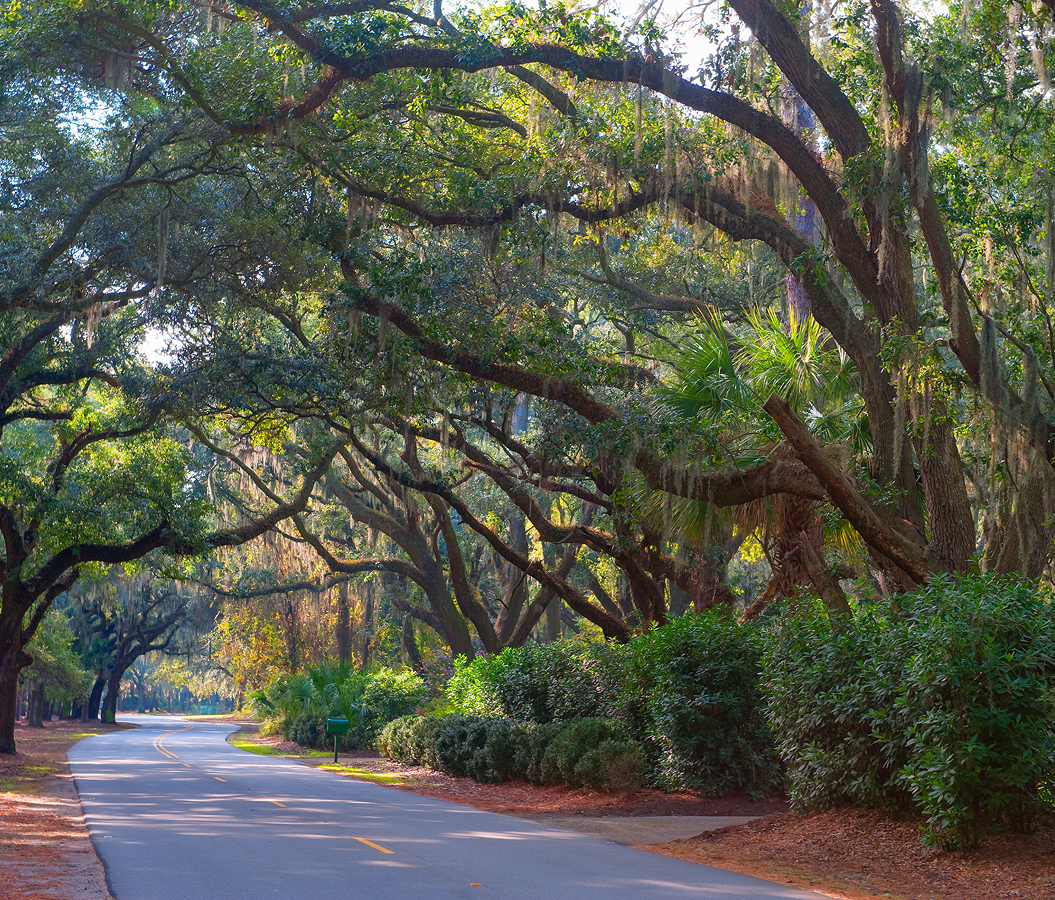
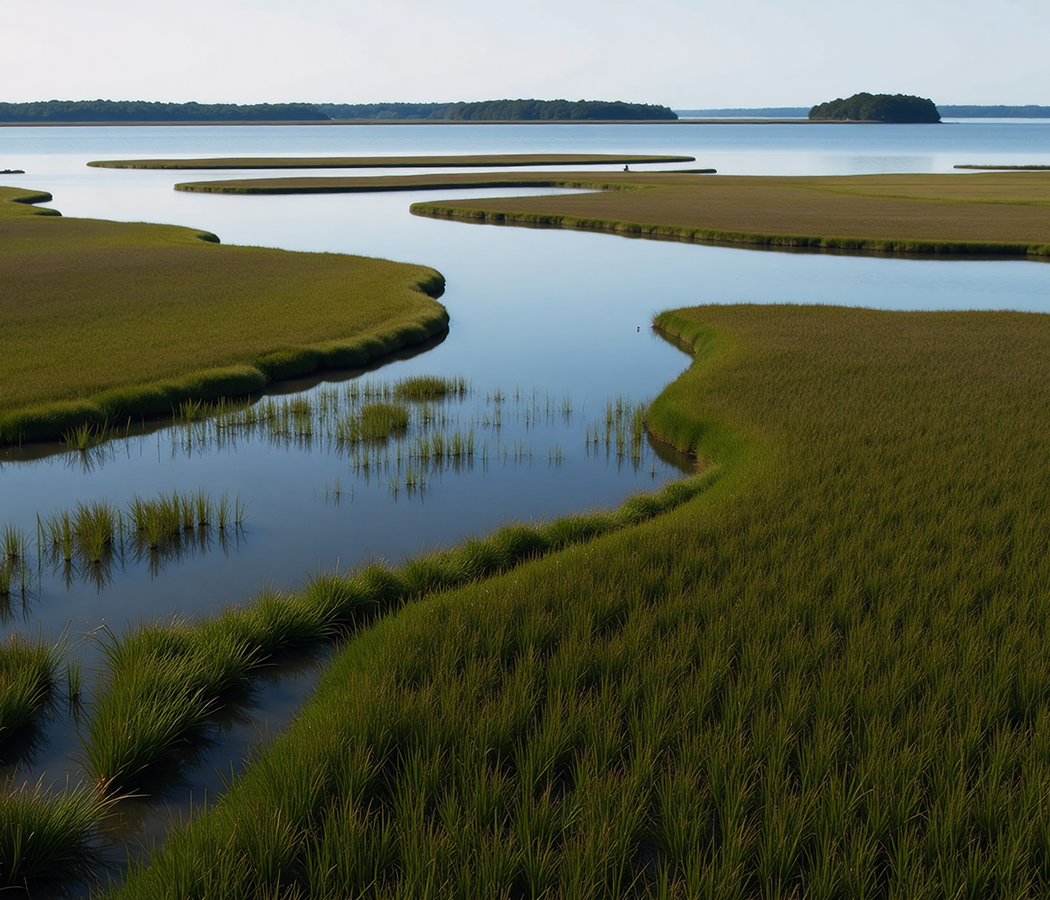
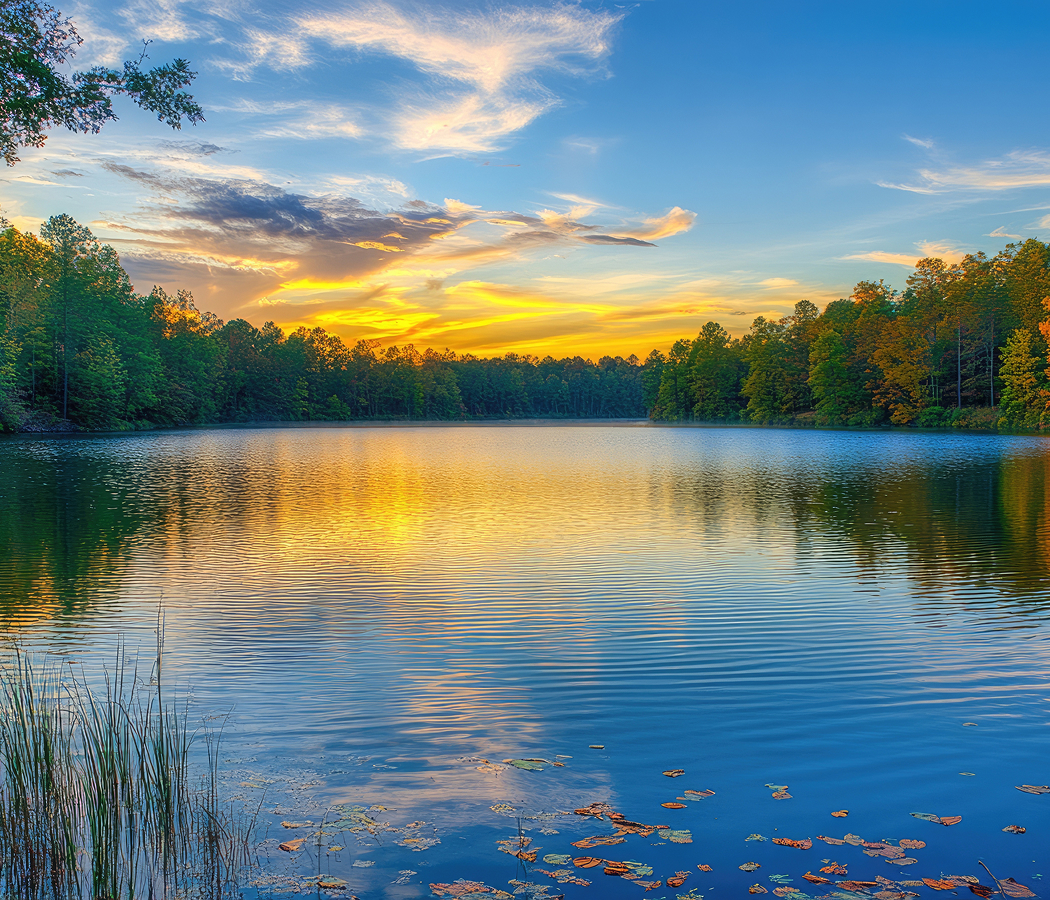
Set along Ribaut Road near Beaufort Memorial Hospital and just steps from Battery Creek, this attractive public park features shaded walking paths, open lawns, picnic areas, fishing access, and broad marsh views that celebrate the natural character of the South Carolina Lowcountry. Mature live oaks, native coastal vegetation, and changing tidal scenery provide a relaxing setting for quiet recreation while connecting visitors to one of Beaufort's defining waterways. The result is an experience defined by waterfront recreation, community life, and the ecological richness of the Lowcountry.
What defines Kate Gleason Park.
Kate Gleason Park is best known for honoring Kate Gleason, a longtime Beaufort civic leader, conservation advocate, and public servant whose leadership helped advance community beautification, environmental stewardship, and the expansion of public green spaces throughout Beaufort. The park overlooks Battery Creek, an important tidal tributary within the 1,200-square-mile Port Royal Sound estuary, among the Atlantic Coast's largest relatively undeveloped estuarine systems, where salt marshes, oyster reefs, tidal creeks, and maritime forests sustain exceptional biological diversity and support commercially significant fisheries. Battery Creek has also played a central role in Beaufort's development since the eighteenth century, serving as a transportation corridor for plantation agriculture, naval operations during the Civil War, commercial seafood harvesting, and continued waterfront development that shaped the city's economy for more than two centuries. Public investment in parks along the Battery Creek shoreline reflects Beaufort's long-term planning strategy emphasizing shoreline conservation, public access, stormwater resilience, urban tree preservation, and expanded recreational opportunities while protecting sensitive coastal habitats that remain fundamental to the ecological health of the Lowcountry. Continued stewardship allows the park to function simultaneously as public open space, wildlife habitat, and an accessible vantage point for experiencing one of South Carolina's most productive estuarine environments.
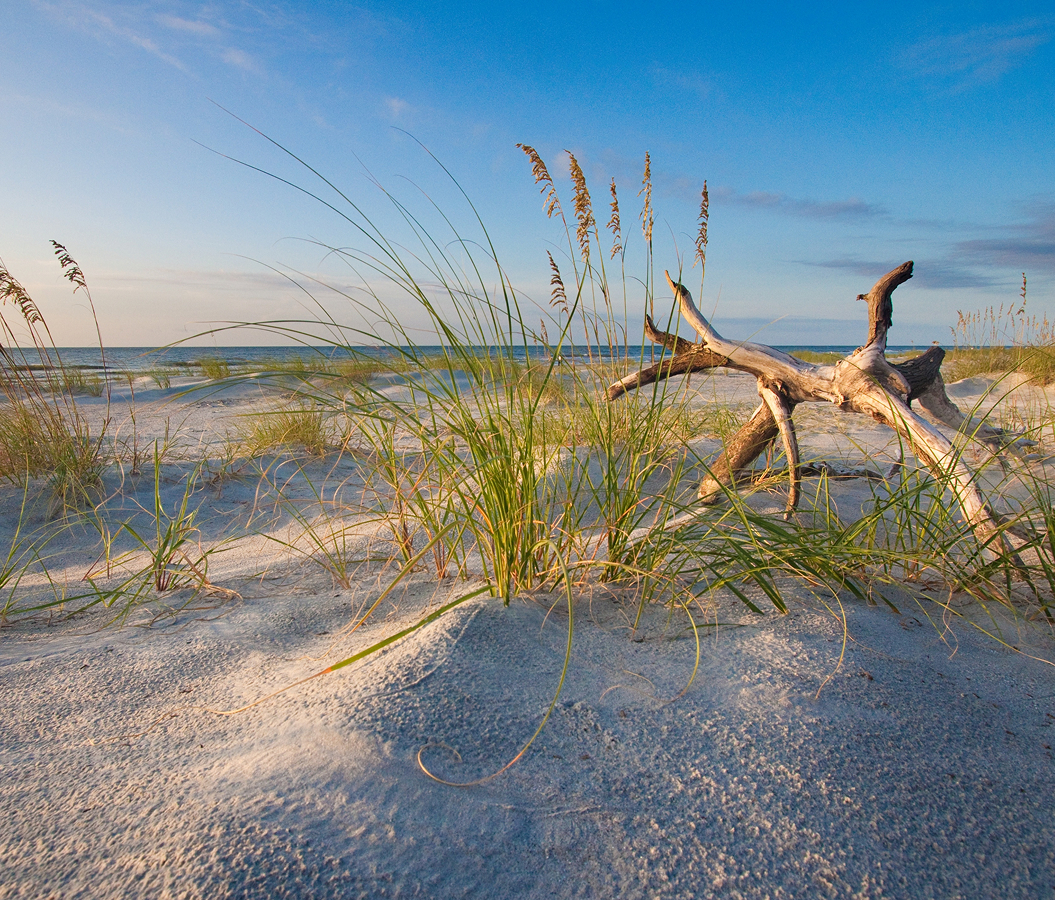
Extensive marsh frontage creates outstanding opportunities for observing great blue herons, snowy egrets, brown pelicans, ospreys, bottlenose dolphins during higher tides, and numerous migratory bird species that depend upon the surrounding wetlands throughout the year. Connections with nearby waterfront parks, healthcare facilities, residential communities, and recreational corridors reinforce Kate Gleason Park's role as an important component of Beaufort's expanding network of publicly accessible coastal green spaces.
How Kate Gleason Park fits.
Kate Gleason Park works as part of an exploration celebrating Beaufort's waterfront landscapes and coastal history.
Begin at Henry C. Chambers Waterfront Park, where panoramic Beaufort River views introduce the city's maritime setting before continuing to Kate Gleason Park for a quieter perspective overlooking Battery Creek. Continue to Spanish Moss Trail, whose multi-use pathway follows a historic railroad corridor while revealing additional Lowcountry scenery. Conclude at Pat Conroy Literary Center, where thoughtfully curated exhibitions provide a memorable finale celebrating one of Beaufort's most influential literary voices. The progression moves naturally from the historic waterfront to tidal marshes before concluding with Beaufort's enduring cultural legacy.
Where your story begins.
Foresyte Travel reveals places that feel extraordinary long before you arrive.
Enjoy editorial crafted for luxury travelers.
Foresyte may earn a commission when you book.