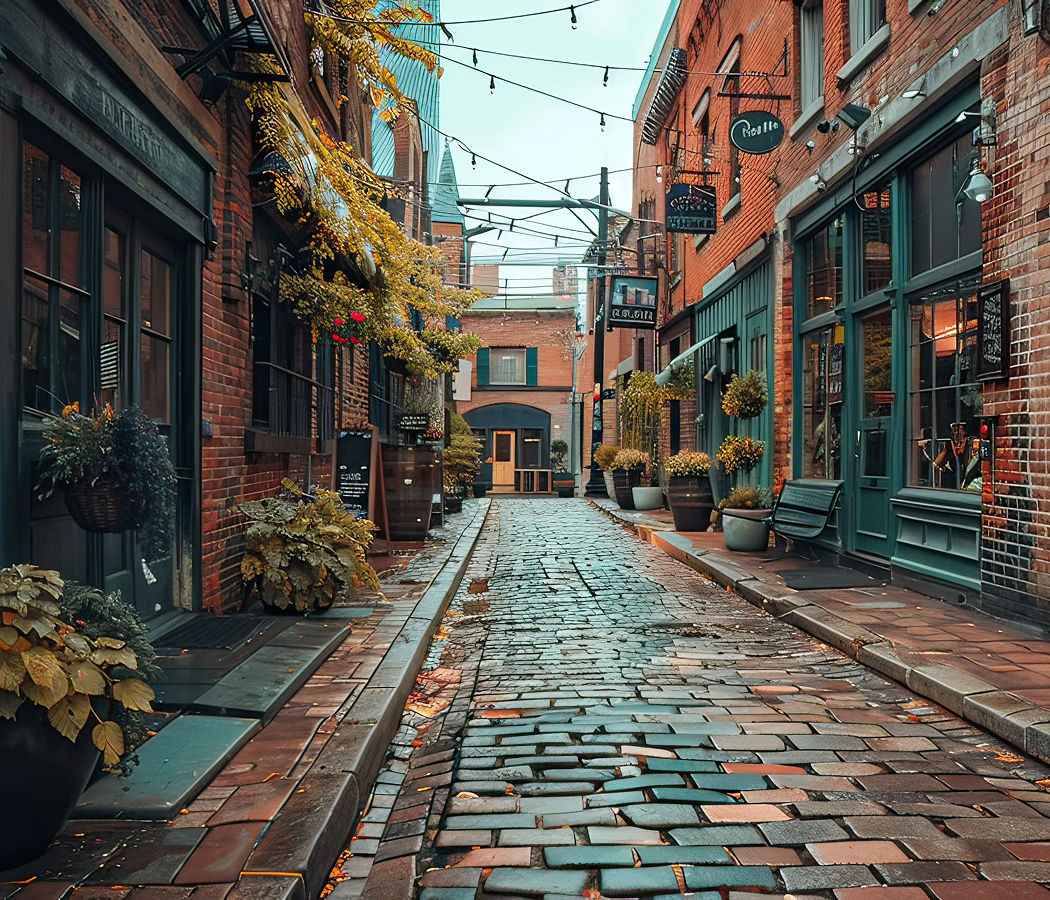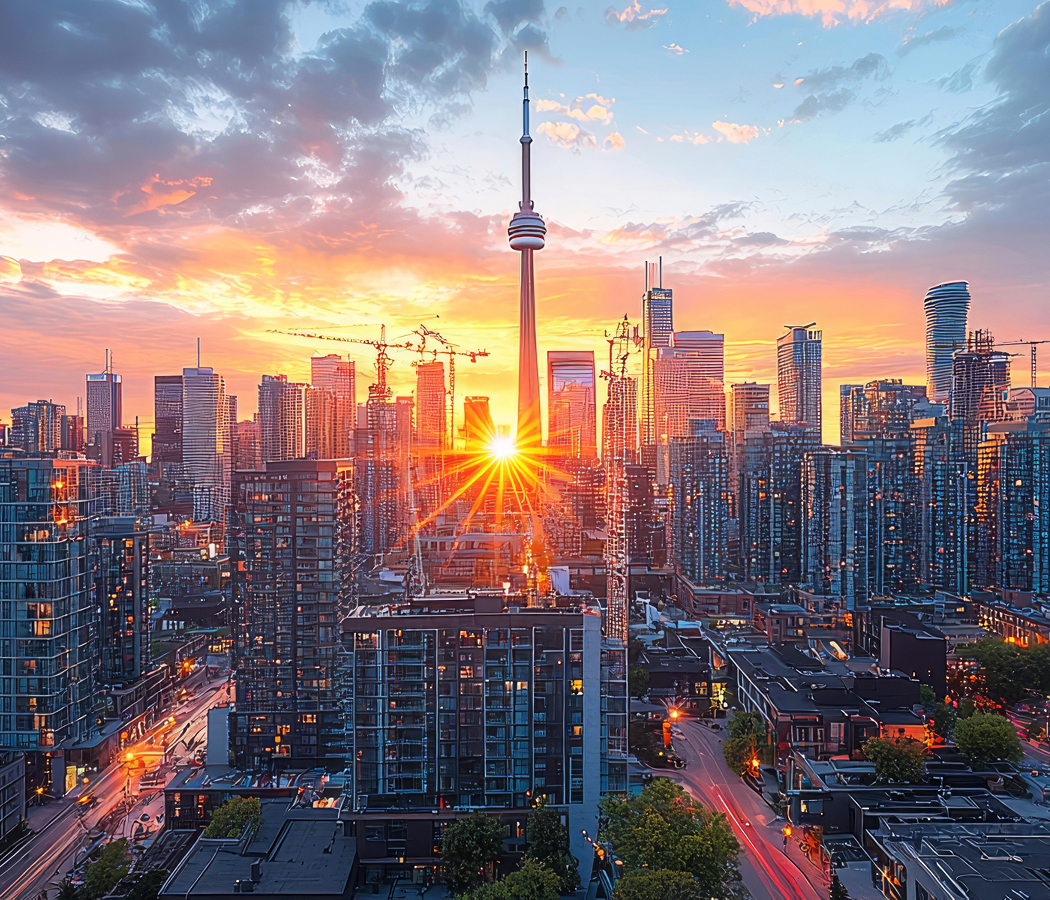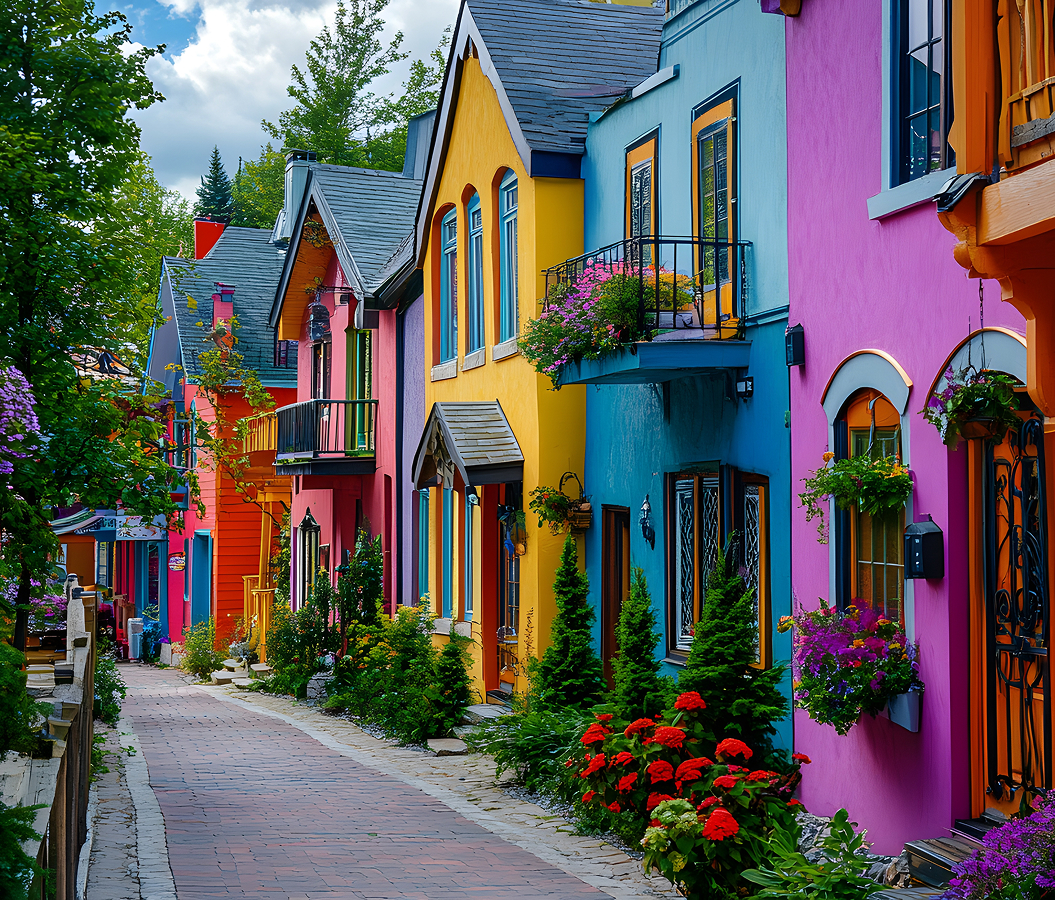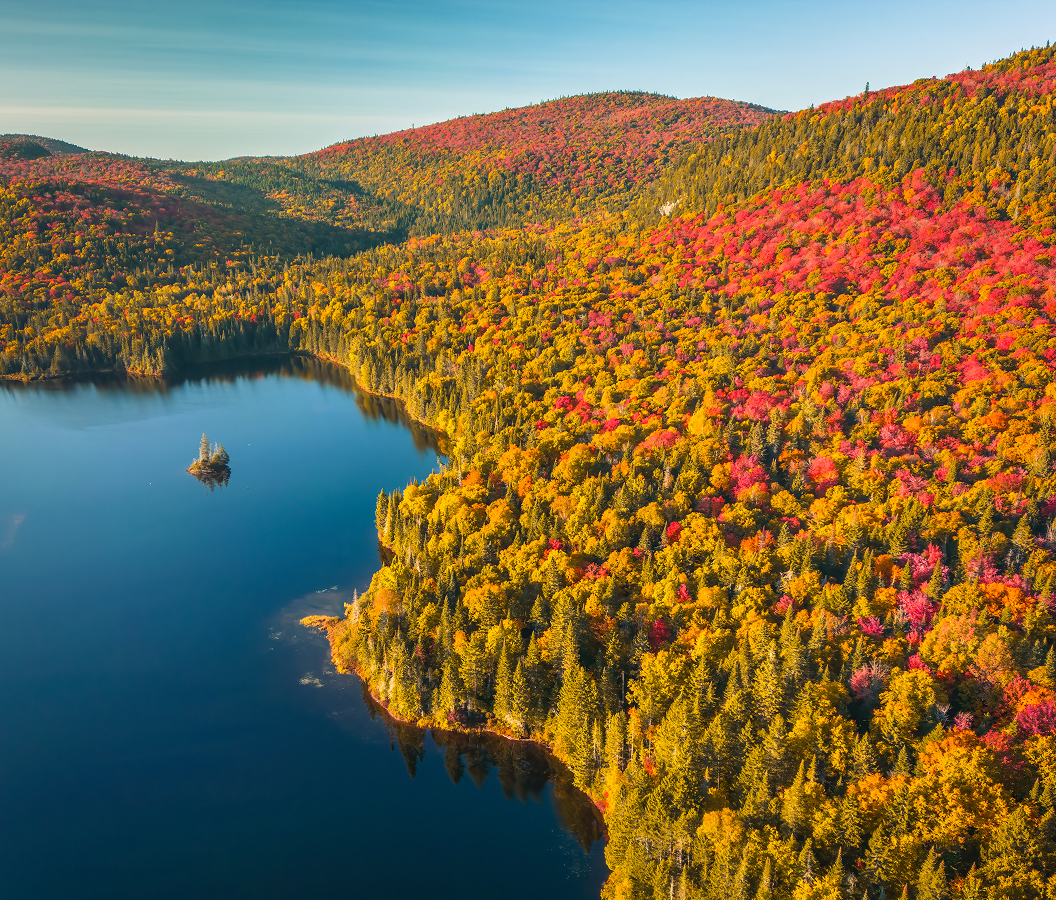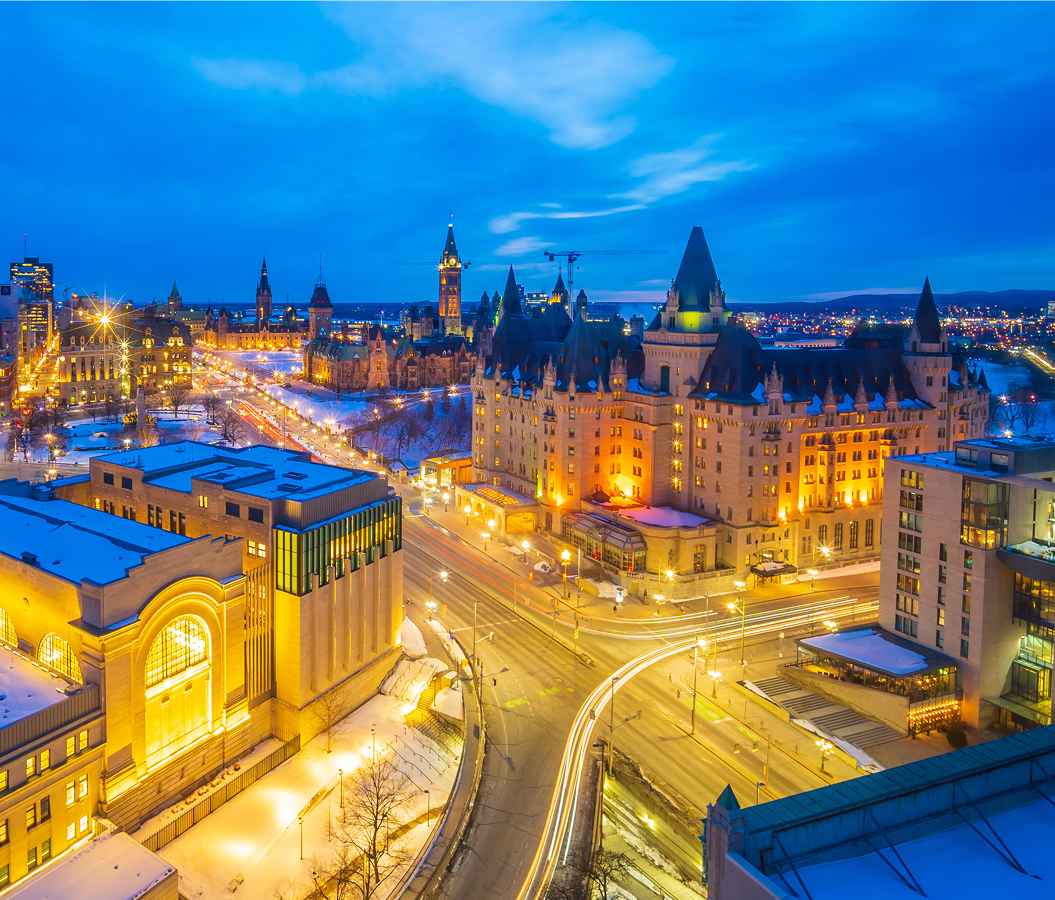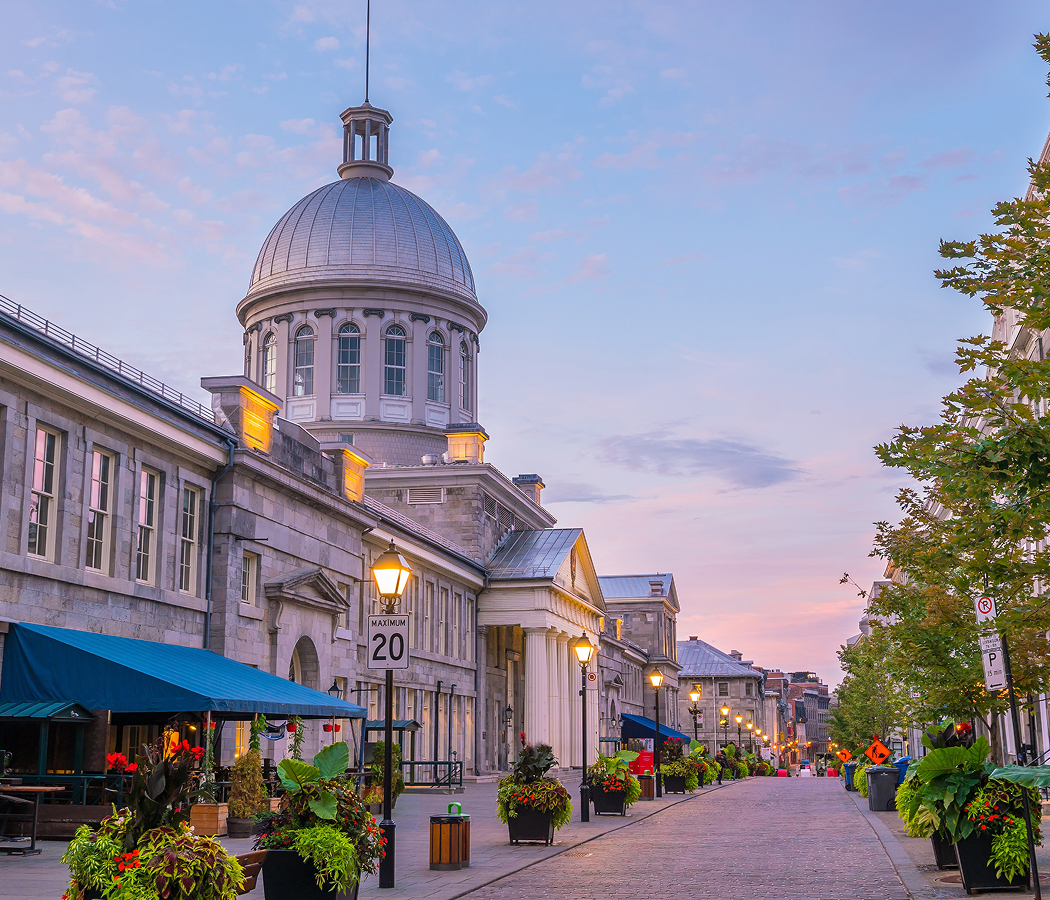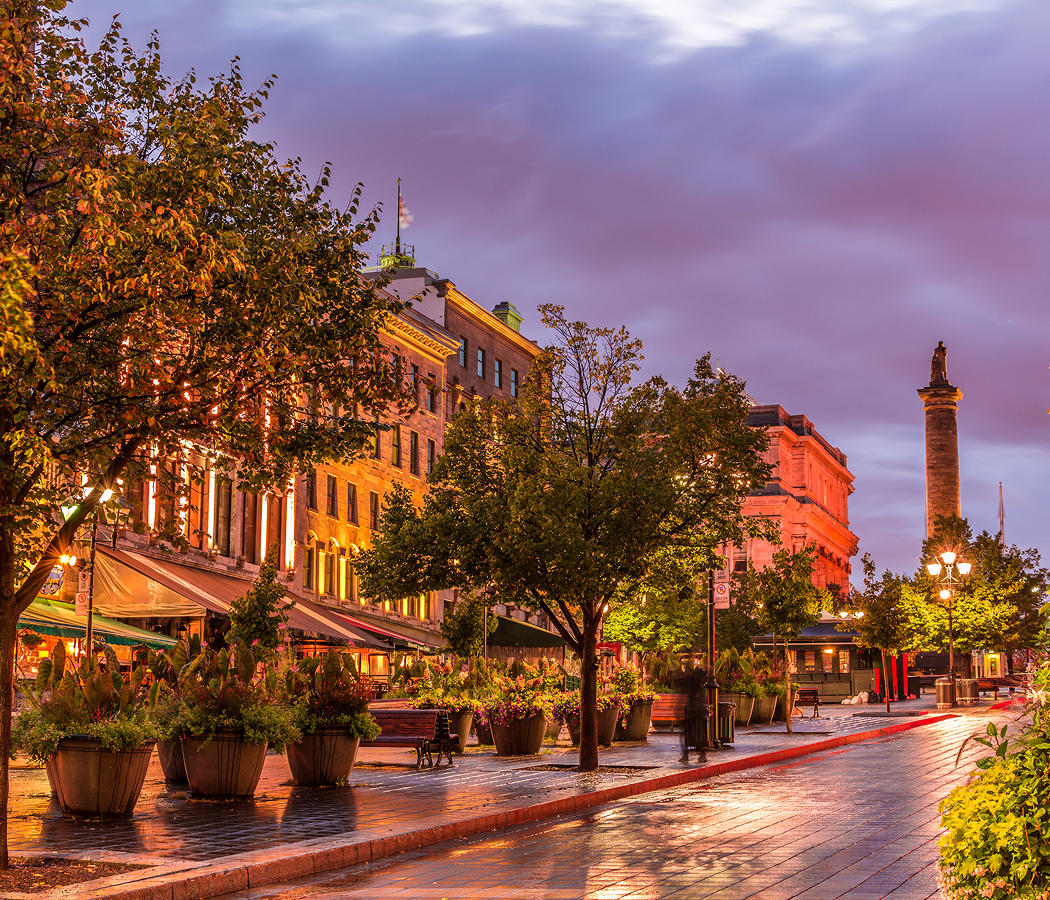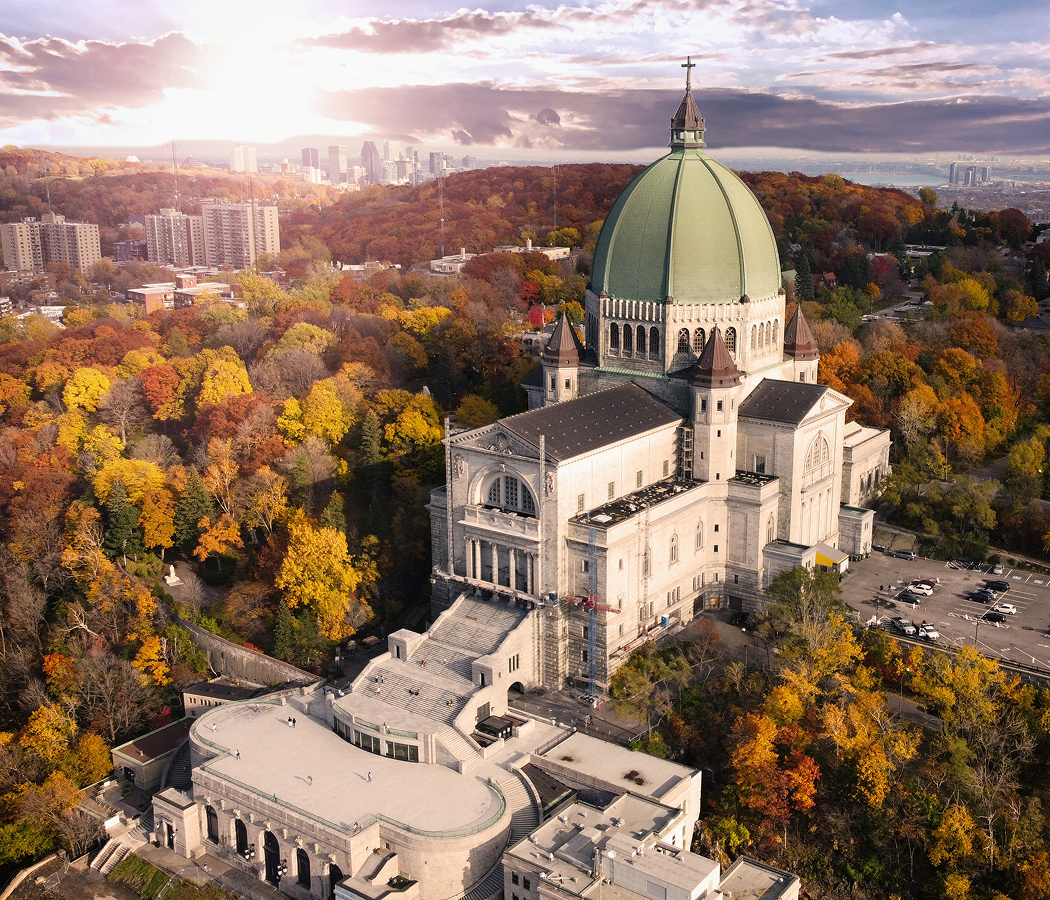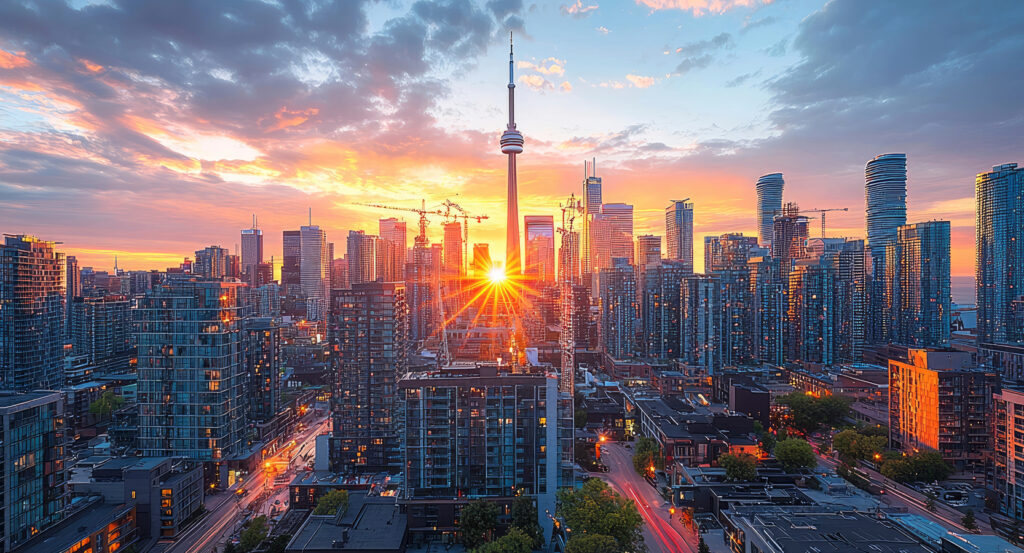
Why you should experience Keele Street in Toronto, Ontario.
Keele Street is a historic The Junction corridor where industrial heritage, multicultural neighborhoods, and metropolitan connectivity converge along one of Toronto's defining north-south streets.
Running through The Junction between High Park North and North York, this expansive urban corridor links historic commercial districts, established residential neighborhoods, community parks, educational institutions, diverse restaurants, local businesses, and major transit connections that reflect the remarkable evolution of Toronto's west end. Heritage main streets transition naturally into energetic multicultural communities, while tree-lined neighborhoods, welcoming public spaces, and thriving local commerce create an atmosphere where generations of residents have shaped a distinctive urban identity. Throughout every season, Keele Street serves as both a vital transportation artery and an authentic neighborhood destination, reinforcing its reputation as one of western Toronto's most important corridors. The result is a corridor defined by history, diversity, and enduring civic importance.
What you should know about Keele Street.
Keele Street is best known for being named after barrister and parliamentarian William Conway Keele, whose nineteenth-century estate occupied land along the corridor before Toronto's westward expansion transformed it into a major urban avenue.
The street commemorates William Conway Keele, an Irish-born barrister, judge, and Member of Parliament who settled in York Township during the mid-nineteenth century. His estate became a local landmark as the surrounding area evolved from rural concession roads into thriving residential neighborhoods and industrial communities connected by railways and streetcars. Throughout the twentieth century, Keele Street developed into one of Toronto's principal north-south routes, linking communities from High Park to North York while supporting continued residential, commercial, and institutional growth. Few Toronto streets preserve such a direct connection to an influential early landowner whose name remains woven into the city's geography.
How to fold Keele Street into your trip.
Keele Street works as an exploration of The Junction's remarkable blend of industrial heritage, neighborhood culture, and expansive urban parks.
Begin along Keele Street, where historic commercial buildings and energetic neighborhood streets immediately establish the corridor's distinctive character. Continue to High Park, whose expansive gardens, woodland trails, and celebrated cherry blossoms reveal Toronto's largest and most beloved public park. From there, conclude at Black Creek Pioneer Village, where beautifully preserved heritage buildings and immersive historical experiences provide a memorable finale to an afternoon shaped by architecture, history, and neighborhood discovery. Along the route, independent cafés, heritage storefronts, multicultural restaurants, community parks, public art, walkable streets, and established residential neighborhoods demonstrate how western Toronto continues to celebrate one of the city's richest traditions of community life. The progression moves naturally from a historic urban corridor to Toronto's signature park before concluding at one of Canada's finest living history museums, revealing why Keele Street remains one of the city's defining north-south corridors.
Where your story begins.
Foresyte Travel reveals places that feel extraordinary long before you arrive.
Experience premium editorial crafted for luxury travelers.