Why Lachine matters.
Lachine is among the city's most historically important waterfront districts, where maritime heritage, riverside recreation, and centuries of exploration converge along the shores of the St. Lawrence River.
Historic canals, waterfront parks, cycling paths, heritage buildings, public beaches, museums, marinas, and scenic promenades create a neighborhood that balances historical significance with outdoor living. Established as one of the earliest settlements on the Island of Montréal, Lachine played a pivotal role in the development of trade, transportation, and exploration throughout New France. Its strategic location along the river made it a gateway for merchants, voyageurs, and settlers moving deeper into the continent. Over generations, the district evolved into a center of commerce and industry while preserving strong ties to its waterfront identity. Today, visitors encounter a neighborhood that feels relaxed, historic, and deeply connected to the river. To the east, Verdun's celebrated waterfront parks and urban beaches continue the tradition of riverside living that defines much of Montréal's southwestern shoreline. Every canal, promenade, and historic landmark reflects a district shaped by exploration, commerce, and life on the water.
What defines Lachine.
Lachine is best known for being home to the Lachine Canal, among the most important transportation and industrial waterways in Canadian history.
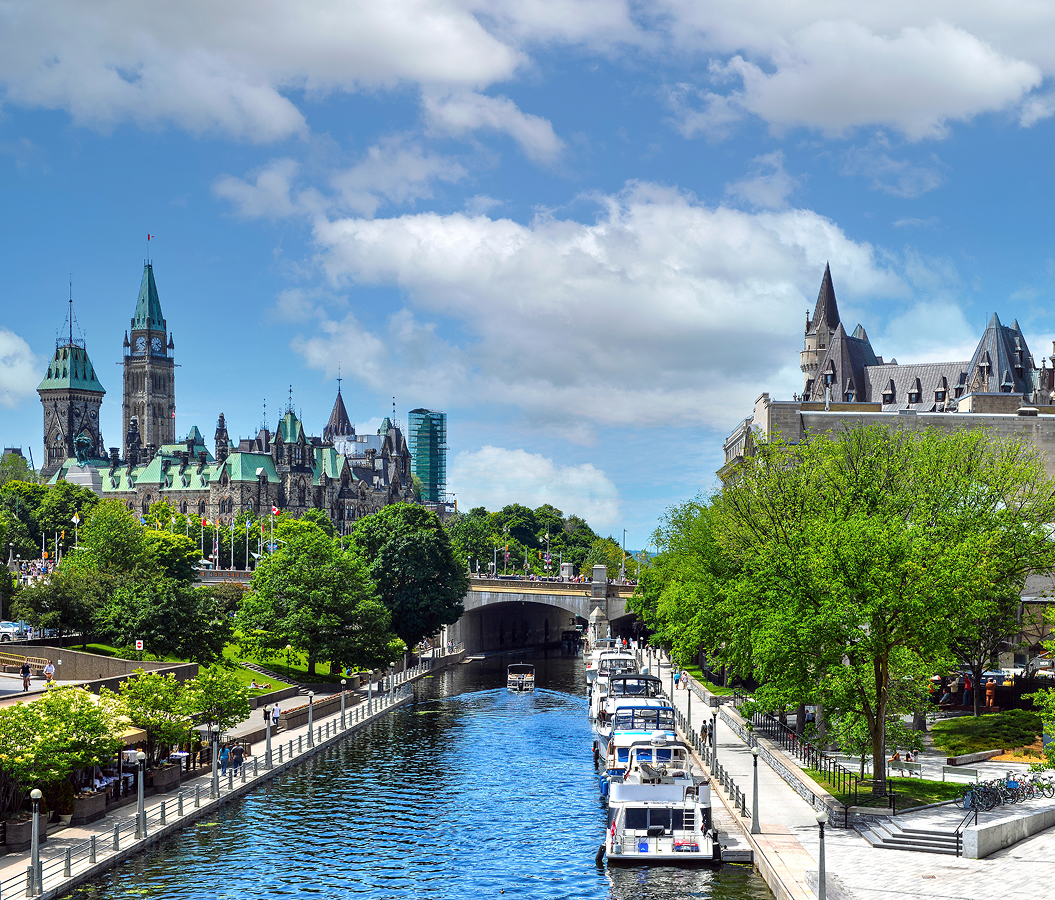
Opened in the nineteenth century to bypass the dangerous Lachine Rapids, the canal transformed Montréal into a major industrial and commercial center by connecting inland trade routes to the broader St. Lawrence system. Factories, warehouses, and transportation networks developed along its banks, fueling economic growth that helped establish Montréal as one of North America's leading cities. The canal played a critical role in the movement of goods and people for more than a century before its industrial function gradually declined. Today, the restored waterway serves as a celebrated recreational and heritage corridor that preserves the story of Canada's industrial development. Its enduring legacy remains visible throughout the district and beyond. Few places in Canada possess such a direct connection to the nation's transportation and industrial history.
How Lachine fits.
Lachine works as an exploration of waterfront landscapes, historic landmarks, and the waterways that helped shape modern Canada.
Begin at the Lachine Canal National Historic Site, where the district's defining relationship with transportation, commerce, and engineering immediately comes into focus. Continue toward the Fur Trade at Lachine National Historic Site, whose exhibits and historic setting reveal the importance of exploration and trade during the earliest chapters of Montréal's history. From there, make your way to Parc René-Lévesque, where riverside trails, public art, and sweeping views of the St. Lawrence provide a broader perspective on the natural environment that shaped the district's development. Along the route, you'll encounter historic canals, waterfront promenades, cycling paths, heritage buildings, marinas, public parks, and community gathering spaces that showcase the neighborhood's remarkable connection to the river. Together, these destinations reveal how Lachine evolved from a colonial outpost into one of Montréal's most historically significant waterfront communities.
Where your story begins.
Foresyte Travel reveals places that feel extraordinary long before you arrive.
Enjoy editorial crafted for luxury travelers.
Foresyte may earn a commission when you book.