Why you should experience New Orleans Botanical Garden in New Orleans, Louisiana.
New Orleans Botanical Garden is a living love letter to art, resilience, and Southern enchantment.
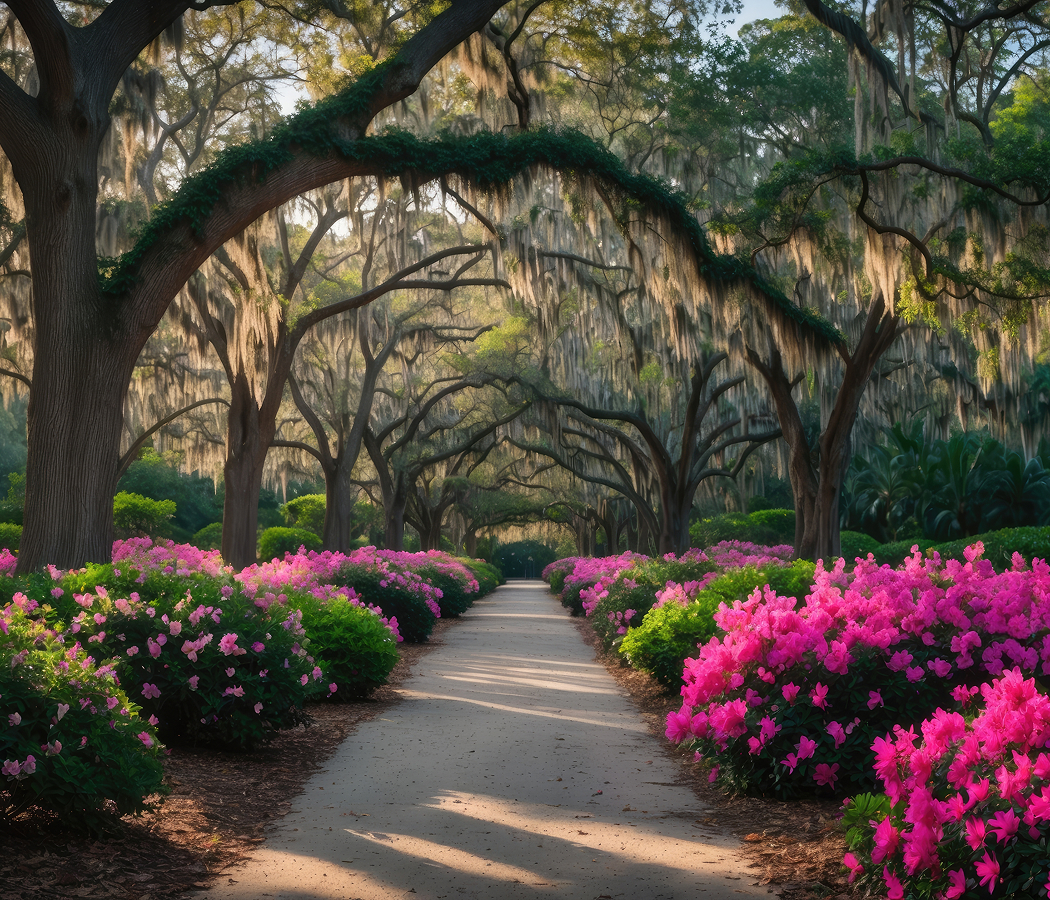
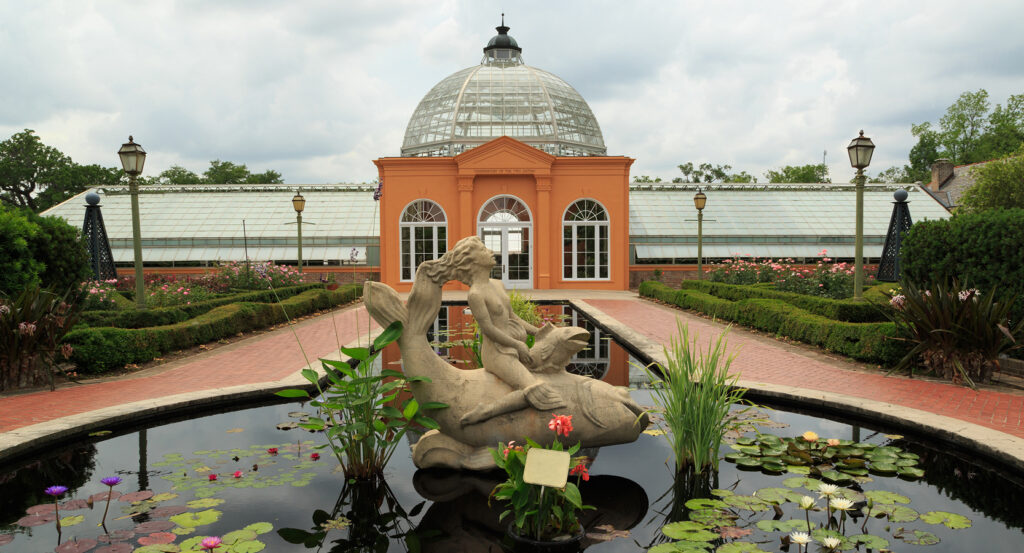
Set within the heart of City Park, the garden feels like stepping into a dream where iron gates open to a world of sculpted greenery, fragrant blooms, and quiet fountains. Originally designed in the 1930s as part of the Works Progress Administration, it remains a masterpiece of Art Deco landscape architecture, blending geometry, color, and organic grace beneath the Louisiana sun. As you wander, magnolias and live oaks stretch wide like guardians of time, their limbs draped in Spanish moss that glows gold at dusk. Garden paths lead to hidden treasures, from the Conservatory of the Two Sisters, home to tropical and arid wonders, to the lush Rose Garden, the serene Lagoon, and the iconic sculptures by artist Enrique Alférez that bring movement to stone. It's a place where nature and culture waltz together, where every scent and shadow seems touched by jazz. New Orleans Botanical Garden isn't just beautiful, it's alive with the soul of the city itself.
What you didn’t know about New Orleans Botanical Garden.
Behind its tranquil lawns and flowering vines lies a story of vision, decay, and rebirth that mirrors the city's own.
The garden began in 1936 as a WPA project under landscape architect William Wiedorn and sculptor Enrique Alférez, whose Art Deco influence shaped much of the garden's identity. It was one of the first major botanical gardens in the South and an early experiment in fusing art and horticulture. Over the decades, the garden flourished, then faded, suffering from neglect during the mid-20th century before being restored in the 1980s through community effort and City Park revitalization. The aftermath of Hurricane Katrina in 2005 brought devastation once again, submerging the garden under several feet of water. Yet, in true New Orleans fashion, it came back stronger, its restoration guided by the same commitment to beauty and resilience that defines the city. Today, it showcases more than 2,000 plant species, a series of seasonal exhibits, and a vibrant arts program that includes sculpture shows, nighttime light displays, and concerts under the stars. The garden stands not just as a botanical triumph, but as a symbol of endurance, proof that beauty in New Orleans always finds a way to bloom again.
How to fold New Orleans Botanical Garden into your trip.
To experience the Botanical Garden in its full spirit, give it time to reveal its rhythm.
Arrive in the morning when the dew still clings to the petals and the light is soft through the oaks. Start at the Conservatory of the Two Sisters, where orchids, bromeliads, and desert plants thrive side by side, then follow the pathways through themed gardens that showcase Louisiana's diverse ecosystems. Pause by the Alférez sculptures, their expressive forms shimmering in the sunlight, and sit by the fountains to let the sound of water blend with distant birdsong. Visit the nearby Pavilion of the Two Sisters for lunch or a quiet coffee, its terrace overlooking the lawns and lagoon. If you can, return after dusk for one of the garden's special events, when the paths glow with lanterns and jazz drifts through the magnolia-scented air. Pair your visit with a stroll through the adjacent New Orleans Museum of Art and Big Lake, where the skyline reflects softly on the water. New Orleans Botanical Garden isn't just a peaceful retreat, it's a reminder that in this city, even nature has rhythm, and every bloom carries a note of joy.
Hear it from the Foresyte community.
Just enough life around you not to be overwhelming. Right pace.
Where your story begins.
Start your planning journey with Foresyte Travel.
Experience immersive stories crafted for luxury travelers.