Why River North Art District matters.
River North Art District is a creative industrial enclave where Greater Denver's manufacturing heritage meets the artist-led revival of former warehouses, large-scale street murals, and independent cultural institutions that have reshaped the city's northern urban landscape.
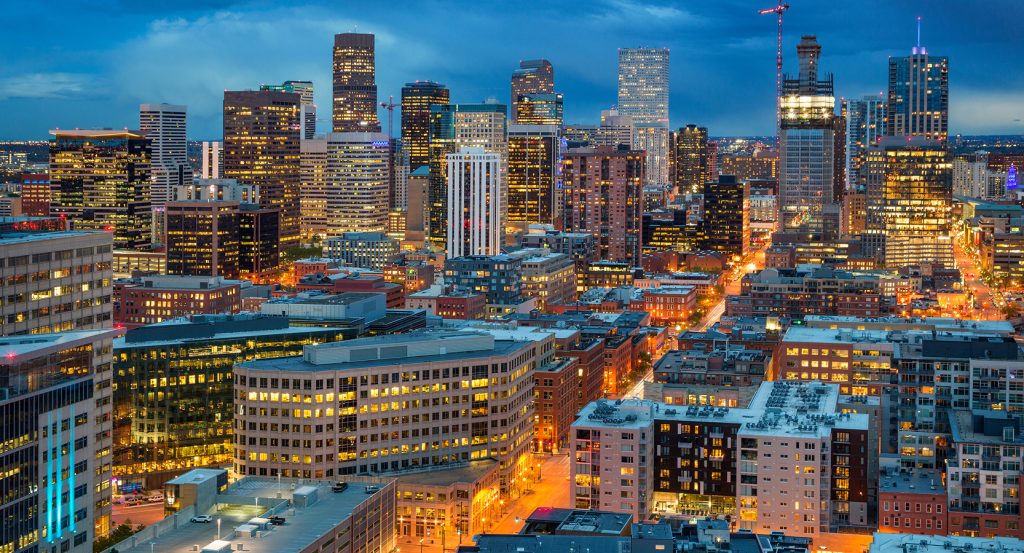
Positioned between Five Points, Cole, and Globeville, the neighborhood occupies Denver's northeastern industrial corridor, extending along Brighton Boulevard, Walnut Street, and Larimer Street toward the South Platte River, where railroad infrastructure, former manufacturing properties, and converted commercial buildings define its geography. Brick factories, metal-sided workshops, concrete loading platforms, and expansive warehouse façades preserve the district's industrial character. Murals cover substantial exterior walls, bringing contemporary painting into direct contact with buildings originally constructed for production and freight handling. Galleries, studios, breweries, and restaurants occupy rehabilitated properties, creating a neighborhood where creative businesses operate within the surviving industrial landscape. The result is an urban district whose historic building stock provides an unusually expansive setting for contemporary art and independent enterprise.
What defines River North Art District.
River North Art District is best known for the emergence of RiNo as an organized artistic community within a former manufacturing district northeast of Downtown. The area's industrial development accelerated during the late nineteenth and early twentieth centuries as railroad connections encouraged factories, warehouses, and wholesale distributors to establish operations near the city's transportation corridors. Rail sidings and freight facilities supported businesses requiring substantial storage capacity and reliable access to regional markets. The surrounding industrial economy produced an extensive collection of utilitarian commercial buildings, many designed around heavy equipment, merchandise handling, and large interior workspaces. Manufacturing decentralization and changing transportation practices gradually reduced demand for older industrial properties, leaving vacant buildings available for alternative uses. Artists and creative entrepreneurs began occupying these spaces, attracted by affordable rents and expansive interiors suitable for studios and exhibitions. In 2005, artists Jill Hadley-Hooper and Tracy Weil helped establish the River North Art District as an organized creative community, connecting independent artists and businesses through a shared neighborhood initiative. Their efforts gave the growing concentration of studios and galleries a recognizable institutional structure and encouraged cooperation among creative professionals. The district developed a reputation for contemporary visual art, particularly experimental exhibitions and large exterior paintings that extended artistic activity beyond conventional gallery interiors. RiNo Art District subsequently became the organization coordinating cultural programming, public art initiatives, and partnerships across the neighborhood. Its growth coincided with substantial private investment in former industrial properties, introducing restaurants, breweries, offices, and residential development into a district historically dominated by manufacturing. Rising property values and redevelopment pressures created significant challenges for maintaining affordable workspaces, complicating the relationship between the artists who established the district's reputation and the commercial growth that followed. River North Art District became an influential example of artist-led neighborhood revitalization and the tensions accompanying the transformation of former industrial landscapes.
The RiNo Art District organization helped establish public murals as a defining feature of the neighborhood's artistic development, extending contemporary visual art across industrial façades and commercial streets. Large masonry walls provided expansive surfaces for painting, allowing artists to work at scales difficult to accommodate inside conventional galleries. The neighborhood's utilitarian architecture became particularly important to this development, with uninterrupted warehouse elevations and former loading structures supporting substantial compositions. CRUSH Walls emerged as one of Denver's most influential public art initiatives after artist Robin Munro founded the festival in 2010. The annual event brought local and international muralists together to produce new exterior artworks, gradually expanding the district's collection of large-scale painting. Its programming incorporated live painting, exhibitions, performances, and community events, creating a recurring occasion for artistic collaboration and public engagement. The accumulation of murals transformed ordinary industrial corridors into a dispersed collection of contemporary artworks, with individual compositions introducing figurative painting, abstraction, typography, and graphic illustration. Artists working across different traditions brought contrasting approaches to color, scale, and composition, producing an evolving visual landscape across the neighborhood's buildings. Independent galleries reinforced that activity through exhibitions supporting emerging and established artists, connecting outdoor painting with formal presentation and commercial art practice. Creative businesses also incorporated commissioned murals into rehabilitated properties, strengthening the relationship between contemporary artistic production and the district's architectural transformation. Public art became an important part of the neighborhood's cultural reputation, attracting visitors interested in contemporary painting and the distinctive industrial settings supporting it. River North Art District's artistic character emerges from this sustained relationship between organized creative activity, expansive exterior painting, and the continued adaptation of former industrial buildings.
How River North Art District fits.
River North Art District works as the anchor for a Denver outing connecting contemporary artist development, the architectural transformation of industrial property, and the expansion of live performance within the city's former manufacturing corridor.
Begin at RedLine Contemporary Art Center, the nonprofit arts institution founded in 2008 by philanthropist Laura Merage to support emerging artists and strengthen public access to contemporary visual art. Its residency program provides participating artists with studio space, professional development, and opportunities for community engagement, establishing a direct relationship between artistic production and public exhibition. RedLine also organizes exhibitions, educational programs, and partnerships addressing social issues through contemporary art, extending its institutional role beyond conventional gallery presentation. The center's emphasis on working artists makes it an important contributor to Denver's independent creative community, connecting professional artistic development with public cultural participation. Continue to The Source Hotel, a contemporary hospitality property developed within the broader Source complex, whose origins lie in the conversion of a former industrial building into a food hall and commercial gathering place. The original Source opened in 2013 inside a former iron foundry, preserving substantial elements of its industrial structure while introducing independent food and retail businesses. Developer Mickey Zeppelin and the Zeppelin Development team subsequently expanded the complex through the addition of a hotel, extending the site's architectural transformation into hospitality. The hotel opened in 2018, connecting contemporary accommodation with the industrial character and culinary activity of the surrounding district. Conclude at Mission Ballroom, the purpose-built concert venue developed by AEG Presents and opened in 2019 as part of Denver's expanding live music infrastructure. Its distinctive movable stage allows the performance floor to change capacity and configuration, bringing audiences closer to performers for smaller concerts while accommodating larger events within the same auditorium. The venue's production design incorporates advanced sound, lighting, and audience circulation systems suited to touring musicians and contemporary concert programming. Its opening established a major performance destination within the former industrial corridor, expanding the neighborhood's cultural offerings beyond galleries and public art. The progression moves from RedLine Contemporary Art Center's support for working artists through The Source Hotel's transformation of industrial architecture and culminates at Mission Ballroom's adaptable concert environment, connecting three forms of cultural reinvestment that distinguish Denver's River North district.
Where your story begins.
Foresyte Travel reveals places that feel extraordinary long before you arrive.
Enjoy editorial crafted for luxury travelers.
Foresyte may earn a commission when you book.