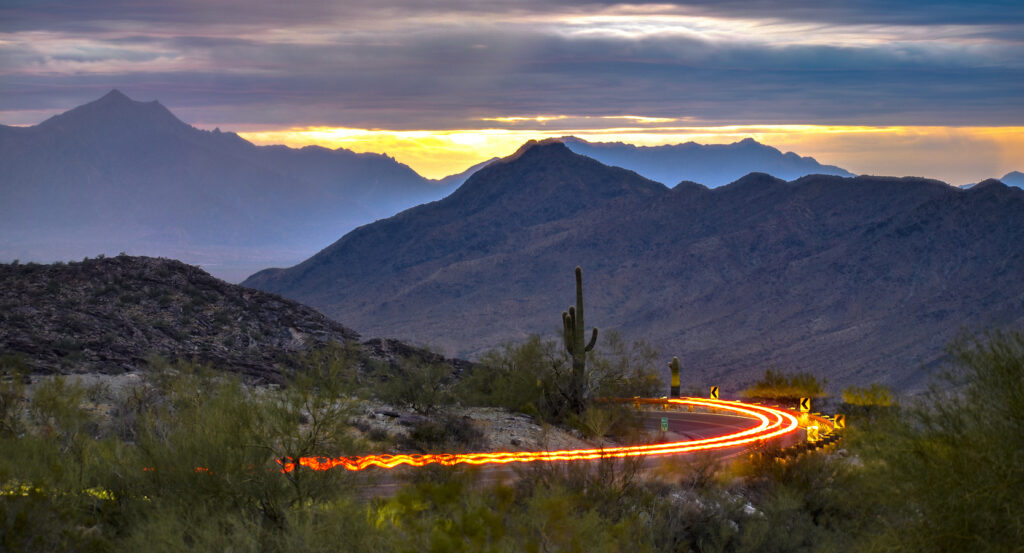
Why South Mountain Park matters.
Rising from the southern edge of Phoenix, South Mountain Park feels like a sanctuary sculpted by time and sun, a rugged expanse where the desert breathes, the city glimmers in the distance, and every trail leads into the quiet heart of Arizona's landscape.
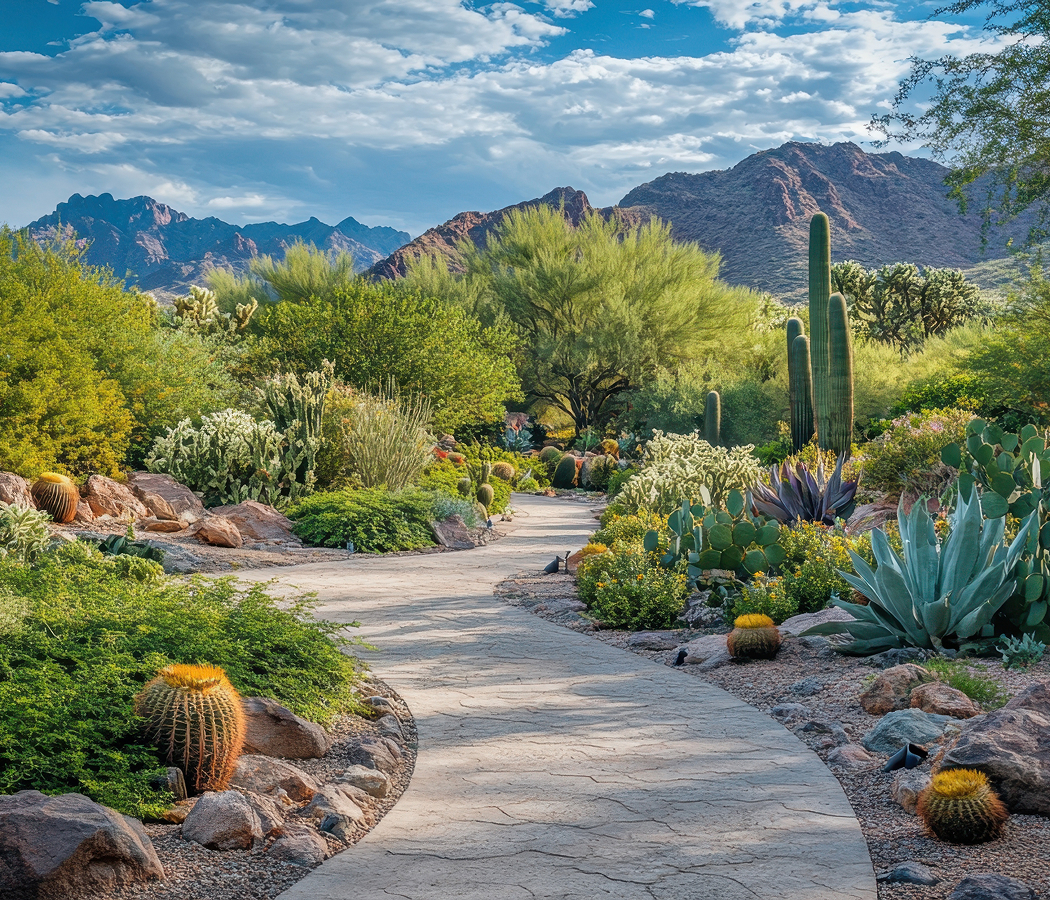
Spanning more than 16,000 acres, it's one of the largest municipal parks in the United States, larger than many national parks, and a cornerstone of Phoenix's desert identity. As you wind through its saguaro-studded trails, you'll catch the scent of creosote and mesquite drifting on the dry air, the kind of smell that only comes after the rain. The rocky ridges and golden light at dusk transform the terrain into something almost sacred. At the summit of Dobbins Lookout, the city stretches endlessly beneath you, a grid of shimmering heat and life framed by the Superstition and White Tank Mountains. It's where desert stillness meets urban pulse, where time slows, and even the air feels like it carries memory.
What defines South Mountain Park.
South Mountain Park isn't just a desert retreat, it's a story of deep time, resilience, and cultural reverence that stretches back thousands of years.
Long before Phoenix existed, the area was home to the Hohokam people, whose petroglyphs still adorn the volcanic rock faces along trails like Kiwanis, Judith Tunnell, and Bajada. These ancient carvings, spirals, animals, and figures, mark the presence of a civilization that thrived here between 300 and 1450 CE, channeling river water through miles of hand-dug canals that predated the city's own system. In the 1930s, the Civilian Conservation Corps (CCC) transformed the area into a park, building trails, ramadas, and stone structures that blend seamlessly into the landscape. Today, their craftsmanship endures, part of the park's character and its quiet strength. Beyond history, South Mountain plays a crucial ecological role: it's home to over 150 species of wildlife, from coyotes and roadrunners to desert tortoises and red-tailed hawks. And most surprisingly, the mountain itself is part of the Phoenix Mountains Preserve System, designed not just for recreation but as a promise, to protect open desert within a rapidly growing metropolis.
How South Mountain Park fits.
Exploring South Mountain Park offers the perfect balance between adventure and tranquility, a way to see Phoenix not from its streets, but from its soul.
Begin early in the morning or late in the afternoon to catch the desert at its most dynamic. Start the journey with a drive up to Dobbins Lookout, a short walk from the parking area that rewards you with sweeping views of the entire valley. For hikers, the Holbert Trail offers a steady climb with glimpses of petroglyphs and sweeping panoramas, while the National Trail, 15 miles long, showcases the park's wild expanse, from rugged ridges to quiet washes. Mountain bikers and horseback riders will find endless paths weaving through cactus forests, each bend revealing a new play of light and shadow. Bring plenty of water, sunscreen, and patience, the desert teaches you to move slowly. After the hike, stop at The Farm at South Mountain, a nearby oasis offering shaded patios, local produce, and garden-fresh meals beneath pecan trees. By sunset, return to the park to watch the sky burn orange and violet above the city. In that moment, with the hum of cicadas, the scent of dust and sage, and the first stars flickering above, you'll understand why South Mountain Park is more than a landmark. It's Phoenix itself, eternal and alive beneath the desert sun.
Where your story begins.
Foresyte Travel reveals places that feel extraordinary long before you arrive.
Enjoy editorial crafted for luxury travelers.
Foresyte may earn a commission when you book.