Why you should experience the DOUGLAS, Autograph Collection in Vancouver, Canada.
the DOUGLAS is a hotel built around contrast and texture, a place where raw materiality, quiet refinement, and Vancouver's contemporary edge intersect to create a stay that feels grounded, intentional, and unmistakably modern.
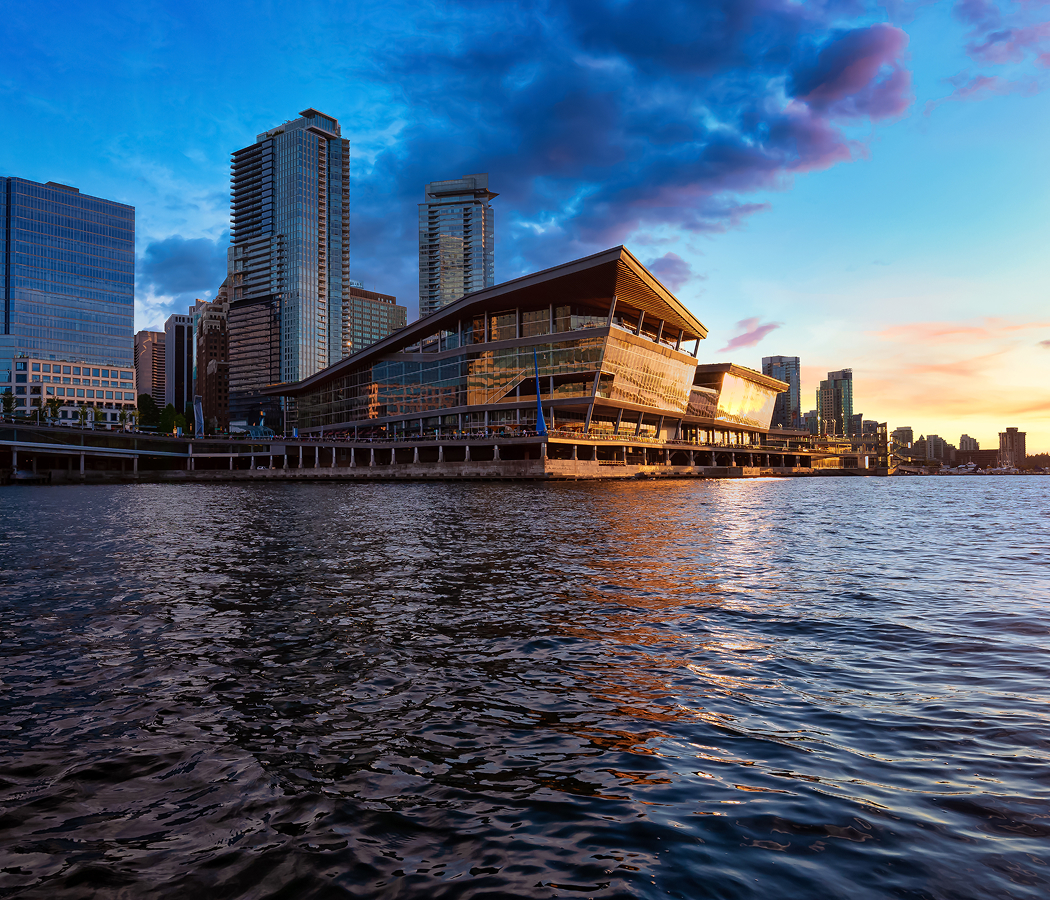
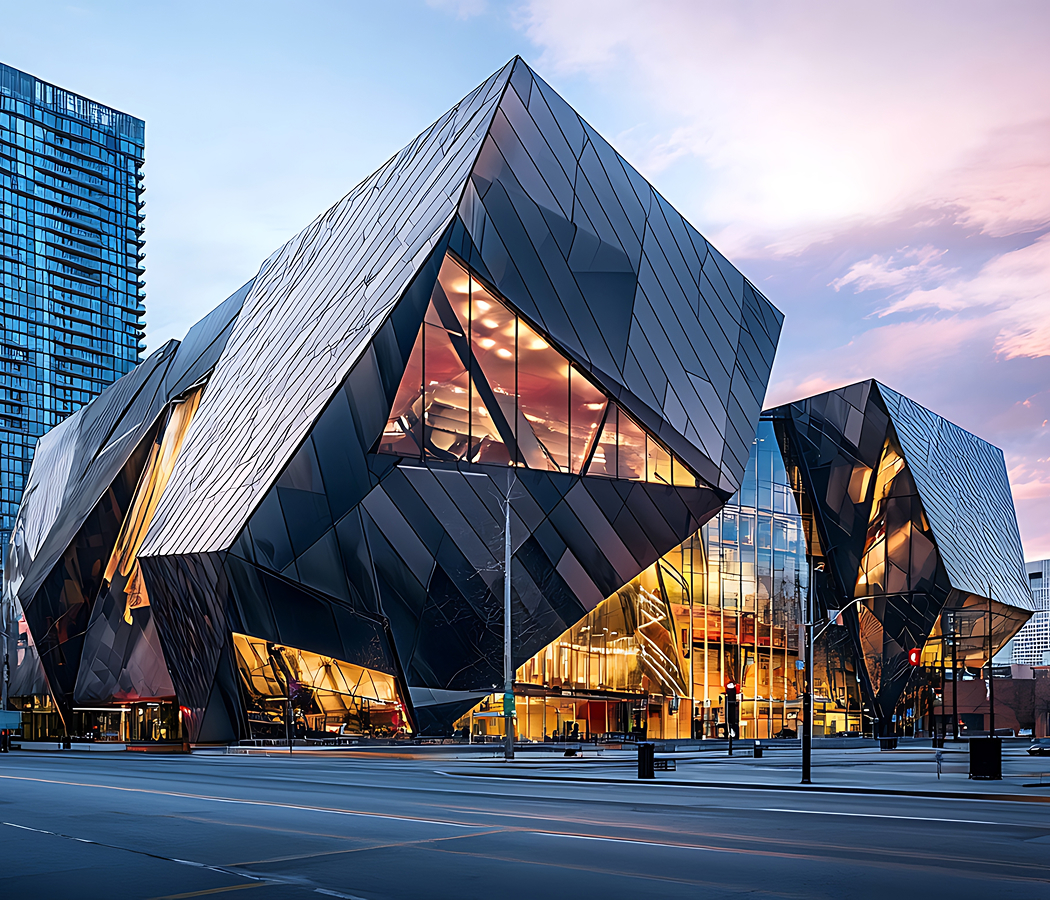
Located within the Parq district at the edge of False Creek, the DOUGLAS does not present itself as a traditional luxury hotel. Arrival feels deliberate and slightly unexpected. Instead of polished symmetry or overt grandeur, you encounter weight, tone, and substance. The building's exterior hints at what defines the experience inside: a discussion between industrial strength and human warmth. Step into the lobby and the atmosphere immediately shifts into something intimate and tactile. Wood, stone, steel, and shadow work together to create a sense of enclosure that feels protective. The hotel feels inwardly focused, a counterbalance to the openness of the surrounding city and water. Public spaces are composed rather than expansive, encouraging pause, conversation, and presence. Lighting is low and intentional, shaping mood. Nothing here feels ornamental. Every material choice feels purposeful. Guest rooms extend this philosophy into private space. Layouts are thoughtfully arranged, offering clarity. Beds are deeply comfortable and substantial, designed to feel anchoring. Furnishings emphasize texture and tactility over shine, with surfaces that invite touch and colors that absorb. The palette leans dark and natural, allowing moments of brightness from windows and city views to feel earned. Many rooms frame glimpses of the skyline, stadiums, or False Creek, but the emphasis remains inward. This is a room designed for rest, recalibration, and focus. Bathrooms continue the theme of restrained confidence, with clean lines, strong fixtures, and materials that feel solid and enduring. What defines the DOUGLAS is its sense of intentional restraint. This is not a hotel that tries to impress quickly. It reveals itself slowly through atmosphere and detail. Public areas feel social. Mornings feel grounded and deliberate. Afternoons feel focused and contained. Evenings take on a moody warmth that feels intimate. Dining and lounge spaces reflect this character, favoring depth, craft, and ambiance over performance. Food and drink experiences here feel curated for conversation and reflection, not performance. Service throughout the DOUGLAS is polished yet understated. Interactions feel attentive without intrusion, shaped by awareness rather than routine. Staff seem to understand that guests drawn to this hotel value discretion, tone, and flow. Recommendations often focus on experiences that align with that sensibility: quieter waterfront walks, architecturally interesting routes through the city, or dining spaces where atmosphere matters as much as cuisine. Step outside and Vancouver unfolds. The seawall, cultural venues, stadiums, and downtown neighborhoods are all close at hand, yet returning to the DOUGLAS always feels like stepping back into a quieter, more contained world. This hotel is ideal for travelers who want Vancouver to feel modern, textural, and emotionally grounded, a stay shaped by mood and material.
What you should know about the DOUGLAS.
the DOUGLAS is conceived around the idea that luxury can be weighty, dark, and introspective, challenging the assumption that refinement must always feel light, bright, or expansive.
Unlike many contemporary hotels that rely on openness and visual breadth, the DOUGLAS uses compression and contrast to create comfort. Ceilings, corridors, and common spaces are scaled to feel intimate. This design choice fosters a sense of privacy and focus that becomes increasingly noticeable the longer you stay. Materials are left honest. Wood grain is visible. Stone feels raw. Metal surfaces show intention. This approach creates an environment that feels stable and enduring, not trend driven. A lesser known strength of the hotel lies in how it manages physical quiet. Despite being located within a lively district, interior acoustics and spatial zoning soften external noise and movement. Sound does not disappear completely, but it fades into background texture. This makes the DOUGLAS particularly appealing for travelers who arrive mentally saturated or who value environments that help restore concentration and resonant balance. Another overlooked aspect is how the hotel treats time. Many hotels aim to maintain a constant mood throughout the day. the DOUGLAS allows time to register. Morning light feels subdued and calm. Midday energy is muted and focused. Evening brings depth and warmth as shadows lengthen and interior lighting takes over. This temporal progression adds resonant dimension to the stay, making each part of the day feel distinct. The service philosophy reflects this same intentionality. Staff interactions are measured and thoughtful, never rushed or overly familiar. Assistance arrives when needed, not before. Guidance is offered with nuance, often centered on experiences that align with the hotel's tone: where to find architectural interest, how to experience the waterfront without crowds, or which dining rooms favor atmosphere over noise. The hotel attracts travelers who value character and substance. Creative professionals, couples seeking intimacy, and independent travelers drawn to design and mood often find themselves particularly at home here. Public spaces feel shared but never busy. Private rooms feel personal. Staying at the DOUGLAS often reframes how guests perceive Vancouver. Instead of a city defined solely by nature and openness, it becomes a place of contrast, density, and carefully balanced tension. The DOUGLAS does not soften the city. It interprets it.
How to fold the DOUGLAS into your trip.
the DOUGLAS works best when your Vancouver experience is best known for intentional pacing, thoughtful movement, and an appreciation for contrast between activity and retreat.
Begin your mornings quietly. Allow the subdued atmosphere of the hotel to set your internal rhythm before stepping out. Enjoy a slow coffee or breakfast. When you head outside, move toward the seawall or False Creek while the city is still gathering momentum. Let the openness of water and sky counterbalance the hotel's inward calm. Late mornings are ideal for exploring downtown or nearby cultural spaces, knowing that you can return to a more contained environment afterward. Midday, come back to the DOUGLAS to pause. Sit, read, or simply rest. This pause helps experiences settle. In the afternoon, venture outward again, toward galleries, design shops, or longer waterfront walks. Let curiosity guide movement. Each return to the hotel feels grounding, like stepping back into a controlled, intentional space. As evening approaches, lean into the hotel's mood. Dine somewhere that values atmosphere and conversation, whether within the Parq district or nearby neighborhoods. After dinner, a short walk back allows the city to fade gently before you reenter the hotel's quieter register. On your final morning, linger longer than expected. One more moment of stillness. One more breath before transition.
Where your story begins.
Foresyte Travel reveals places that feel extraordinary long before you arrive.
Experience premium editorial crafted for luxury travelers.