Why The Westin Denver International Airport matters.
The Westin Denver International Airport is where futuristic architecture meets hushed, high-altitude serenity, where the choreography of global travel flows beneath a soaring sculptural canopy, and where your stay feels like entering a luminous sanctuary suspended between sky, runway, and the boundless horizon of the Colorado plains.
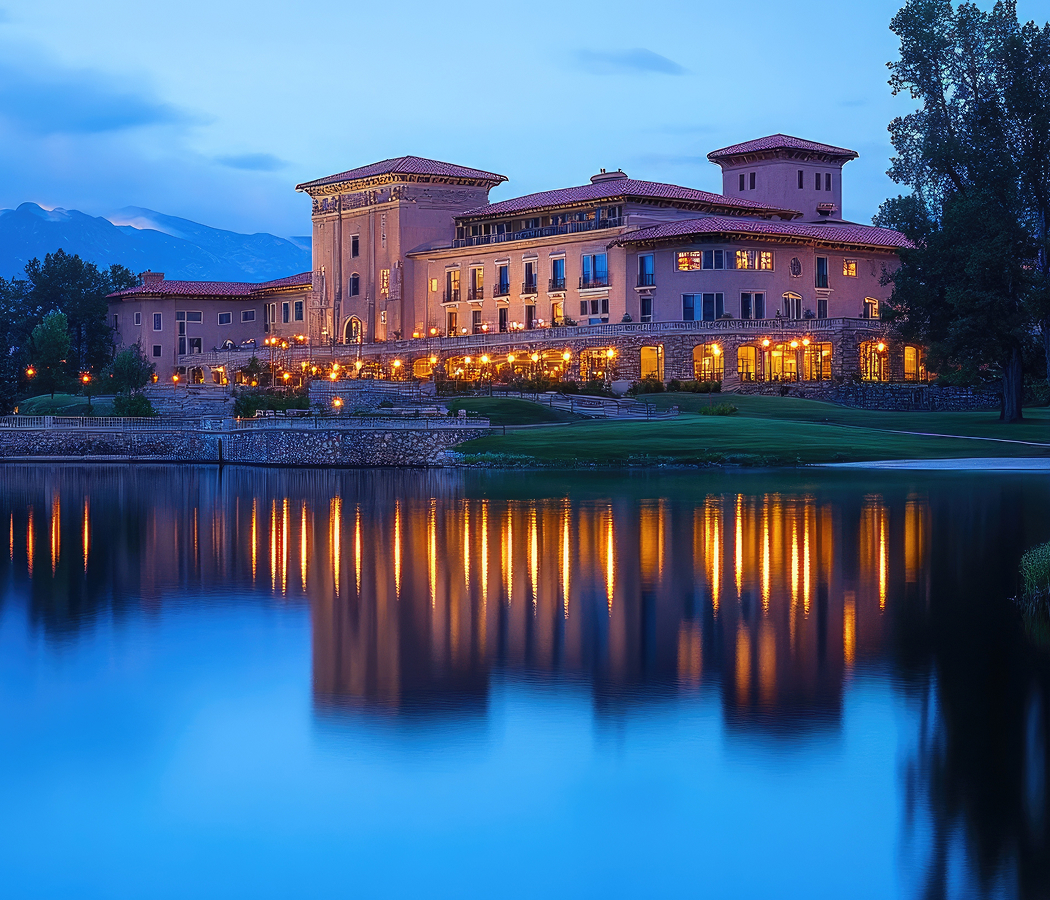
Poised directly atop Denver International Airport's transit plaza, The Westin presents one of the most striking architectural silhouettes in American hospitality, a sleek, aerodynamic, glass-clad structure that arcs like a bird's wings stretching toward flight. Its sweeping lines mirror the curvature of the Rocky Mountains, while its shimmering façade reflects sunrise, cloud formations, aircraft taxiways, and the soft, luminous glow of the airport's iconic tented terminal. Approaching the building feels almost cinematic: a blend of translucence and steel, sky and shadow, geometric ambition and quiet minimalism. Step inside, and the lobby reveals itself as a cathedral of light. Floor-to-ceiling glass walls frame vast views of the plains stretching endlessly eastward, with long-haul aircraft gliding silently across runways like slow-moving sculptures. Interiors are defined by polished stone floors, airy atriums, warm wood tones, sculptural furnishings, and a palette shaped by slate gray, natural sand, soft cream, polished steel, and the pale blue of Colorado's big sky. The atmosphere is calm, expansive, and almost meditative, an antidote to the bustle of travel. Rooms extend this atmosphere with a clean, modern residential elegance. Expect plush Westin Heavenly Beds wrapped in crisp white linens; soft rugs that warm the step; minimalist furniture with smooth wood grains and simple lines; contemporary art inspired by clouds, mountains, and flight; and vast windows that turn the landscape into a living mural. Depending on your room's orientation, you may wake to the sun rising over the plains in a wash of gold and pink, or watch the Rockies glow in amber evening light with airplanes drifting past like floating lanterns. Bathrooms are sleek and spa-like, stone vanities, glass showers, refined fixtures, warm lighting, and Westin's signature amenities that bring clarity and comfort to your daily routine. Suites expand into airy, elevated sanctuaries with separate living areas, dramatic views, upgraded finishes, and an atmosphere that feels closer to a private airport club residence than a traditional hotel suite. One of the property's most beloved features is its unbroken wall of glass, which creates a feeling of floating, like the hotel is levitating above the runways, watching the choreography of aviation unfold in serene silence. This vantage point is unmatched: aircraft gliding against open sky, long-distance carriers preparing for transoceanic routes, regional jets sweeping across taxi lanes, and the endless plains meeting the curvature of the earth in a single, breathtaking line. The hotel's fitness studio is a study in energy and light. Expansive windows invite the morning sun, illuminating modern cardio machines, strength equipment, stretching zones, and the kind of invigorating atmosphere that aligns with Westin's wellness-forward identity. For travelers adjusting to time zones or preparing for long flights, the space becomes a rejuvenating ritual. Dining at The Westin Denver International Airport revolves around Sky Bar & Grill, a thriving, elegant space shaped by high ceilings, wind-swept architectural motifs, and panoramic views. The menu blends Colorado freshness with elevated culinary technique, mountain ingredients, thoughtful plates, seasonal selections, and craft cocktails that feel at home beneath the glow of the hotel's illuminated architecture. The bar area adds a layer of atmospheric buzz: glasses clinking softly, guests sharing stories of their travels, and the faint hum of aviation pulsing just beyond the windows. The hotel offers an array of communal and lounge spaces that encourage both inspiration and solitude. Plush seating clusters gather around glowing fireplaces, co-working zones offer quiet space for productivity, and sculptural décor pieces highlight the property's aviation-forward design philosophy. Each space feels sleek yet inviting, polished yet warm, futuristic yet human. The hotel's connection to Denver International Airport is seamless, steps away from TSA checkpoints, a short walk to terminals, and directly connected to the RTD A-Line train that links the airport to Downtown. This level of integration transforms travel from a logistical burden into a fluid, luxurious experience: no shuttles, no commutes, no stress. Throughout the property, the design philosophy embraces aerodynamic minimalism, curved glass, clean geometry, open sightlines, reflective surfaces, and a calming palette that mirrors sky and earth. The feeling is futuristic, organic, and deeply aligned with the sense of movement inherent to an airport setting. Service is polished, professional, intuitive, and quietly attentive. Staff members understand the rhythm of travel, late arrivals, early departures, tight schedules, jet lag, meeting deadlines, and provide warm, efficient, thoughtful hospitality that eases every transition. And the location is exceptional in its own way. While not set among mountains or urban districts, The Westin Denver International Airport offers a different kind of wonder: big sky, vast land, the graceful choreography of aviation, the quiet hum of global movement, and a front-row seat to sunrise and sunset painted across an uninterrupted horizon. The Westin Denver International Airport is modern, luminous, sleek, serene, design-forward, horizon-facing, and ideal for travelers seeking a luxurious, atmospheric airport sanctuary where the journey becomes part of the experience.
What defines The Westin Denver International Airport.
The Westin Denver International Airport sits on land shaped by ancient geology, Indigenous presence, aviation history, and one of the most ambitious airport construction projects ever undertaken in the United States.
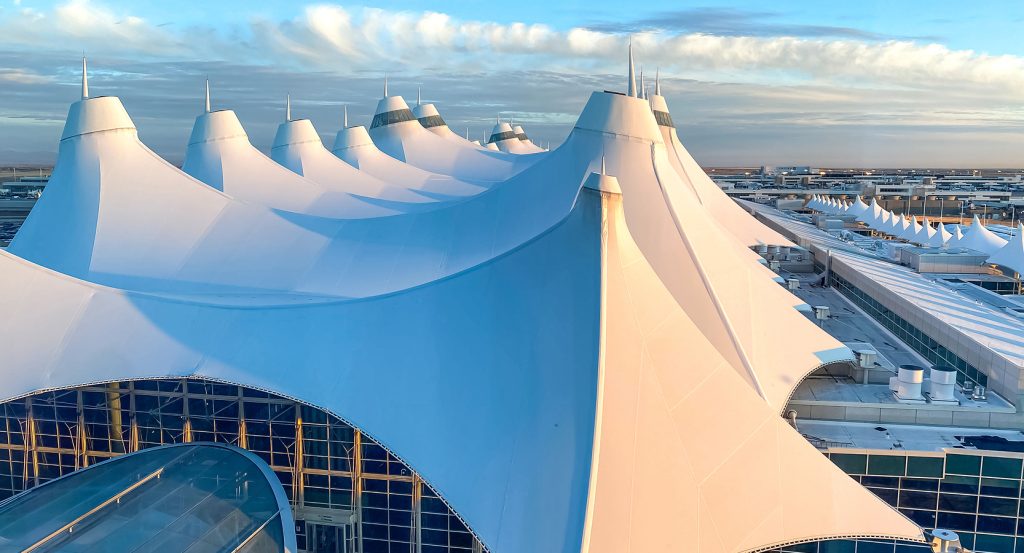
Long before runways stretched across the plains, this land was part of a vast prairie ecosystem that supported Indigenous tribes, primarily the Arapaho, Cheyenne, and Ute, who traversed the region for hunting, seasonal movement, astronomical observation, and trade. The high plains offered water from seasonal streams, open visibility, and connection routes between the mountains and the expansive grasslands to the east. In the 19th and early 20th centuries, the land became ranching territory, wide-open spaces used for grazing cattle, building isolated homesteads, and supporting early agricultural families who lived far from the developing city center of Denver. A lesser-known detail: the land around the modern airport once hosted stagecoach pathways and mail routes heading toward northeastern Colorado settlements. When Denver International Airport was conceived in the late 1980s, planners selected this location for its vast acreage, unobstructed airspace, and potential for architectural innovation. Construction began in 1989, and the site transformed dramatically over the next six years. The iconic tented roof of the Jeppesen Terminal, designed to echo both the Rocky Mountains and Native American teepee forms, became an instant architectural landmark. Beneath and around this structure, thousands of workers reshaped the landscape into a modern aviation hub. The land beneath The Westin hotel was once part of open tarmac and service areas before being redeveloped into the airport's forward-facing transit plaza. The hotel itself, conceived decades after the airport's opening, was envisioned as a gateway, a piece of sculptural architecture that would mark Denver International Airport as not merely a transportation hub, but an experiential, world-class destination. During construction of the hotel, the site revealed remnants of old service infrastructure, early utility lines, and structural structures from the airport's initial phase. The design team integrated aerodynamic forms, high-performance glass, and advanced engineering to craft the hotel's distinctive wing-like shape, a nod to both aircraft and the fluidity of travel. Today, The Westin Denver International Airport stands as a symbol of the airport's next evolution: sustainable, design-driven, connected hospitality that links global travelers to Denver, the Rockies, and destinations around the world.
How The Westin Denver International Airport fits.
The Westin Denver International Airport becomes your luminous transition point, where mornings begin with sunrise breaking across endless plains, afternoons unfold into calm productivity and horizon views, and evenings settle into aviation-lit elegance beneath an infinite Colorado sky.
Start the morning with coffee in your room as the sky shifts from deep blue to gold over the runway. Watch aircraft glide silently across the landscape while you enjoy the calm rhythm of a day that begins. Then make your way to Sky Bar & Grill for breakfast, warm plates, fresh ingredients, airy dining rooms, and sunlight that fills the space with clarity and warmth. Midday, use the hotel as a base for either adventure or restoration. If heading into Denver, step directly onto the A-Line train for a seamless ride into the city's cultural core, Union Station, LoDo, museums, shops, and restaurants. If staying near the airport, settle into the lobby for remote work, take a long walk through the airport's art installations, or retreat to your room for quiet downtime with panoramic sky views. Return to the hotel for an afternoon reset. Swim in the indoor pool as clouds drift above the glass rooftop. Enjoy a refreshing workout in the fitness studio, or relax in your room as aircraft taxi in the distance like moving silhouettes against the horizon. As evening arrives, order a cocktail at Sky Bar & Grill and watch the light fade over the plains, turning the sky pink, lavender, and deep cobalt. Stay for dinner, savoring warm dishes and soft ambient lighting reflected in the glass walls of the plaza. Afterward, retreat to your room to watch the airport quiet into nighttime stillness, runways glowing softly, aircraft lined in calm symmetry, and the horizon stretching into darkness beneath a sky full of stars.
Where your story begins.
Foresyte Travel reveals places that feel extraordinary long before you arrive.
Enjoy editorial crafted for luxury travelers.
Foresyte may earn a commission when you book.