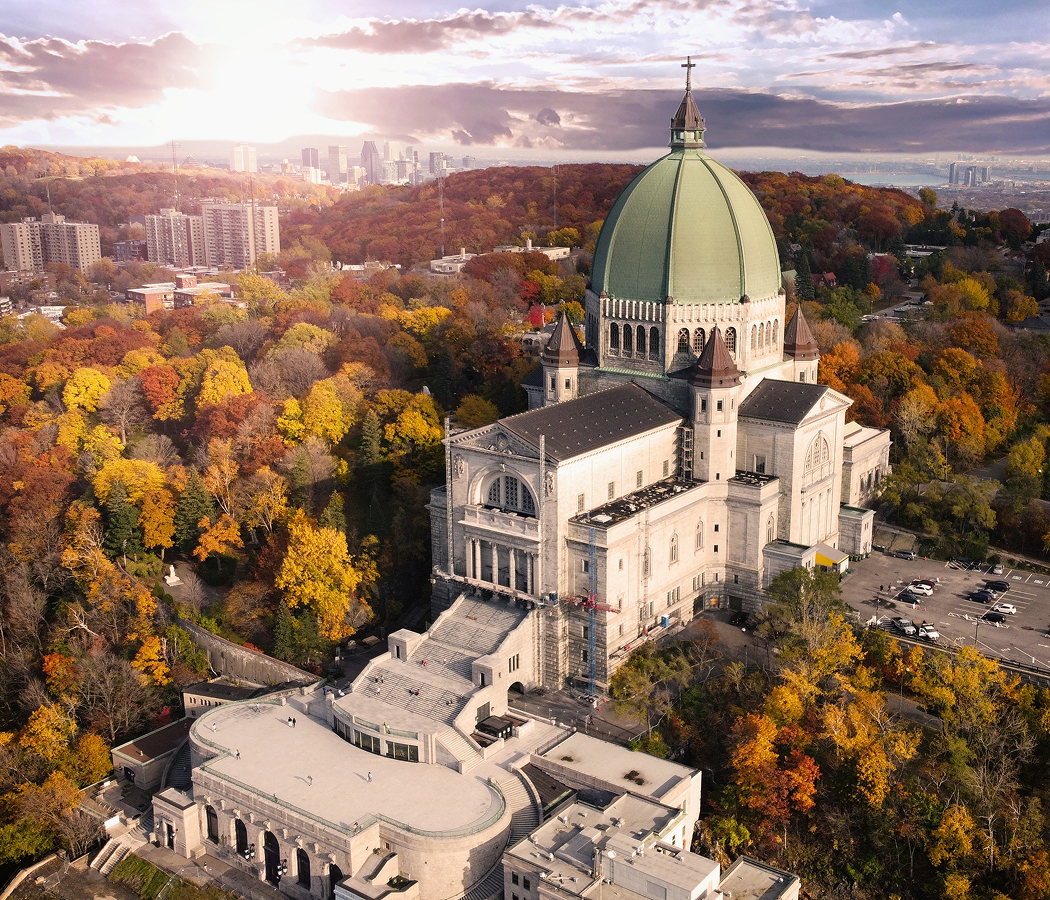
Why The Westin Resort & Spa Whistler matters.
The Westin Resort & Spa Whistler is a defining mountain resort where Whistler's alpine recreation culture meets Olympic history, Coast Mountain geography and the village's transformation into one of North America's premier year-round destinations.
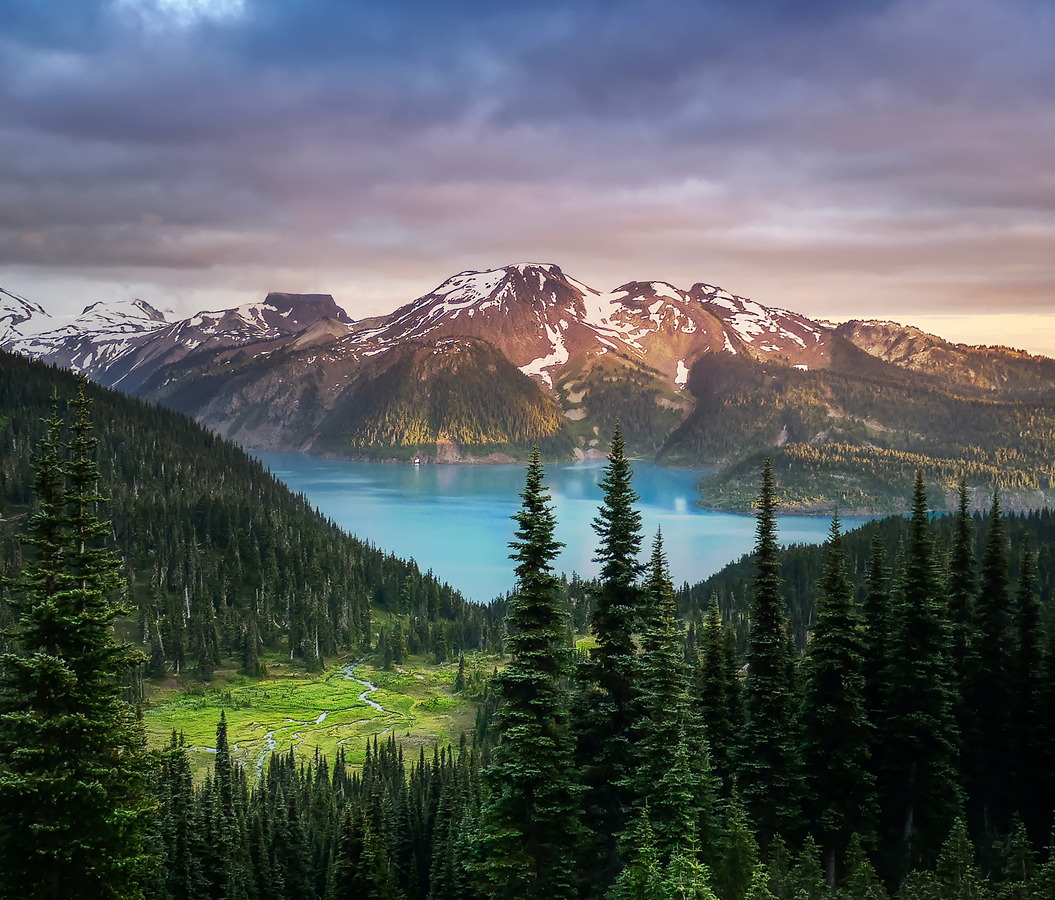
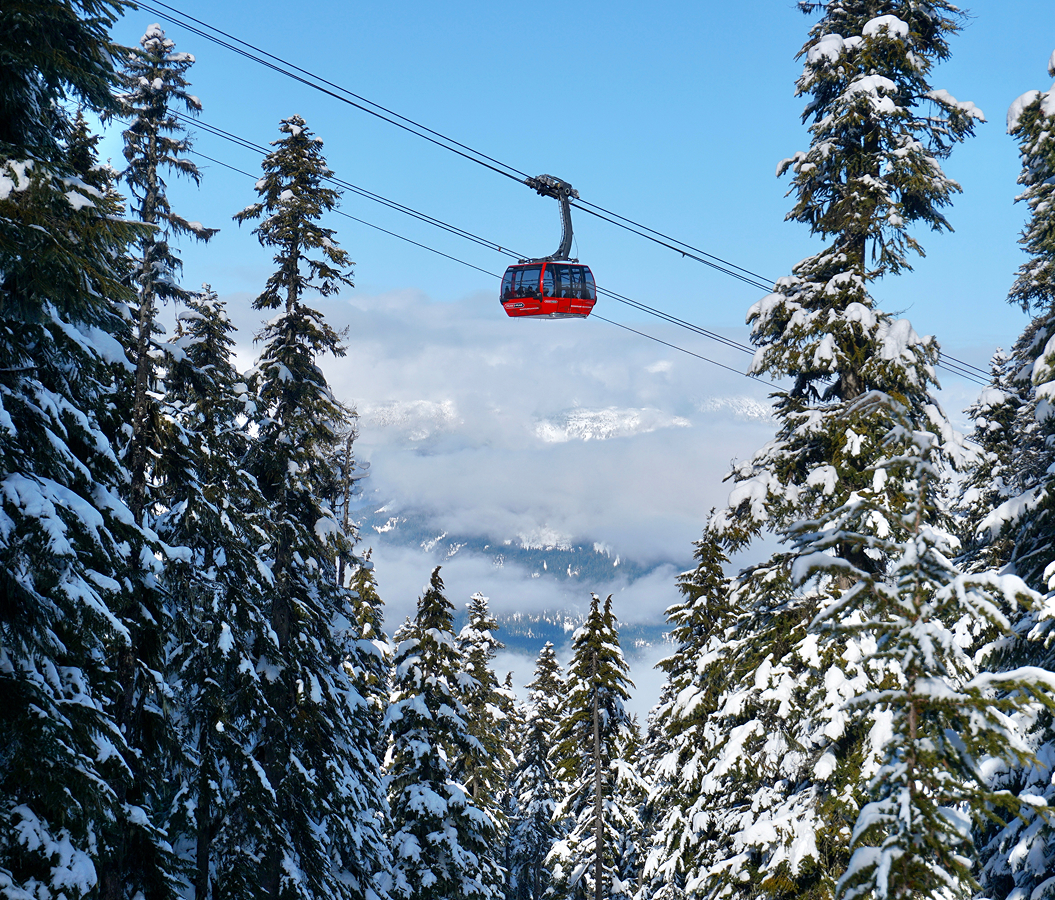
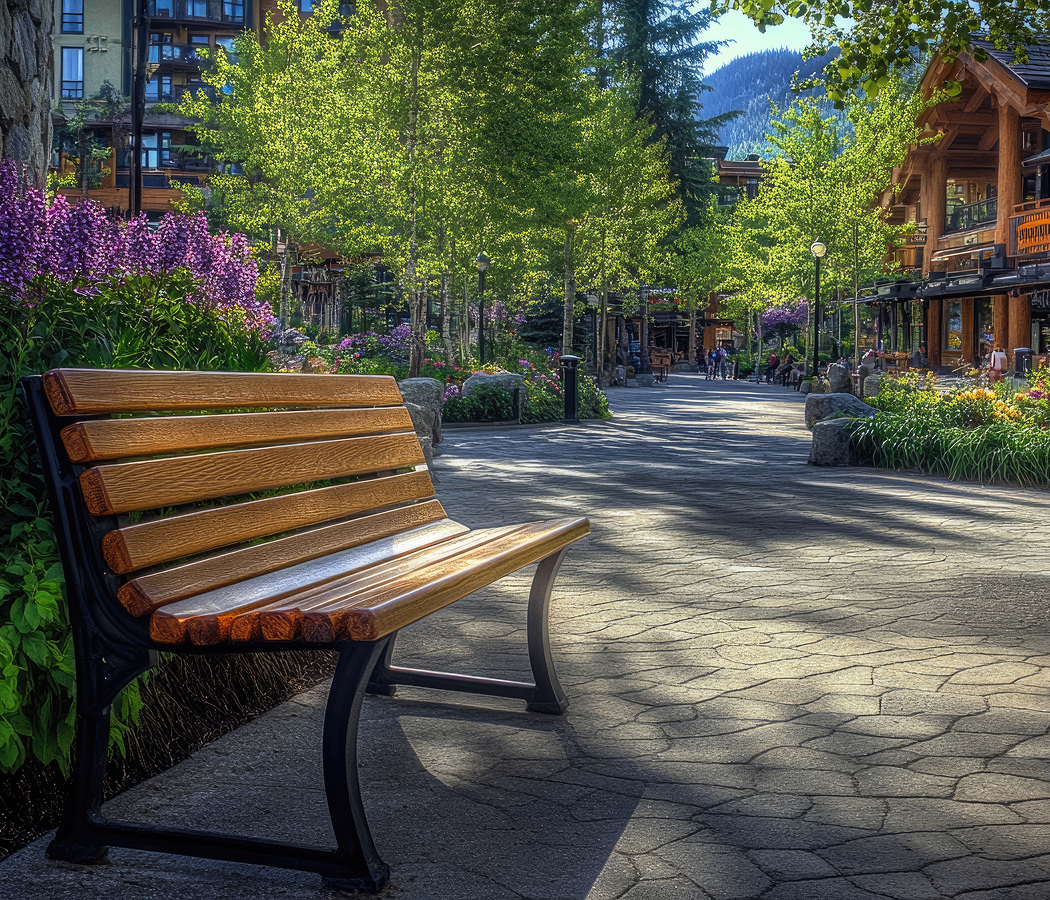
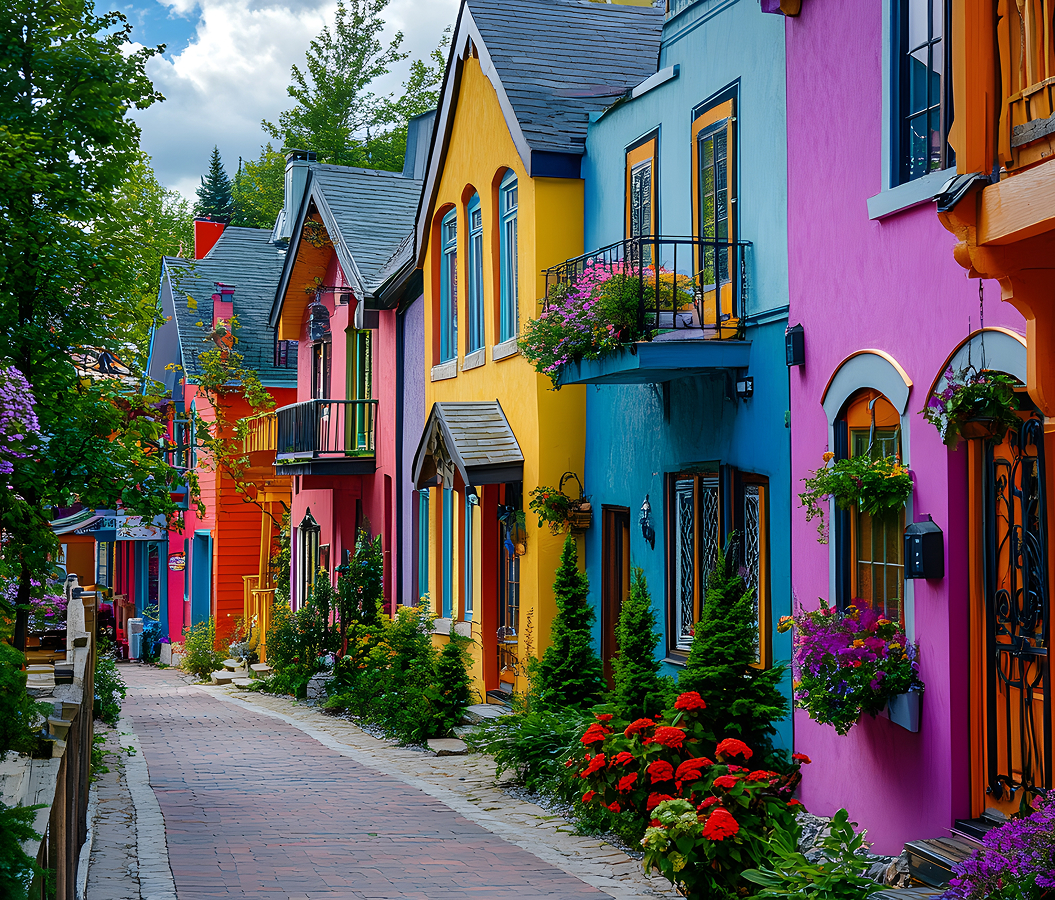
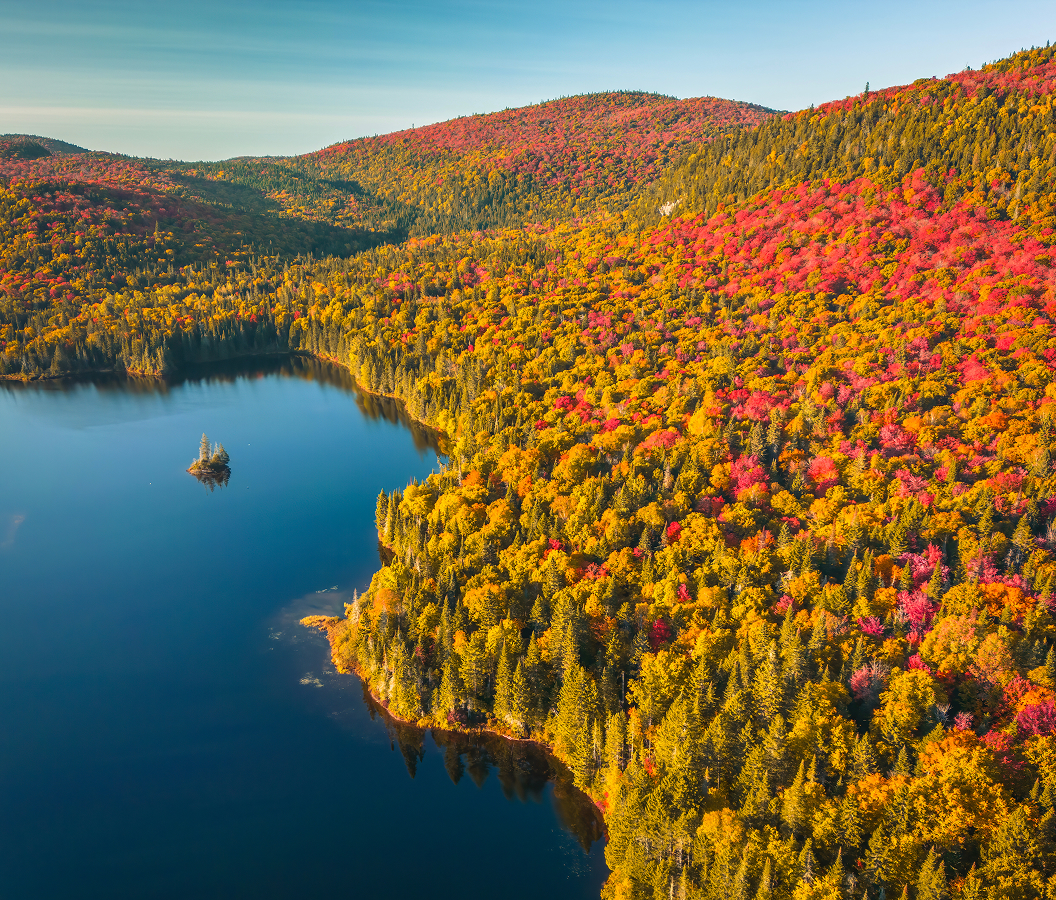
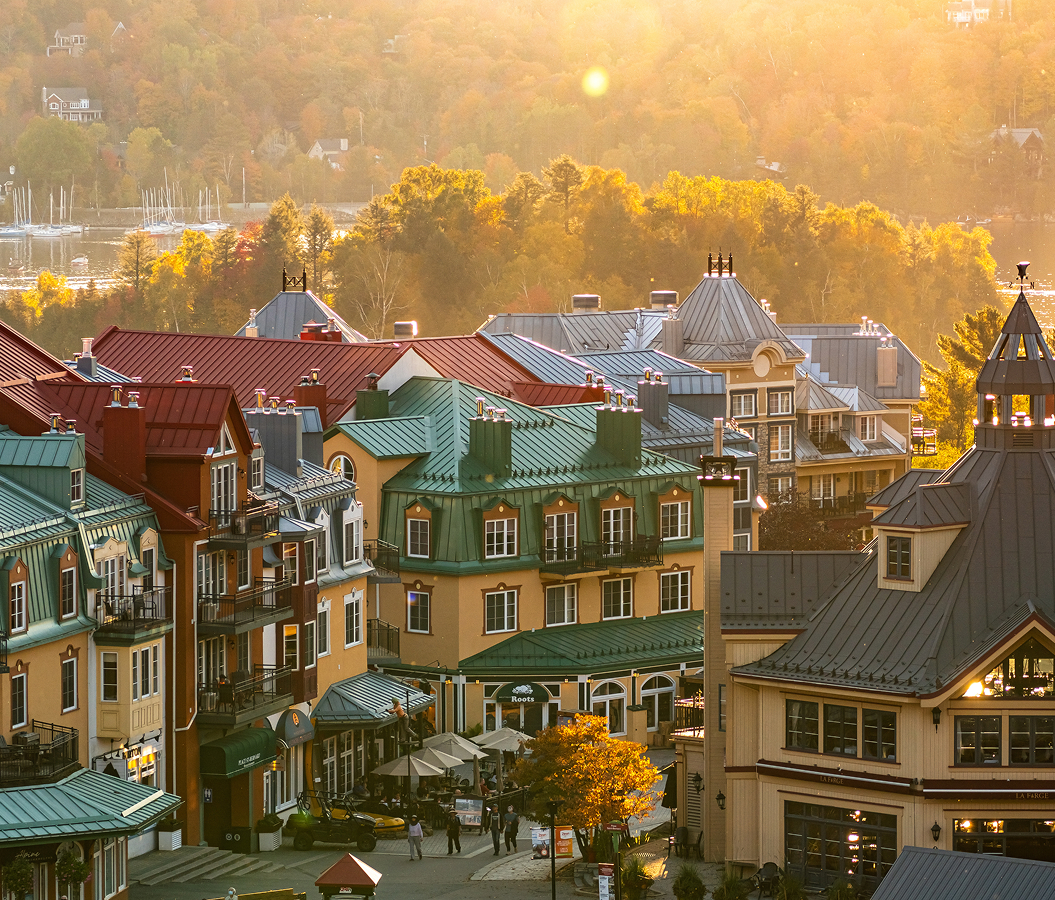
Set at the base of Whistler Mountain beside Whistler Village, The Westin Resort & Spa Whistler occupies a position between the gondola lifts, pedestrian village streets, Fitzsimmons Creek and the trails leading toward Lost Lake and the surrounding Coast Mountains. Its distinctive physical setting combines a residential-style resort, ski infrastructure, mountain slopes, forested valleys and a compact pedestrian center within one of British Columbia's most celebrated alpine landscapes. The mountains are encountered primarily through movement between the resort, lift plazas, village paths, ski runs, hiking trails, lakes and the roads leading toward Function Junction and the wider valley. A second atmosphere develops inside the property through restaurants, lounges, fireplaces, spa spaces, fitness facilities, indoor pools and event rooms that provide a warm refuge from snow, rain and the open mountain climate. The result is an exceptional alpine resort whose architecture and setting connect Whistler's outdoor culture, Olympic history, village life and dramatic Coast Mountain environment.
What defines The Westin Resort & Spa Whistler.
The Westin Resort & Spa, Whistler originated during a defining period in the development of British Columbia's international mountain tourism industry, introducing a substantial luxury hospitality complex as Whistler prepared for a new century of year-round resort expansion. The property's development emerged from the transformation of Whistler Village into a sophisticated pedestrian resort community, a process initiated during the 1970s under the direction of the Resort Municipality of Whistler and its associated development authorities. The establishment of Whistler Village as a planned commercial and recreational center created opportunities for major hospitality investments that would connect the growing ski destination with international hotel brands. Vancouver-based Cressey Development Group participated in this expansion through a major mixed-use project incorporating hotel accommodations, commercial premises, restaurants and conference facilities. The development introduced an important relationship between privately owned resort real estate and internationally managed hospitality, reflecting the condominium-hotel ownership structures that became prominent in British Columbia's mountain tourism economy. Architectural practice Bingham + Hill Architects contributed to the project's design, establishing a substantial alpine hospitality complex whose pitched roofs, articulated elevations and stone-clad elements interpreted the architectural style of Whistler's developing resort village. The property's structural composition integrated multiple accommodation wings with commercial and recreational facilities, creating a coordinated development whose construction responded to the demanding climatic conditions of the Coast Mountains. Cressey's involvement extended into the commercial component, with the developer retaining an ownership interest in retail, dining and event premises associated with the resort. The Westin Resort & Spa, Whistler officially opened on April 3, 2000, introducing a full-service luxury hotel during a period of growing international recognition for Whistler Blackcomb. Its opening established one of the resort community's most substantial condominium-hotel developments, incorporating individually owned accommodation units into a professionally managed international hospitality operation. This ownership structure became an important feature of the property's institutional history, connecting private investors with the commercial responsibilities of hotel management, maintenance and brand representation. The resort's architectural program incorporated extensive conference facilities, strengthening Whistler's capacity to accommodate corporate gatherings, professional conventions and international events beyond the traditional winter tourism season. Its development also coincided with the expansion of mountain biking, summer recreation and cultural programming, supporting the broader transformation of Whistler into a destination with substantial year-round economic activity. The property's international significance increased following the International Olympic Committee's decision in July 2003 to award the 2010 Winter Olympic and Paralympic Games to Vancouver and Whistler. The successful bid accelerated investment in regional transportation, resort infrastructure and international visitor services, bringing unprecedented attention to Whistler's hospitality industry. During the Olympic period, the resort participated in the accommodation infrastructure supporting one of Canada's most consequential international sporting events, strengthening its relationship with the destination's global identity. The Westin brand's subsequent corporate evolution introduced another institutional milestone when Marriott International acquired Starwood Hotels & Resorts Worldwide in September 2016, incorporating the property into Marriott's international hospitality portfolio. The resort's physical infrastructure underwent a substantial program of building-envelope maintenance under the direction of JRS Engineering and Murphy Construction, addressing the long-term effects of mountain precipitation, snow accumulation and seasonal temperature changes. The engineering work proceeded through six phases over five years, incorporating improvements to exterior cladding, flashing systems, roof drainage and snow management. These interventions reflected the technical demands of maintaining a large alpine hospitality complex in a climate characterized by substantial winter snowfall and prolonged exposure to moisture. The property's condominium ownership organization subsequently undertook negotiations concerning the long-term management and operation of the resort, establishing a revised institutional structure for its continued development. An agreement negotiated in late 2025 extended the property's relationship with Marriott and hospitality management company Aimbridge through a new 25-year arrangement. The agreement incorporated C$10.25 million in contributions toward a substantial accommodation renovation, including commitments of C$8 million from Marriott and C$2.25 million from Aimbridge. The resulting redevelopment program commenced in May 2026, establishing a two-phase transformation of the resort's accommodation interiors. Renovation of the East Tower was scheduled through November 2026, followed by the West Tower between April and November 2027. The program introduced renewed kitchens, bathrooms, bedrooms and interior finishes, extending the property's residential hospitality philosophy into a contemporary architectural interpretation. The Westin Resort & Spa, Whistler represents an important chapter in the evolution of Canadian mountain hospitality through its condominium ownership structure, international hotel management, relationship with Olympic-era development and continuing adaptation to the demands of a major four-season alpine destination.
Executive Chef Elliot Brass's connection with the Canadian Rockies and British Columbia's mountain communities gives The Westin Resort & Spa, Whistler a distinctive culinary expression of the outdoor culture that defines its broader hospitality philosophy. Brass began his professional career in Canmore, Alberta, developing an early understanding of the relationship between mountain tourism, regional ingredients and the substantial culinary traditions associated with Canada's western provinces. His training at the Rimrock Hotel in Banff established a foundation in international resort hospitality, followed by professional experience in the United Kingdom at Champneys in Tring and under celebrated French chef Raymond Blanc. Brass arrived in Whistler in 2003, subsequently working at Fairmont Chateau Whistler and operating a restaurant in Squamish before joining the Westin culinary team in 2011. His appointment as executive chef in 2022 brought this combination of international technique and regional experience into the leadership of Grill & Vine, whose culinary character emphasizes the agricultural and maritime resources of the Pacific Northwest. The restaurant's approach develops a relationship between contemporary Canadian cooking and the restorative priorities associated with active mountain travel, connecting ingredient quality with balanced preparation and substantial seasonal flavors. British Columbia's coastal fisheries contribute a distinctive maritime dimension through salmon and other regional seafood, whose preparation emphasizes natural richness, careful temperature control and complementary acidity. The province's agricultural valleys contribute vegetables, mushrooms and carefully raised meats, allowing the kitchen to develop a culinary style shaped by the geographical diversity of western Canada. Brass's experience in classical European kitchens informs the technical discipline underlying these preparations, connecting the direct character of regional ingredients with controlled cooking and carefully composed accompaniments. Grill & Vine's open kitchen reinforces this philosophy through a visible relationship between culinary craftsmanship and the social atmosphere of contemporary resort dining. The restaurant's seasonal approach complements Westin's Eat Well program, which places nutritional balance and ingredient quality within a broader interpretation of restorative hospitality. FireRock Lounge develops another expression of Whistler's mountain culture through the social traditions of après-ski, connecting contemporary cocktails and informal dining with the communal rituals that follow outdoor recreation. Its fireplace-centered atmosphere introduces a distinctive relationship between architectural warmth and the physical demands of alpine activity, establishing an environment suited to conversation after skiing, hiking or mountain biking. The resort's residentially conceived accommodations extend this restorative philosophy through private fireplaces, kitchens and the Westin Heavenly Bed, bringing the practical comforts of an alpine residence into the service structure of an international hotel. These interiors support the extended rhythms of mountain travel, accommodating early departures, changing outdoor conditions and periods of relaxation within a coordinated residential environment. Westin's wellness philosophy develops a complementary relationship between physical exertion and restoration through the WestinWORKOUT fitness program, whose approach emphasizes maintaining established exercise routines during travel. The resort's indoor and outdoor swimming environments introduce another restorative dimension through warm water, mountain air and the contrasting physical character of interior and exterior spaces. The Spa at Whistler extends this relationship through massage, body treatments and personalized therapeutic services, connecting mighty recovery with the physical demands of skiing, snowboarding and other mountain activities. The property's proximity to the Whistler and Blackcomb gondolas gives these wellness traditions a practical relationship with the daily organization of alpine recreation, allowing outdoor activity and restorative hospitality to form a continuous pattern throughout the day. Ski valet services contribute to this operational philosophy by simplifying the movement of equipment between the hotel and mountain facilities, supporting the practical demands of an internationally recognized winter sports destination. During the warmer months, the same hospitality infrastructure accommodates hiking, cycling and outdoor exploration, reflecting Whistler's evolution into a year-round center of mountain recreation. The resort's defining character ultimately emerges through the relationship between residential comfort, Pacific Northwest gastronomy, après-ski culture and restorative wellness, establishing The Westin Resort & Spa, Whistler as a distinctive expression of Canadian alpine hospitality shaped by the active traditions of the Coast Mountains.
How The Westin Resort & Spa Whistler fits.
The Westin Resort & Spa Whistler works as the starting point for an exploration connecting Whistler's Olympic history, its alpine ecology and the cultural institutions and public landscapes that define the resort community.
Begin at Whistler Olympic Plaza, the central public square where lawns, sculptures, performance spaces and the Olympic rings preserve the legacy of the 2010 Winter Games. The plaza occupies the heart of Whistler Village and connects the resort's pedestrian streets with the mountains, restaurants and public spaces that shape everyday community life. Its design demonstrates how an international sporting event became part of the permanent civic character of the valley. Continue to Audain Art Museum, the contemporary cultural institution where Indigenous art, historical collections, modern exhibitions and a distinctive timber-and-glass building create a major artistic presence within the mountain resort. The museum's collections connect British Columbia's First Nations traditions with the wider history of Canadian art and place cultural education within a landscape otherwise dominated by outdoor recreation. Its architecture responds to the forested setting through wood, stone, controlled light and carefully framed views. Continue to Lost Lake Park, the forested recreational landscape where trails, wetlands, beaches, mountain views and a small alpine lake provide a quieter encounter with Whistler's natural environment. The park lies close to the village while preserving a strong sense of distance from the resort district through mature conifers, water, wildlife habitat and winding paths. Its trails reveal the ecological systems that support the valley beyond ski slopes and built development. Conclude at Whistler Mountain, the alpine summit landscape where gondolas, ski runs, hiking routes, snowfields and elevated viewpoints present the full geography of the resort and surrounding Coast Mountains. The mountain's slopes form the physical foundation of Whistler's winter economy while continuing to support summer hiking, sightseeing and scientific appreciation of alpine terrain. Its elevation provides broad views across the valley, Blackcomb Mountain, forests, lakes and distant ranges. The progression moves from Whistler Olympic Plaza's civic and Olympic landscape through Audain Art Museum's cultural institution, continues across Lost Lake Park's forest and wetland environment and concludes at Whistler Mountain, where the resort's sport, art, ecology and alpine geography meet.
Where your story begins.
Foresyte Travel reveals places that feel extraordinary long before you arrive.
Enjoy editorial crafted for luxury travelers.
Foresyte may earn a commission when you book.