Why Thien Tam Restaurant matters.
Thien Tam Restaurant is a tranquil vegetarian restaurant where The Junction's independent commercial character meets Vietnamese cooking, pan-Asian traditions and a plant-focused approach to familiar regional dishes.
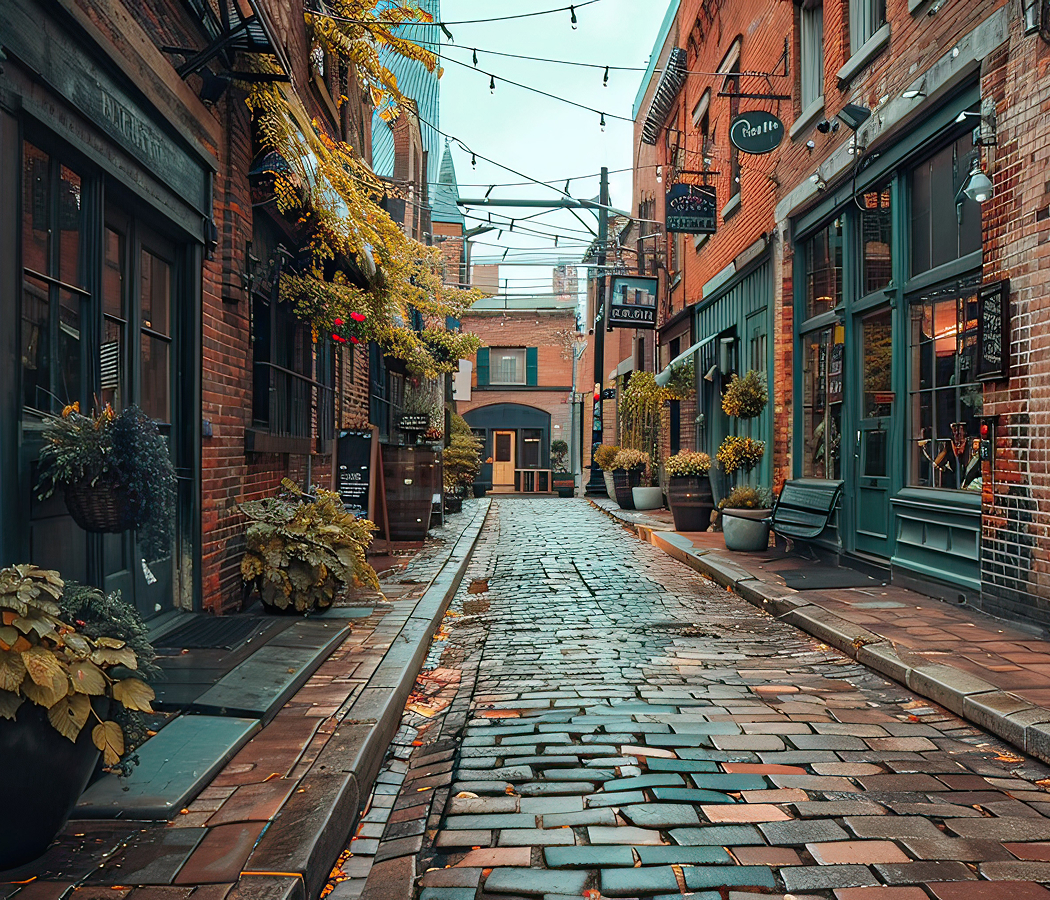
Set along Dundas Street West near Keele Street and just east of the neighborhood's principal commercial crossroads, the restaurant occupies a storefront within the historic West Toronto Junction, with Annette Street extending north, High Park opening south and the railway corridors that shaped the district running beyond its eastern edge. Bamboo screens divide deep upholstered booths beneath pendant lighting, creating smaller dining zones within the long interior. East Asian decorative elements, wood surfaces and dense greenery give the room a composed visual character tied closely to the restaurant's vegetarian philosophy. The dining room remains deliberately subdued as bowls of noodles, curries, rice dishes and shared starters move across the tables. The result is a calm Junction restaurant whose Vietnamese foundation and wider Asian repertoire give plant-focused cooking a substantial place within Dundas West's independent dining culture.
What defines Thien Tam Restaurant.
Thien Tam Restaurant is best known for translating Vietnamese, Thai and Japanese dishes into an extensive vegetarian and vegan repertoire under the guiding phrase “Ăn Lành - Sống An,” linking wholesome eating with peaceful living. The restaurant arrived in The Junction in summer 2023, with its grand opening announced for the final weekend of August. Its Vietnamese owner and chef placed Vietnamese cooking at the center of a broader Asian program, and the opening selection already stretched from Vietnamese crepes and phở to Thai curries and ramen. Vegetarian preparations define the operation, with vegan versions extending through much of the selection. Vietnamese noodle traditions remain particularly prominent through phở, Huế spicy noodle soup and other rice-noodle preparations. Thai cooking expands the range through tom yum, papaya salad, pad kee mao and multiple curries, with Japanese influence entering through ramen and udon. The combination gives the restaurant a specific culinary premise: established Asian dishes are reconstructed around tofu, mushrooms, vegetables and plant-based proteins without narrowing the range of regional forms represented on the table.
Huế Spicy Noodle Soup builds thick round vermicelli around a lemongrass-satay broth carrying mushrooms, tofu, vegan ham and assorted plant-based proteins, preserving the dish's defining combination of heat, aromatic citrus and substantial noodle texture. Vietnamese bánh xèo takes another route through crisp rice batter folded around mung beans, bean sprouts, onions, vegan meat and vegan prawns, with cucumber, lettuce and herbs bringing freshness against the fried shell. Tom yum develops galangal, lemongrass, chili and lime leaves around vegetables, tofu and seafood mushrooms, and som tam combines shredded green papaya with long beans, cherry tomatoes, Thai chili, tamarind, lime, roasted peanuts and dried shallot. Tan tan ramen shifts toward a creamy broth carrying egg noodles, chickpeas, bok choy, bamboo shoots, corn, broccoli, mushrooms and seaweed. Pad kee mao completes the cross-regional range through flat rice noodles stir-fried with basil, Thai chili, long beans, peppers, tofu and plant-based protein, giving Thien Tam a culinary depth built through distinct Asian preparations with their core aromatic structures intact.
How Thien Tam Restaurant fits.
Thien Tam Restaurant works as the dining anchor for a West Toronto outing connecting the railway infrastructure that created The Junction, an industrial tower converted into a major contemporary-art institution and the nineteenth-century estate from which High Park emerged.
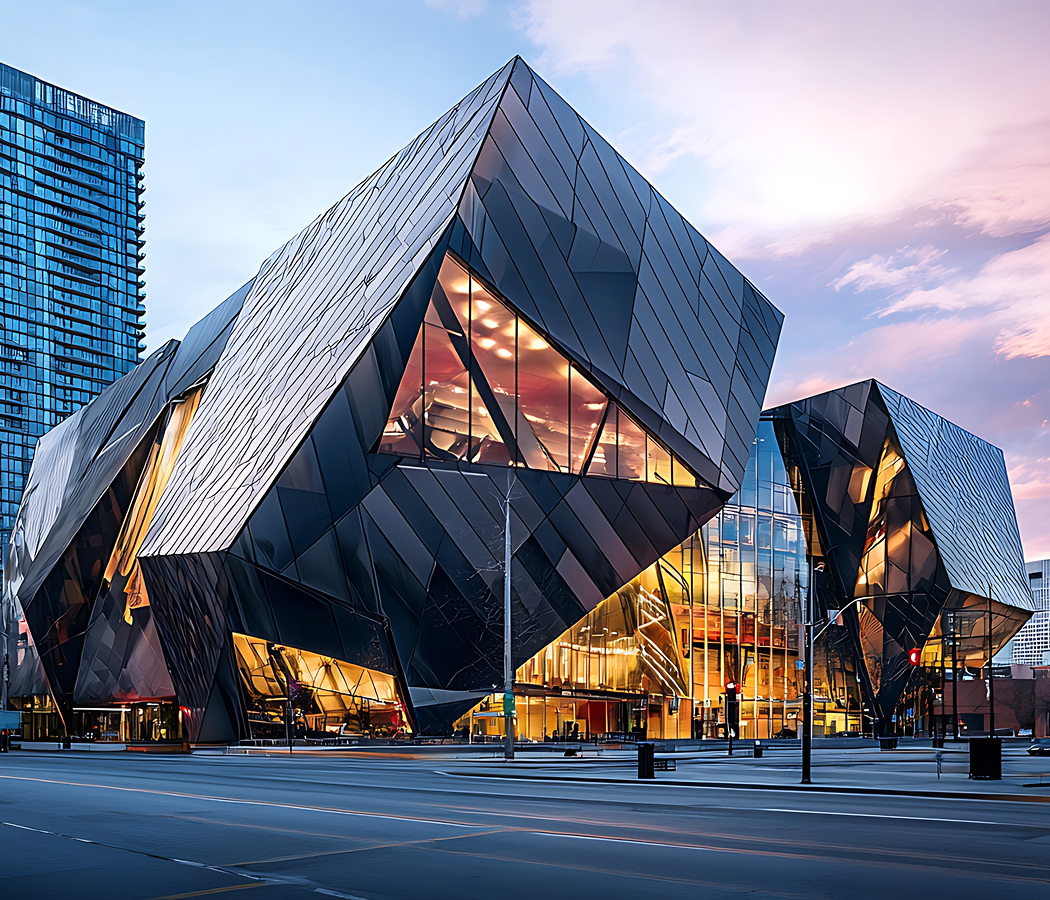
Begin at West Toronto Railpath, whose present route occupies transportation ground with a history extending far beyond its 2009 conversion into a public trail. The corridor follows an Indigenous travel route between the Davenport trail system and the lands around the Humber, then became part of the Toronto, Grey and Bruce Railway opened through this territory in the 1870s. Canadian Pacific acquired that railway in the 1880s, and intersecting lines from the Grand Trunk, Credit Valley and other companies created the rail junction that supplied the surrounding district with its name and industrial purpose. The former Toronto, Grey and Bruce alignment eventually became the Old Bruce service track before its conversion into the Railpath, whose first phase incorporated landscape design by Scott Torrance, architecture by Brown+Storey and permanent works by artist John Dickson. Continue to Museum of Contemporary Art Toronto, occupying the first floors of the former Tower Automotive Building, a ten-storey industrial structure completed in 1919 to designs by Winnipeg architect John W. Woodman. The building rose as one of Toronto's tallest structures and employed an innovative flat-slab concrete system that eliminated supporting beams, creating large industrial floors for manufacturing. Its factories produced aluminum goods during the Second World War and subsequently turned out kitchen implements, bottle caps and automobile components before industrial operations ended in 2006. MOCA moved into the restored building in 2018 after an earlier institutional life that had encompassed more than 1,100 Canadian and international artists and over 200 exhibitions, carrying the district's manufacturing architecture into a new cultural era. Conclude at Colborne Lodge, the Regency scenic cottage John and Jemima Howard built in 1837 on the wooded estate they had purchased the previous year. Howard arrived from England in 1832, became Toronto's first city surveyor in 1834 and designed the cottage as both a country residence and a setting for the couple's paintings, architectural drawings and inventions. The original three-room structure expanded through the nineteenth century, and the Howards ultimately transferred 165 acres to Toronto through a process beginning in 1873, stipulating that the property remain freely available to citizens as High Park. The city subsequently enlarged the grounds to 399 acres, leaving the Howards' home and surviving collections at the center of the park's origin story. The progression moves from a transportation corridor that generated West Toronto's industrial growth through the conversion of a manufacturing tower into a contemporary-art institution and culminates at the private estate transformed into one of Toronto's great public landscapes, placing Thien Tam within three successive chapters of the city's western expansion.
Where your story begins.
Foresyte Travel reveals places that feel extraordinary long before you arrive.
Enjoy editorial crafted for luxury travelers.
Foresyte may earn a commission when you book.