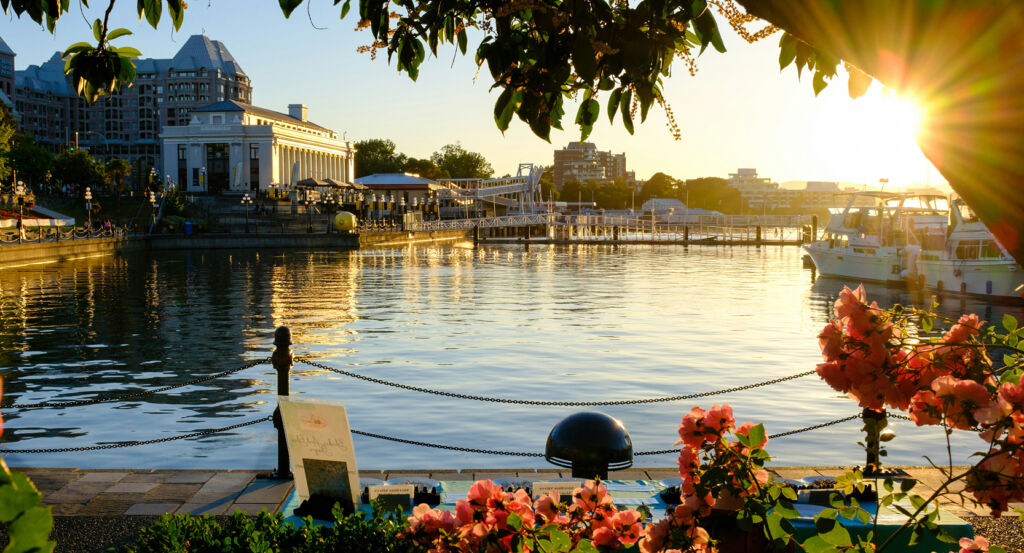
Why you should experience Victoria Hotel Rialto in Victoria, British Columbia.
Victoria Hotel Rialto is a character-rich urban stay where heritage architecture, intimate scale, and a lived-in sense of history create an experience that feels textured, grounded, and distinctly human.
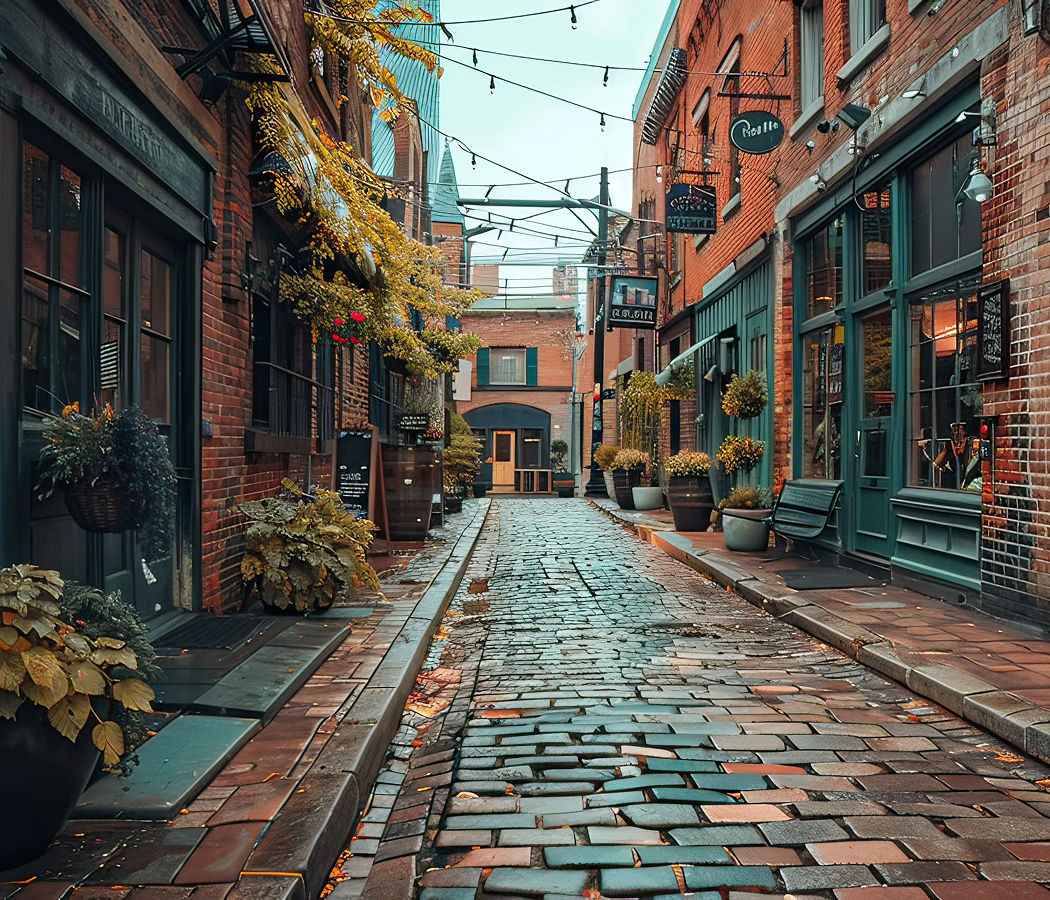
Set within one of Victoria's oldest surviving commercial buildings, the hotel establishes its character immediately through presence. You arrive into a structure that has absorbed more than a century of city life, and that history registers quietly in the walls, proportions, and atmosphere. The Rialto does not attempt to smooth away its past. Instead, it allows age, material, and patina to shape the experience. Step inside and the mood is warm and intimate. Public spaces feel narrow in the best way, encouraging awareness and slowing movement. Brick, wood, and industrial details carry a sense of continuity rather than nostalgia, creating an environment that feels authentic rather than themed. There is a subtle energy here, as though the building remembers conversations, arrivals, and departures long before the own. Guest rooms extend this sense of character. They are thoughtfully composed, balancing historic texture with modern comfort. Beds are supportive and inviting, positioned as places of rest after days spent walking the city's older streets and harbour edges. Windows often frame street life below, keeping you connected to Victoria's rhythm. Interiors favor rich tones, tactile materials, and restrained furnishings that let the building's bones remain visible. Bathrooms are compact but well-designed, supporting routine. What defines the Victoria Hotel Rialto experience is intimacy. It feels personal rather than expansive, deliberate rather than generic. This is a place that invites you to lean in rather than spread out, encouraging presence and attention to detail in both the space and the city beyond it.
What you should know about Victoria Hotel Rialto.
Victoria Hotel Rialto quietly functions as a bridge between the city's working past and its contemporary creative life, offering a stay that feels embedded.
The building dates back to the late 19th century, originally serving as part of Victoria's early commercial fabric when the city was shaping its character as a port and trading hub. That lineage matters. It gives the hotel a density that newer properties cannot replicate. Floors feel solid. Walls feel substantial. Sound behaves differently. Over time, this physical weight creates a sense of grounding that subtly changes how you experience the city. You feel less like a visitor passing through and more like someone temporarily inhabiting a long-standing place. Another understated strength of the Rialto is its scale. With fewer rooms and a more intimate footprint, the hotel fosters a sense of familiarity that often disappears in larger properties. Movement through the building becomes intuitive. Staff interactions feel personal. This human scale encourages slower rhythms and deeper awareness. Service reflects this sensibility. Interactions are warm, present, and grounded, often shaped by genuine knowledge of the surrounding neighborhood. Recommendations tend to lean toward places that feel lived-in, places where locals actually spend time, rather than highlights designed for quick consumption. The hotel's connection to food and drink further reinforces its rootedness. Dining spaces feel integrated into the building's character rather than appended to it, creating moments that feel social and grounded rather than staged. Architecturally, the Rialto avoids the temptation to over-restore or over-modernize. It allows imperfections to remain visible, trusting that authenticity carries its own authority. Over multiple days, guests often realize that the hotel's greatest strength lies in how it changes their pace. You walk slower. You notice more. The city feels layered rather than packaged, and your experience deepens as a result.
How to fold Victoria Hotel Rialto into your trip.
Victoria Hotel Rialto works best when you allow it to serve as a textured anchor, shaping your Victoria experience through proximity, intimacy, and return.
Begin your mornings gently. Wake to the muted sounds of the city coming alive outside your window, and let the day unfold. Step out onto nearby streets while shops are opening and cafés are filling slowly, allowing the neighborhood to guide your movement. Walk toward the Inner Harbour, noticing how architecture shifts block by block, revealing layers of history and use. Because the hotel is centrally located, returning midday feels natural. Come back to rest, reset, or simply sit quietly before heading out again. This rhythm transforms exploration into a series of smaller, more intentional movements. Afternoons can expand toward museums, waterfront walks, or quieter residential areas, guided by curiosity. Evenings benefit from the hotel's intimate scale. Dine nearby or on site, then return to a space that feels familiar and grounded as the city settles into night. The transition back to the hotel feels gentle rather than abrupt, allowing the day to close with ease. Over multiple days, a pattern emerges that feels personal. Mornings open slowly, afternoons explore with intention, and evenings settle. You stop trying to capture Victoria all at once and begin experiencing it as a place with depth and continuity.
Where your story begins.
Foresyte Travel reveals places that feel extraordinary long before you arrive.
Experience premium editorial crafted for luxury travelers.