Why Ringstrasse matters.
Ringstrasse is an expansive Inner City boulevard where Innere Stadt's imperial grandeur, nineteenth-century urban planning, architectural masterpieces, and cultural institutions showcase one of Europe's greatest ceremonial avenues.
Running through Innere Stadt between the Danube Canal and the former city fortifications, this grand circular boulevard unfolds past world-renowned museums, palaces, theaters, parks, universities, government buildings, and grand civic monuments that collectively demonstrate the extraordinary ambition of imperial Vienna. Expansive Historicist architecture, sweeping tree-lined promenades, elegant public gardens, and richly ornamented façades create an unforgettable journey through the political, artistic, and intellectual heart of Austria's capital. Every section reveals another masterpiece of nineteenth-century city building. The result is a boulevard experience defined by architectural excellence, imperial history, and one of the world's most influential urban planning achievements.
What defines Ringstrasse.
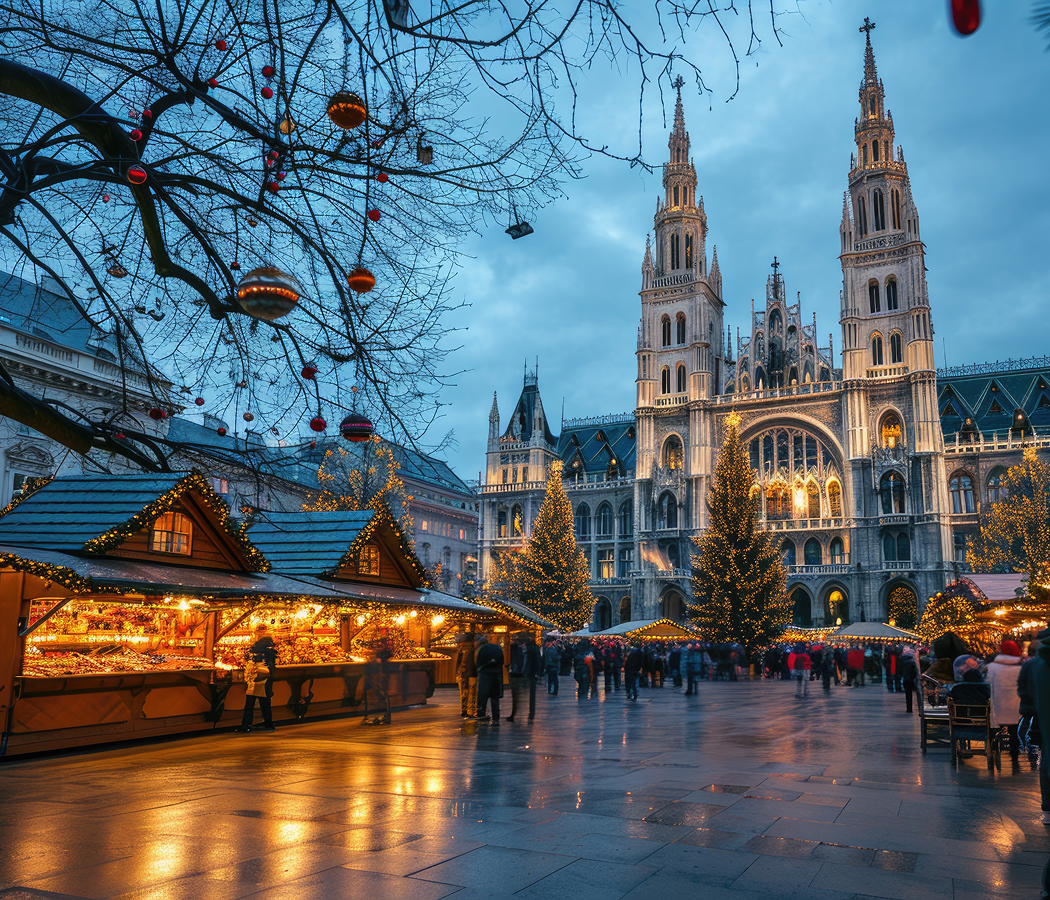
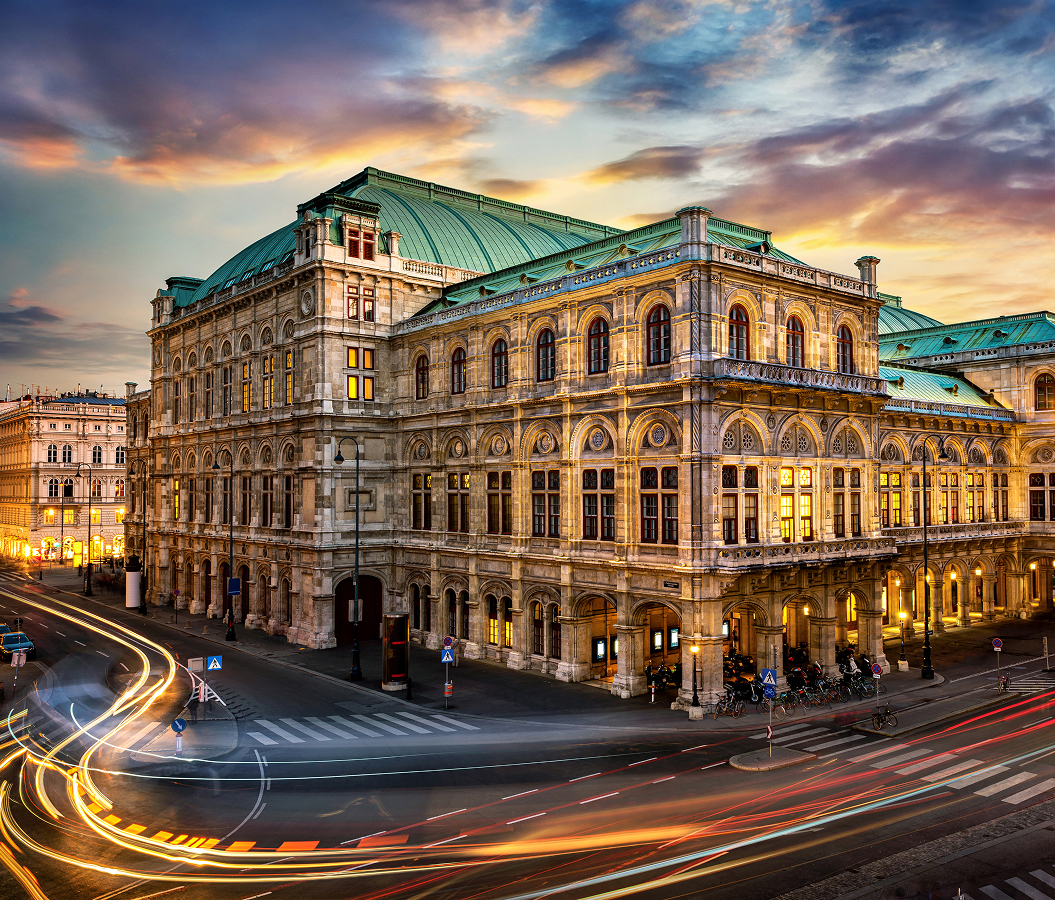
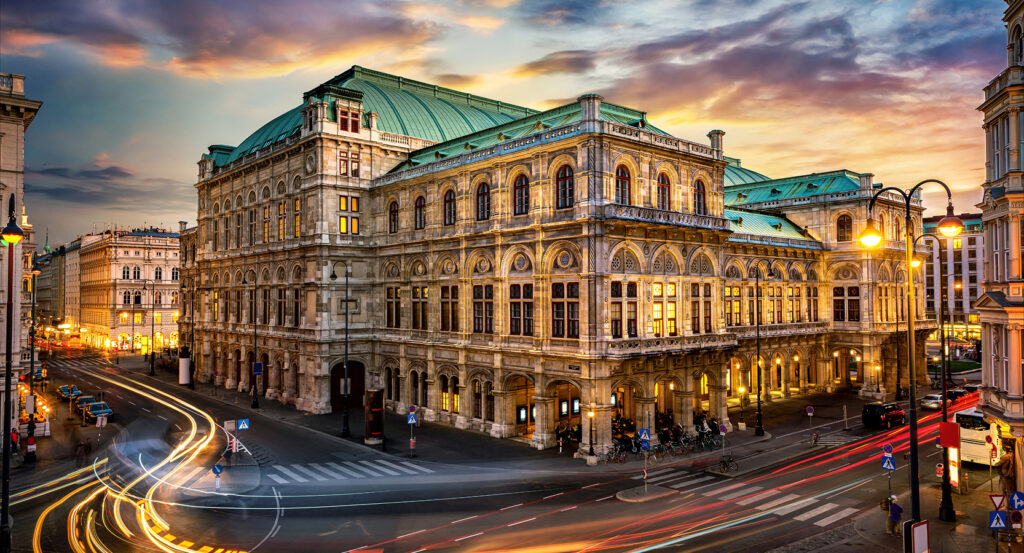
Ringstrasse is best known for emerging from Emperor Franz Joseph I's landmark decree of 20 December 1857, “Es ist Mein Wille” (“It is My Will”), which ordered the demolition of Vienna's obsolete medieval fortifications and initiated one of the most ambitious urban redevelopment projects in European history. Officially inaugurated on 1 May 1865, the 5.3-kilometer boulevard replaced the former defensive walls with an expansive civic axis that transformed Vienna into the ceremonial capital of the Austro-Hungarian Empire. Planned according to a comprehensive master plan by architects and urban planners including Ludwig Förster, August Sicard von Sicardsburg, Eduard van der Nüll, Theophil Hansen, Heinrich von Ferstel, Friedrich von Schmidt, and Gottfried Semper, the boulevard became an unparalleled showcase of Historicism, with successive Neo-Gothic, Neo-Renaissance, Neo-Baroque, and Classical Revival landmarks reflecting the cultural aspirations of the empire. Along its route rise internationally celebrated institutions including the Vienna State Opera, Parliament Building, Rathaus, University of Vienna, Burgtheater, Kunsthistorisches Museum, Naturhistorisches Museum, and Votive Church, creating one of the world's greatest concentrations of expansive nineteenth-century architecture. Landscaped medians, broad carriageways, horse-chestnut-lined promenades, public parks including Stadtpark and Burggarten, and carefully choreographed vistas established new international standards for grand boulevard design, influencing later urban projects from Budapest to Brussels and beyond. Today, Ringstrasse forms the architectural centerpiece of UNESCO's Historic Centre of Vienna, preserving an extraordinary synthesis of imperial planning, engineering, landscape architecture, and civic design that continues serving as Vienna's principal ceremonial boulevard while welcoming millions of visitors annually. Together, visionary urban planning, imperial patronage, architectural innovation, and exceptional preservation establish Ringstrasse as one of the greatest boulevard projects ever completed.
The boulevard continues demonstrating how comprehensive urban planning can shape a city's cultural character for generations by integrating government, education, culture, transportation, recreation, and expansive architecture into a unified civic landscape. Meticulous conservation, internationally celebrated institutions, enduring architectural integrity, and 170 years of continuous public life reinforce Ringstrasse's standing among the world's finest examples of nineteenth-century urban design and one of Europe's most influential ceremonial avenues.
How Ringstrasse fits.
Ringstrasse works as part of an exploration through Vienna's imperial core.
Begin at Vienna State Opera, where one of the world's premier opera houses introduces the architectural magnificence defining Ringstrasse before continuing along the boulevard. Continue to Parliament Building, whose expansive Greek Revival architecture exemplifies the extraordinary civic ambition that shaped imperial Vienna. Conclude at Rathaus, where Vienna's grand Neo-Gothic city hall provides a memorable finale celebrating the remarkable architectural diversity and urban vision that distinguish Ringstrasse from every other boulevard in Europe. The progression moves naturally from imperial performing arts to democratic institutions before concluding at Vienna's great civic centerpiece, revealing why Ringstrasse remains one of the world's greatest urban experiences.
Where your story begins.
Foresyte Travel reveals places that feel extraordinary long before you arrive.
Enjoy editorial crafted for luxury travelers.
Foresyte may earn a commission when you book.