Why you should experience Secession House in South Carolina.
Secession House is a pivotal historic landmark where Downtown Beaufort's political legacy, antebellum architecture, and Civil War history preserve one of South Carolina's most consequential sites.
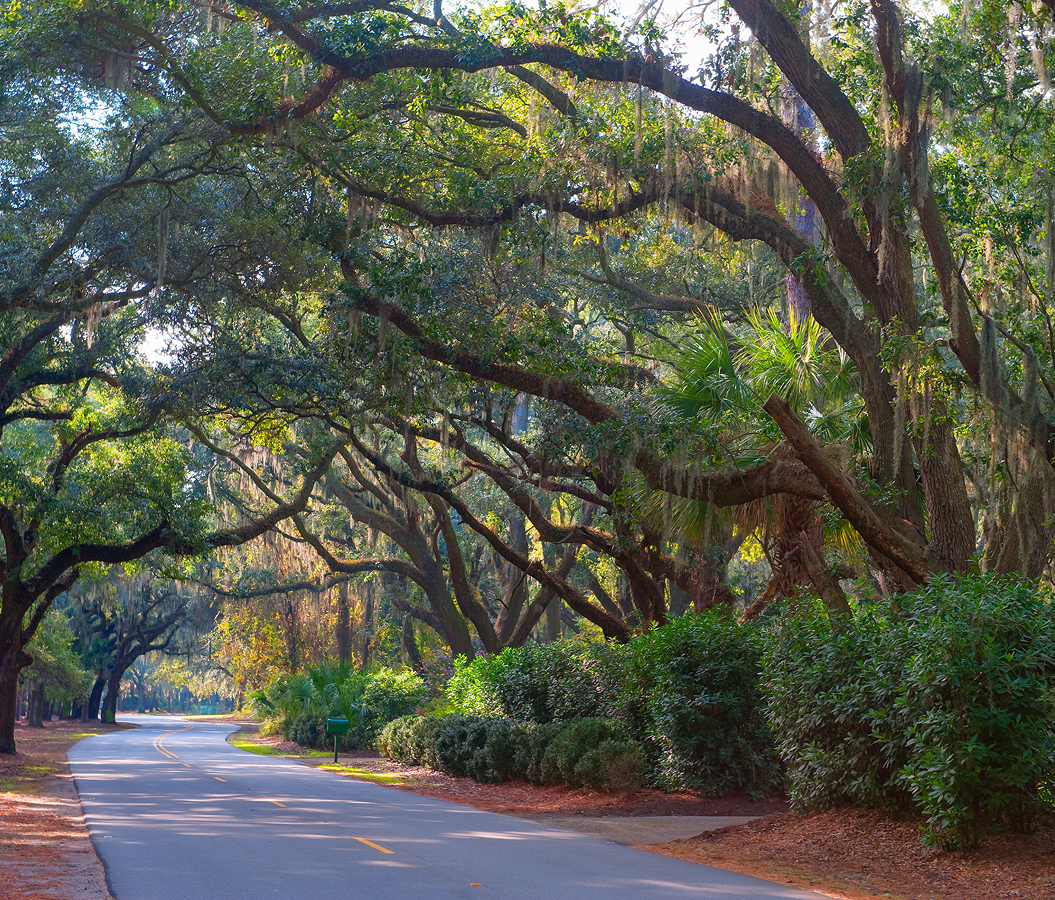
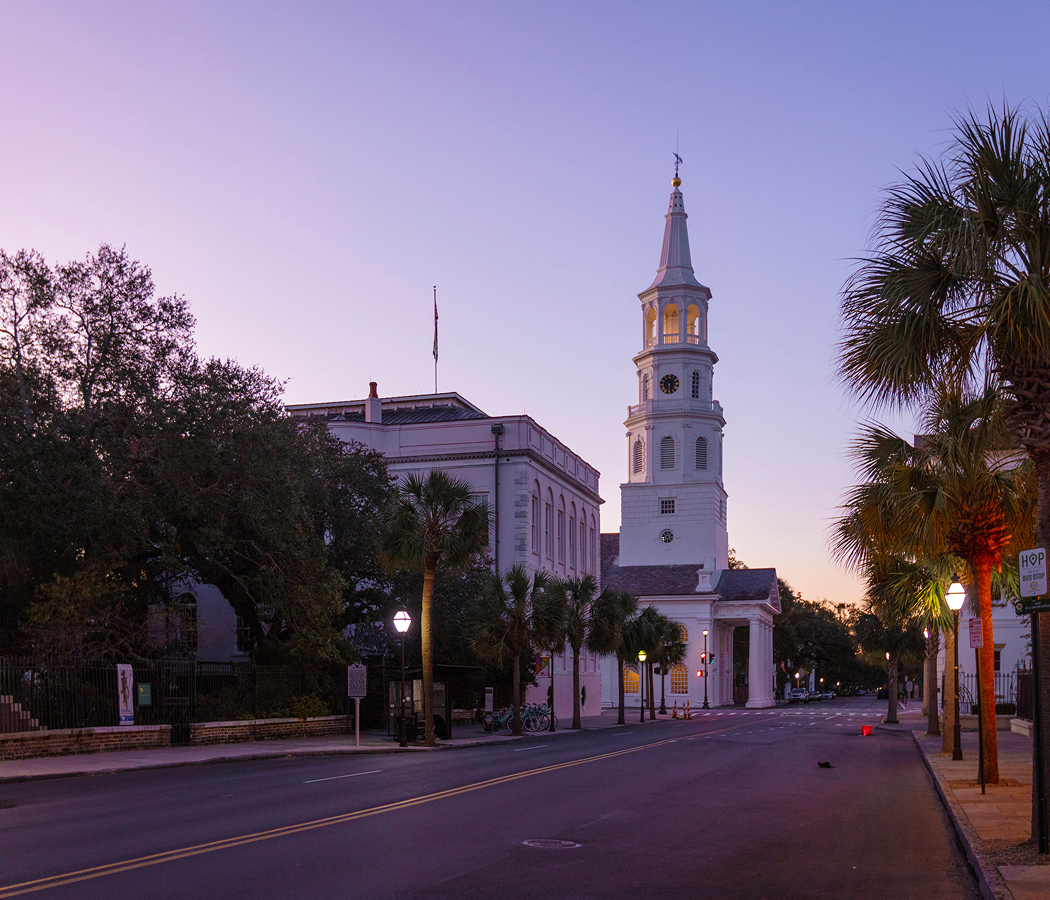
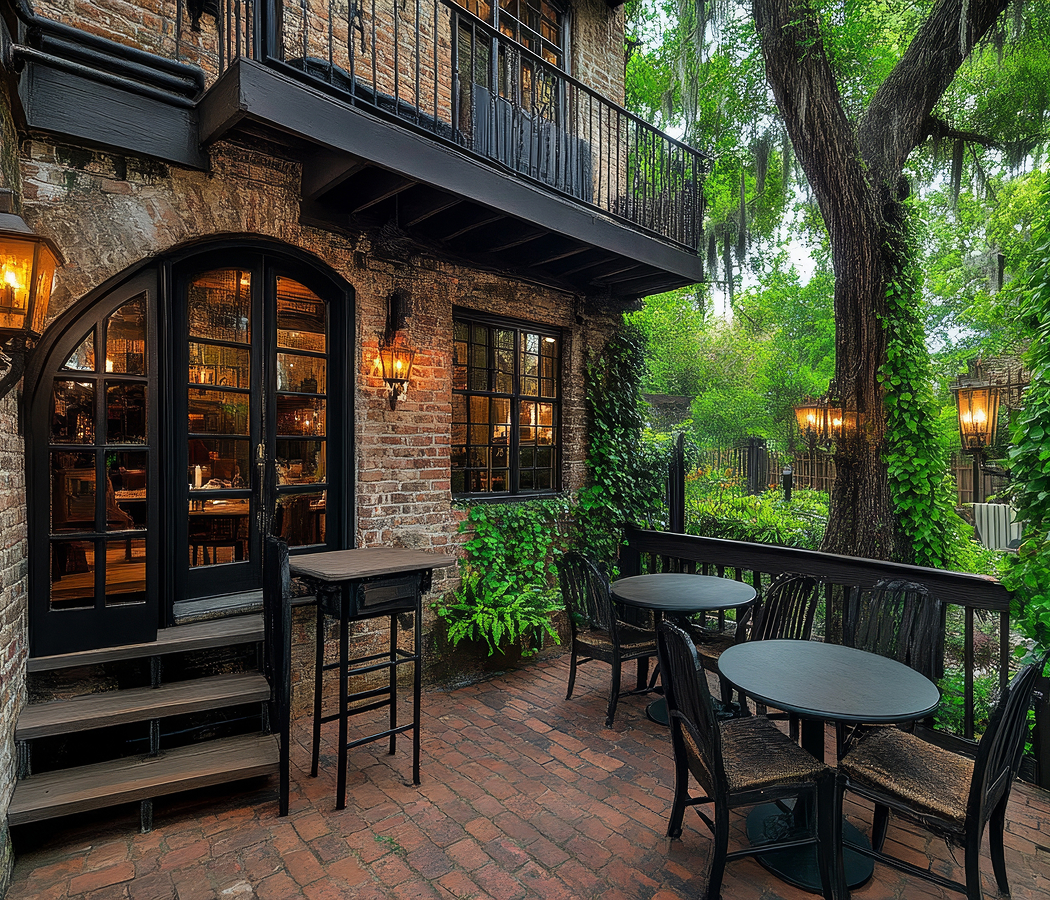
Set along Craven Street near Carteret Street and just steps from St. Helena Church, this distinguished nineteenth-century residence stands within Beaufort's beautifully preserved historic core, where elegant proportions, mature live oaks, and surrounding antebellum homes evoke the atmosphere of the South Carolina Lowcountry on the eve of the Civil War. Carefully maintained architectural details and an exceptional streetscape place visitors within one of the state's most historically significant settings. The result is an experience defined by political history, architectural preservation, and Beaufort's enduring national significance.
What you should know about Secession House.
Secession House is best known as the residence of Governor John Adam Kasson and, more importantly, as the home of Edmund Rhett, among the South's most uncompromising secessionists whose advocacy helped shape South Carolina's movement toward disunion during the years immediately preceding the Civil War. Constructed in 1813 for Captain John Joyner Smith, the Federal-style residence later became associated with Robert Barnwell Rhett, widely regarded as the “Father of Secession,” whose decades-long campaign for states' rights and Southern independence culminated in South Carolina becoming the first state to secede from the Union on December 20, 1860. The house occupies a prominent place within Beaufort's National Historic Landmark District, designated in 1973 for preserving more than 300 historically significant structures, while surviving the Union occupation of Beaufort beginning in November 1861 with remarkable architectural integrity that allows the residence to remain one of the city's most important surviving political landmarks. Its enduring association with one of the defining constitutional and political crises in American history continues making Secession House an essential site for understanding the ideological origins, leadership, and local influences that shaped the opening chapter of the Civil War.
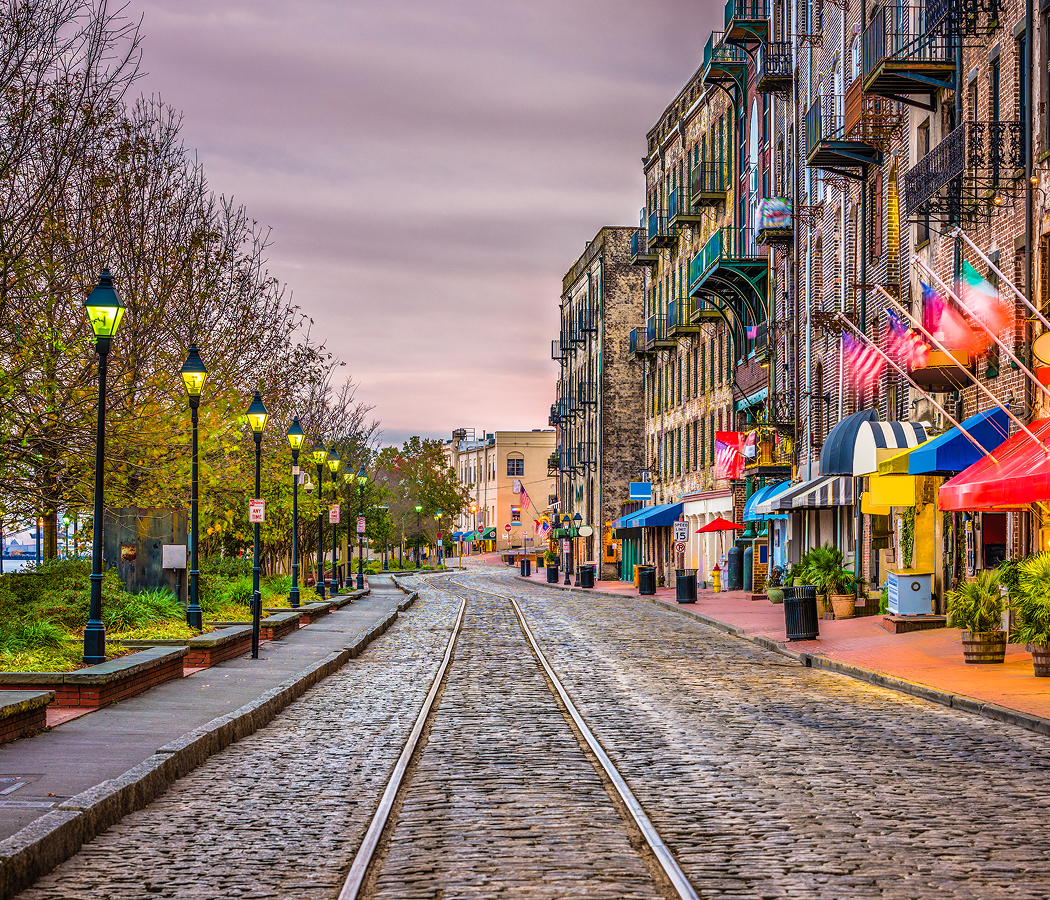
Federal-era brickwork, refined proportions, and carefully preserved architectural features provide a tangible setting for examining the personalities and political convictions that transformed South Carolina into the first state to leave the Union. Surrounding streets lined with antebellum residences, historic churches, and public buildings reinforce the remarkable preservation of Beaufort's nineteenth-century landscape, allowing the broader historical environment to illuminate the profound national consequences of the events and individuals associated with Secession House.
How to fold Secession House into your trip.
Secession House works as part of a walking exploration through Downtown Beaufort's celebrated political and architectural landmarks.
Begin at John Mark Verdier House Museum, where Beaufort's prosperous antebellum history provides valuable context before continuing to Secession House to examine one of South Carolina's most consequential political landmarks. Continue to St. Helena Church, whose colonial origins deepen appreciation for the city's centuries-long historical development. Conclude at Henry C. Chambers Waterfront Park, where sweeping Beaufort River views provide a memorable finale celebrating the maritime setting that shaped Beaufort's commercial, political, and cultural importance. The progression moves naturally from antebellum prosperity to Civil War history before concluding along the waterfront that sustained Beaufort's rise as one of the South Carolina coast's most influential cities.
Where your story begins.
Foresyte Travel reveals places that feel extraordinary long before you arrive.
Experience premium editorial crafted for luxury travelers.