Why Atlantic Dunes matters.
Atlantic Dunes is a coastal golf course where Sea Pines' Lowcountry landscape meets Hilton Head's original golf layout, Davis Love III's modern reconstruction and a rare sequence reaching directly toward the Atlantic Ocean.
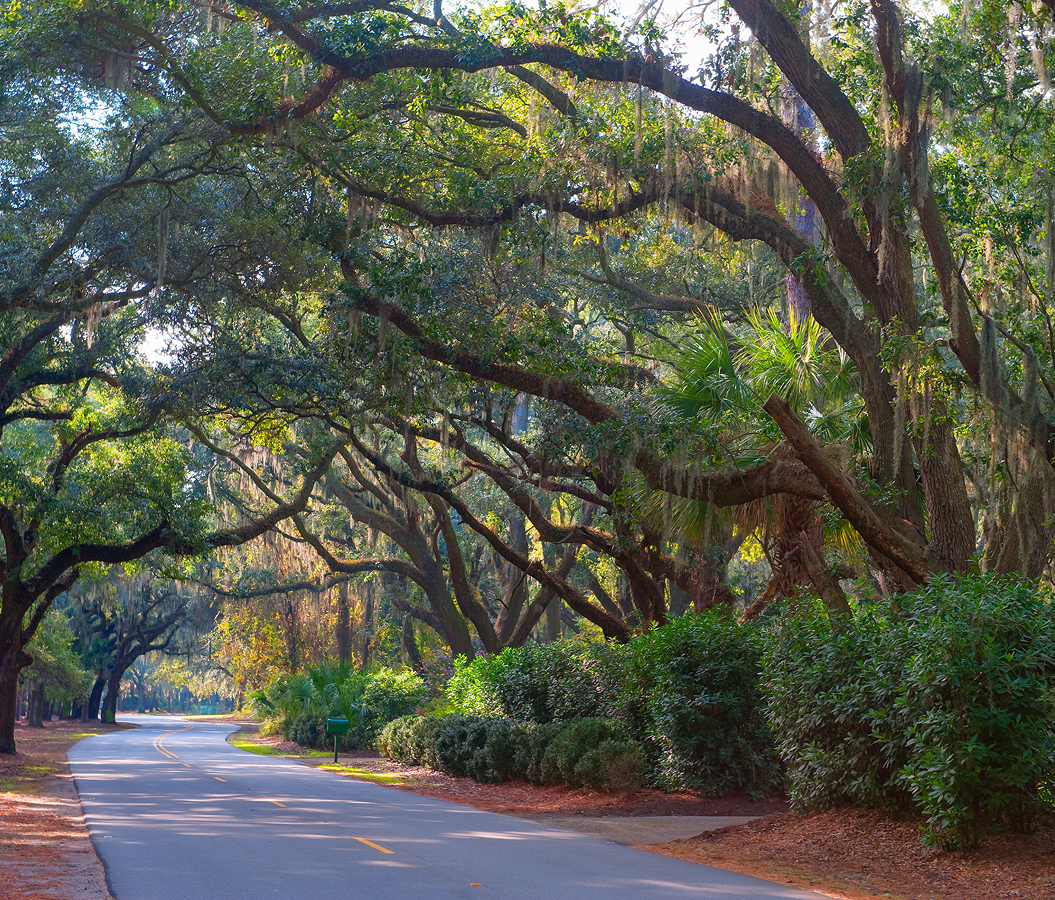
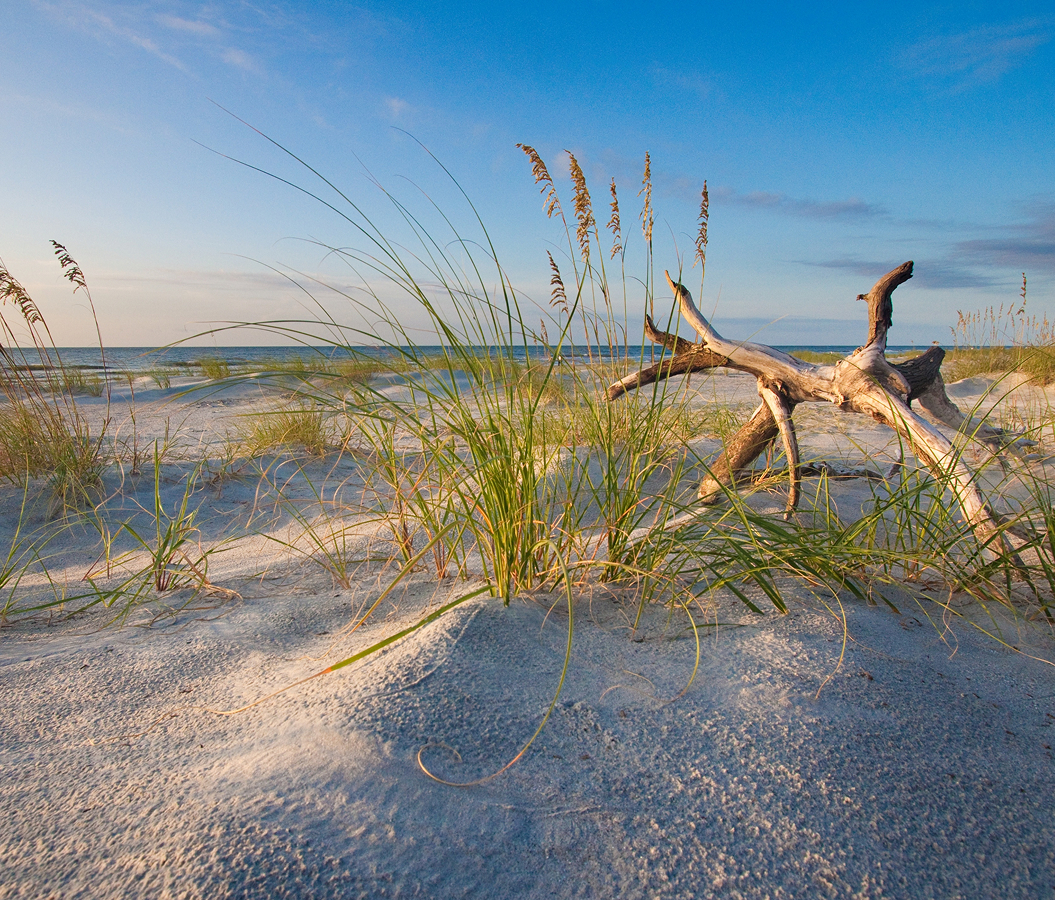
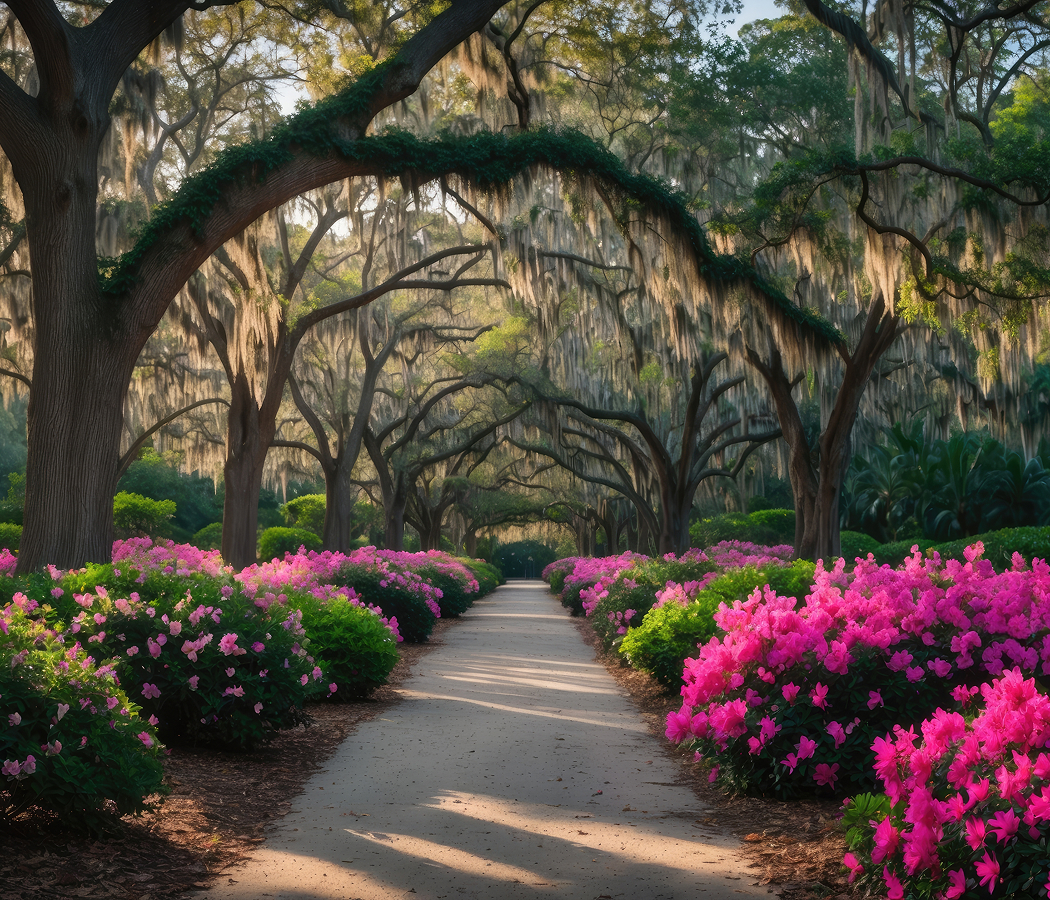
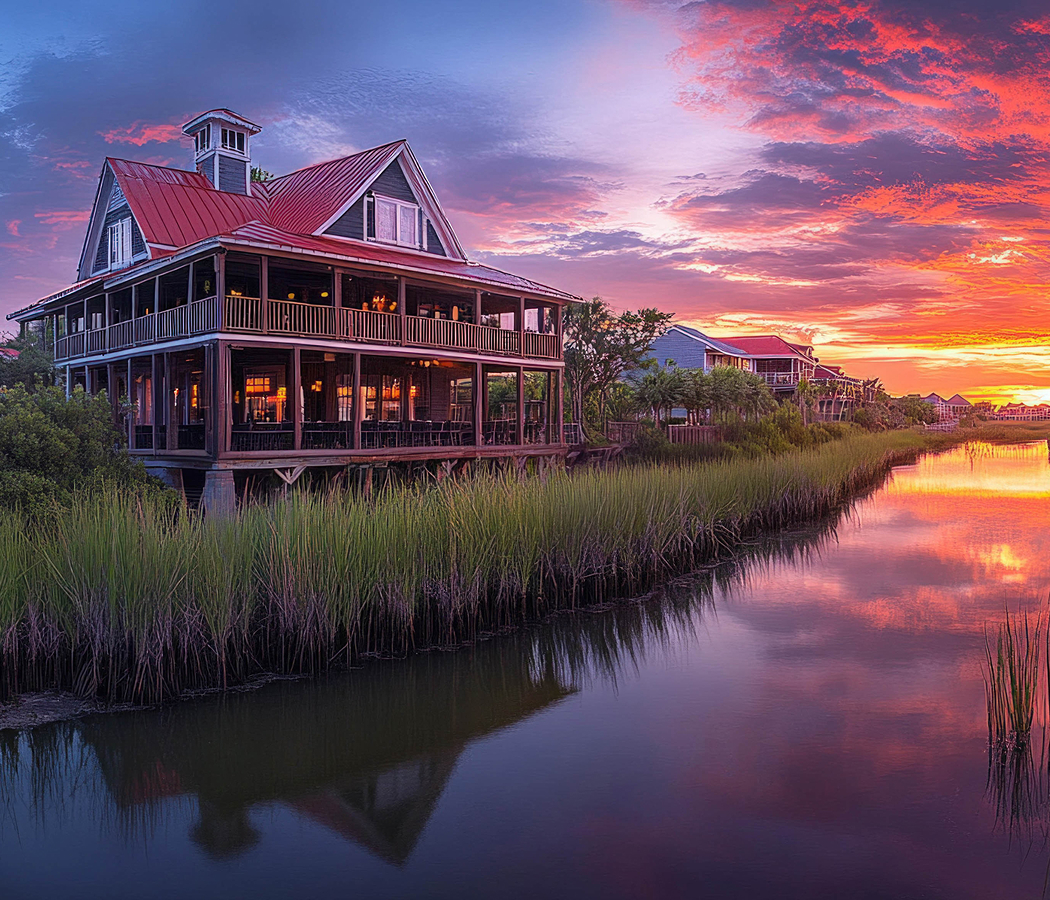
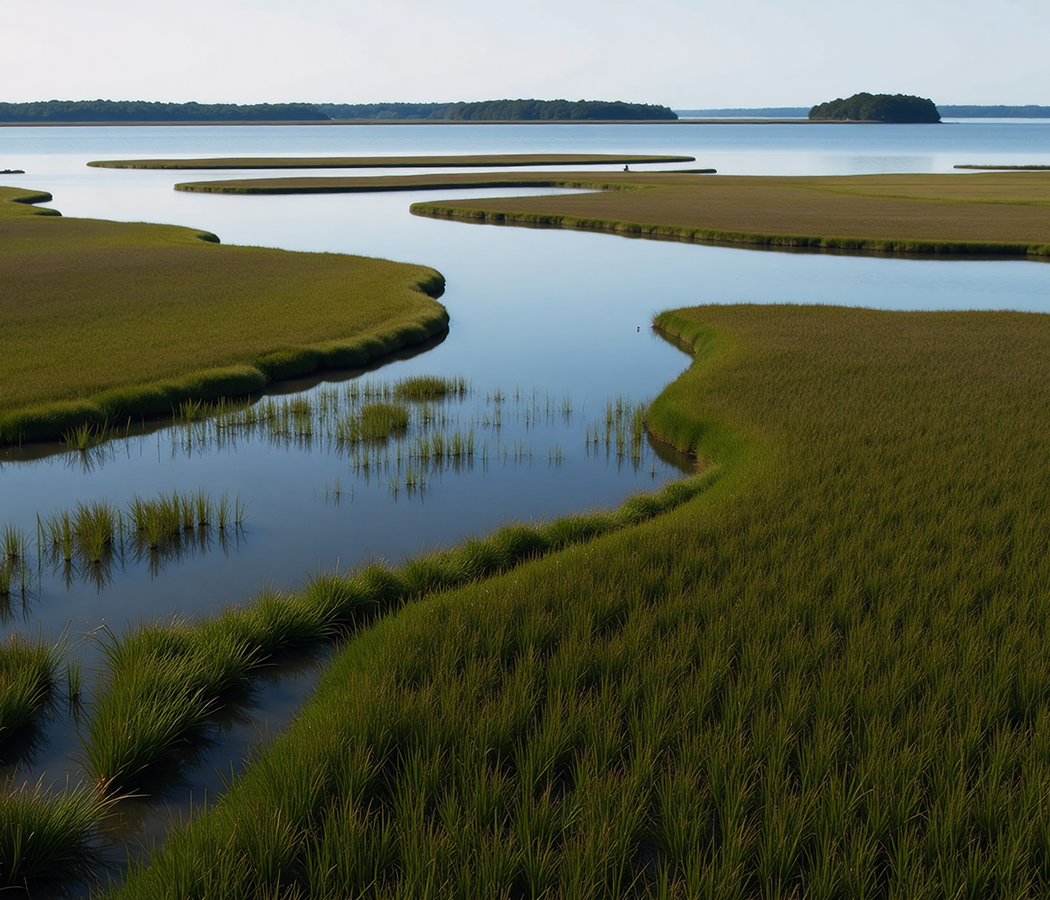
Set along North Sea Pines Drive near Greenwood Drive and just steps from Plantation Golf Club, the course occupies the ocean-facing interior of southern Sea Pines between the Atlantic shoreline and the maritime forests surrounding the Sea Pines Forest Preserve, with Calibogue Sound opening west beyond Harbour Town and the island narrowing south toward South Beach. Native pines and live oaks enclose portions of the routing before the closing third turns toward open coastal terrain, giving the course a marked transition from forest to dune landscape. Love Golf Design widened playing corridors through altered mowing lines and selective tree removal, then reinforced the seaside ground with restored dunes, crushed coquina and coastal grasses. The par-three 15th reaches the ocean edge with elevated tee and green positions exposing the Atlantic, making it one of only two oceanside golf holes on Hilton Head. The result is a 7,065-yard course whose forest corridors, sandy ground, lagoons and ocean-facing holes recast Hilton Head's earliest golf property through a distinctly Lowcountry design language.
What defines Atlantic Dunes.
Atlantic Dunes is best known for reconstructing the Ocean Course, the George Cobb layout that opened in 1962 as Hilton Head's first golf course and helped initiate the island's emergence as a golf destination. Sea Pines selected Davis Love III, whose five victories in the RBC Heritage gave him an unusually deep competitive relationship with the resort, to lead a comprehensive redevelopment through Love Golf Design. Love worked with his brother Mark Love and lead architect Scot Sherman, who spent much of the year-long project on Hilton Head as the team rebuilt the holes for contemporary shot values. Existing residential corridors constrained major routing changes, so the designers reshaped the course through wider mowing patterns, tree removal, larger greens, altered lagoon relationships and extensive reconstruction of individual holes. Tens of thousands of indigenous plants strengthened the coastal landscape, joined by coquina shells, seaside grasses and native pines and oaks. The course initially opened in October 2016, but Hurricane Matthew struck Hilton Head days later and forced Sea Pines into extensive cleanup before Atlantic Dunes reopened at the end of that month. Recognition followed rapidly: the South Carolina Golf Course Owners Association selected Atlantic Dunes as its 2017 Golf Course of the Year, and the National Golf Course Owners Association followed with its national honor for 2018. The course later received Certified Audubon Cooperative Sanctuary designation, extending its redevelopment beyond shot architecture into environmental management.
Love Golf Design gave the reconstructed course a strategic character built around width, angles and changing coastal exposure across a par-72 routing. The opening hole presents a broad fairway beside a lagoon, then directs the approach toward a green guarded by front-left bunkering and a ridge capable of feeding shots across the putting surface. The 13th narrows the target through a lagoon beside the smallest green on the course, requiring the drive to favor the left side for a stronger approach angle. Hole 14 turns decisively toward the coast through a wide par-five fairway and a partially concealed punchbowl green embedded among dunes and bunkers. The following par three reverses direction toward the Atlantic, stretching to 205 yards from the Love tees across raised coastal ground. Love, Mark Love and Sherman also substantially rebuilt holes 10, 11, 17 and 18, enlarged greens throughout the course and reduced the punitive influence of several lagoons for less accomplished players. Those changes preserve the geographical logic of Cobb's original corridors yet give individual shots more width, alternative angles and stronger interaction with the wind, sand and vegetation of the island's ocean edge.
How Atlantic Dunes fits.
Atlantic Dunes works as the anchor for a Sea Pines outing connecting four millennia of Indigenous occupation, the rice plantation landscape that preceded resort development and Charles Fraser's creation of a harbor conceived as the social center of his new community.
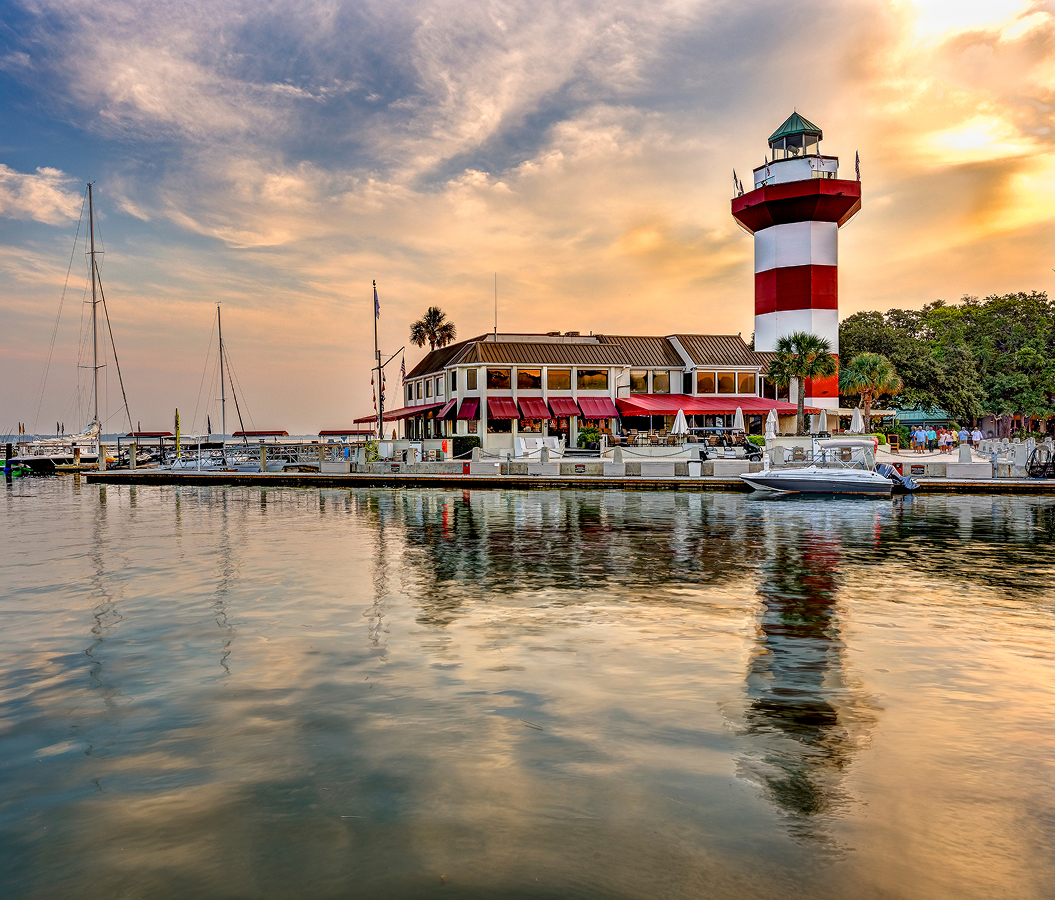
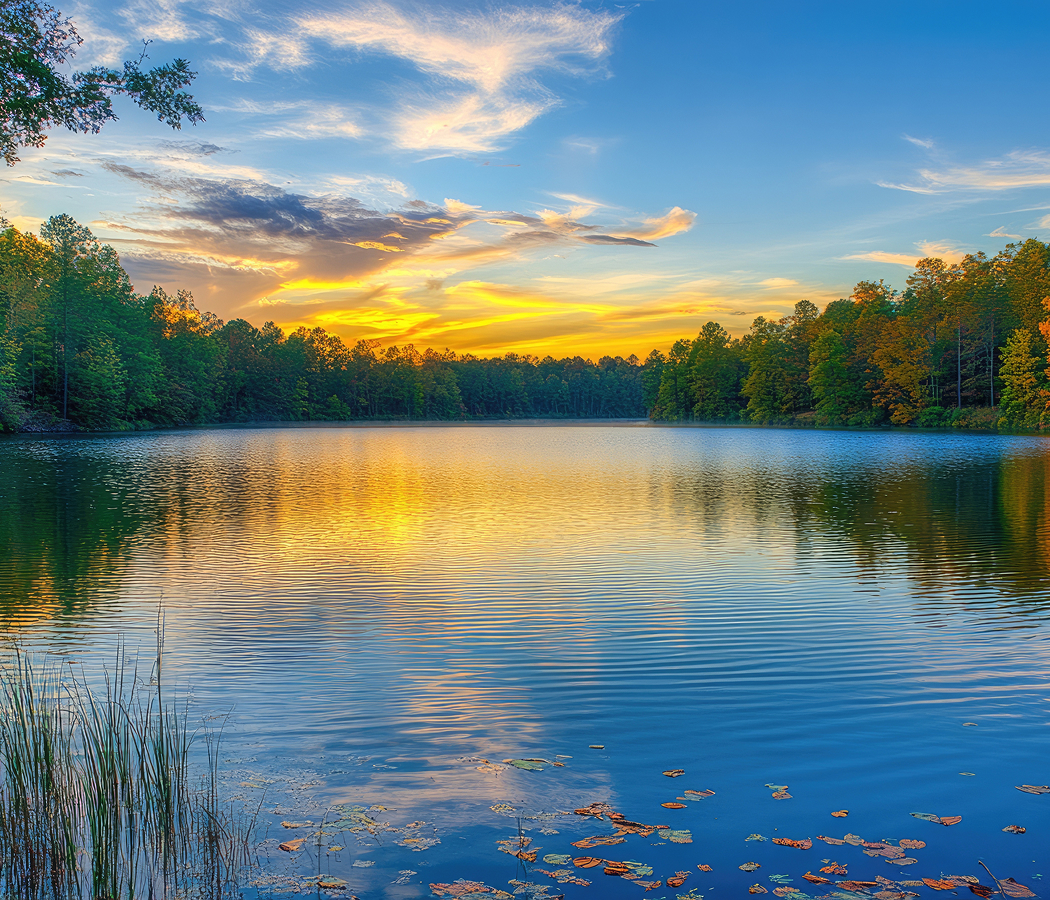
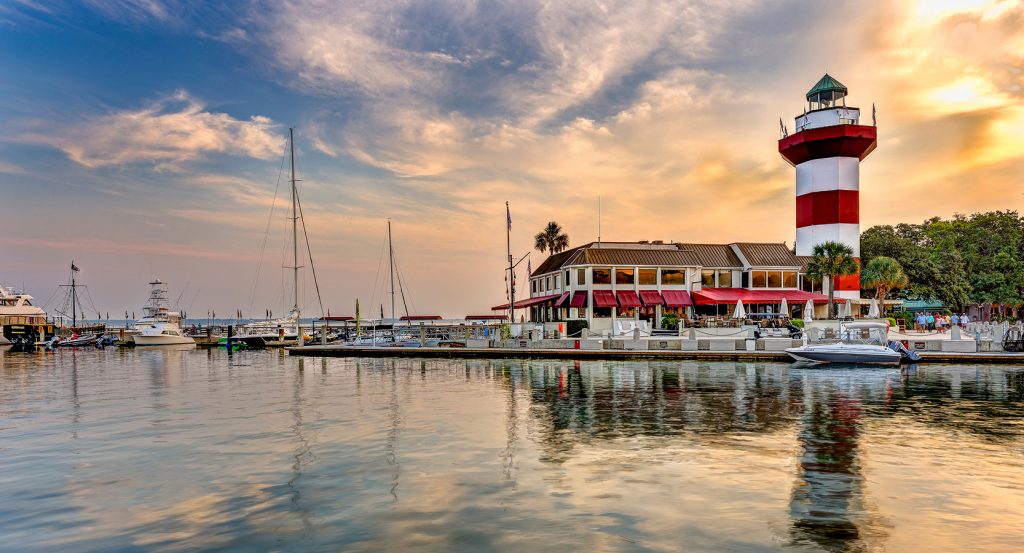
Begin at Sea Pines Shell Ring, an archaeological site inside the 605-acre Sea Pines Forest Preserve dating back more than 4,000 years. Indigenous communities used Hilton Head as hunting and harvesting territory long before European settlement, leaving an immense accumulation of shell whose circular form has been interpreted as a communal gathering or ceremonial site. The shell ring survives inside land protected as the Forest Preserve since 1970, placing evidence of the island's deep human history within the conservation tract created during Sea Pines' modern development. Continue to Old Lawton Rice Field, where a boardwalk crosses wetlands descended from rice fields worked during the nineteenth century as part of Lawton Plantation. The property once extended across more than 1,800 acres and became the only plantation on Hilton Head devoted to rice, with surviving lakes in the preserve corresponding to former fields and water-retention areas. Martha Sarah Stoney Barksdale Lawton and Joseph Lawton became central owners before the property descended through their family, connecting the preserved wetland directly with the agricultural system that reshaped this portion of the island before Sea Pines. Conclude at Harbour Town Lighthouse, conceived by Sea Pines founder Charles Fraser as the visual beacon for the yacht basin he developed as a gathering center on Calibogue Sound. Construction of the 90-foot red-and-white-striped tower began in 1968, though it remained unfinished when Arnold Palmer won the inaugural Heritage Classic at neighboring Harbour Town Golf Links in 1969. Fraser ordered the marina configured around the centuries-old Liberty Oak, accepting the added construction cost to preserve a tree now measured near 55 feet tall and 90 feet across. The lighthouse interior later became a museum, with 114 steps rising through displays on Hilton Head history and the Heritage Classic toward the observation level above the harbor. The progression moves from a 4,000-year-old Indigenous gathering site through the rice landscape that reorganized the island during the plantation era and culminates in Fraser's Harbour Town, where conservation, resort planning and tournament golf helped recast southern Hilton Head during the twentieth century.
Where your story begins.
Foresyte Travel reveals places that feel extraordinary long before you arrive.
Enjoy editorial crafted for luxury travelers.
Foresyte may earn a commission when you book.