Why you should experience Avenue des Champs-Élysées in Paris, France.
Avenue des Champs-Élysées is a world-famous Champs-Élysées corridor where grand architecture, national celebration, luxury culture, and Parisian grandeur converge along one of the most celebrated avenues on Earth.
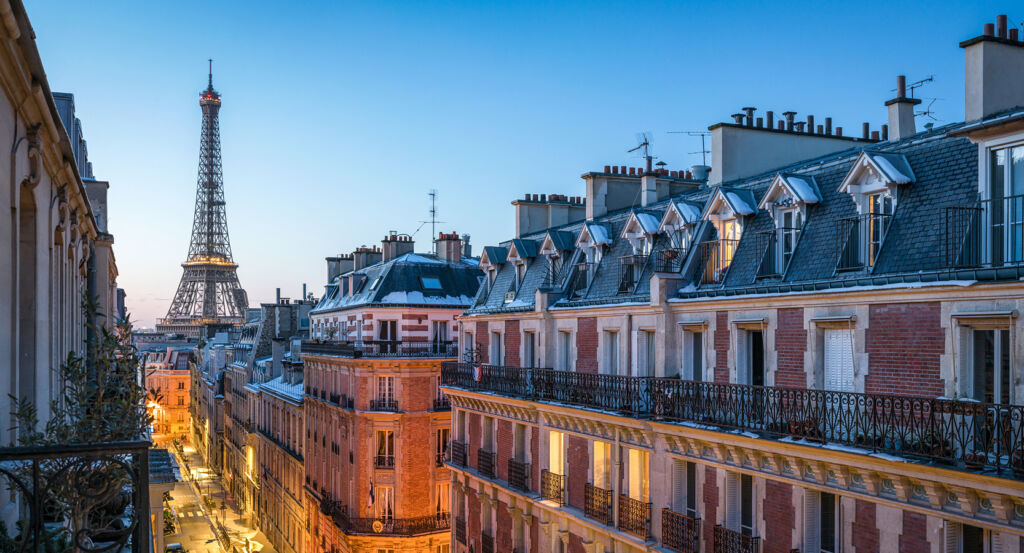
Running through Champs-Élysées between Place de la Concorde and Place Charles de Gaulle, this grand boulevard unfolds through iconic monuments, flagship luxury boutiques, historic theaters, distinguished restaurants, elegant Haussmann architecture, and beautifully landscaped promenades that have defined the ceremonial heart of Paris for centuries. Broad tree-lined sidewalks, grand civic spaces, grand façades, and an extraordinary concentration of cultural institutions create an atmosphere where diplomacy, fashion, celebration, and everyday Parisian life intersect on an unparalleled scale. Every stretch of the avenue reflects another chapter in the remarkable evolution of France's capital into one of the world's great cities. The result is a corridor defined by international prestige, architectural magnificence, and one of history's most iconic urban boulevards.
What you should know about Avenue des Champs-Élysées.
Avenue des Champs-Élysées is best known as France's ceremonial avenue, evolving from André Le Nôtre's 1667 extension of the Jardin des Tuileries into the nation's grand processional boulevard before becoming the finish of the Tour de France since 1975, the centerpiece of the Bastille Day military parade each 14 July, and the stage for countless defining national celebrations, commemorations, and historic events. Named after the Elysian Fields of Greek mythology, the avenue was transformed during the eighteenth and nineteenth centuries through successive urban improvements before Baron Haussmann incorporated it into his sweeping reconstruction of Paris, establishing the grand axis linking the Louvre, Place de la Concorde, Arc de Triomphe, and La Défense. Throughout modern history it has witnessed some of France's most consequential moments, including the triumphant liberation parade led by General Charles de Gaulle on 26 August 1944, FIFA World Cup victory celebrations in 1998 and 2018, national commemorations, state visits, Olympic festivities, and annual military reviews watched by millions around the world. Architecturally, the avenue preserves an exceptional ensemble of grand hôtels, theaters, flagship maisons, luxury retailers, and landmark institutions including the Petit Palais and Grand Palais nearby, while its carefully maintained double rows of horse chestnut trees continue reflecting Le Nôtre's original landscape vision. Together these artistic, political, architectural, sporting, and urban achievements establish Avenue des Champs-Élysées as one of the world's most influential ceremonial streets and the enduring international symbol of Paris.
Monumental public spaces, internationally renowned luxury houses, historic theaters, and impeccably maintained promenades continue illustrating how the avenue balances civic symbolism with everyday urban life. The enduring relationship between royal landscape design, Haussmannian planning, national ceremonies, and global sporting traditions demonstrates why the Champs-Élysées remains one of the most recognized and influential boulevards ever created. Few urban corridors combine architectural magnificence, political history, cultural prestige, and worldwide recognition with such extraordinary continuity.
How to fold Avenue des Champs-Élysées into your trip.
Avenue des Champs-Élysées is best experienced as an exploration through Champs-Élysées' celebrated monuments, cultural institutions, and architectural masterpieces.
Begin at Place de la Concorde, where one of France's grandest public squares introduces the extraordinary ceremonial significance of the avenue before strolling beneath its iconic rows of horse chestnut trees. Continue to the Grand Palais, whose grand Beaux-Arts architecture celebrates the artistic and engineering achievements of the 1900 Exposition Universelle. Conclude at the Arc de Triomphe, where Napoleon's grand masterpiece provides a memorable finale celebrating the remarkable relationship between national history, architectural ambition, and urban grandeur that continues defining Paris. The progression moves naturally from royal planning to artistic excellence before culminating in one of the world's greatest monuments, revealing why Avenue des Champs-Élysées remains the most celebrated boulevard on Earth.
Where your story begins.
Start the planning journey with Foresyte Travel.
Experience immersive stories crafted for luxury travelers.