Why you should experience Brunswick Avenue in Toronto, Ontario.
Brunswick Avenue is a cultivated corridor where The Annex's academic heritage, Victorian architecture, intellectual traditions, and residential character define one of Toronto's most distinguished streets.
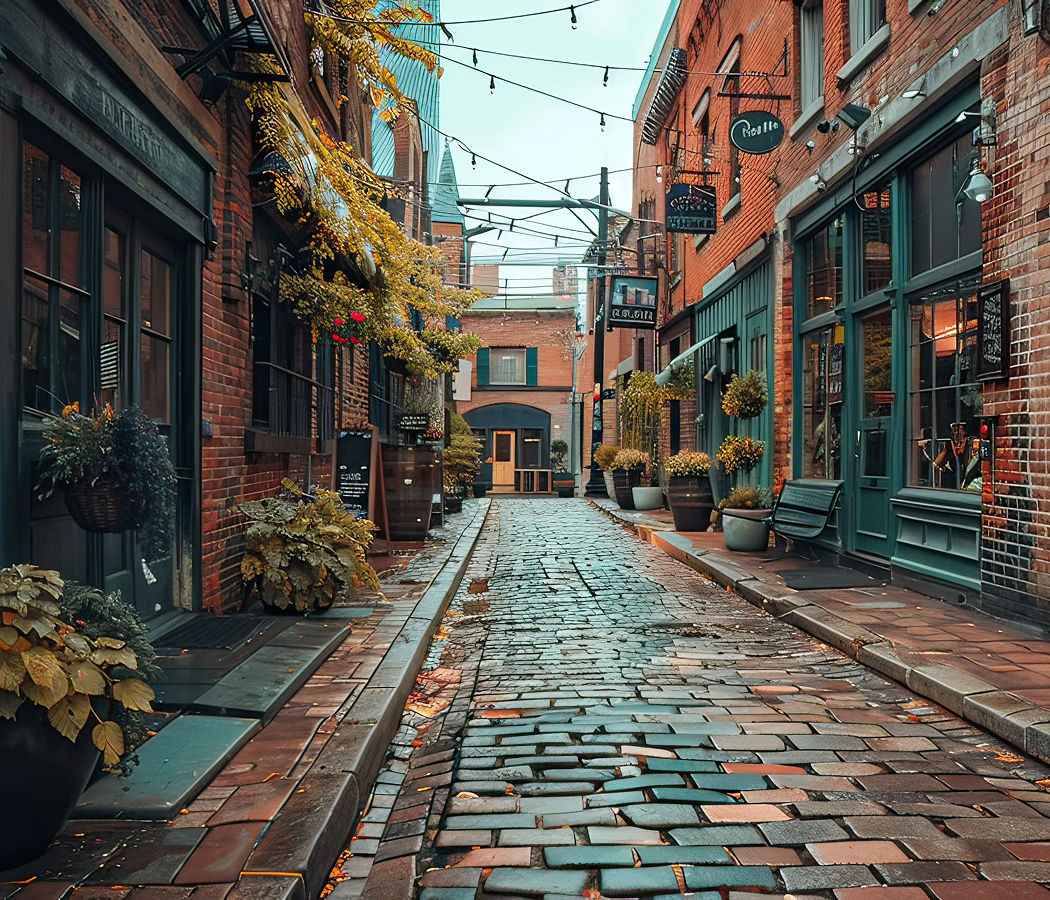
Running through The Annex between Yorkville and Harbord Village, the corridor connects nineteenth-century residential avenues, university precincts, cultural institutions, and mature tree-lined blocks that collectively reflect Toronto's emergence as Canada's foremost centre of higher education and architectural craftsmanship. Successive blocks reveal how estate subdivision, street railway expansion, university growth, and skilled residential builders shaped a remarkably cohesive streetscape that has retained its historic character through generations of change. Throughout the corridor, richly detailed brick homes, generous boulevard canopies, and enduring institutional influence preserve an atmosphere rooted in scholarship and architectural refinement. The result is an experience defined by continuity, craftsmanship, and one of Toronto's most accomplished residential corridors.
What you should know about Brunswick Avenue.
Brunswick Avenue is best known for developing during the 1880s, 1890s, and early 1900s following subdivision of the former Baldwin Estate, as Toronto expanded northward beyond its nineteenth-century limits into what became The Annex. Residential growth accelerated with operation of the Toronto Railway Company streetcar network along Bloor Street, Spadina Avenue, and College Street, providing efficient connections between the city's commercial core and emerging residential districts. Builders introduced distinguished collections of Annex Style, Richardsonian Romanesque, Queen Anne Revival, and Edwardian Classical residences featuring red brick masonry, Credit Valley sandstone, rounded arches, decorative terracotta, carved limestone, stained-glass windows, and deeply recessed verandas that established one of Toronto's most architecturally cohesive residential streets. Planned lot dimensions, landscaped front setbacks, rear laneways, and mature boulevard plantings reflected late nineteenth-century subdivision practices while reinforcing the avenue's enduring residential character. Together, these subdivision patterns, transportation investments, architectural traditions, estate planning, and residential craftsmanship established Brunswick Avenue as one of The Annex's defining corridors.
Expansion of the University of Toronto during the late nineteenth and twentieth centuries strengthened the surrounding district through internationally recognized research, professional education, scientific discovery, and sustained campus investment that influenced nearby residential development. Construction of Bloor Street Viaduct approaches and associated municipal infrastructure improvements enhanced accessibility throughout Toronto's central districts while encouraging continued growth across adjoining neighbourhoods. Stewardship by City of Toronto Heritage Preservation Services continues protecting original façades, carved stone ornament, decorative brickwork, historic rooflines, and cohesive residential streetscapes through conservation policies that preserve Brunswick Avenue's distinctive architectural identity. Collectively, these academic investments, engineering improvements, municipal initiatives, and heritage conservation programs demonstrate how Brunswick Avenue has maintained its place among Toronto's finest nineteenth-century residential streets.
How to fold Brunswick Avenue into your trip.
Brunswick Avenue works as an exploration of The Annex's architectural heritage, academic traditions, and cultural character.
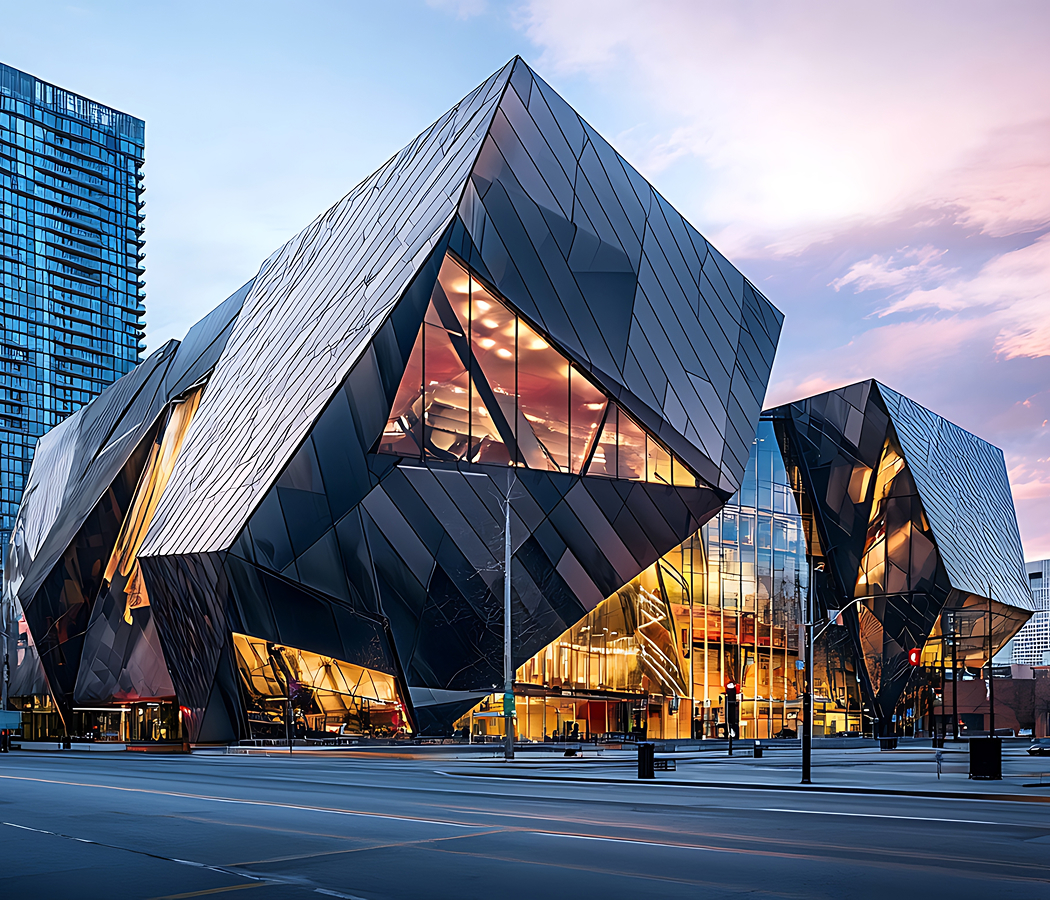
Begin at Bata Shoe Museum, where innovative exhibitions and striking contemporary architecture introduce the curiosity and scholarship that have long distinguished The Annex while establishing an engaging starting point for exploring the surrounding residential streets. Continue to Philosopher's Walk, where a quiet pedestrian route framed by mature trees, historic university buildings, and seasonal gardens provides a reflective transition that deepens appreciation for the district's longstanding academic character before continuing northward. Conclude at Spadina Museum, where preserved interiors, period collections, and the Austin family's historic residence provide the historical payoff, illustrating the social history and residential elegance that shaped The Annex during Toronto's late nineteenth-century expansion. Together, the sequence moves from intellectual discovery to contemplative campus landscapes before culminating in one of the district's finest surviving historic homes, revealing the enduring character that defines Brunswick Avenue.
Where your story begins.
Foresyte Travel reveals places that feel extraordinary long before you arrive.
Experience premium editorial crafted for luxury travelers.