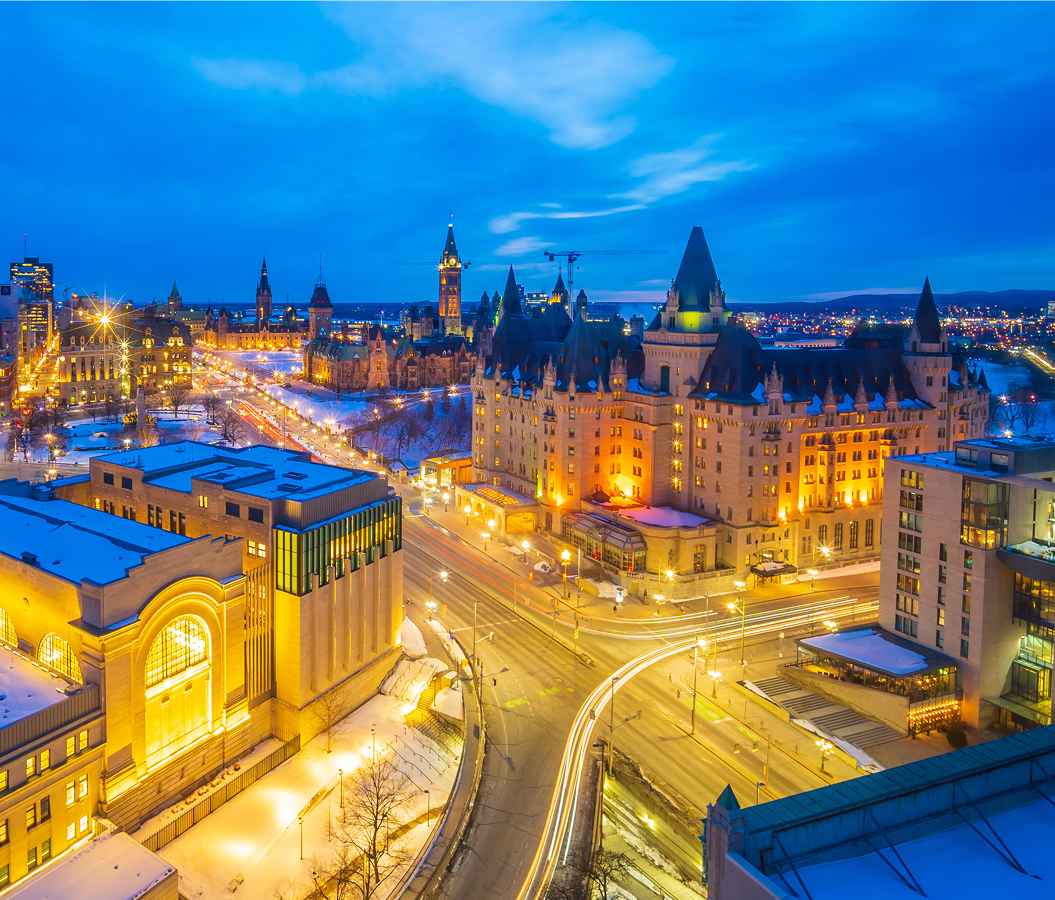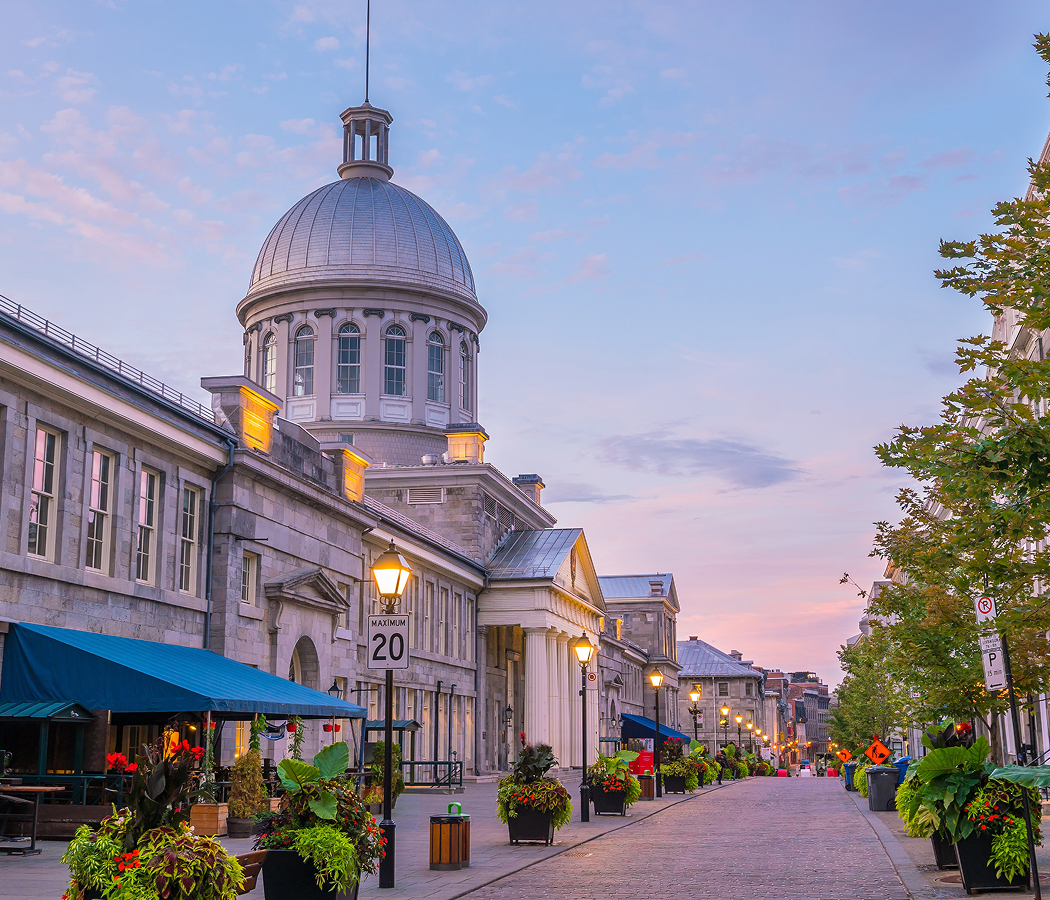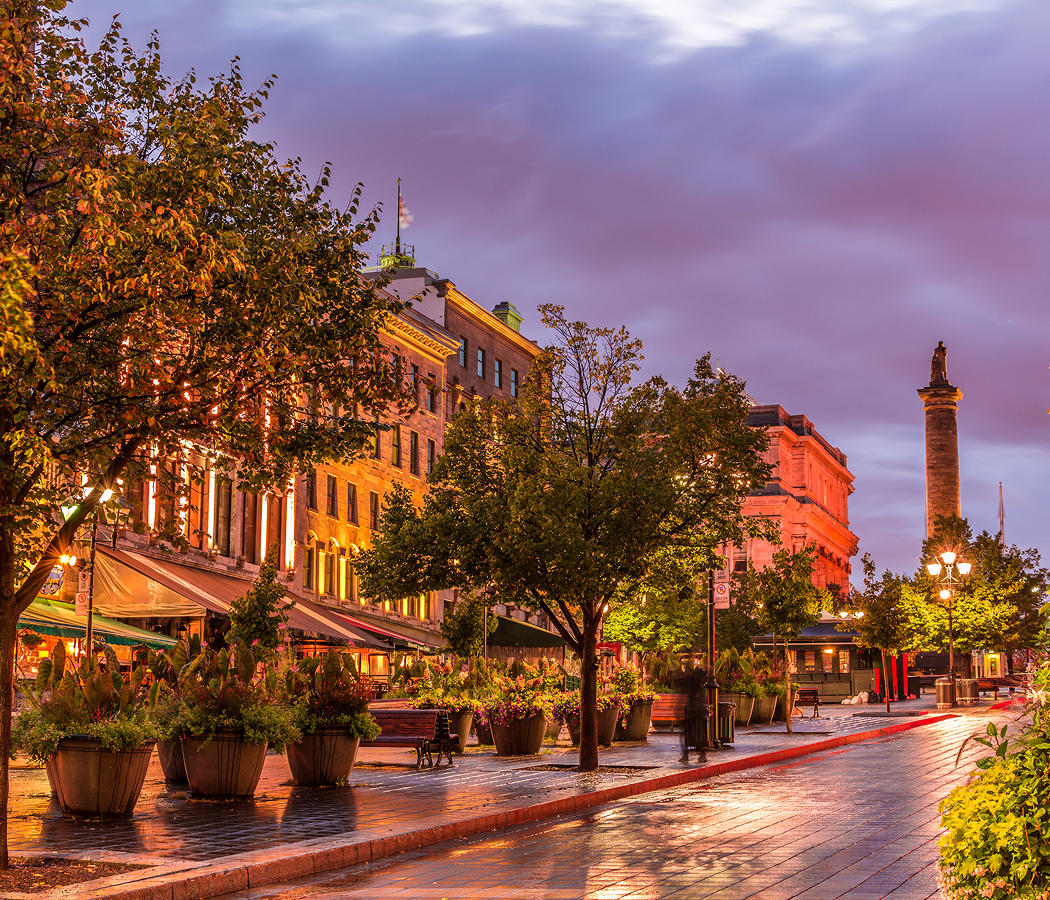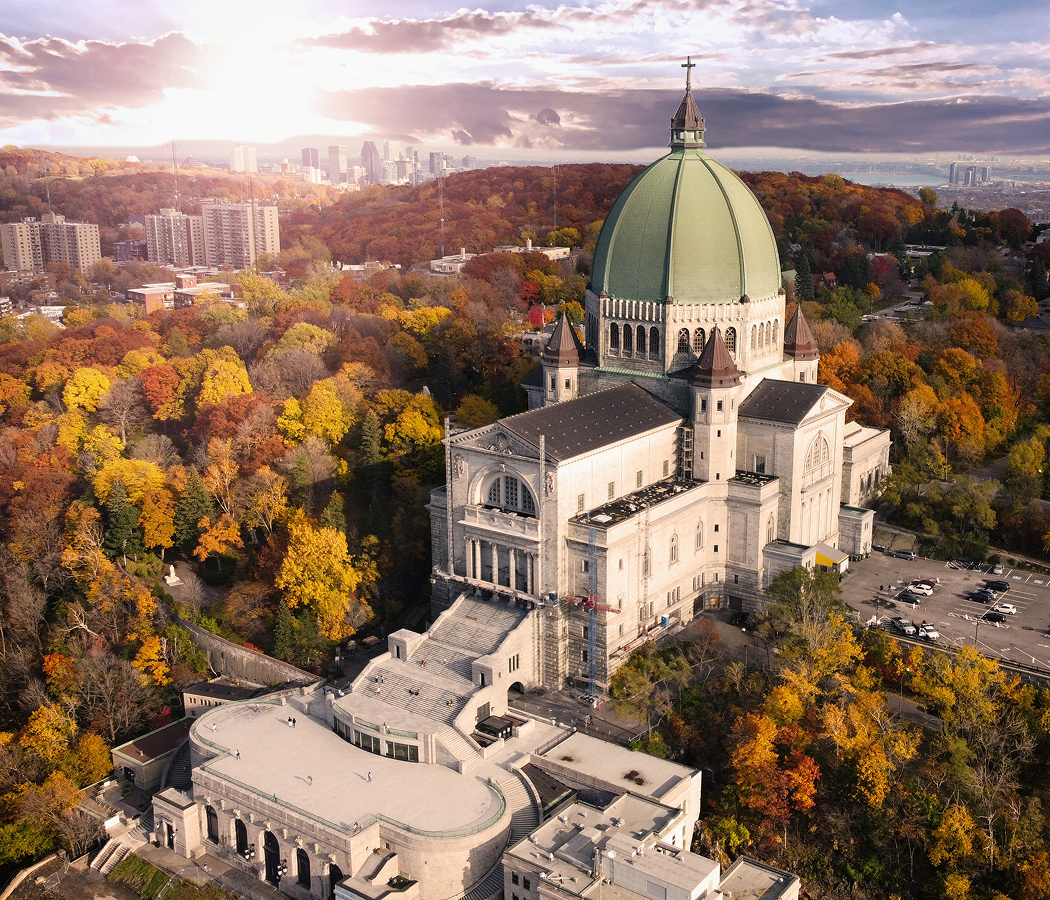
Why you should experience Charles Street East in Toronto, Ontario.
Charles Street East is a refined corridor where Church-Wellesley's architectural heritage, institutional legacy, cultural vitality, and urban sophistication define one of Downtown's most enduring streets.
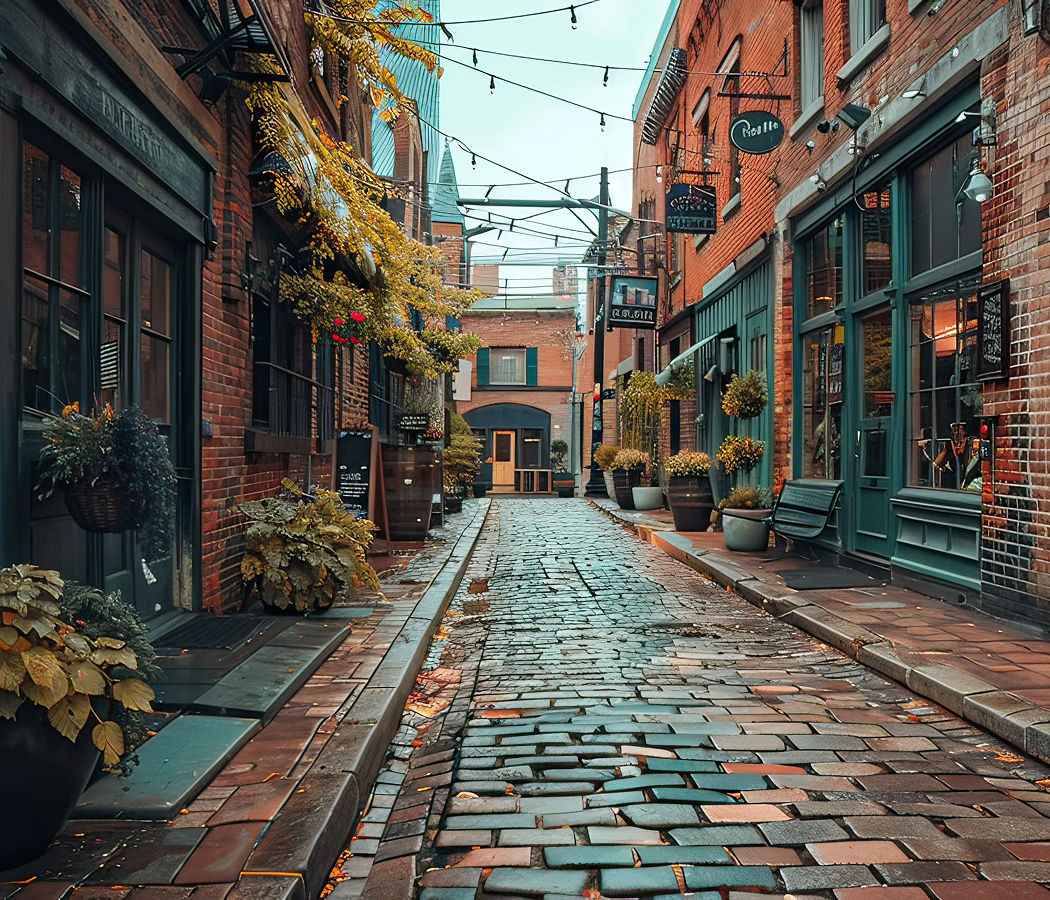
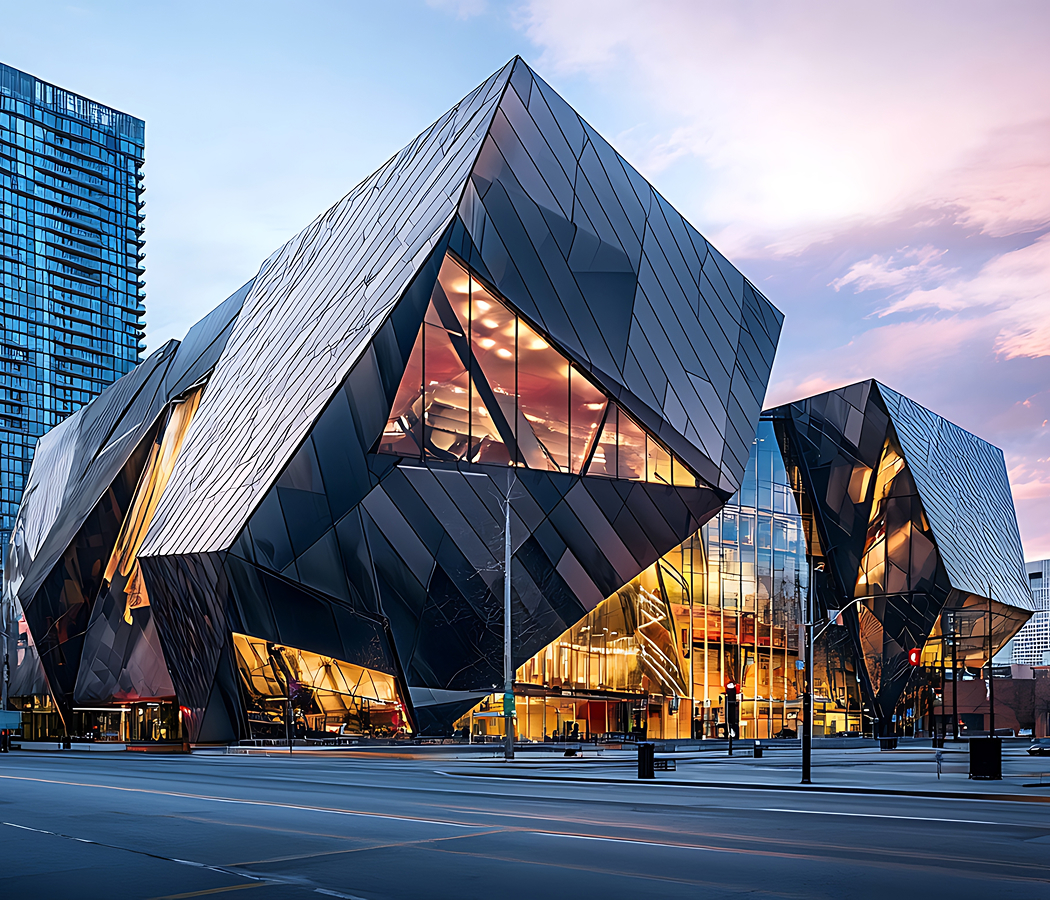
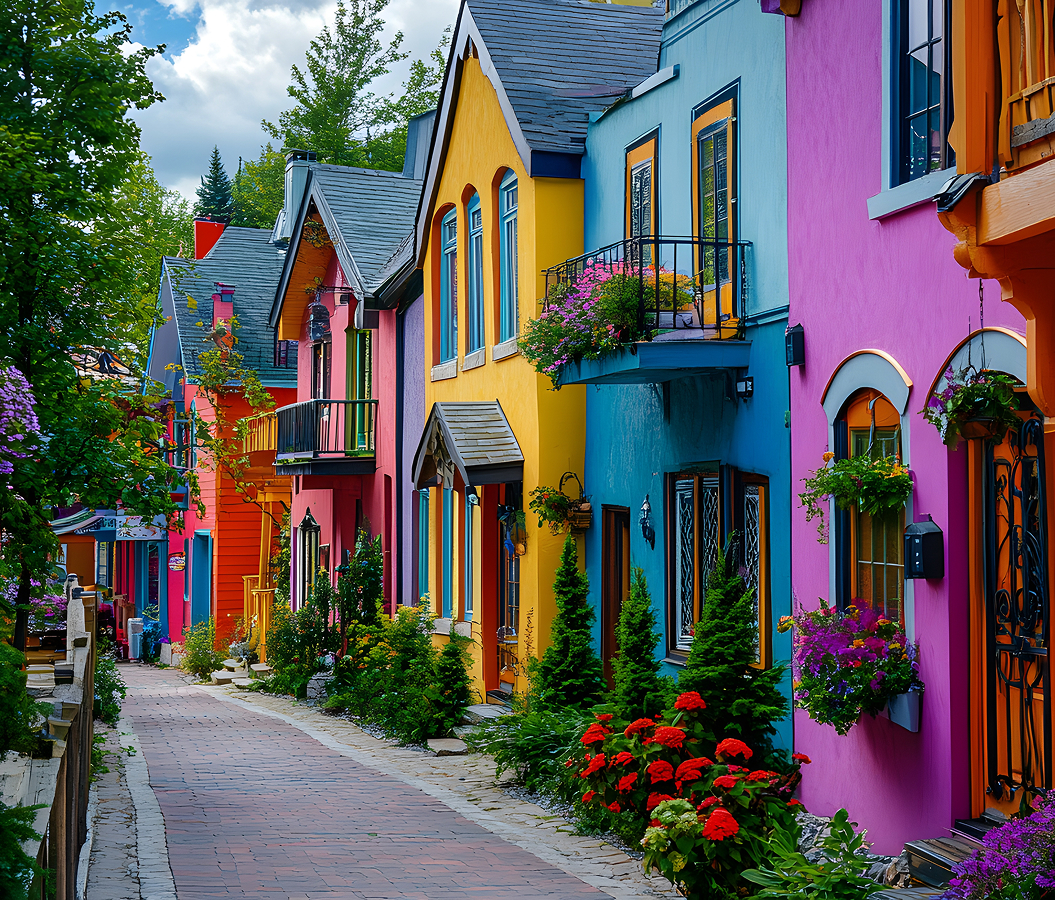
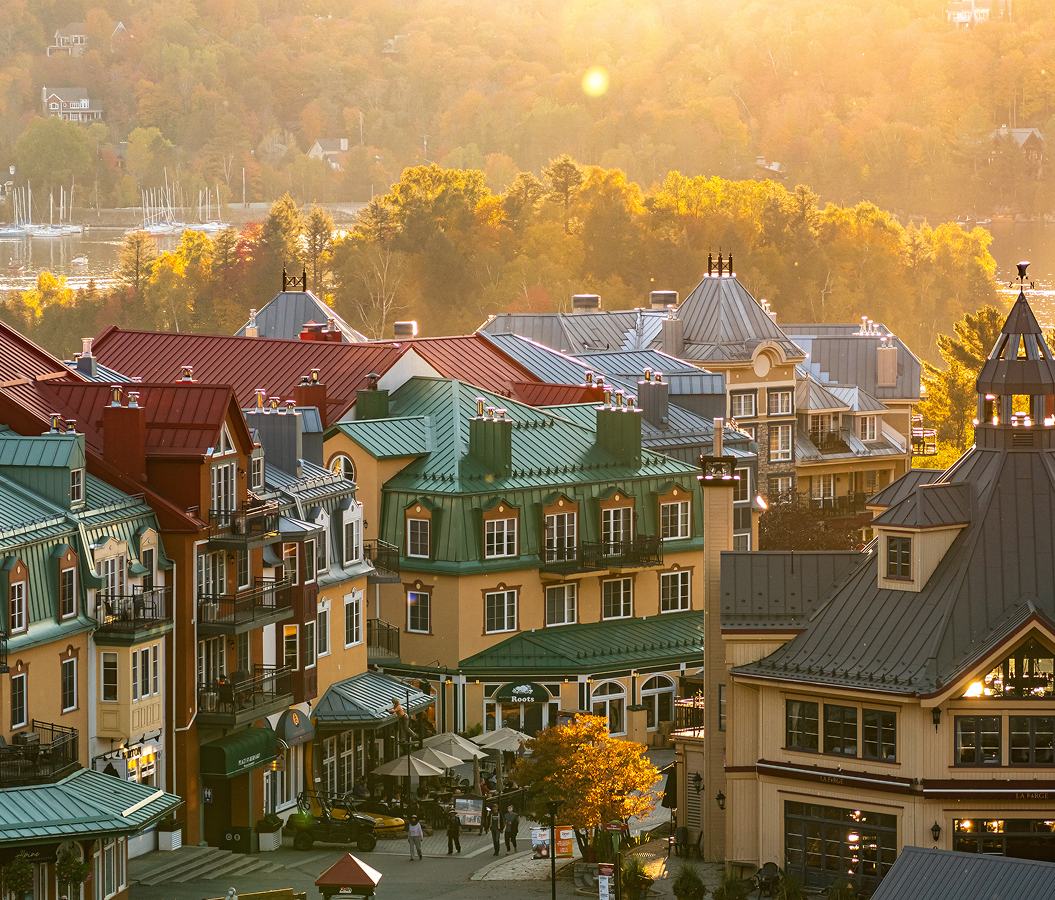
Running through Church-Wellesley between Yorkville and Garden District, the corridor connects historic residential enclaves, major institutional campuses, established cultural venues, and evolving commercial streetscapes that collectively reflect Toronto's transformation into one of North America's most cosmopolitan urban centres. Successive blocks reveal how nineteenth-century subdivision, street railway expansion, educational investment, and carefully layered redevelopment shaped a corridor where heritage buildings and contemporary architecture coexist with remarkable continuity. Throughout the street, preserved masonry, distinguished civic buildings, and thoughtfully integrated public spaces express more than a century of downtown evolution. The result is an experience defined by elegance, continuity, and one of Toronto's most distinctive urban corridors.
What you should know about Charles Street East.
Charles Street East is best known for emerging during Toronto's northward expansion in the 1850s and 1860s, when residential subdivision beyond the original town limits created new streets serving the growing communities surrounding Church Street and Yonge Street. Growth accelerated following operation of the Toronto Railway Company streetcar network along Yonge Street, Carlton Street, and College Street, strengthening connections between emerging residential districts, commercial centres, and the city's expanding institutional core. Development introduced a diverse collection of Victorian, Edwardian Classical, Beaux-Arts, International Style, and Modernist architecture distinguished by red brick masonry, Indiana limestone, decorative terra-cotta detailing, curtain-wall glazing, polished granite, and carefully composed institutional façades that demonstrate successive phases of urban growth. The corridor became closely associated with professional offices, educational facilities, healthcare organizations, and residential apartment construction that reinforced its importance within Downtown's civic landscape. Together, these subdivision patterns, transportation investments, architectural traditions, institutional expansion, and urban planning initiatives established Charles Street East as one of Church-Wellesley's defining corridors.
Establishment of the Toronto General Hospital School of Nursing strengthened the surrounding district's longstanding reputation for professional education while supporting the continued growth of Toronto's medical community through nationally recognized nursing instruction. Construction of the Manulife Centre during the 1970s introduced one of Toronto's earliest large-scale mixed commercial developments, reflecting the city's increasing demand for integrated office, retail, and residential space as the downtown core intensified. Ongoing stewardship by City of Toronto Heritage Preservation Services continues protecting significant heritage properties, original masonry, decorative architectural features, and compatible infill development that preserves the corridor's historic streetscape despite sustained urban growth. Collectively, these educational achievements, commercial investments, preservation initiatives, and institutional commitments demonstrate how Charles Street East has maintained its historic character while continually adapting to the changing needs of Downtown.
How to fold Charles Street East into your trip.
Charles Street East works as an exploration of Church-Wellesley's cultural identity, architectural heritage, and downtown character.
Begin at Barbara Hall Park, where welcoming public space, mature landscaping, and community gathering areas introduce the inclusive civic spirit that has become synonymous with Church-Wellesley while providing a relaxed starting point for exploring the surrounding streets. Continue to The 519, where one of Canada's best-known community centres offers exhibitions, public programming, and neighborhood initiatives that deepen appreciation for the district's cultural character before leading naturally toward Toronto's historic commercial core. Conclude at Massey Hall, where one of Canada's most celebrated performance venues provides the resonant payoff through its extraordinary musical legacy and beautifully restored nineteenth-century architecture. Together, the sequence progresses from community life to cultural engagement before culminating in a defining piece of Toronto's performing arts heritage, revealing why Charles Street East occupies such an important place within the city's urban fabric.
Where your story begins.
Foresyte Travel reveals places that feel extraordinary long before you arrive.
Experience premium editorial crafted for luxury travelers.