Why you should experience Erskine Avenue in Toronto, Ontario.
Erskine Avenue is an elegant corridor where Mount Pleasant East's garden-suburb planning, residential craftsmanship, institutional heritage, and enduring tranquility preserve one of Midtown Toronto's finest historic streets.
Running through Mount Pleasant East between Davisville Village and Sherwood Park, the corridor connects carefully planned residential blocks, mature tree-lined streets, distinguished educational institutions, and nearby commercial avenues that collectively demonstrate Toronto's northward expansion during the early twentieth century. Successive blocks reveal how estate subdivision, street railway investment, thoughtful planning, and architectural craftsmanship shaped an avenue whose original residential vision remains remarkably intact. Throughout the corridor, period homes, landscaped boulevards, and longstanding community institutions continue expressing the design principles that defined Toronto's premier streetcar suburbs. The result is an experience defined by refinement, continuity, and one of Midtown Toronto's most historically expressive corridors.
What you should know about Erskine Avenue.
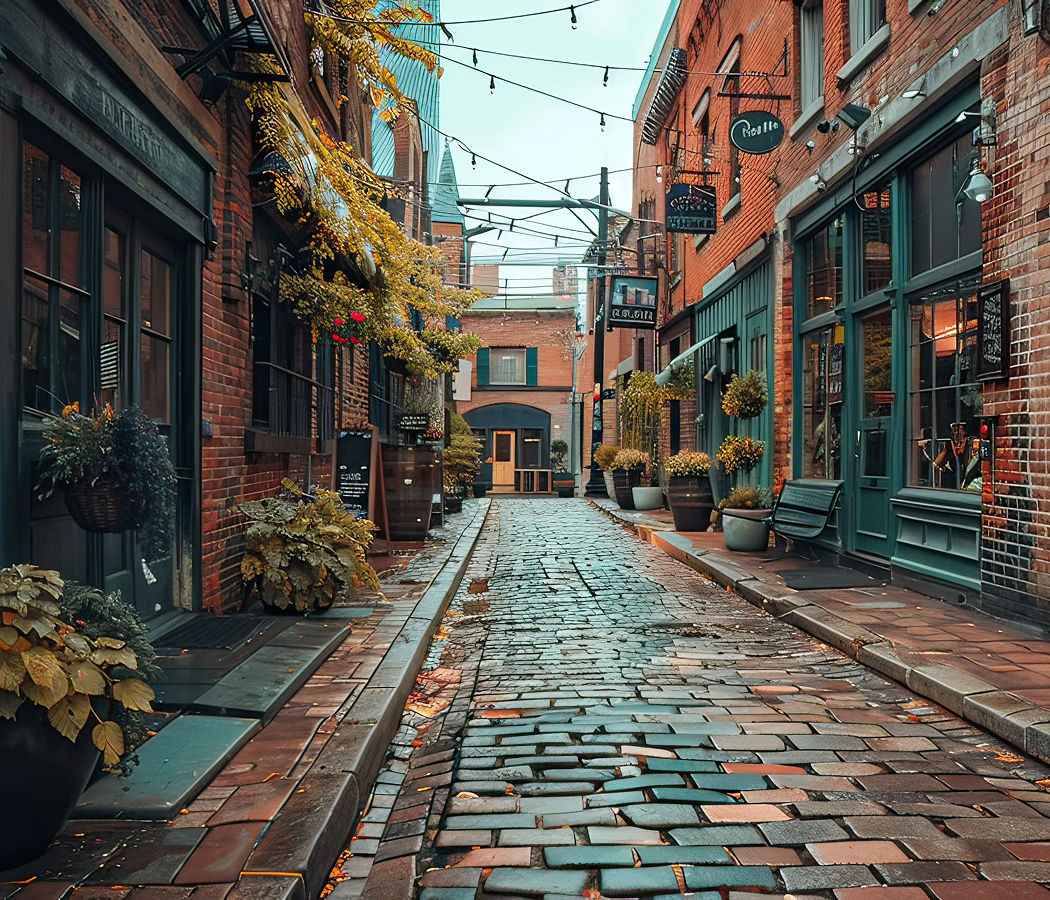
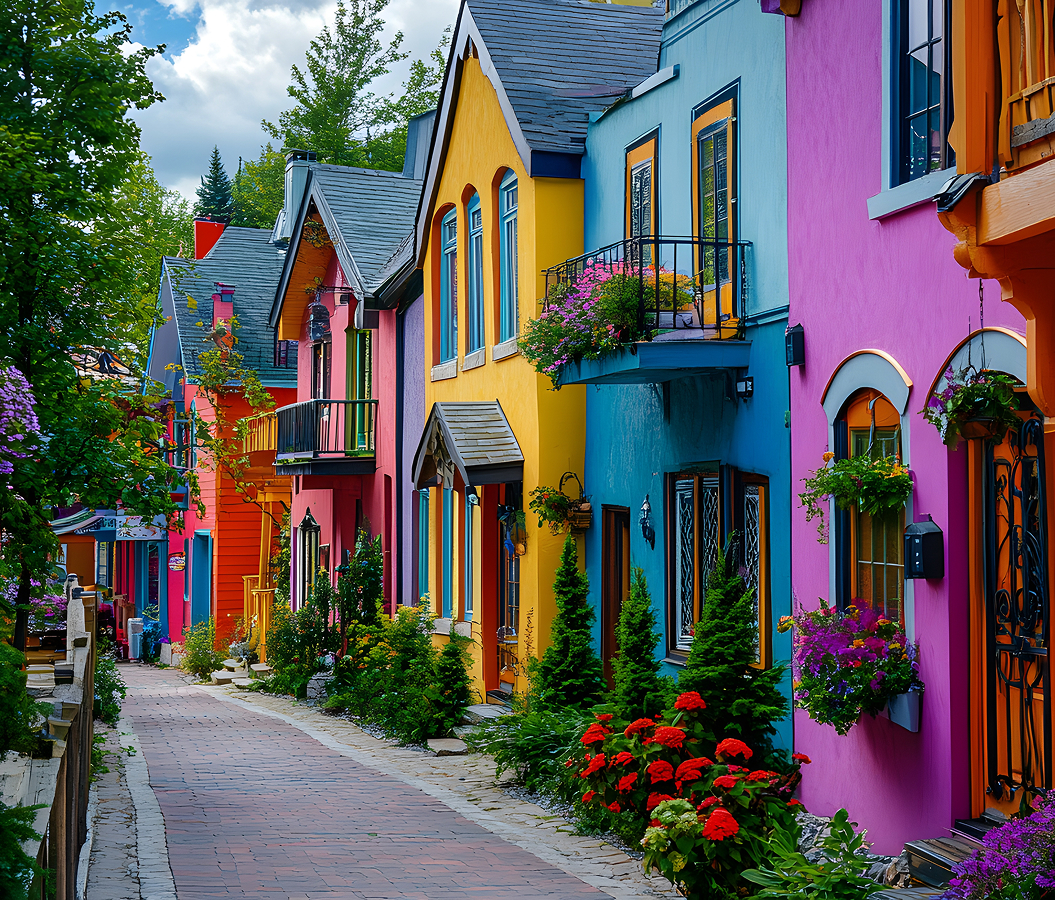
Erskine Avenue is best known for developing across portions of the former Eglington Estate and adjoining farmland during the 1910s and 1920s, when Toronto's rapid northward expansion transformed rural concessions into carefully planned residential neighborhoods. Construction accelerated following the extension of the Toronto Civic Railways streetcar network along nearby Mount Pleasant Road and Yonge Street, providing reliable transportation that encouraged substantial residential investment throughout the district. Builders introduced distinguished collections of Edwardian Classical, Arts and Crafts, Tudor Revival, and Georgian Revival houses featuring red brick masonry, cut Indiana limestone, half-timber detailing, decorative brick quoins, leaded-glass windows, steep gabled roofs, and finely crafted wood porches that established the avenue's enduring architectural character. Development also reflected the influence of early twentieth-century subdivision planning through generous building setbacks, landscaped front gardens, curved streetscapes, and coordinated lot layouts intended to create an attractive residential environment removed from Toronto's industrial core. Together, these estate subdivisions, transportation improvements, architectural traditions, planning principles, and residential investment established Erskine Avenue as one of Midtown Toronto's defining streetcar-era corridors.
Construction of Northern Secondary School beginning in 1930 introduced one of Toronto's most distinguished collegiate institutions, designed in the Collegiate Gothic style to serve the rapidly expanding residential communities surrounding the avenue. Nearby Sherwood Park, established through preservation of the Burke Brook ravine system, protected mature woodlands, native vegetation, and winding recreational trails that reinforced the neighborhood's picturesque landscape long before modern environmental planning became common practice. Heritage recognition through the City of Toronto Heritage Register continues preserving original residential façades, decorative masonry, limestone detailing, leaded glass, period rooflines, and historic streetscape relationships that distinguish Erskine Avenue from later suburban development. Collectively, these educational investments, environmental stewardship, preservation initiatives, and landscape planning principles demonstrate how Erskine Avenue evolved into a corridor where architectural craftsmanship and carefully protected natural settings remain inseparably connected.
How to fold Erskine Avenue into your trip.
Erskine Avenue works as an exploration of Midtown Toronto's residential heritage, landscape design, and architectural craftsmanship.
Begin at Sherwood Park, where preserved ravine landscapes and mature forest introduce the natural setting that influenced the planning of the surrounding neighborhood. Continue to Eglinton Park, whose expansive recreational grounds reflect the civic investment that accompanied Midtown Toronto's residential growth during the early twentieth century. Conclude at Spadina Museum, where one of Toronto's finest surviving Edwardian houses provides the historical culmination by illustrating the architectural tastes and domestic life that inspired neighborhoods such as those surrounding Erskine Avenue. Together, the sequence progresses from preserved natural landscapes to civic planning before culminating in Edwardian residential history, revealing why Erskine Avenue remains one of Midtown Toronto's most carefully preserved historic corridors.
Where your story begins.
Foresyte Travel reveals places that feel extraordinary long before you arrive.
Experience premium editorial crafted for luxury travelers.