Why Fairmont Waterfront matters.
Fairmont Waterfront is a harbourfront hotel where Vancouver's coastal geography meets Canada Place's cruise-era infrastructure, the city's convention economy and a long architectural relationship between downtown streets, mountain views and Burrard Inlet.
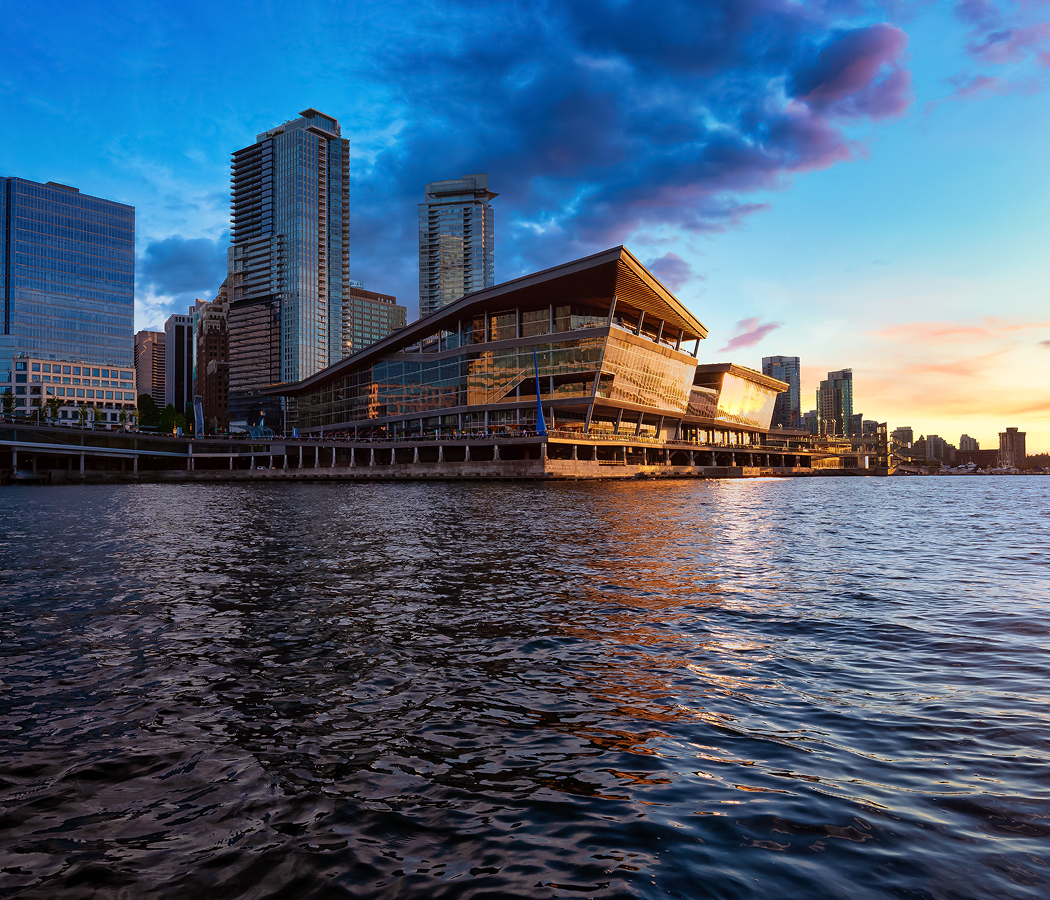
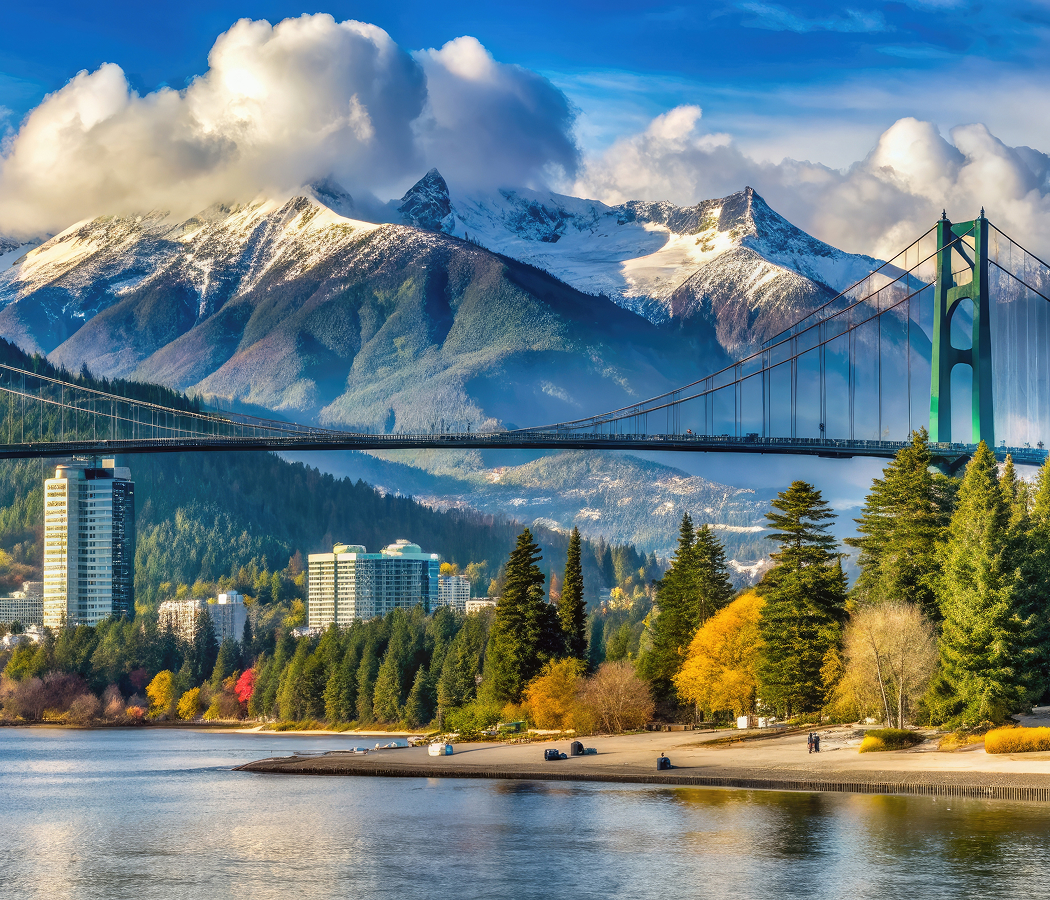
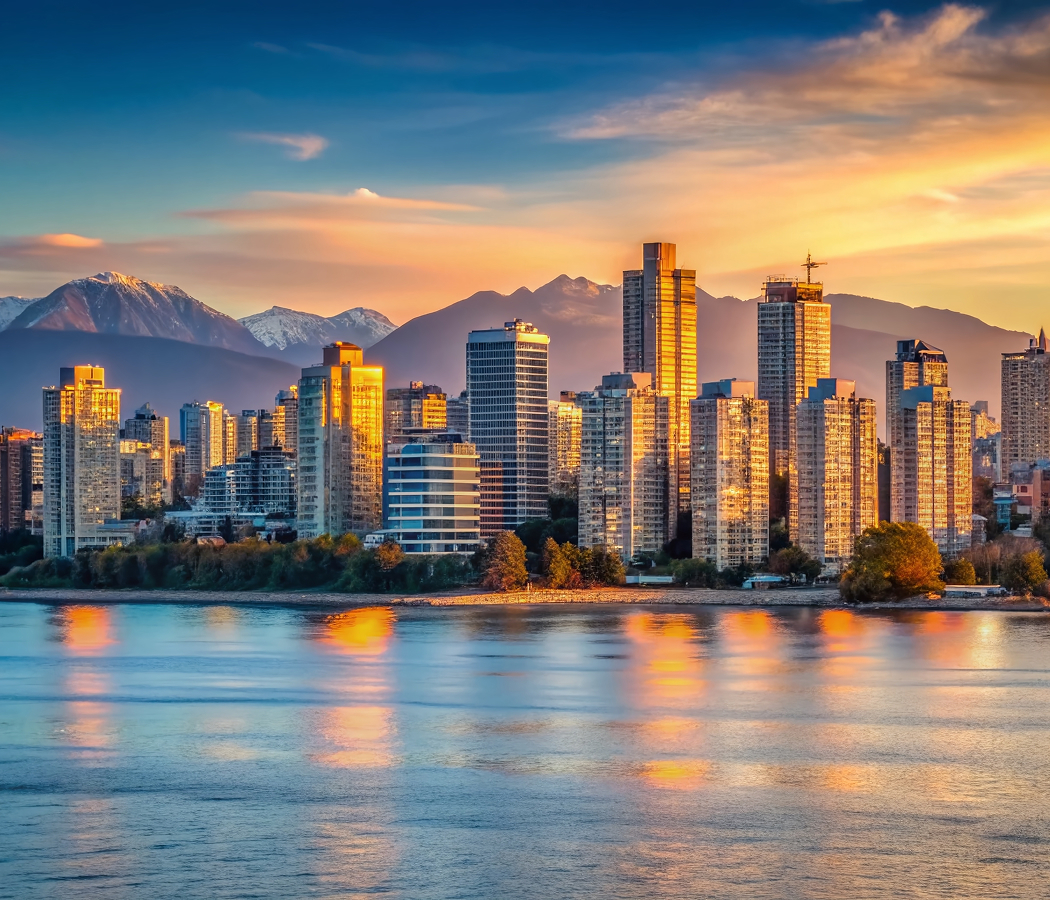
Occupying 900 Canada Place Way between Burrard Street, West Cordova Street and the Vancouver Convention Centre, Fairmont Waterfront faces Burrard Inlet with Canada Place and Waterfront Station immediately beside it, Gastown extending eastward and the Stanley Park Seawall continuing northwest along the harbour. The hotel stands at the point where downtown streets descend toward cruise berths, ferry routes, office towers and the open water of the inlet. Floor-to-ceiling windows orient the building toward the North Shore Mountains, Stanley Park, Canada Place and the working harbour. West Cordova Street links the property to the city's transit network, while the waterfront promenade carries pedestrians and cyclists along the edge of the central business district. The result is a hotel whose physical character is defined by direct contact with Vancouver's harbour, mountains, transportation infrastructure and public waterfront.
What defines Fairmont Waterfront.
Fairmont Waterfront emerged during Vancouver's transformation into an international Pacific gateway, introducing a major luxury hotel to the city's expanding convention, cruise and commercial waterfront. The property opened in July 1991, five years after Expo 86 accelerated the redevelopment of former industrial lands and strengthened Vancouver's international tourism profile. Vancouver architectural practice Musson Cattell Mackey Partnership designed the building, extending its experience in Canadian luxury hospitality through a contemporary interpretation of West Coast architecture. Dallas-based Wilson and Associates developed the original interiors, using deep greens, blues and warm apricot tones to evoke the natural character of British Columbia's coastal landscape. The development formed part of a broader transformation of the Burrard Inlet waterfront, where Canada Place had introduced a distinctive new architectural landmark and convention infrastructure during the preceding decade. Its completion strengthened Vancouver's capacity to accommodate international conferences, cruise passengers and corporate travelers within a concentrated downtown hospitality district. The building's contemporary architectural language reflected the city's growing identification with Pacific Rim commerce and a metropolitan landscape defined by its relationship with mountains, forests and the sea. A consequential environmental initiative followed in 1996 with the establishment of a 2,100-square-foot rooftop herb and vegetable garden, placing the hotel among Vancouver's early adopters of green-roof cultivation. The garden introduced a productive agricultural function into the building's urban infrastructure, connecting luxury hospitality with local food production and the emerging principles of sustainable development. In 2008, the property established a rooftop honeybee apiary, extending its environmental program into urban pollinator conservation and establishing a relationship with the Vancouver nonprofit Hives for Humanity. The initiative developed into a distinctive component of the hotel's institutional character through educational programming, culinary applications and partnerships supporting urban biodiversity. Fairmont Waterfront subsequently expanded its environmental commitments through the incorporation of native solitary-bee habitats, strengthening the ecological relationship between its cultivated gardens and the surrounding urban landscape. A further architectural transformation began in 2026, when the hotel completed the first phase of a comprehensive multiyear renovation, introducing redesigned accommodations across its upper four floors. The redevelopment program, scheduled for completion in 2029, encompasses guestrooms, public interiors, dining facilities and recreational spaces through a design philosophy inspired by Vancouver's coastal forests and waterfront landscape. Fairmont Waterfront's development connects three consequential chapters in the city's hospitality history: the international expansion of its waterfront tourism economy, the emergence of urban environmental stewardship and the continued reinvention of Pacific Northwest luxury accommodation.
Executive Chef Harris Sakalis develops Fairmont Waterfront's culinary character through a sustained relationship between British Columbia's agricultural landscape, Pacific seafood traditions and the productive ecology of the hotel's rooftop garden. Appointed in May 2025, the Greek-born chef brought more than twenty-five years of international culinary experience, including advanced training at the Culinary Institute of America and professional assignments across the Caribbean, Middle East and Canada. His earlier leadership positions at Fairmont Jasper Park Lodge and Fairmont Vancouver Airport contributed to a culinary philosophy centered on seasonal ingredients, disciplined preparation and the natural character of regional produce. At ARC Restaurant + Bar, Sakalis translates that philosophy into a distinctly Pacific Northwest approach through carefully selected seafood, locally cultivated vegetables, aromatic herbs and ingredients harvested from the hotel's own agricultural terraces. The kitchen's seasonal preparations draw their character from the relationship between British Columbia's coastal fisheries, interior agricultural regions and the changing availability of fresh produce. Sakalis approaches these ingredients through techniques that preserve their individual qualities, developing depth through controlled cooking, complementary seasoning and the measured use of acidity and aromatic elements. The rooftop garden introduces an unusually direct relationship between cultivation and preparation, supplying fresh herbs, edible blossoms and vegetables that contribute both flavor and seasonal character to the kitchen. Its accompanying apiary extends that connection through honey incorporated into pastries, savory preparations, dressings and cocktails, bringing the floral character of the surrounding urban ecosystem into the hotel's culinary program. ARC's Province to Plate initiative develops the same philosophy through a focused celebration of British Columbia's producers, connecting regional agriculture with contemporary coastal gastronomy. The restaurant's Pollinator Menu introduces an additional ecological dimension through ingredients dependent upon insect pollination, transforming the relationship between biodiversity and food production into a distinctive culinary theme. Sakalis further expanded the restaurant's gastronomic programming in 2026 through the Led by a Love of Land and Sea dining series, introducing intimate, family-style chef's dinners centered on seasonal British Columbia ingredients. The inaugural celebration of spot prawns explored one of the province's defining seafood traditions through multiple preparations, including charcoal grilling and contemporary interpretations of coastal cooking. The beverage program extends the property's agricultural character through a signature gin produced from rooftop honey and locally foraged botanicals, incorporating spruce tips, rosehips, clover and cedar into a distinctly West Coast aromatic profile. Seasonal rooftop dinners further develop this connection through collaborations with British Columbia wineries, pairing regional vintages with ingredients harvested from the garden and neighboring agricultural communities. Fairmont Waterfront's broader hospitality philosophy incorporates guided garden visits, educational beekeeping activities and restorative wellness programming that connects urban luxury with the natural environment. Its heated rooftop swimming pool, meditation sessions and seasonal wellness activities complement the culinary program through an emphasis on physical restoration and outdoor living. Together, these practices establish a distinctive hospitality character in which regional gastronomy, urban ecology and personalized service express Vancouver's enduring relationship with the Pacific Northwest landscape.
How Fairmont Waterfront fits.
Fairmont Waterfront works as a base for understanding Vancouver through the infrastructure that made the harbour internationally accessible, the historic district that preserves the city's early commercial character and the forested peninsula that defines its relationship with the Pacific Northwest.
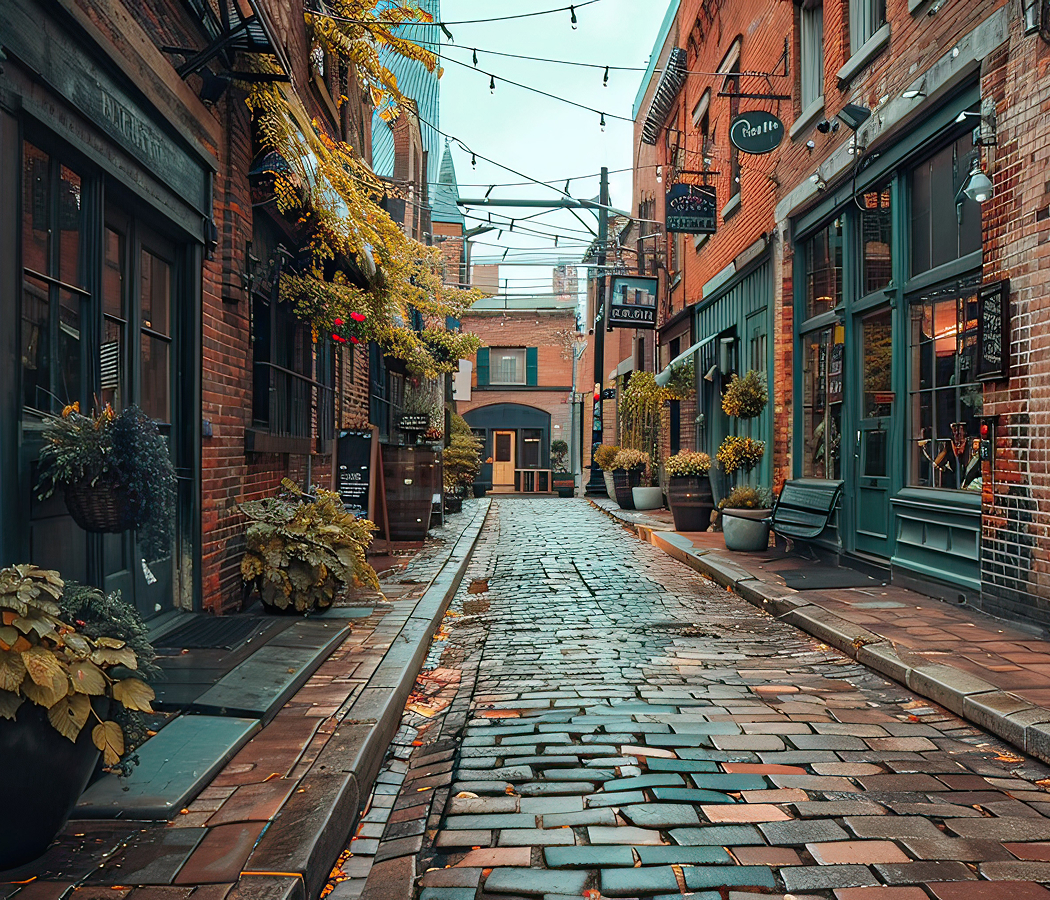
Begin at Canada Place, the sail-roofed waterfront complex immediately beside the hotel and one of Vancouver's most recognizable pieces of Expo 86 infrastructure. The structure was built on the footings of Pier B.C. and served as the Canada Pavilion during the 1986 World's Fair before becoming a cruise terminal, convention facility, business centre and public promenade. Its white fabric roofs evoke the sails of ships, linking the architectural language to Vancouver's maritime history and Pacific location. The complex also provides a direct route between the hotel, the harbour, the convention centre and the cruise ships that depart for Alaska. Continue to Gastown, the historic district east of Canada Place whose streets preserve much of Vancouver's early commercial and industrial character. The neighbourhood grew around the settlement associated with John “Gassy Jack” Deighton, whose saloon helped establish the area that later became the city's first commercial centre. Brick warehouses, narrow streets, loading passages and nineteenth-century façades preserve the physical pattern of a port district built around shipping, timber, railways and wholesale trade. Water Street connects the district to the harbour while historic buildings now contain restaurants, galleries, studios and independent businesses. Conclude at Stanley Park, the forested peninsula extending west from downtown between Burrard Inlet and English Bay. The park contains more than 400 hectares of forest, shoreline, trails, gardens and cultural landmarks, creating a vast public landscape immediately beyond the dense downtown grid. Its seawall carries pedestrians and cyclists along the harbour and English Bay, providing continuous views toward the North Shore Mountains, Vancouver Island and the entrance to the inlet. The park also contains the Vancouver Aquarium, Brockton Point, totem poles, beaches and remnants of the peninsula's older military history. The progression moves from Canada Place's international maritime infrastructure through Gastown's port-era commercial fabric to Stanley Park's forested public landscape, placing Fairmont Waterfront within Vancouver's continuing relationship between trade, urban memory and Pacific geography.
Where your story begins.
Foresyte Travel reveals places that feel extraordinary long before you arrive.
Enjoy editorial crafted for luxury travelers.
Foresyte may earn a commission when you book.