Why you should experience Hallam Street in Toronto, Ontario.
Hallam Street is a cultivated corridor where Dovercourt Village's residential heritage, streetcar-era craftsmanship, cultural diversity, and neighborhood character preserve one of Toronto's most inviting historic streets.
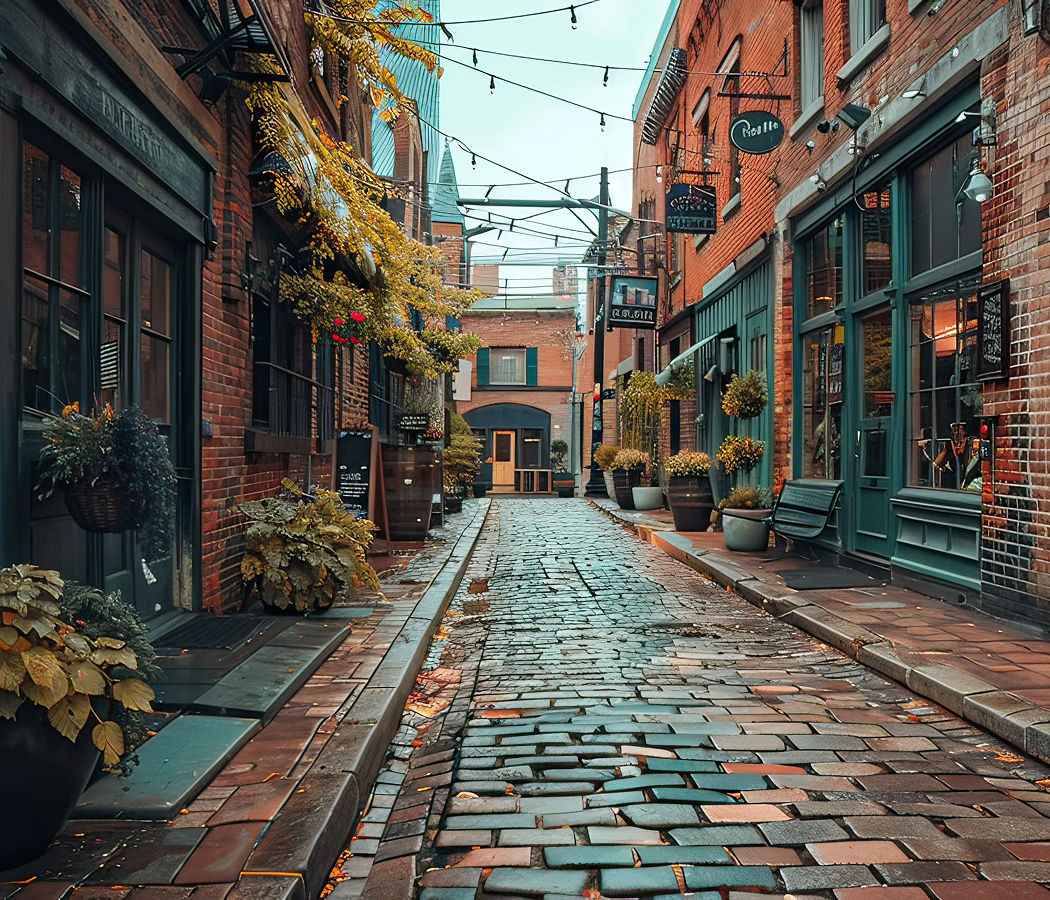
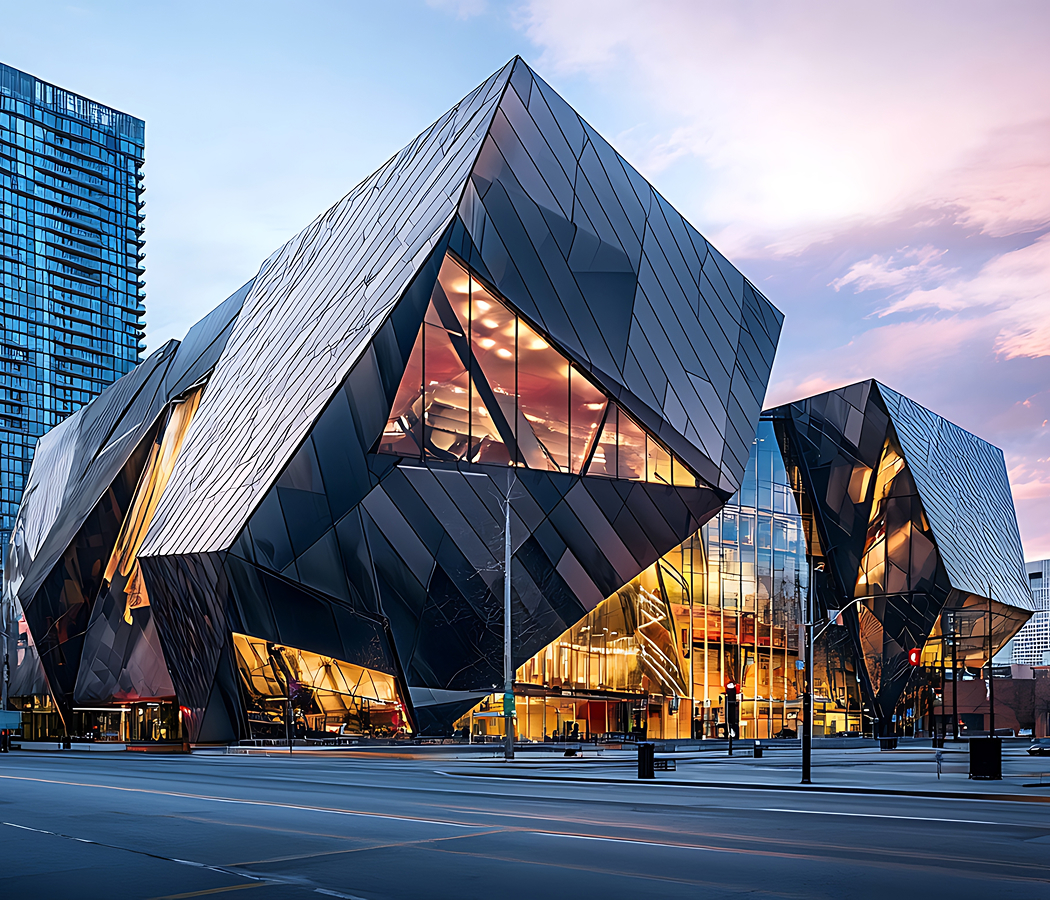
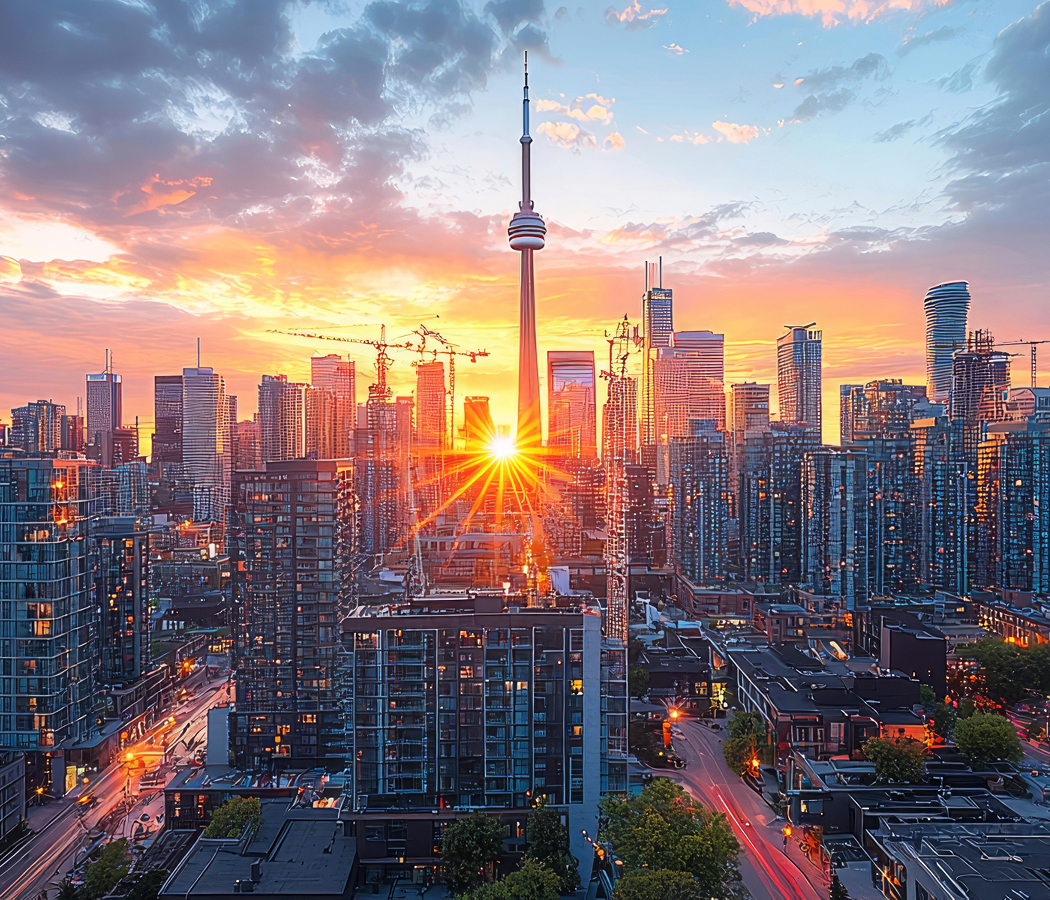
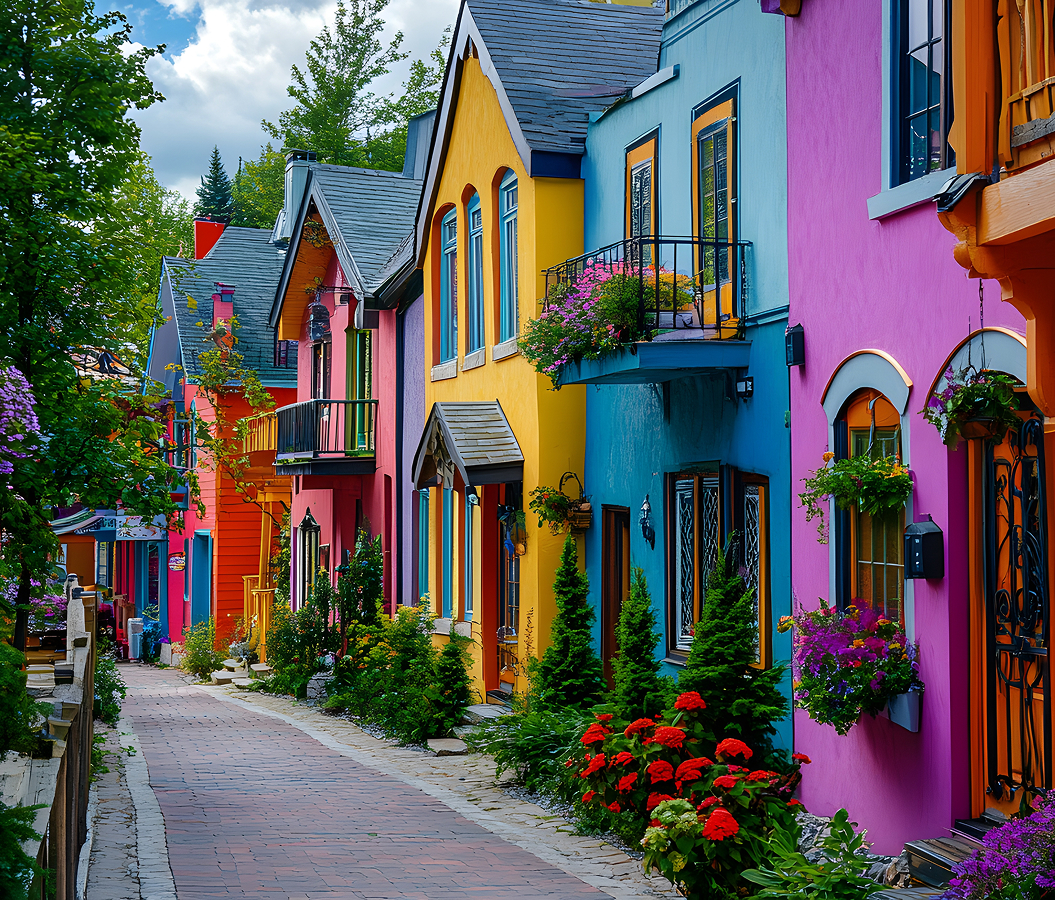
Running through Dovercourt Village between Dufferin Grove and Christie Pits, the corridor connects early twentieth-century residential blocks, mature tree canopies, neighborhood institutions, and longstanding commercial corridors that collectively demonstrate Toronto's expansion beyond its nineteenth-century city limits. Successive blocks reveal how electric street railways, speculative homebuilding, and generations of immigrant settlement shaped a streetscape whose historic character remains clearly visible today. Throughout the corridor, period houses, community institutions, and established residential patterns continue reinforcing a strong sense of continuity across Toronto's west end. The result is an experience defined by architectural craftsmanship, neighborhood identity, and one of the city's most enduring residential corridors.
What you should know about Hallam Street.
Hallam Street is best known for developing during Toronto's westward residential expansion between the 1890s and the 1920s, when farmland belonging to the former Denison Estate and neighboring properties was subdivided into building lots following the extension of electric streetcar service along nearby Bloor Street and Dovercourt Road. Construction during this period established a cohesive collection of Victorian, Edwardian, and Arts and Crafts residences distinguished by red brick masonry, projecting bay windows, decorative brick corbelling, carved stone lintels, stained-glass transoms, and broad front verandas. Residential growth coincided with the incorporation of the Village of Dovercourt in 1888, followed by its annexation to the City of Toronto in 1910, bringing municipal water, paved streets, sewer infrastructure, and expanded public services that accelerated development throughout the surrounding neighborhood. The corridor also benefited from its proximity to the Canadian Pacific Railway corridor, whose freight operations supported nearby industries while encouraging steady residential construction for Toronto's expanding workforce. Together, these municipal, transportation, architectural, and infrastructure milestones established Hallam Street as a defining product of Toronto's streetcar-era growth.
Subdivision plans introduced consistent lot frontages, landscaped setbacks, rear service lanes, and orderly building lines that produced a remarkably unified residential streetscape despite construction by numerous independent builders across several decades. Churches including St. Matthew's Anglican Church and community institutions established throughout Dovercourt Village strengthened the neighborhood's social fabric as British, Italian, Portuguese, Caribbean, and Latin American families successively contributed to the corridor's evolving character during the twentieth century. Heritage inventories prepared by the City of Toronto continue documenting original masonry façades, decorative woodwork, period rooflines, and surviving streetscape elements that preserve the avenue's early residential character while encouraging careful restoration of historic building fabric. Collectively, these planning principles, community institutions, demographic changes, and preservation initiatives demonstrate how Hallam Street developed into one of Dovercourt Village's most cohesive and historically expressive residential corridors.
How to fold Hallam Street into your trip.
Hallam Street works as an exploration of Toronto's streetcar suburbs, neighborhood architecture, and west-end cultural heritage.
Begin at Christie Pits Park, where the historic public landscape introduces the recreational spaces that accompanied west-end residential expansion during the early twentieth century. Continue to Paradise Theatre, whose restored 1937 Art Moderne architecture demonstrates the commercial and cultural investment that accompanied the maturation of the surrounding neighborhood. Conclude at Dufferin Grove Park, where one of Toronto's most celebrated community parks reflects the enduring civic traditions that continue shaping the character of Dovercourt Village today. Together, the sequence progresses from public landscape to neighborhood culture before culminating in community stewardship, revealing why Hallam Street remains deeply connected to the historic evolution of Toronto's west end.
Where your story begins.
Foresyte Travel reveals places that feel extraordinary long before you arrive.
Experience premium editorial crafted for luxury travelers.