Why you should experience Hotel Nelligan in Montréal, Québec.
Hotel Nelligan is an Old Montréal institution where historic masonry, intimate scale, and refined contemporary comfort merge into a stay that feels deeply atmospheric, quietly romantic, and inseparable from the city's layered identity.
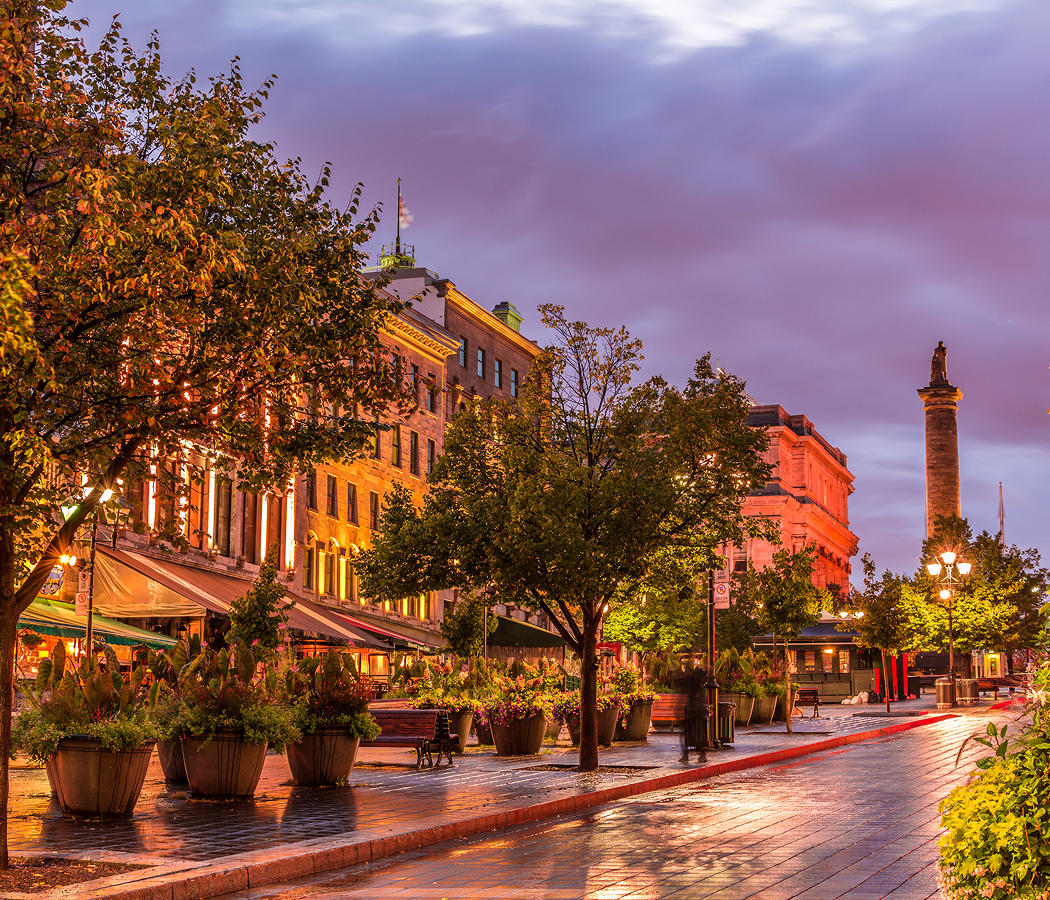
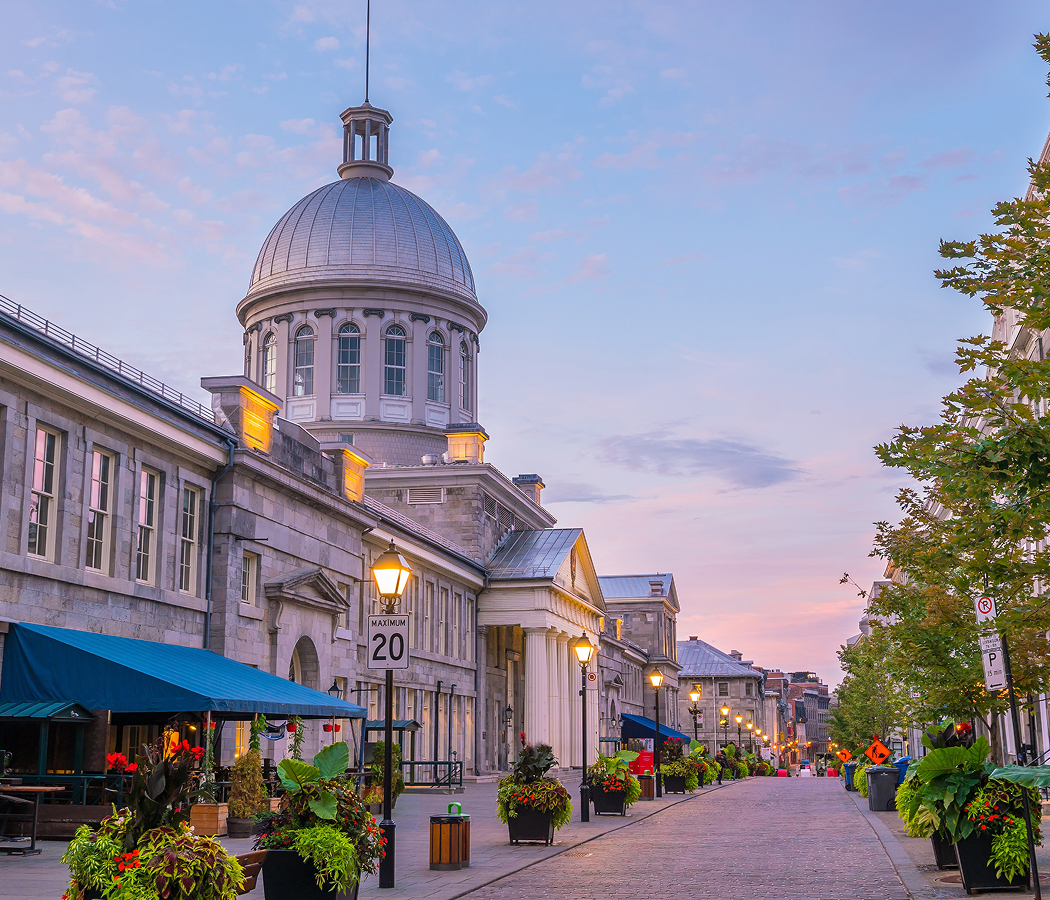
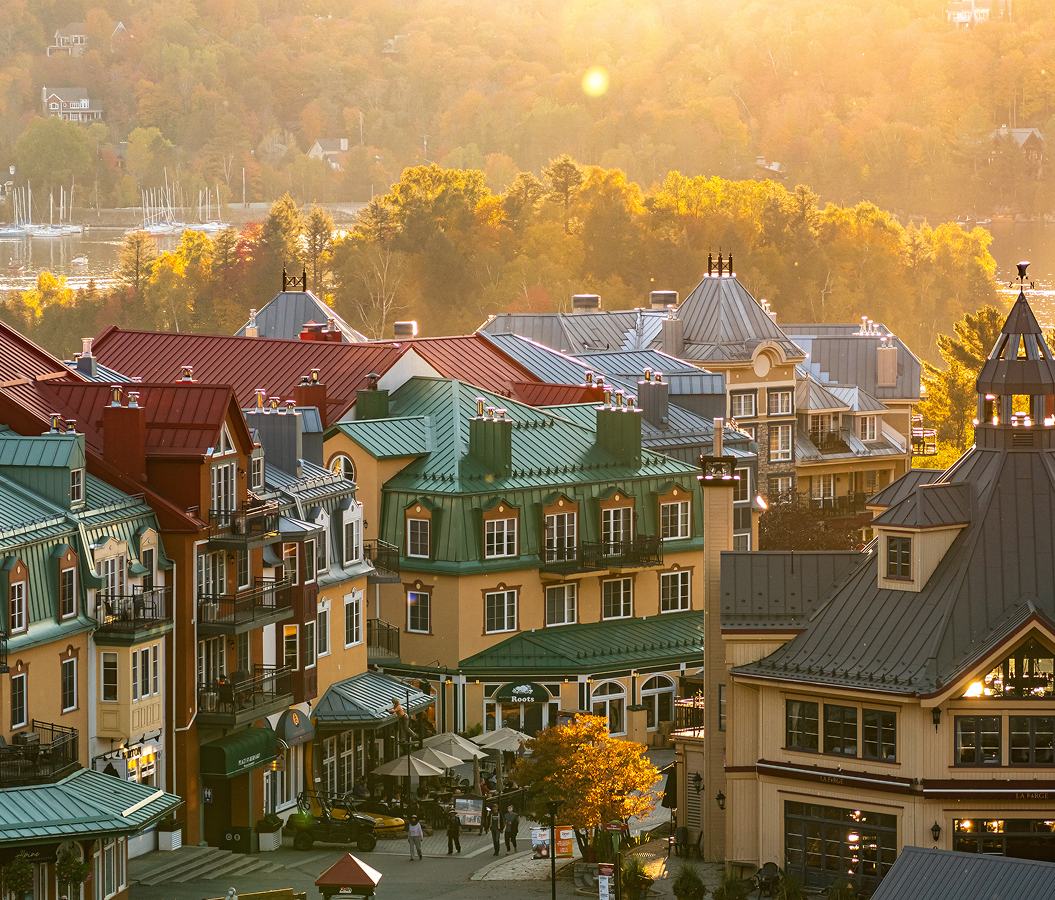
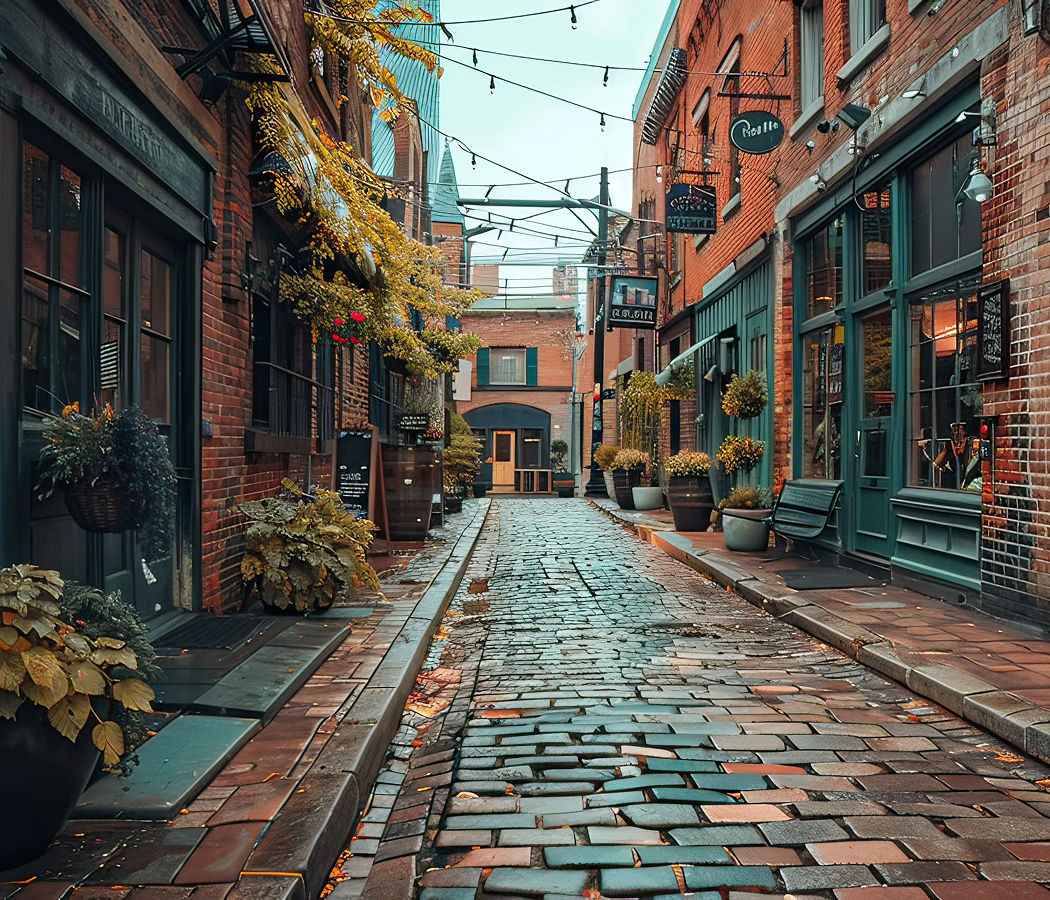
Set along Saint-Paul Street in the heart of Old Montréal, Hotel Nelligan occupies a collection of restored 19th-century stone buildings that immediately ground you in the city's mercantile past. Arrival here feels tactile and real. Cobblestones underfoot, thick stone walls, and narrow streets establish a sense of density and continuity that modern districts simply cannot replicate. You are not approaching a hotel designed to stand apart from its surroundings; you are entering one that belongs to them. Inside, the transition is subtle and assured. The lobby feels warm, intimate, and composed, with exposed stone, rich woods, and lighting that favors glow over brightness. There is an immediate sense of enclosure in the best sense, a feeling of being held by the building. Public spaces unfold gradually, encouraging you to linger. Seating areas feel conversational, scaled for presence rather than performance, and the overall atmosphere invites calm observation rather than performance. Guest rooms carry this same balance of heritage and restraint. Layouts are generous but never excessive, allowing space to settle without losing the intimacy that defines boutique stays. Beds are deeply comfortable, designed for long, restorative rest after days spent walking Old Montréal's uneven streets or absorbing the city's cultural density. Furnishings blend contemporary lines with classic warmth, leather, wood, stone, and soft textiles layered together in a way that feels intentional. The palette remains muted and confident, letting light, shadow, and texture shape mood throughout the day. Many rooms feature exposed stone walls or large windows overlooking Saint-Paul Street, interior courtyards, or historic rooftops, reinforcing the sense that you are sleeping inside the city's living architecture. Bathrooms are clean, refined, and thoughtfully proportioned, supporting daily rituals with clarity. What defines Hotel Nelligan is its ability to feel richly historic. Mornings arrive quietly, shaped by soft light and the slow awakening of Old Montréal. Afternoons feel exploratory and fluid, ideal for returning between museum visits, café stops, or walks along the river. Evenings settle into warmth and intimacy, where dining, conversation, and city life feel layered. The hotel's dining and lounge spaces contribute strongly to this rhythm. Rooftop and interior venues feel like extensions of the building's character rather than detached amenities, offering spaces that are social without being loud and refined without rigidity. Service throughout the hotel is polished, attentive, and discreet. Interactions feel genuinely human rather than scripted, guided by an understanding that guests choose this hotel for its atmosphere and location as much as for comfort. Staff offer insight grounded in lived familiarity, how Old Montréal shifts between day and night, which streets feel most alive after dusk, where to find quieter moments when the area fills with visitors.
What you should know about Hotel Nelligan.
Hotel Nelligan is built on a philosophy that treats architecture, material honesty, and spatial intimacy as the foundation of hospitality, allowing history to function as lived context.
Rather than overlaying nostalgia, the hotel allows its original stone structures and proportions to carry resonant weight. Exposed masonry is not treated as ornament; it is structural and grounding, shaping how sound, light, and temperature move through the space. This gives the hotel a physical depth that is felt more than noticed. Public areas are deliberately scaled to avoid the anonymity of larger properties. Corridors feel human in dimension. Lounges feel conversational. Lighting is warm and restrained, reducing physical fatigue and encouraging longer, more settled moments. Another understated strength lies in how the hotel manages social energy. Old Montréal is dense and often busy, yet Hotel Nelligan consistently provides a buffer. Shared spaces feel alive without crowd pressure, allowing guests to engage or withdraw without friction. Rooms reinforce this modulation. Clear separation between sleeping, sitting, and bathing areas reduces mental clutter and supports genuine rest, especially for multi-night stays. The hotel's location is central to its identity. Old Montréal is not a backdrop but an immersive environment where history, tourism, commerce, and local life intersect tightly. Staying here means accepting that density, the sound of footsteps on stone, distant church bells, street musicians, multiple languages moving through the air. Hotel Nelligan does not mute these elements; it frames them, allowing the city's texture to feel meaningful. Service philosophy mirrors this respect for place. Staff interactions are attentive without excess, offering recommendations that emphasize timing and nuance rather than exhaustive lists. Guidance often focuses on when and how to experience Old Montréal, which streets are quietest in the morning, where light falls best in late afternoon, how evenings shift as day visitors depart. The guest profile reflects this alignment. Couples gravitate toward the intimacy and warmth. Solo travelers appreciate the sense of orientation and safety. Culture-driven visitors value the architectural context. Repeat guests return because the experience remains anchored even as the neighborhood evolves. Public spaces feel shared but not crowded. Rooms feel personal. Staying here often reshapes how Montréal is perceived, not as a city to be consumed quickly, but as one that reveals itself through repetition, proximity, and attention. Hotel Nelligan does not explain Montréal; it places you inside one of its most textured chapters.
How to fold Hotel Nelligan into your trip.
Hotel Nelligan works best when your Montréal experience is best known for pacing, proximity, and allowing history and street life to guide movement.
Begin your mornings by stepping directly onto Saint-Paul Street and letting the neighborhood orient you. Notice how Old Montréal wakes gradually, delivery carts, café doors opening, light catching stone façades. Walk without destination, allowing curiosity rather than itinerary to determine direction. Late mornings and early afternoons are ideal for museums, galleries, and long lunches where conversation and observation matter more than speed. Return to the hotel midday. These pauses are not breaks from experience; they allow impressions to settle and prevent physical overload. Use your room as a place to rest, recalibrate, or simply be still. In the afternoon, venture outward again with clarity. Walk toward the river, explore adjacent streets, or sit in a square and watch the city move. As evening approaches, let dinner feel intentional but unhurried, nearby, a short walk away, then return through streets that now feel familiar. Nights here feel intimate and layered, shaped by stone, light, and continuity. On your final morning, linger longer than planned. One last coffee. One final walk through streets that now feel known. Let departure feel measured.
Where your story begins.
Foresyte Travel reveals places that feel extraordinary long before you arrive.
Experience premium editorial crafted for luxury travelers.