Why you should experience Lofts du Vieux-Port in Montréal, Québec.
Lofts du Vieux-Port is a uniquely immersive Old Montréal stay where spacious apartment living, raw industrial character, and the city's historic fabric merge into an experience that feels residential, rooted, and unmistakably authentic, a place where your stay is life in the city.
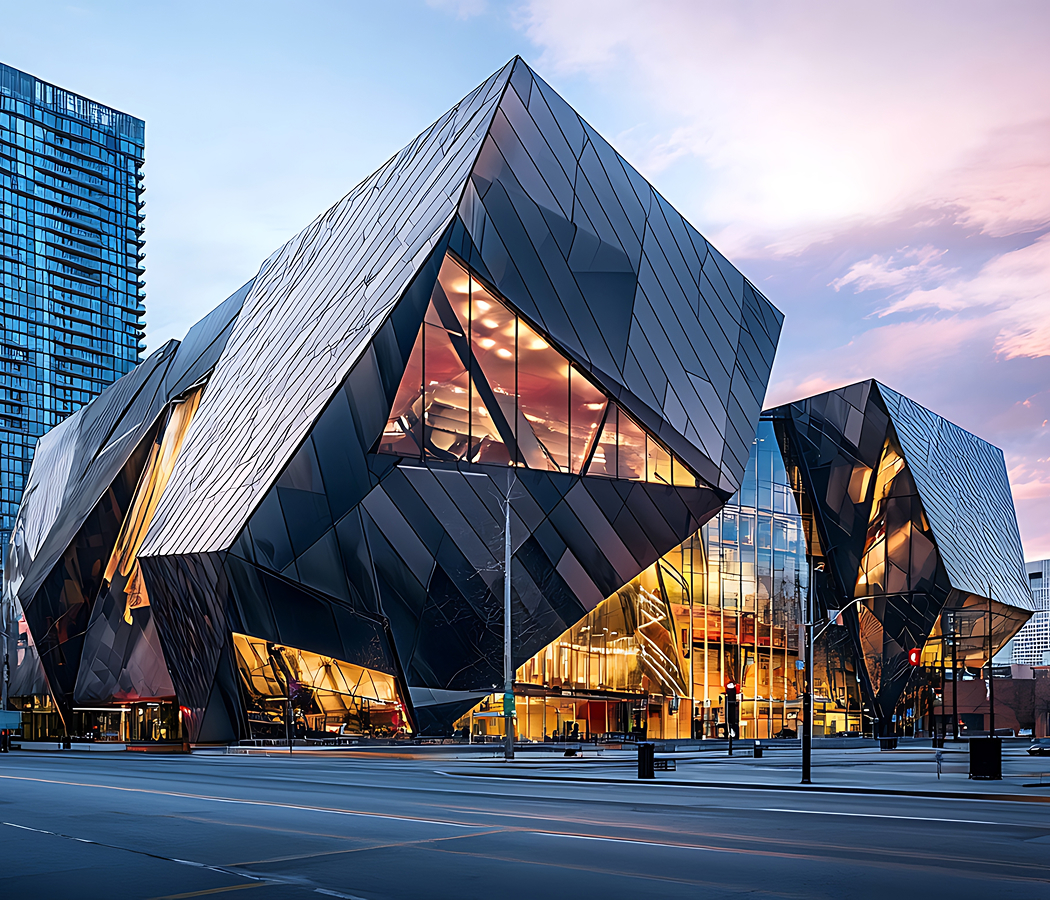
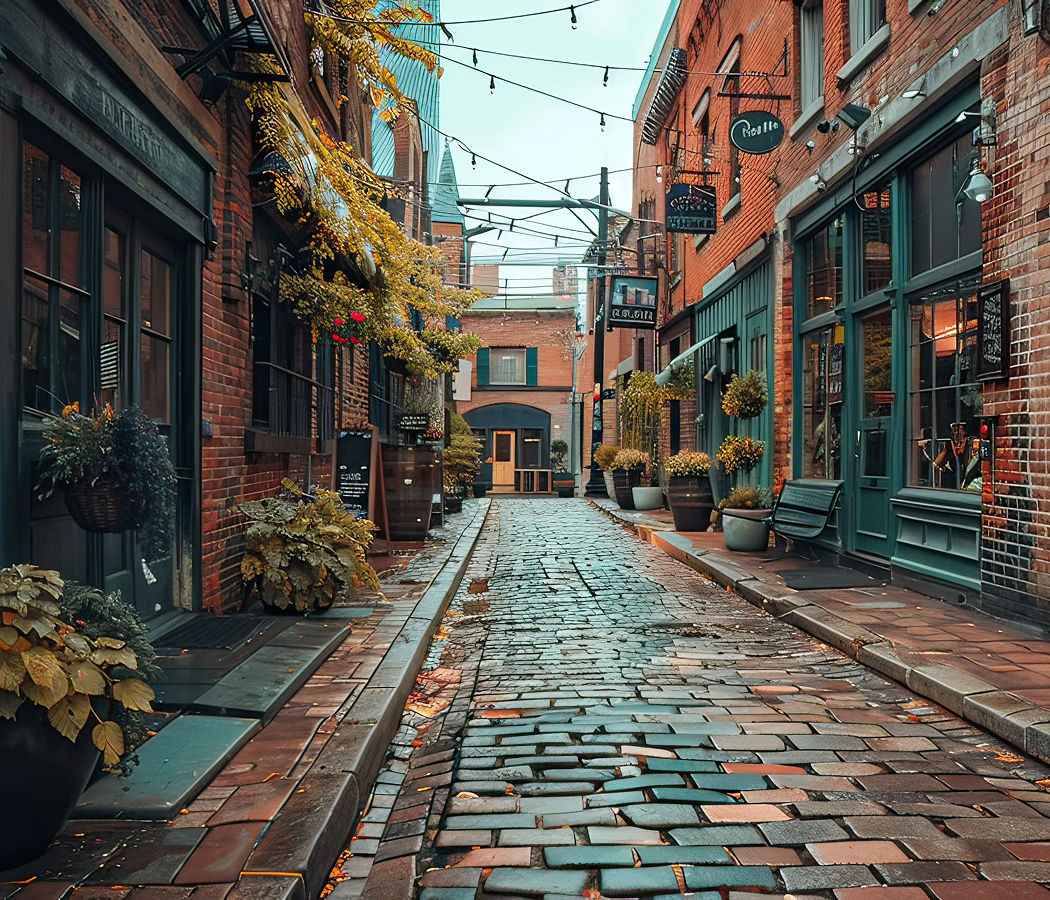
Located in the heart of Old Montréal's heritage district, Lofts du Vieux-Port occupies restored industrial architecture that once housed warehouses and creative spaces. Arrival here feels like stepping into the inner logic of the city's lived history. The building's façade, exposed brick, large steel-framed windows, and soaring structural volumes, reflects an honest architectural past that hasn't been smoothed over for tourism. Inside, the space retains this directness with loft layouts that prioritize proportion, light, and spatial freedom over traditional hotel room compression. Public areas have an immediate sense of possibility: expansive volumes, high ceilings, and open sightlines that allow you to orient your body and attention. Instead of decorative staging or thematic gestures, the environment feels real, raw, textural, and palpably connected to its industrial lineage. Guest lofts are where this architectural sincerity becomes personal. Unlike conventional hotel rooms, these spaces feel truly inhabitable. Layouts are generous, with separate zones for living, sleeping, cooking, and working, a structure that supports both longer stays and deeper engagement with your own rhythms. The spatial generosity instantly changes how your stay feels: you unpack fully, settle in, and begin to live in the space, not just use it. Beds are large and comfortable, framed by expansive volumes that make sleep feel like rest. Living areas are scaled for real use, make a meal, lounge with a book, rethink your day, and large windows frame views of historic rooftops and rhythmic streets that remind you you're in an urban tissue that's been alive for centuries. Kitchens, full and functional rather than symbolic, allow you to prepare meals like someone who actually lives here, not someone who is passing through. Furnishings lean contemporary and durable, chosen for feel and use. Textures, wood, metal, stone, concrete, feel tactile and honest, reinforcing the sense that this is a space you live in, not just sleep in. Bathrooms are composed and practical, designed to support routines with clarity. What defines Lofts du Vieux-Port is its refusal to treat hospitality as performance. Mornings feel unhurried and real. Afternoons invite intentional return. Evenings settle into a calm that feels like living. There is no lobby theatre, no curated itinerary, and no overt narrative about place, just space that allows you to be in it. This is not a hotel trying to interpret Montréal; it is a platform on which you can inhabit it. Service here is minimal in the best sense: unobtrusive, practical, and designed to support your autonomy. Check-in feels like taking possession of your own space, and interactions are purposeful.
What you should know about Lofts du Vieux-Port.
Lofts du Vieux-Port is founded on a philosophy that treats space, material honesty, and everyday living as the heart of hospitality, creating an environment where how you use space matters as much as how it looks.
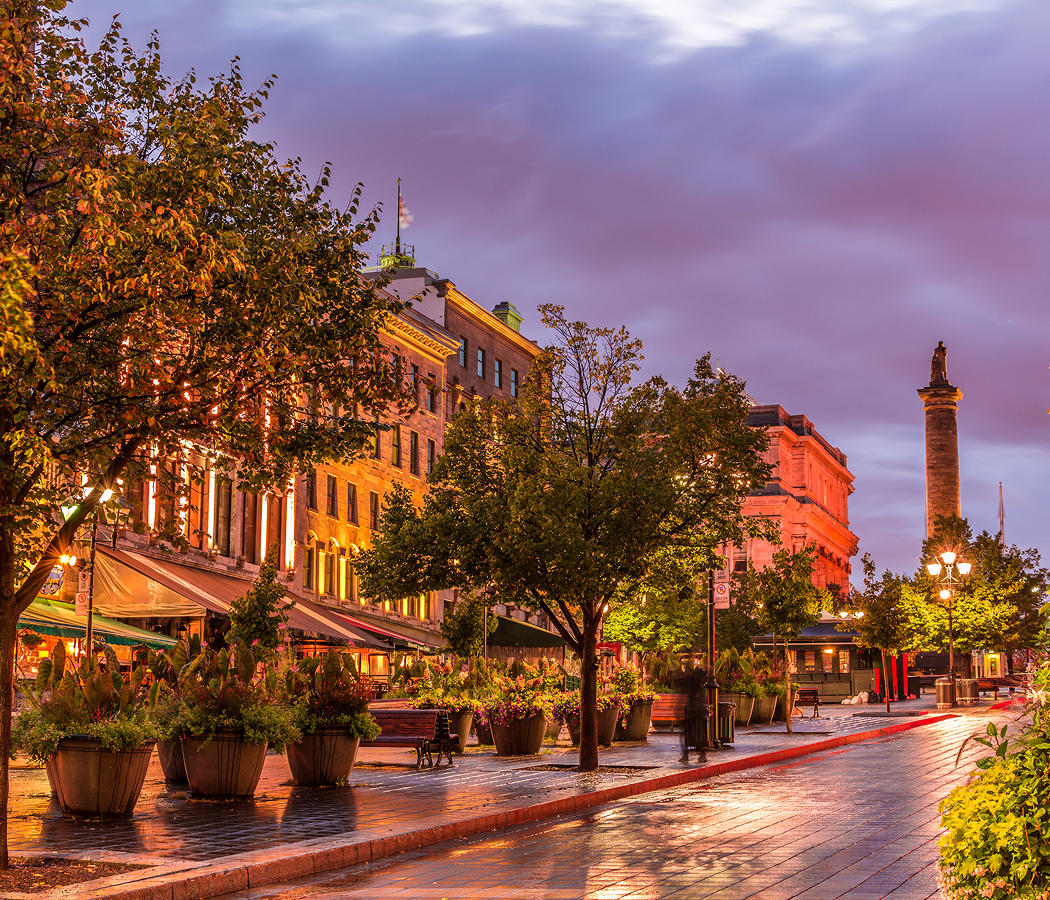
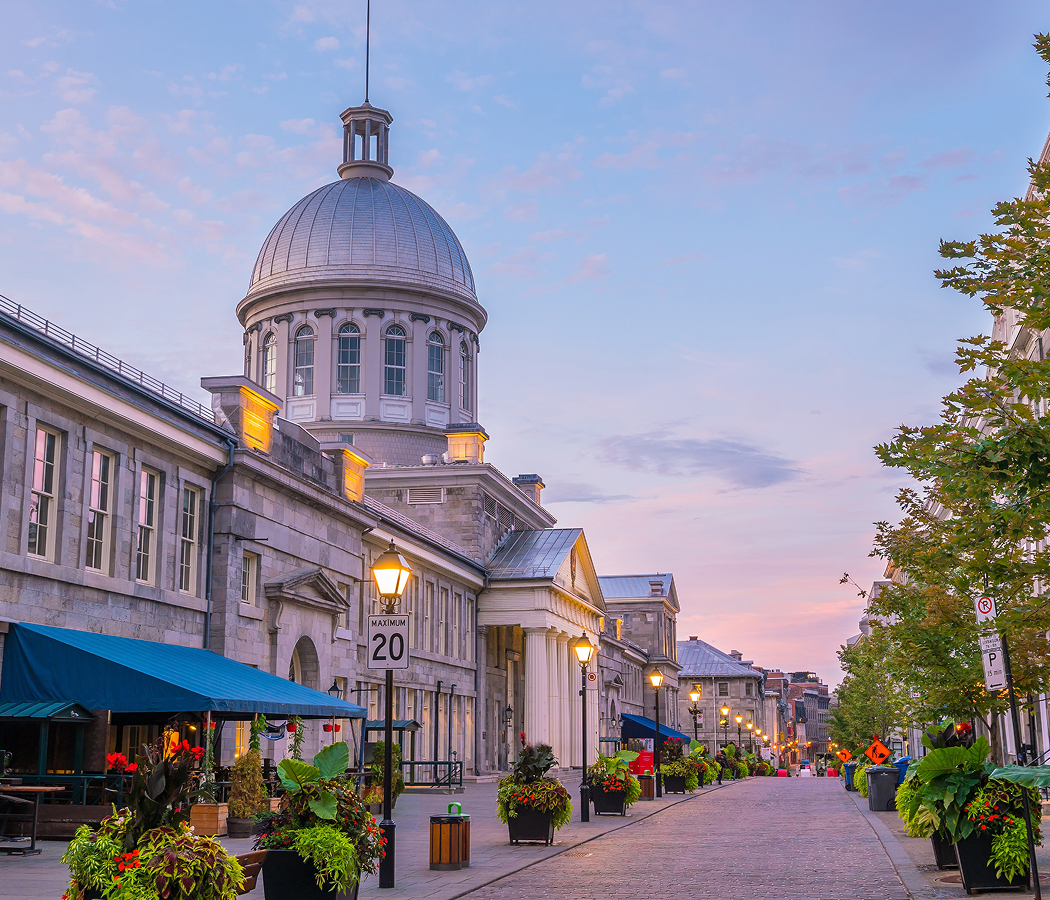
This means departing from the typical hotel logic of staged moments, decorative layering, or thematic storytelling. Instead, the property allows the original structure's character, brick, steel, timber, and light, to shape the experience. The result is a place that does not announce itself; it anchors you. Public spaces are not divided into performance zones (lobby, lounge, bar) but bleed into one another with architectural coherence. Seating accommodates work, reading, conversation, and pause. Sightlines are open and effortless, reducing cognitive friction and making navigation intuitive. Loft apartments themselves are efficacious by design. They offer distinct functional zones, living, cooking, sleeping, that support real daily rhythms rather than compressed, multi-use surfaces that confuse program and purpose. Kitchens aren't props; they are usable, with real appliances and space that invite meal preparation. This supports a kind of hospitality that honors autonomy and length of stay, whether a few nights or longer. The interiors' tactile materials do more than look good; they feel good under hand and underfoot. Wood warms, stone grounds, metal anchors, and light interacts with these surfaces in ways that feel dynamic. This material intelligence subtly improves the resonant experience of space, making it feel inhabitable. The location is part of the property's identity. Embedded within Old Montréal's heritage grid, you are surrounded by histories that refuse easy summary. This is a neighborhood that reveals layers with time: alleyways that catch shadow differently in the morning, stone façades that hold light at dusk, and quieter courtyards tucked between active streets. Lofts du Vieux-Port does not smooth these textures; it lets them remain edgy and tactile. Service philosophy mirrors this architectural logic. Interactions are purposeful and rarely performative. Staff focus on practical support, keyless access, local transit insight, neighborhood cues, rather than scripted greetings or staged experiences. This quietly amplifies autonomy: you are in control of how you move through the city rather than being shepherded from highlight to highlight. The guest profile reflects this independence. Travelers who value space over performance, depth over checklist, and rhythms over agendas feel immediately at ease here. Solo visitors enjoy autonomy and clarity. Couples appreciate room to breathe together. Longer stays feel natural. Public spaces feel shared. Lofts feel personal. Staying at Lofts du Vieux-Port often reframes how you think about travel itself, shifting from seeing a place to living in it. This property does not define Montréal for you; it provides the spatial logic in which Montréal lives around you.
How to fold Lofts du Vieux-Port into your trip.
Lofts du Vieux-Port works best when your Montréal experience is best known for rhythm, autonomy, and letting your own tempo guide exploration.
Begin your mornings. Make coffee in your own kitchen, sip it slowly while watching light move across brick and cobblestone, and let the city's texture orient your pace. Late mornings and early afternoons are ideal for walking without deadline, through narrow streets, by galleries, toward cafés with shaded terraces. Return midday to your own space, not as a retreat but as a pause with continuity. Use your living area to rest, read, or plan; let presence settle. In the afternoon, return to the street with clarity. Explore the Old Port, hit a design boutique that caught your eye earlier, or walk toward the river where light plays differently as the day ages. As evening approaches, let dinner plans remain flexible. Cook something with local ingredients in your apartment's kitchen, or wander toward a neighborhood bistro that calls you in. After dinner, return to your loft with ease; the space will feel like home you're visiting. Nights here are restful and continuous, shaped by spatial coherence. On your final morning, linger longer than planned. One last coffee on your terrace window. One last circuit through brick lanes that now feel familiar. Let departure feel intentional.
Where your story begins.
Foresyte Travel reveals places that feel extraordinary long before you arrive.
Experience premium editorial crafted for luxury travelers.