Why you should experience Parish Church of Saint-Jovite in Mont-Tremblant, Québec.
Parish Church of Saint-Jovite is the mountain's quiet soul, a place where time softens, light gathers, and faith feels less like doctrine than presence.
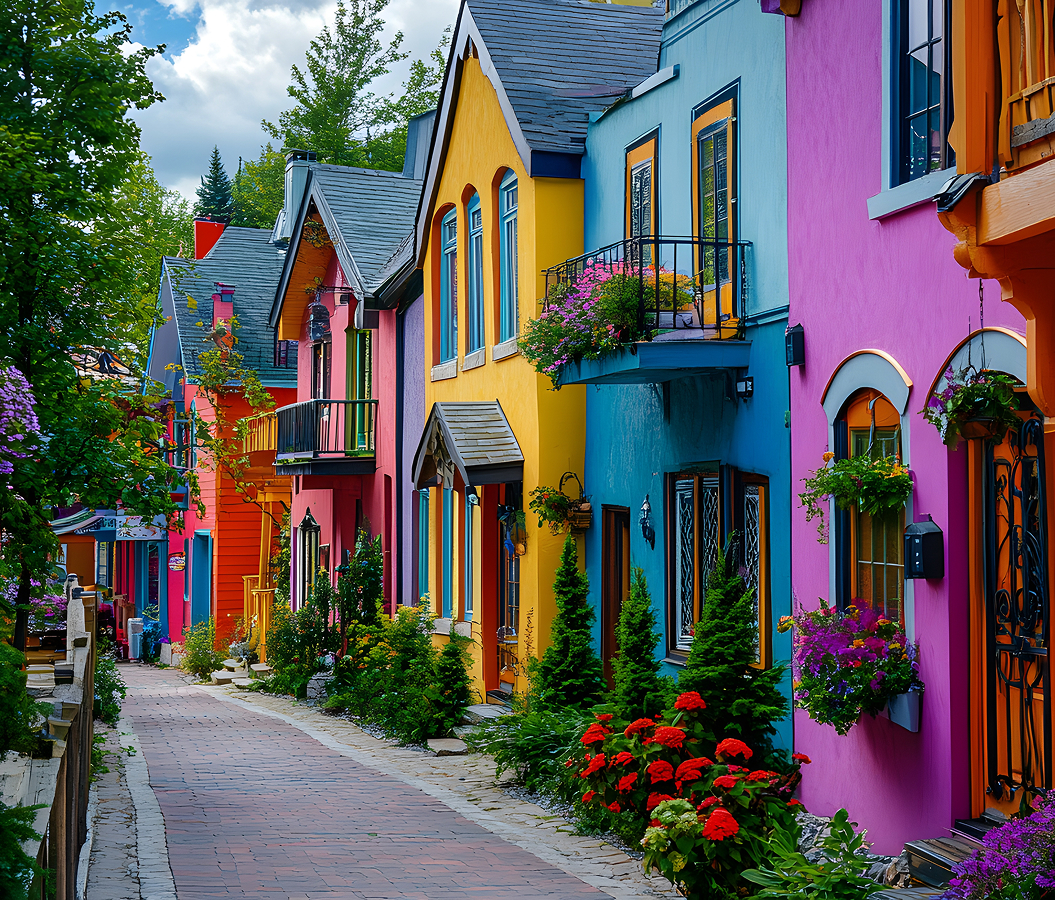
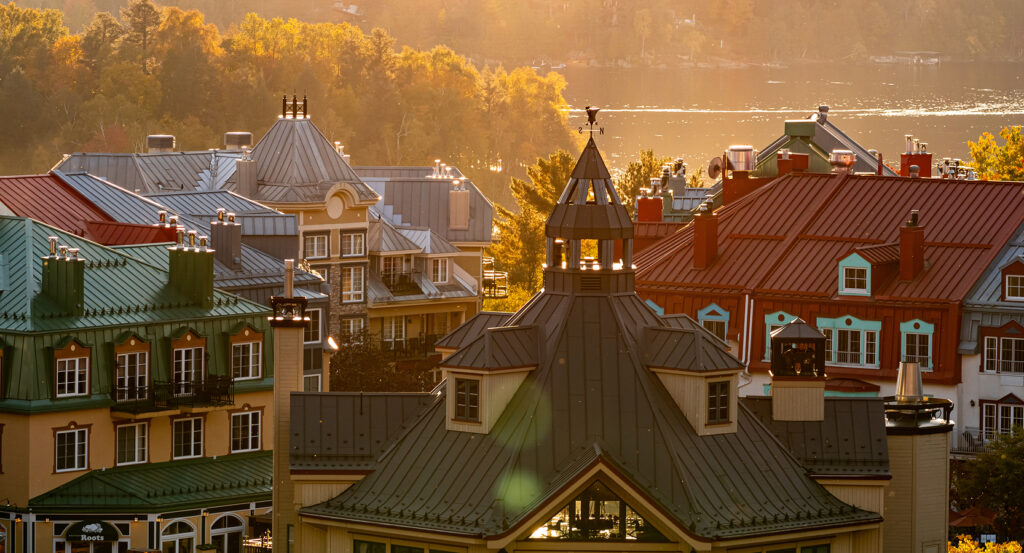
Tucked into the heart of the Saint-Jovite village, the church rises from its stone foundation with a simple kind of grace: a tall steeple catching the sky, wooden doors weathered by decades of snow, and stained-glass windows that spill color onto the worn pews within. Step inside, and the air changes, cool, hushed, carrying the faint scent of pine and candle wax. The interior glows in shades of amber and blue, the glass narrating biblical scenes framed by the Laurentian light outside. It's not opulent or grand; it's intimate, honest, built for reflection as much as reverence. When the bells toll across the valley, they seem to harmonize with the wind through the mountains, turning sound into stillness. Parish Church of Saint-Jovite isn't just a building, it's Tremblant's beating heart, steady and unwavering amid the seasons.
What you should know about Parish Church of Saint-Jovite.
Parish Church of Saint-Jovite stands as one of the Laurentians' most enduring testaments to craftsmanship and community, a century-old landmark shaped by faith, timber, and frost.
Constructed in the early 1900s, the church was built almost entirely by local hands using native stone and larch wood harvested from nearby forests. Its design fuses traditional Québecois parish architecture with mountain adaptations: thicker walls to trap heat, steep eaves to shed snow, and a slender spire visible from nearly every corner of the village. The original bell, still in use today, was cast in France and carried to Tremblant by horse-drawn sleigh. During the long winters of the mid-20th century, the church doubled as a gathering hall, hosting everything from candlelit vigils to small-town concerts when snow made travel impossible. Restoration efforts in recent decades preserved its original altar, choir loft, and stained-glass artistry, all without altering the building's rustic authenticity. Few realize that the church's orientation is deliberate: its nave faces east toward the rising sun, symbolizing renewal and resilience, while its back wall aligns with the old road to Montréal, a reminder of Tremblant's link to the wider world. Beneath the surface, geothermal heating now hums quietly where woodstoves once stood, a seamless marriage of heritage and modern care.
How to fold Parish Church of Saint-Jovite into your trip.
Parish Church of Saint-Jovite works as the still point in Tremblant's rhythm, a pause between mountain and memory.
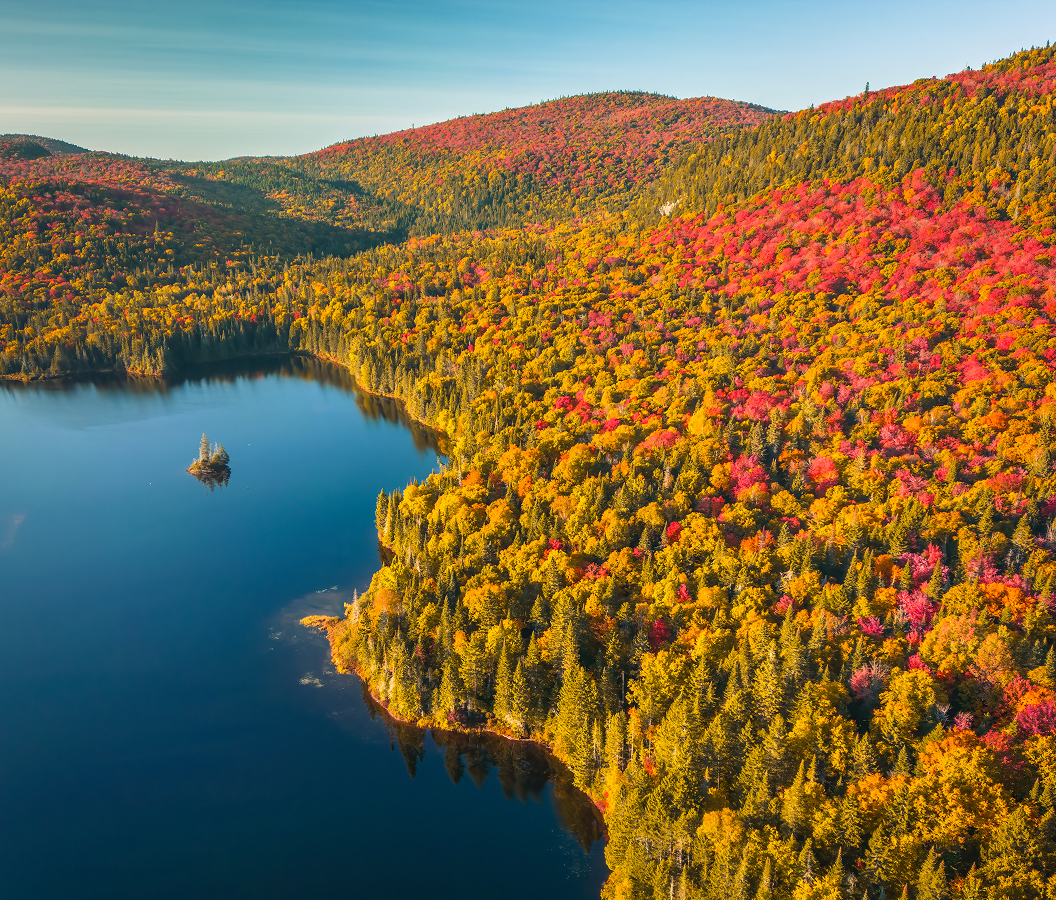
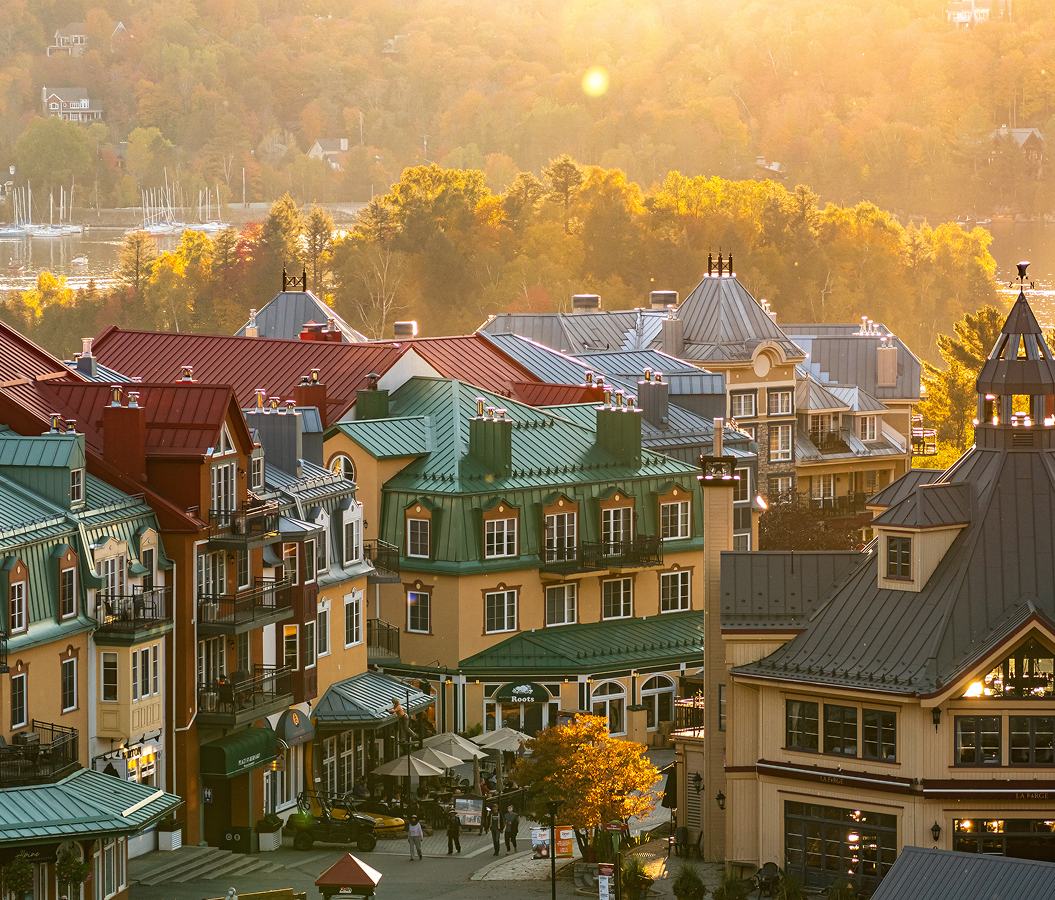
Drive or stroll into the old village of Saint-Jovite, where the streets hum with cafés and artisan shops, and you'll find the church set slightly apart, surrounded by spruce and snowdrifts in winter or wildflowers in summer. Visit in the morning when the interior is filled with cool, blue light, or late afternoon when sunbeams pass through the stained glass like ribbons of fire. Step inside even if only for five minutes; the silence carries a peace rare in the modern world. If you're there on a Sunday, attend Mass, even without understanding the French liturgy, the rhythm of prayer and music feels universal. Afterward, walk through the adjoining cemetery where weathered stones tell quiet stories of generations who built this region long before ski lifts and gondolas. End your visit with a slow walk through the village or coffee at a nearby terrace, the church bells often mark the hour, grounding you back in time. Parish Church of Saint-Jovite at Mont Tremblant isn't a site to check off a list, it's a sanctuary of stillness, a reminder that faith, in its truest form, is simply the act of listening.
Where your story begins.
Foresyte Travel reveals places that feel extraordinary long before you arrive.
Experience premium editorial crafted for luxury travelers.