Why Ocean Point Golf Links matters.
Ocean Point Golf Links is a windswept seaside course where Fripp Island's barrier-island character meets George Cobb's 1964 golf architecture, Atlantic exposure and a comprehensive Dye Designs Group renovation shaped around the original routing.
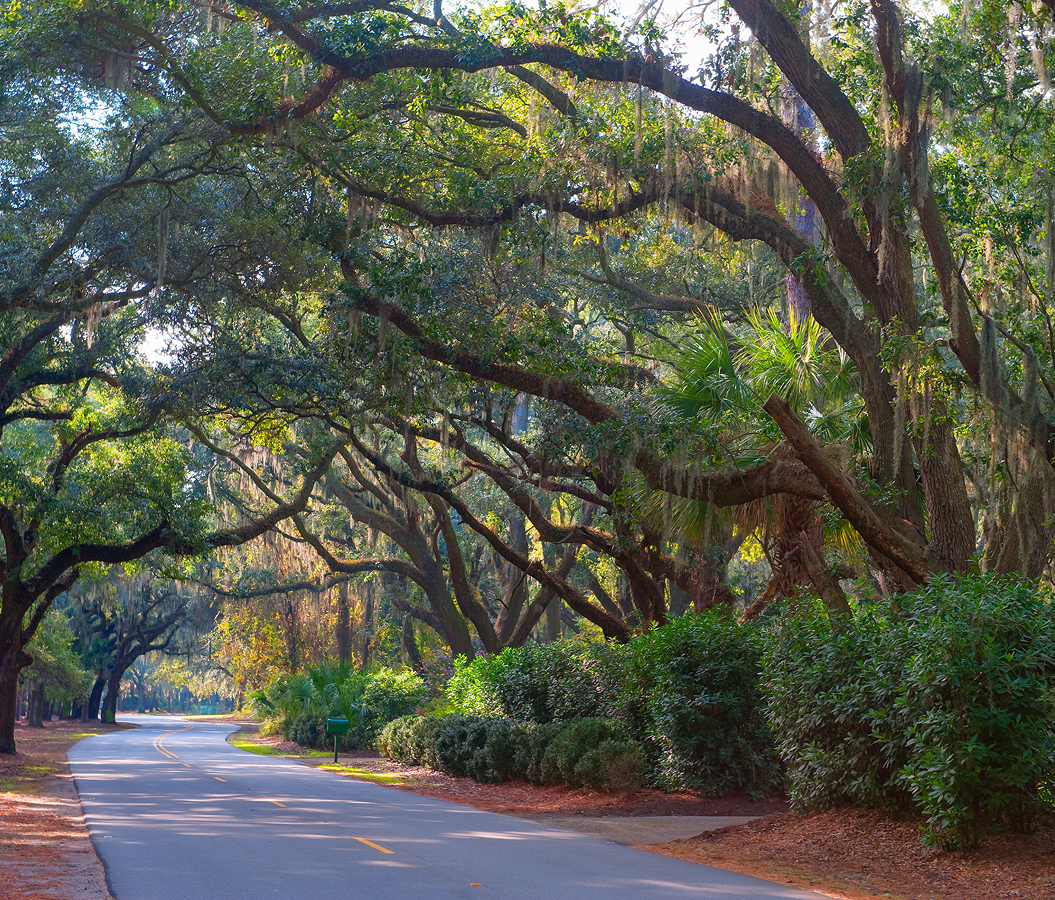
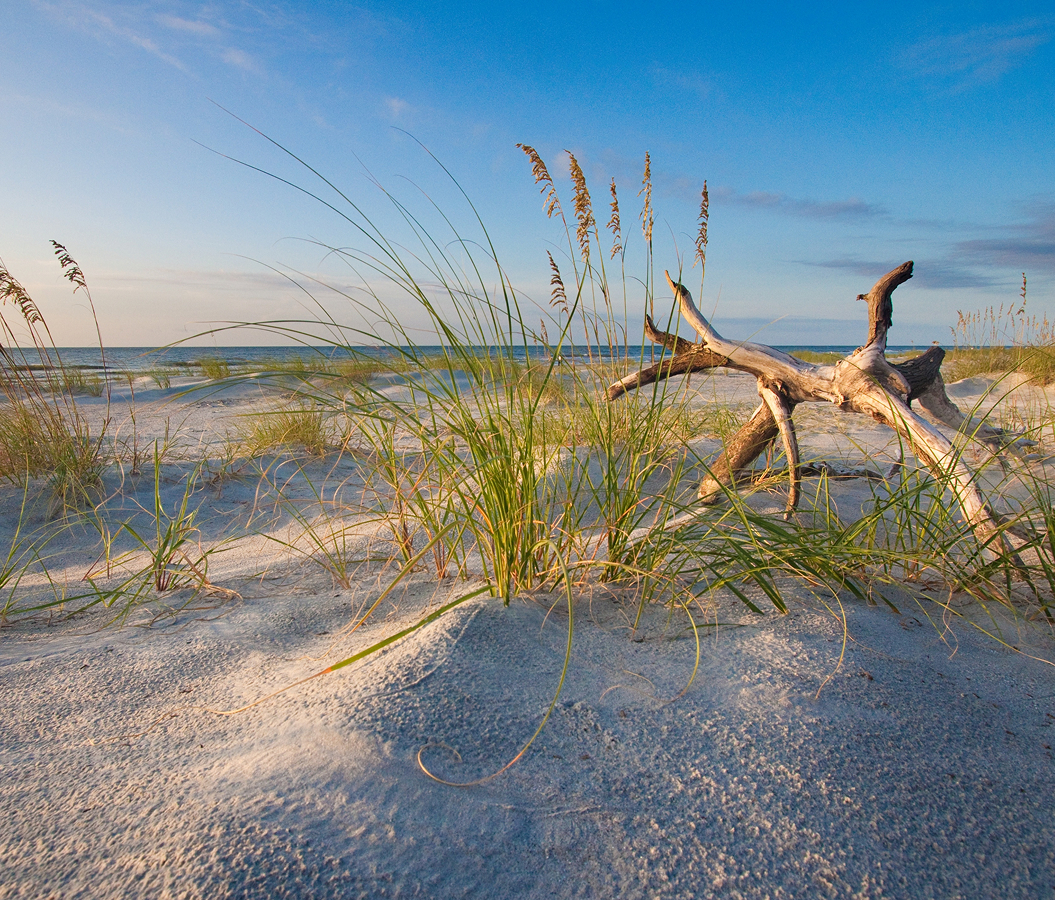
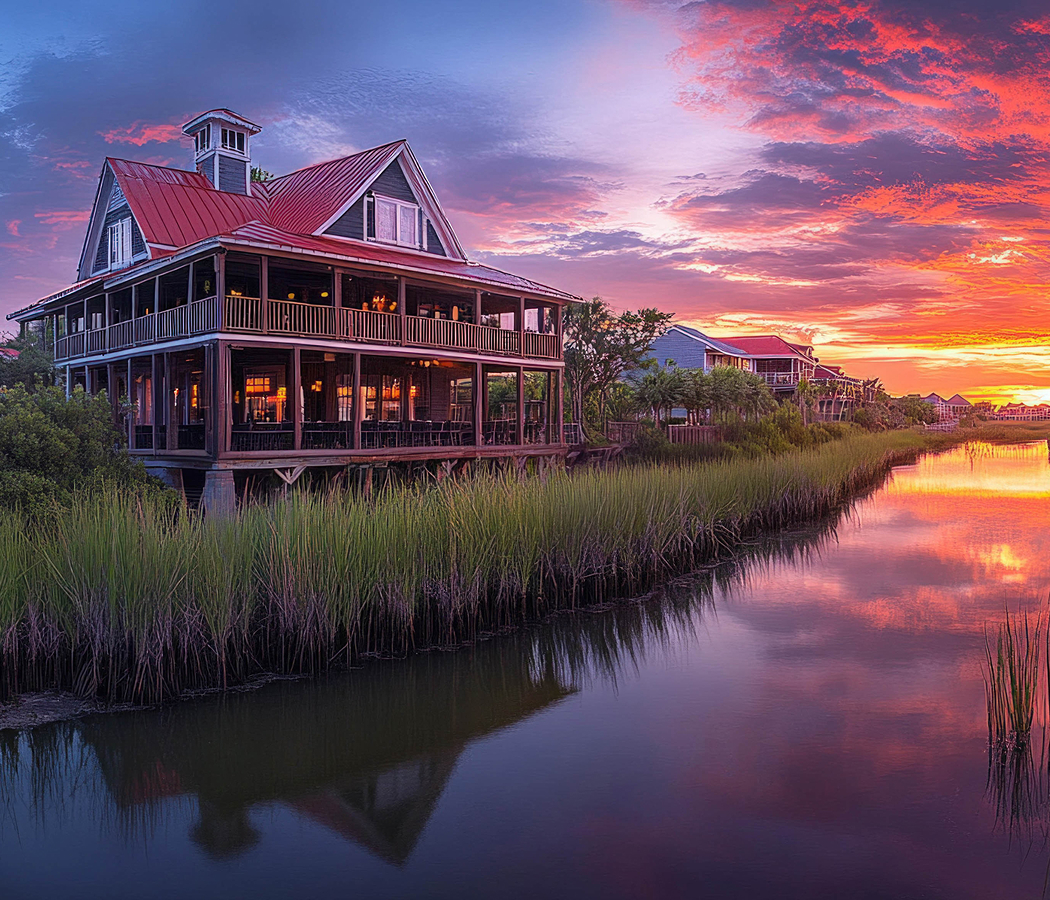
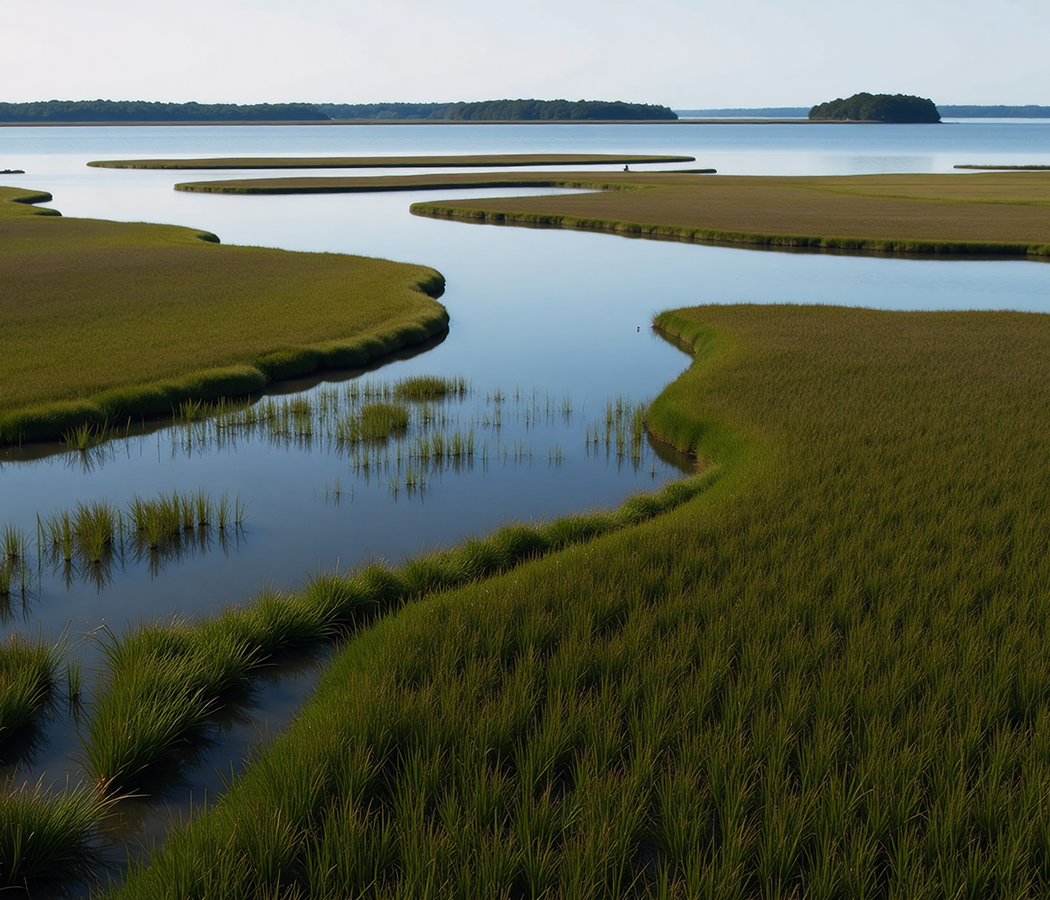
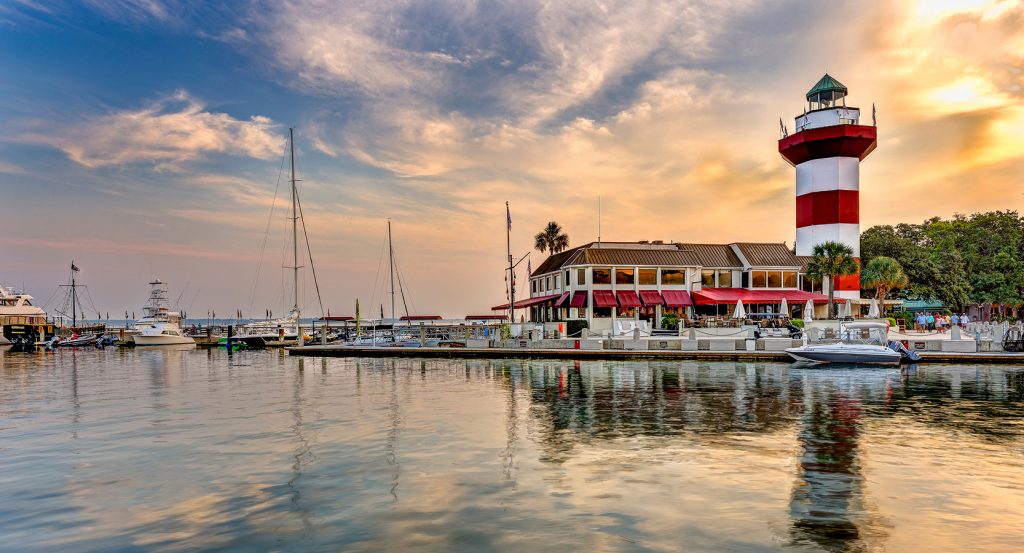
Set along Ocean Point Drive near the island's northern tip and just steps from Fripp Inlet, the course occupies the Atlantic edge of Fripp Island, with Hunting Island across the inlet to the north, the open ocean defining its eastern boundary and broad Lowcountry marshes separating the barrier islands from St. Helena Island farther inland. Five holes open directly toward the ocean or sound, placing saltwater, wind and coastal vegetation within the playing landscape. Cobb organized the par-72 routing around compact, heavily defended greens whose scale places a premium on approach placement. Native dunes added during the recent reconstruction strengthen the coastal landform around holes 13 and 18, and waste areas carry sandy texture deeper through the interior. The result is an oceanfront golf course whose small greens, exposed shoreline holes, coastal wind and restrained barrier-island terrain preserve Cobb's strategic foundation within a substantially renewed landscape.
What defines Ocean Point Golf Links.
Ocean Point Golf Links is best known for opening in 1964 as the original golf course of the developing Fripp Island resort, one year after completion of the half-mile bridge that first connected the island directly with the mainland. George Cobb designed the course during a prolific period that also included his work as a design consultant at Augusta National, giving the newly accessible barrier island an 18-hole centerpiece near its northern end. Fripp's modern development had begun in 1961, when access still required a boat from Hunting Island, making the bridge and golf course successive pieces of the island's conversion from an isolated hunting and fishing retreat into a residential resort community. Ocean Point subsequently received a four-star Golf Digest rating and a Golden Links Award from Corporate Meetings & Incentives, sustaining its position within the resort after the later Ocean Creek course expanded Fripp's golf program. Seascape Hospitality Group purchased Fripp Island Golf & Beach Resort in 2023 and made Ocean Point's reconstruction one of its first major capital projects. Dye Designs Group architects Cynthia Dye McGarey and Matt McGarey led the work, with Golf Course Services, Inc. handling construction. The renovated course reopened in October 2024 after changes reached all 18 holes, bringing a new phase of design to a layout that had anchored Fripp golf for six decades.
Fifty-three bunkers were reshaped or rebuilt during the reconstruction, including 11 new greenside bunkers and eight new fairway bunkers, materially changing the angles and hazards confronting Cobb's compact putting surfaces. Dye Designs Group added 5.5 acres of waste area, creating sandy ground features that extend beyond conventional bunkering and visually tie inland portions of the routing to the surrounding barrier-island terrain. Multiple teeing grounds were leveled or newly constructed, allowing the course to distribute playing angles and distances more deliberately across its existing footprint. Native dunes were built around holes 13 and 18, strengthening the physical relationship between the golf landscape and the Atlantic shoreline at two late-round points. More than 13,000 native plants followed, using vegetation to reinforce the reconstructed sandy areas and reduce the visual separation between maintained turf and coastal ground. Crushed-limestone cart paths and a new starter building completed the broader intervention around the playing surfaces. The redesign preserved the essential geometry of Cobb's course yet changed its hazard placement, ground texture and coastal vegetation on a scale substantial enough to make the 2024 work the most consequential physical alteration in Ocean Point's history.
How Ocean Point Golf Links fits.
Ocean Point Golf Links works as the anchor for a Sea Islands outing connecting a nineteenth-century beacon repeatedly challenged by shoreline erosion, a Civil War school central to Gullah Geechee history and a coastal artillery installation built to defend the naval infrastructure of Port Royal Sound.
Begin at Hunting Island Lighthouse, where the present cast-iron tower was completed in 1875 after Confederate forces destroyed its 1859 predecessor during the Civil War. Engineers assembled the replacement from interchangeable cast-iron sections, a construction method that proved decisive when shoreline erosion threatened the tower and forced its relocation 1.3 miles inland in 1889. Its 167-step stairway rises above a barrier island encompassing beach, salt marsh, maritime forest and lagoon, and a major restoration begun after its 2022 closure addressed structural stabilization, stairs, metalwork, lantern room and observation deck before the tower reopened in 2026. Continue to Penn Center, whose origins reach 1862, when a school for formerly enslaved people began with 80 pupils inside Brick Baptist Church during the Union occupation of the Sea Islands. The institution purchased land from freedman Hastings Gantt in 1864, opened a three-room school building the following year and received decades of support from Philadelphia Quakers before closing as a school in 1948. Penn subsequently became a center for preserving Gullah Geechee culture and hosted Martin Luther King Jr. during five visits between 1964 and 1967; its 25-building historic campus received National Historic Landmark District designation in 1974. Conclude at Fort Fremont Historical Preserve, where the Army Corps of Engineers built a coastal fortification in 1899 to protect the strategic dry dock and coaling station supporting the Atlantic Fleet during the Spanish-American War period. The 170-acre military installation accommodated as many as 110 personnel and included barracks, a hospital, stable, mess hall, bakery, commissary and water tower behind its principal weapons: three 10-inch disappearing guns at Battery Jesup and two 4.7-inch rapid-fire guns at Battery Fornance. The surviving batteries entered the National Register of Historic Places in 1989, and Beaufort County later acquired the property for preservation, followed by completion of a history center in 2021. The progression moves from a cast-iron lighthouse engineered against the shifting Atlantic shoreline through an educational institution created amid emancipation and culminates at a coastal fortress protecting Port Royal's naval infrastructure, connecting three chapters of Sea Islands history surrounding Fripp's modern resort landscape.
Where your story begins.
Foresyte Travel reveals places that feel extraordinary long before you arrive.
Enjoy editorial crafted for luxury travelers.
Foresyte may earn a commission when you book.