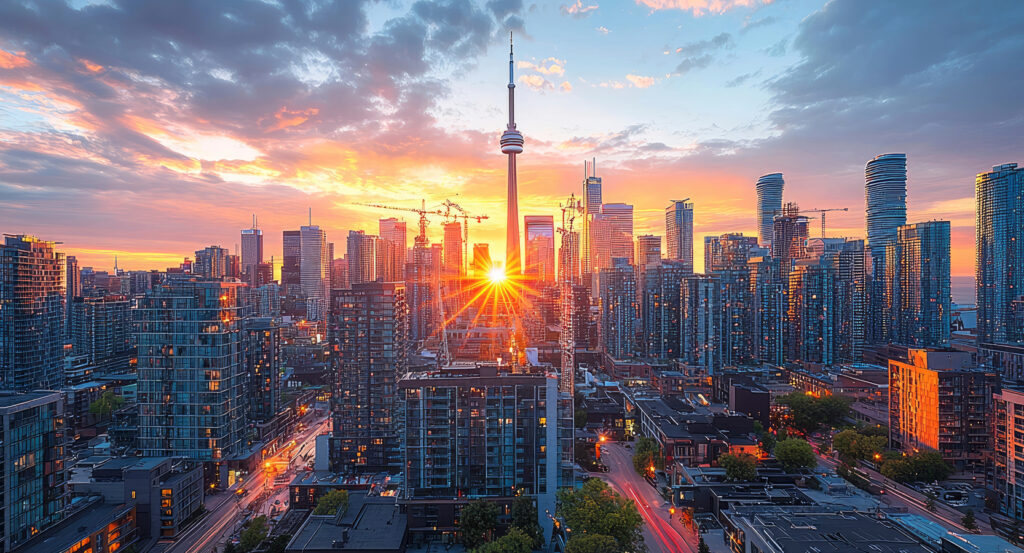
Why you should experience Sheridan Avenue in Toronto, Ontario.
Sheridan Avenue is a graceful corridor where Roncesvalles Village's architectural heritage, creative energy, neighborhood pride, and enduring residential character quietly define one of Toronto's most appealing west-end streets.
Running through Roncesvalles Village between Parkdale and High Park North, the corridor unfolds through mature tree canopies, beautifully preserved period homes, neighborhood institutions, and generations of locally rooted businesses that collectively reflect the evolution of one of Toronto's most admired communities. Successive blocks reveal how careful residential development, architectural craftsmanship, and sustained community stewardship have preserved an unmistakable sense of place despite the city's continual growth. Throughout the corridor, historic streetscapes, civic life, and neighborhood character remain closely connected, creating a remarkably cohesive expression of Toronto's west end. The result is an experience defined by architectural continuity, community character, and one of Toronto's most rewarding neighborhood corridors.
What you should know about Sheridan Avenue.
Sheridan Avenue is best known for developing during the late nineteenth and early twentieth centuries as Roncesvalles Village expanded westward beyond its earliest agricultural properties, producing an exceptionally cohesive collection of Victorian, Edwardian, and early twentieth-century residential architecture. Construction accelerated after the arrival of Toronto's electric street railway network, encouraging speculative builders to introduce substantial brick detached houses, semi-detached residences, duplexes, and apartment buildings distinguished by decorative masonry, projecting bays, stone lintels, and generous front porches. Much of the corridor reflects the residential building boom that accompanied the subdivision of the former Howard Park Estate, whose gradual redevelopment reshaped Toronto's growing western suburbs into established urban neighborhoods. Sheridan Avenue consequently preserves a remarkably complete architectural record of the period when Roncesvalles Village emerged as one of Toronto's most desirable streetcar suburbs.
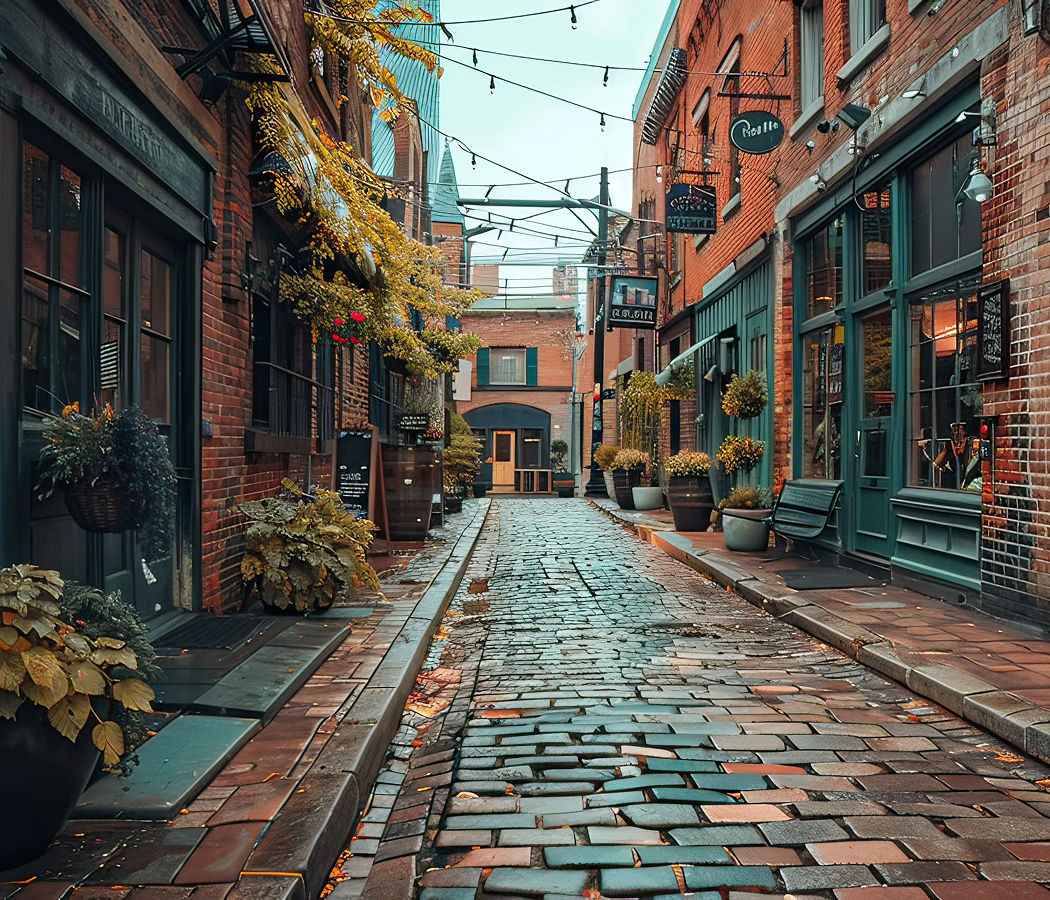
Along the corridor, original red brick masonry, carved sandstone details, ornamental woodwork, stained-glass transoms, and pressed-metal cornices continue illustrating the craftsmanship that distinguished Toronto's residential construction during the decades surrounding the turn of the twentieth century. Numerous houses retain historically intact façades, original setbacks, and landscaped front gardens that collectively reinforce the consistent streetscape established by builders working within a relatively concentrated period of development. Ongoing restoration by successive property owners has preserved decorative architectural features that have disappeared from many comparable residential streets elsewhere in Toronto, allowing Sheridan Avenue to retain an unusually authentic historic character. Together, these architectural details, preserved building traditions, and long-term stewardship demonstrate how Sheridan Avenue evolved into one of Roncesvalles Village's finest surviving historic residential corridors.
How to fold Sheridan Avenue into your trip.
Sheridan Avenue works as an exploration of Roncesvalles Village's architectural heritage, neighborhood character, and west-end charm.
Begin at Sorauren Park, where expansive green space, community gardens, and one of Toronto's best-loved farmers' markets introduce the neighborhood's contemporary civic life before exploring the surrounding streets. Continue to Museum of Contemporary Art Toronto, whose adaptive reuse of a former industrial complex reflects the remarkable reinvention that has shaped Toronto's west end while complementing the surrounding historic neighborhoods. Conclude at High Park, where mature woodlands, landscaped gardens, and extensive walking trails provide a fitting finale celebrating the natural landscapes that continue defining the city's western edge. The progression moves naturally from neighborhood gathering space to cultural reinvention before concluding within Toronto's largest historic public park, revealing why Sheridan Avenue remains one of the defining expressions of Roncesvalles Village.
Where your story begins.
Foresyte Travel reveals places that feel extraordinary long before you arrive.
Experience premium editorial crafted for luxury travelers.