Why Lost Lagoon, Stanley Park matters.
Lost Lagoon is the breath between forest and city, a mirror of stillness that captures Vancouver's soul in reflection.
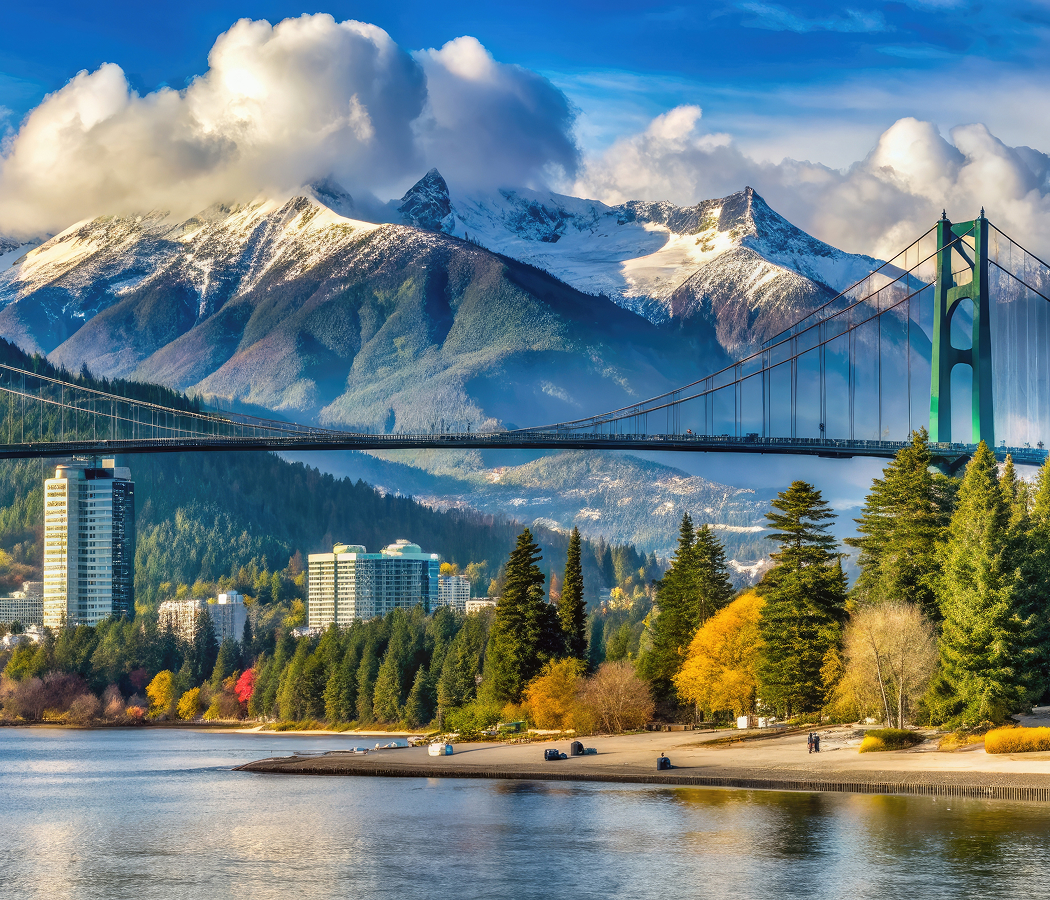
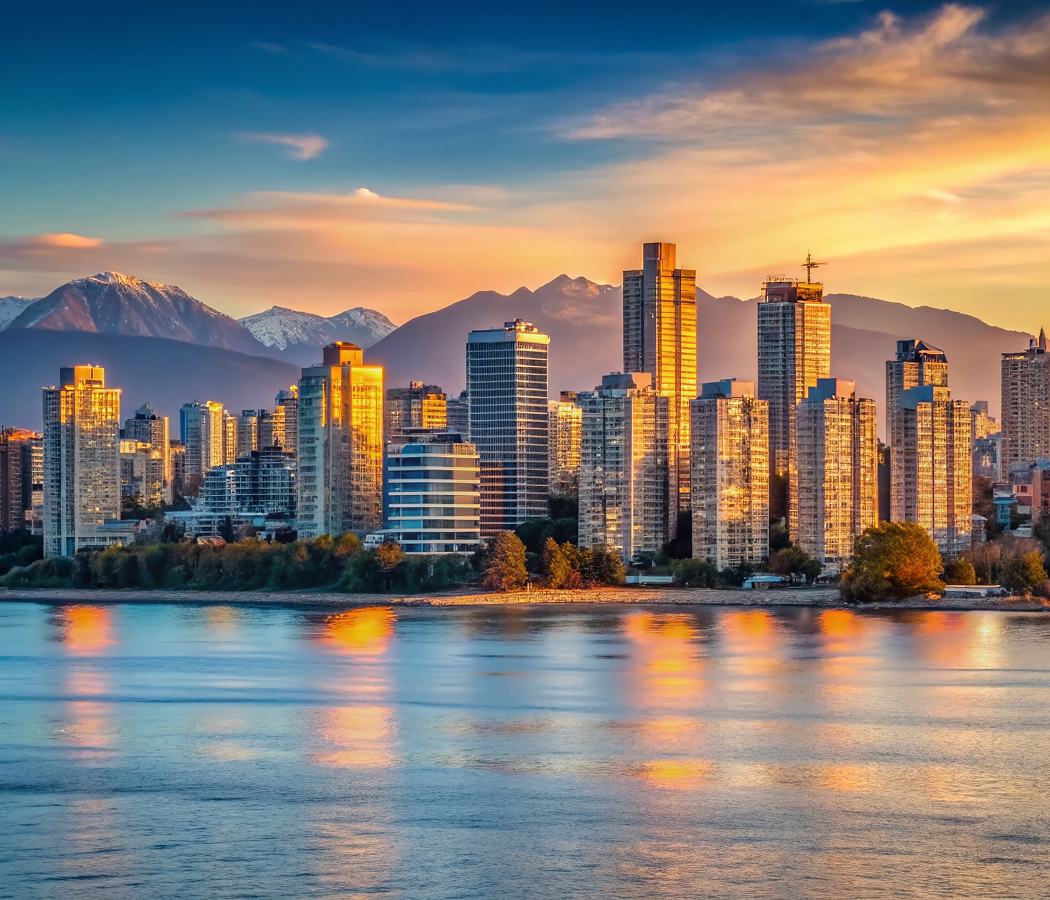
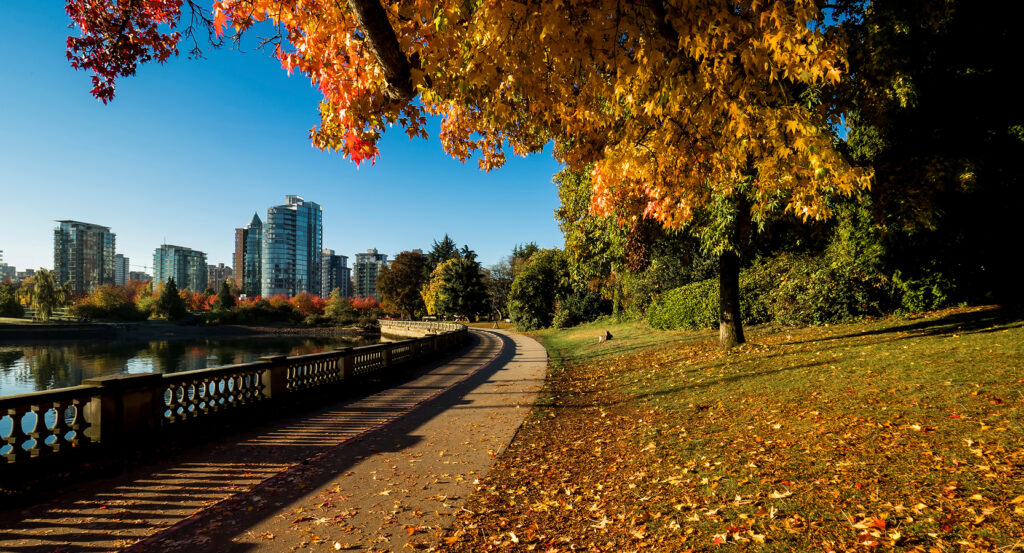
At the entrance of Stanley Park, where the Seawall begins and skyscrapers fade into cedar-green horizon, this freshwater lagoon feels almost mythic. Early morning mist drifts across its surface, blurring the skyline into watercolor. Swans glide silently, their reflections trembling with every ripple, while herons stand like sculptures in the reeds. The name “Lost Lagoon” comes alive when the tide and light shift, at dawn, it glows silver; at sunset, it burns gold. Around its perimeter, a winding trail loops through willows and cattails, a favorite haunt for joggers, birdwatchers, and anyone seeking reprieve from motion. It's here that you realize how seamlessly Vancouver fuses wilderness with modernity. Lost Lagoon isn't about performance, it's about surrender. You don't visit it to see something; you visit it to feel something.
What defines Lost Lagoon.
Long before it became a tranquil freshwater lake, Lost Lagoon was part of the tidal flats of Coal Harbour, connected directly to the Pacific.
When the causeway to Stanley Park was built in 1916, it cut the inlet off from the sea, transforming it into the lagoon we know today. The poet Pauline Johnson, a writer of Mohawk and English heritage, gave the place its haunting name after describing it as “a land-locked mirror” in her 1911 prose poem Legends of Vancouver. Before colonization, the area was a rich feeding ground for the Musqueam, Squamish, and Tsleil-Waututh peoples, who harvested shellfish and reeds here. The lagoon's ecological balance shifted dramatically after it became freshwater, salmon disappeared, but new species took root: swans, ducks, herons, and frogs formed a delicate ecosystem now protected as part of Stanley Park's wildlife refuge. In 1938, Lord Byng introduced the first pair of mute swans as a royal gift from England, and for decades, their descendants became beloved local icons. However, due to environmental impact concerns, their population has since been carefully reduced to preserve native biodiversity. Surrounding the lagoon is the Stanley Park Nature House, opened in 2000, which educates visitors about the park's ecology, wetlands, and migratory bird patterns. Beneath the surface, the lagoon remains a living archive, silt layers reveal centuries of tidal rhythm and urban transformation. Even the skyline reflected in its water tells a story: nature enduring in the heart of progress.
How Lost Lagoon fits.
To truly experience Lost Lagoon, you have to slow your heartbeat to match its rhythm, this is a place meant for listening more than looking.
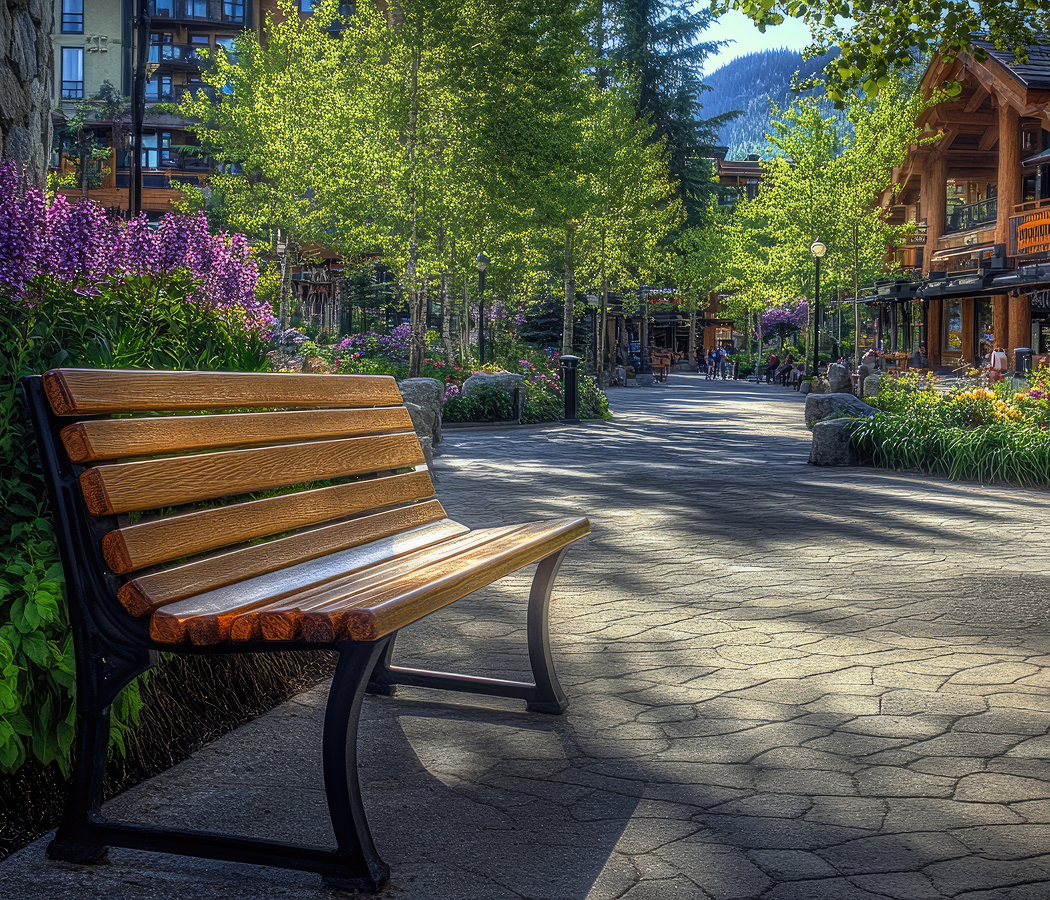
Start the visit at the Stanley Park Causeway entrance near Georgia Street, where the Seawall branches off. Approach quietly; the lagoon rewards stillness with detail, a splash of a fish breaking the surface, the low hum of wings. Follow the 1.8-kilometer loop trail that circles its edge, pausing at benches tucked beneath weeping willows. Bring binoculars if you love birdwatching; at sunrise and dusk, the area teems with Canada geese, wood ducks, and the occasional bald eagle perched on a distant snag. In spring, you might catch the chorus of frogs resonating through the reeds. Visit during the golden hour, when the skyline glows behind the lagoon, turning the water into liquid glass. Stop by the Nature House on the south shore to learn about Stanley Park's ecology and the city's sustainability efforts. If you're exploring on foot from downtown, Lost Lagoon makes a perfect transition point between the city's urban grid and the sanctuary of Stanley Park, a symbolic threshold from movement into mindfulness. Plan 45 minutes to walk the circuit and linger; early morning or late afternoon offers the most atmosphere. End your visit by sitting on the west bank facing the mountains, watch the light fade, and you'll understand why Pauline Johnson called it “lost.” It isn't truly lost, of course. It's just waiting for you to slow down enough to find it.
Where your story begins.
Foresyte Travel reveals places that feel extraordinary long before you arrive.
Enjoy editorial crafted for luxury travelers.
Foresyte may earn a commission when you book.