Why Sterling Road matters.
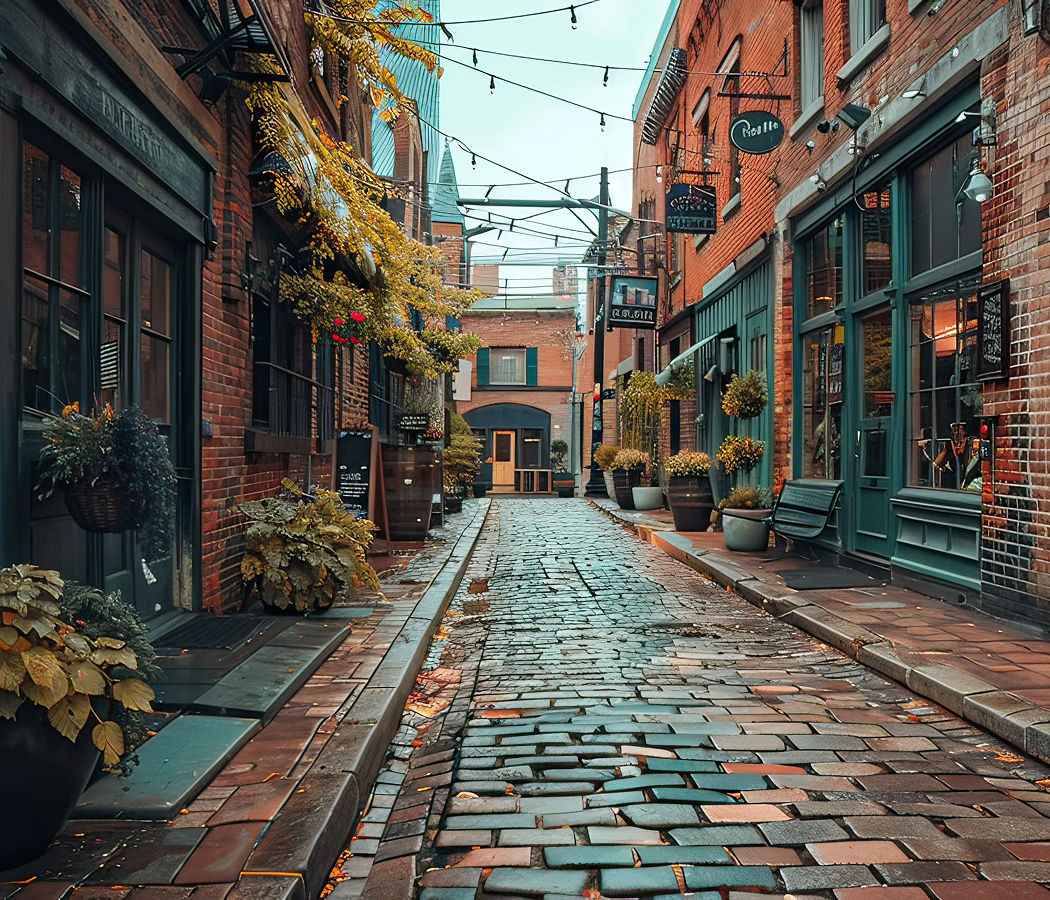
Sterling Road is a transformative Junction Triangle corridor where industrial heritage, artistic innovation, and architectural reinvention converge along one of Toronto's most exciting creative districts.
Running through Junction Triangle between Roncesvalles and The Junction, this evolving urban corridor links restored factories, contemporary galleries, craft breweries, creative workspaces, cultural institutions, and striking industrial architecture that collectively showcase one of the city's most successful urban transformations. Historic brick manufacturing buildings stand beside ambitious adaptive reuse projects, while public art, inviting pedestrian spaces, and thriving creative businesses create an atmosphere where Toronto's industrial past continues to inspire its cultural future. Throughout every season, exhibitions, performances, and neighborhood events reinforce the corridor's reputation as one of the city's most dynamic cultural destinations. The result is a corridor defined by creativity, preservation, and enduring urban reinvention.
What defines Sterling Road.
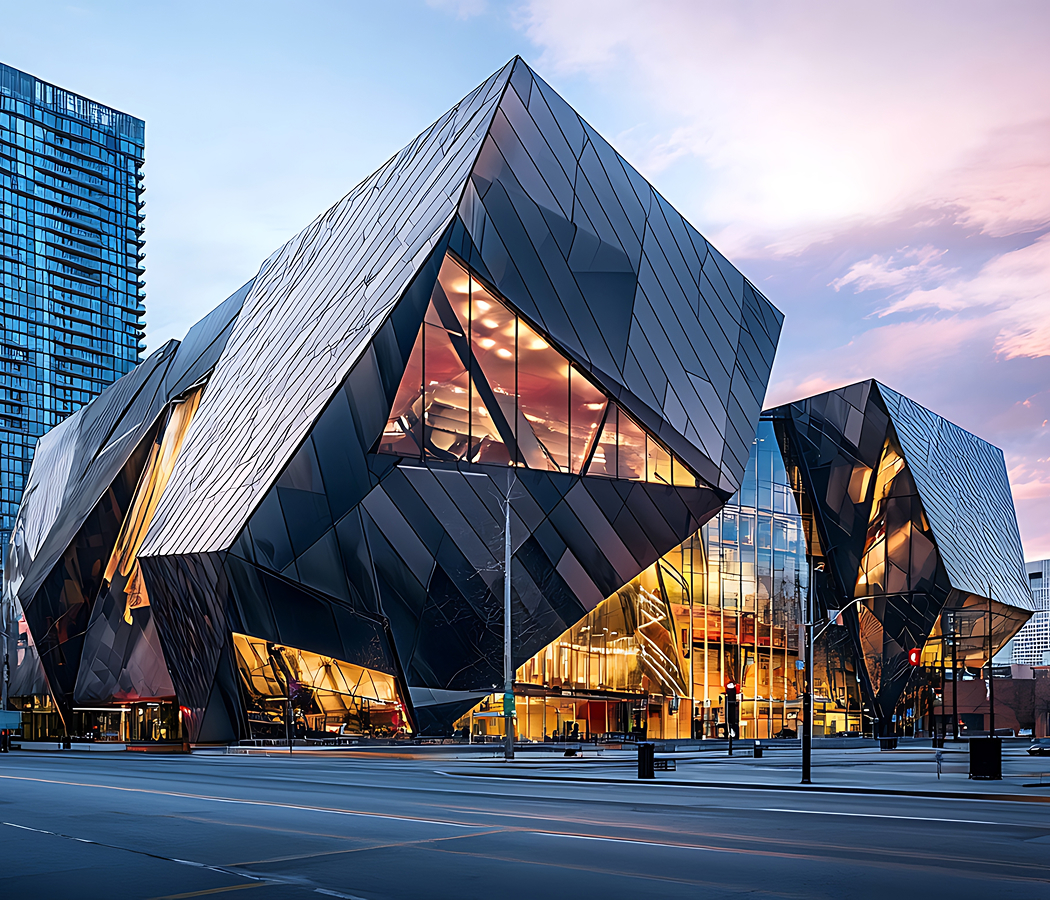
Sterling Road is best known for anchoring the Museum of Contemporary Art Toronto within the former Tower Automotive Building, an adaptive reuse project that transformed a century-old industrial landmark into one of Canada's leading contemporary art museums.
Throughout the twentieth century, Sterling Road served as a manufacturing corridor supporting Toronto's expanding industrial economy through factories, warehouses, and railway infrastructure. Its defining transformation arrived when the Museum of Contemporary Art Toronto relocated in 2018 to the restored Tower Automotive Building, preserving a landmark industrial structure while establishing an internationally recognized cultural institution. Since then, galleries, breweries, creative studios, and design businesses have flourished throughout the corridor, making Sterling Road one of Toronto's most successful examples of industrial revitalization. Few streets in the city demonstrate such a compelling fusion of heritage preservation, contemporary culture, and adaptive reuse.
How Sterling Road fits.
Sterling Road works as an exploration of Junction Triangle's remarkable blend of industrial heritage, contemporary art, and creative entrepreneurship.
Begin along Sterling Road, where restored industrial architecture and thriving creative spaces immediately establish the corridor's distinctive identity. Continue to Museum of Contemporary Art Toronto, whose internationally acclaimed exhibitions and dramatic adaptive reuse reveal why the neighborhood has become one of Canada's leading cultural destinations. From there, conclude at The Museum of Contemporary Art Toronto Tower, where the landmark industrial structure itself provides a memorable finale to an afternoon shaped by architecture, history, and artistic innovation. Along the route, heritage factories, public art installations, independent cafés, craft breweries, artist studios, creative workspaces, and beautifully restored brick buildings demonstrate how Junction Triangle continues to transform its industrial legacy into one of Toronto's most energetic cultural environments. The progression moves naturally from a historic industrial corridor to a world-class contemporary art museum before concluding with one of the city's finest examples of adaptive reuse, revealing why Sterling Road remains one of Toronto's defining creative corridors.
Where your story begins.
Foresyte Travel reveals places that feel extraordinary long before you arrive.
Enjoy editorial crafted for luxury travelers.
Foresyte may earn a commission when you book.