Why The Ritz-Carlton matters.
The Ritz-Carlton is a Sherbrooke Street grand hotel where Golden Square Mile history meets French cuisine, afternoon tea and a restored early twentieth-century interior.
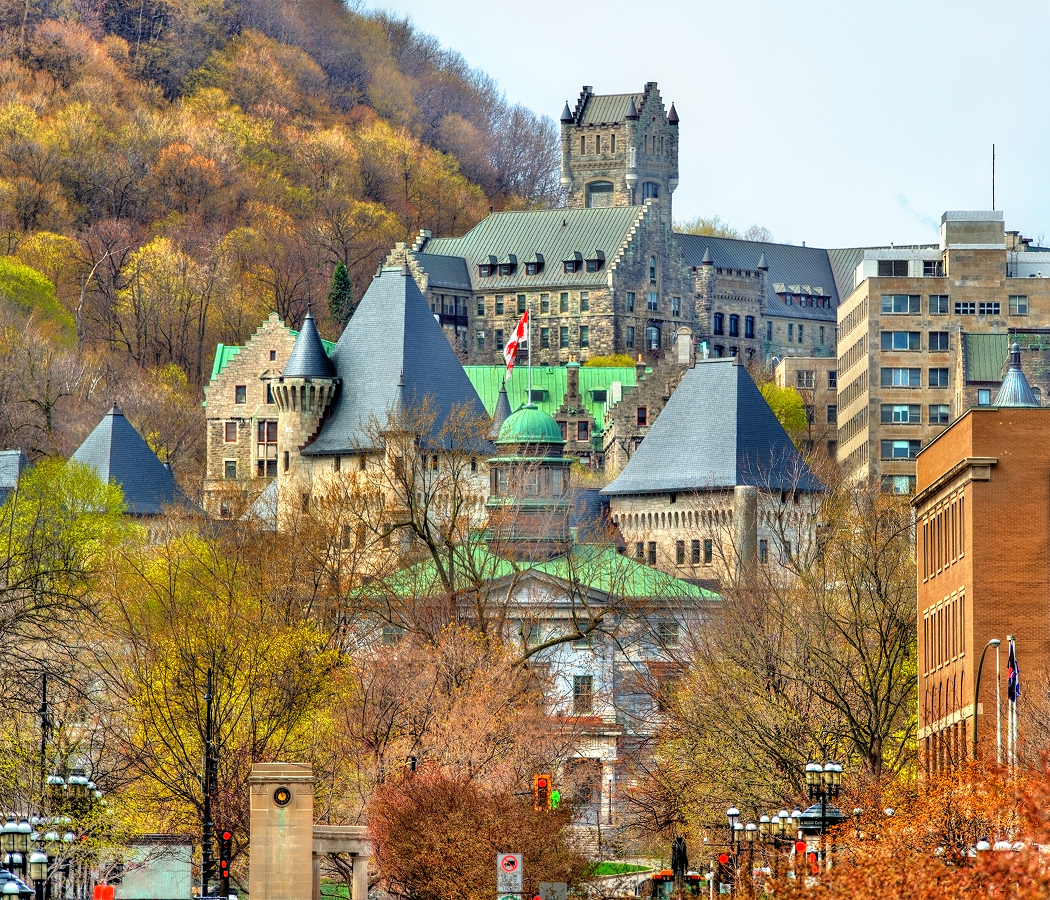
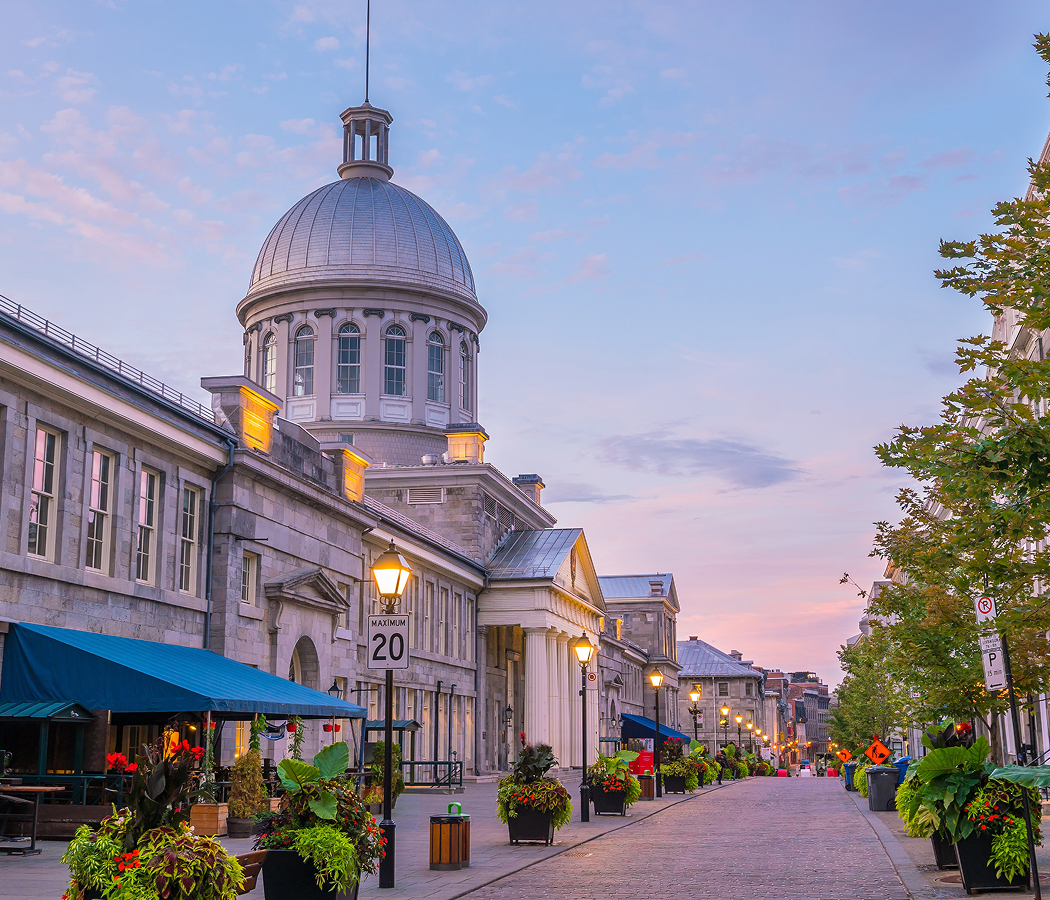
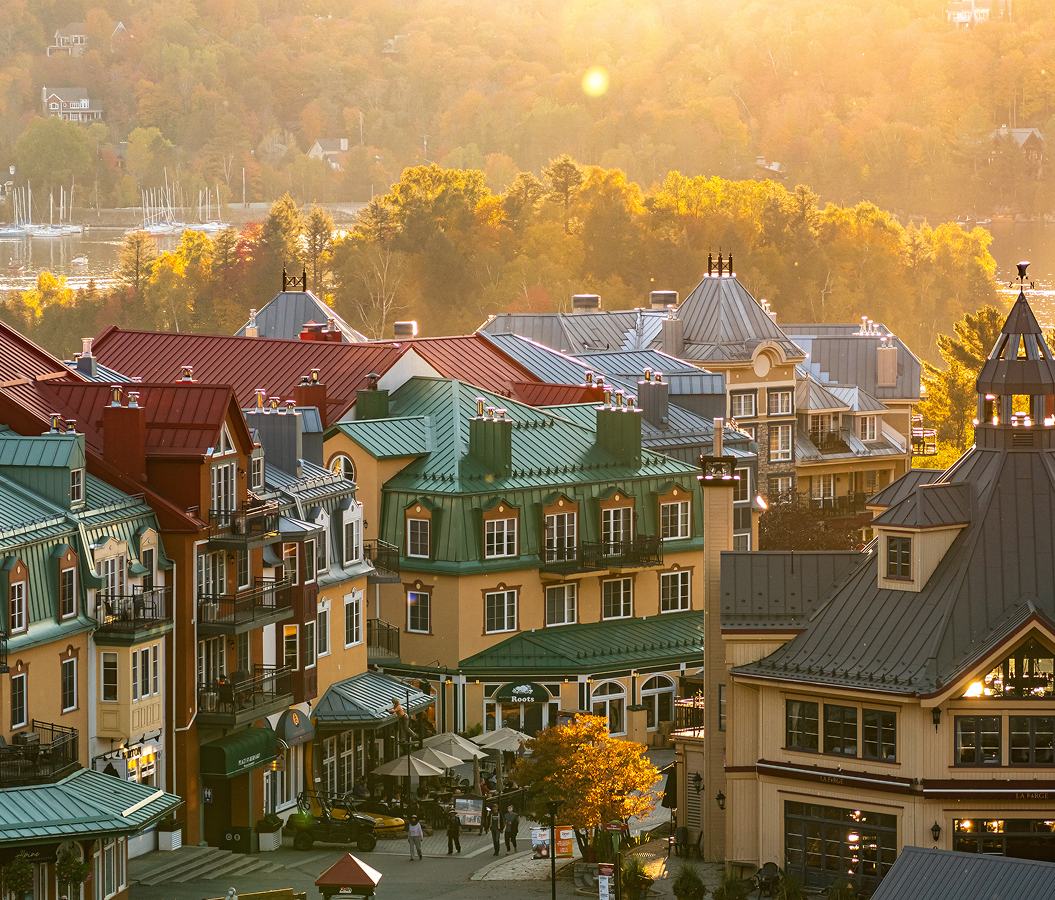
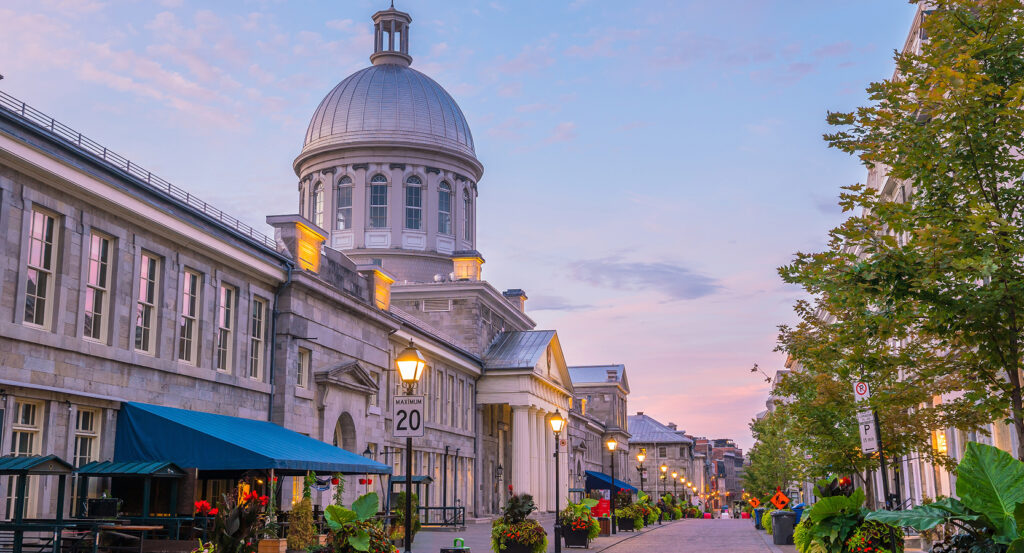
Set along Rue Sherbrooke Ouest near Rue de la Montagne and just steps from the Montreal Museum of Fine Arts, the hotel occupies the centre of the Golden Square Mile between McGill University, Mount Royal, luxury galleries and the city's principal museum district. Its stone façade, mansard roof and formal entrance preserve the scale of a historic private address within a dense downtown street. Arrival passes into a sequence of marble, wood, chandeliers and the Palm Court, where the hotel's 1912 character remains visible after extensive renewal. Maison Boulud, the Palm Court and the rooftop garden give dining, tea and outdoor leisure distinct relationships with the building's historic rooms. The result is a hotel that keeps Montréal's old wealth, museum culture and modern hospitality in the same Sherbrooke Street composition.
What defines The Ritz-Carlton.
The Ritz-Carlton is best known for establishing the Ritz-Carlton name in Canada through a hotel opened on New Year's Eve in 1912. Swiss hotelier César Ritz permitted the name under conditions that included private bathrooms, kitchens on every floor, continuous valet service, a capable concierge and a grand staircase for formal arrivals. The original hotel cost three million dollars and set a new standard for luxury in Montréal. Edward, Prince of Wales began staying in the Vice-Royal Suite in 1919, beginning a long association between the hotel and visiting royalty. A ten-storey lateral wing joined the original building in 1956 and became the Annex. Elizabeth Taylor and Richard Burton married in the Royal Suite on March 5, 1964, after giving the room-service waiter only two hours' notice. Winston Churchill, Richard Nixon, Paul Newman, Catherine Deneuve and the Rolling Stones also stayed at the hotel. A 200-million-dollar restoration renewed the property after a period of decline while retaining its historic exterior, staircase, public rooms and Palm Court. The restored hotel reopened in 2012 with new residences, a spa, an indoor saltwater pool and redesigned guest rooms. The building's relationship with Rue Sherbrooke remained central to the restoration, keeping the hotel connected to the Golden Square Mile's mansions, galleries, universities and museums. The Ritz-Carlton name carries both a personal link to César Ritz and a Montréal-specific history of royalty, cinema, politics and social life. Its architecture makes that history legible through rooms and circulation rather than through a detached museum display.
Maison Boulud places contemporary French cuisine inside the restored hotel through dishes shaped by Québec's local purveyors and the traditions of Daniel Boulud's restaurants. The menu moves from Lyonnais charcuterie and Mediterranean influences to refined versions of casual French food. Executive chef Gauthier Geffroy leads the kitchen, while David Goirand directs the wine program. The restaurant's bar, lounge and two private dining rooms give it a character distinct from the hotel's other public spaces. The Palm Court continues the Ritz-Carlton's afternoon tea tradition, which began with the hotel's opening in 1912. Tea service uses pastries, sandwiches, scones and carefully arranged tiers within a room whose marble, glass and chandeliers retain the atmosphere of a grand hotel salon. The Oval Room adds a more private setting for meals, meetings and celebrations. The spa and indoor saltwater pool extend the hotel's restoration into health, movement and quiet. The rooftop garden introduces planting, open air and skyline views above the historic building. Maison Boulud's French cooking, the Palm Court's tea ritual and the spa's water program give the hotel three distinct forms of hospitality. Their relationship with the original rooms keeps contemporary service attached to the architecture of the 1912 property. The Ritz-Carlton combines French culinary technique, Québec ingredients, tea service and private leisure within a building whose historical reputation remains part of the dining experience.
How The Ritz-Carlton fits.
The Ritz-Carlton, Montréalworks as a starting point for tracing Montréal from social history and Indigenous material culture to fine art and the wooded summit of Mount Royal.
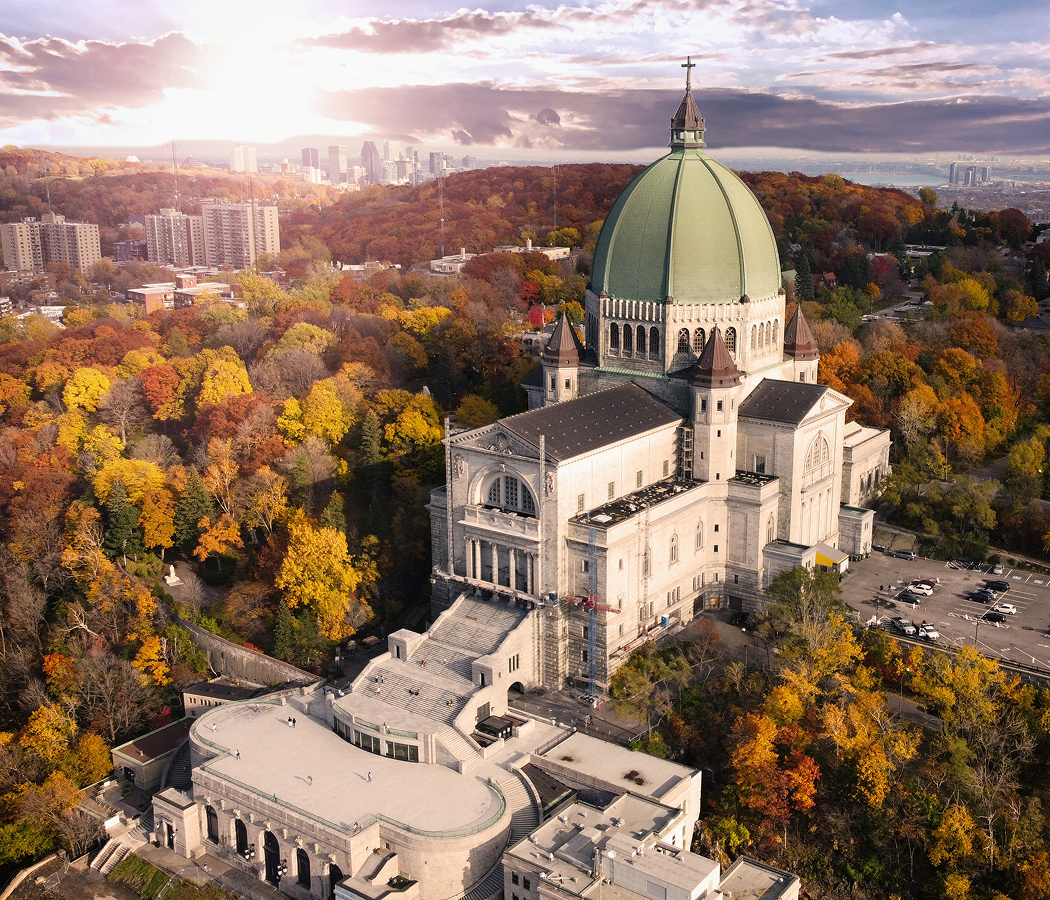
Begin at McCord Stewart Museum, where more than 3.2 million images, objects, documents and works of art examine Montréal's communities and social history. The museum stands across from McGill University on Sherbrooke Street, placing Indigenous cultures, costumes, textiles, photography and urban life within the Golden Square Mile. Its collections connect the city's colonial development to the people who lived, worked and created within it. Museum Alley extends the institution into a pedestrian space on Victoria Street, adding a public urban room to the galleries. Continue to Montreal Museum of Fine Arts, whose pavilions spread along Sherbrooke Street through collections of European, Canadian, Indigenous, decorative and contemporary art. The complex includes the Michal and Renata Hornstein Pavilion for Peace, the Claire and Marc Bourgie Pavilion and the Jean-Noël Desmarais Pavilion. Paintings, sculpture, design, textiles and works on paper create a broad account of artistic production across periods and regions. The museum's position on the Golden Square Mile places high art among former mansions, galleries and university buildings. Conclude at Mount Royal Park, where Frederick Law Olmsted's nineteenth-century landscape design turns the mountain at the centre of Montréal into a public park. Paths, wooded slopes, Beaver Lake and the Kondiaronk Belvedere connect the city's cultural district to the summit's geography. The lookout opens toward downtown towers, the St. Lawrence River and the mountain's surrounding neighbourhoods. Olmsted's design preserves broad views while directing movement through forest, rock and open lawns. The progression moves from Montréal's social and Indigenous histories, through museums organized around art and design, to a mountain park that holds the city within its landscape.
Where your story begins.
Foresyte Travel reveals places that feel extraordinary long before you arrive.
Enjoy editorial crafted for luxury travelers.
Foresyte may earn a commission when you book.