Why The Westin Bayshore matters.
The Westin Bayshore is a landmark waterfront hotel where Coal Harbour's urban energy meets Stanley Park, the North Shore mountains and Vancouver's long relationship with Pacific trade, recreation and outdoor life.
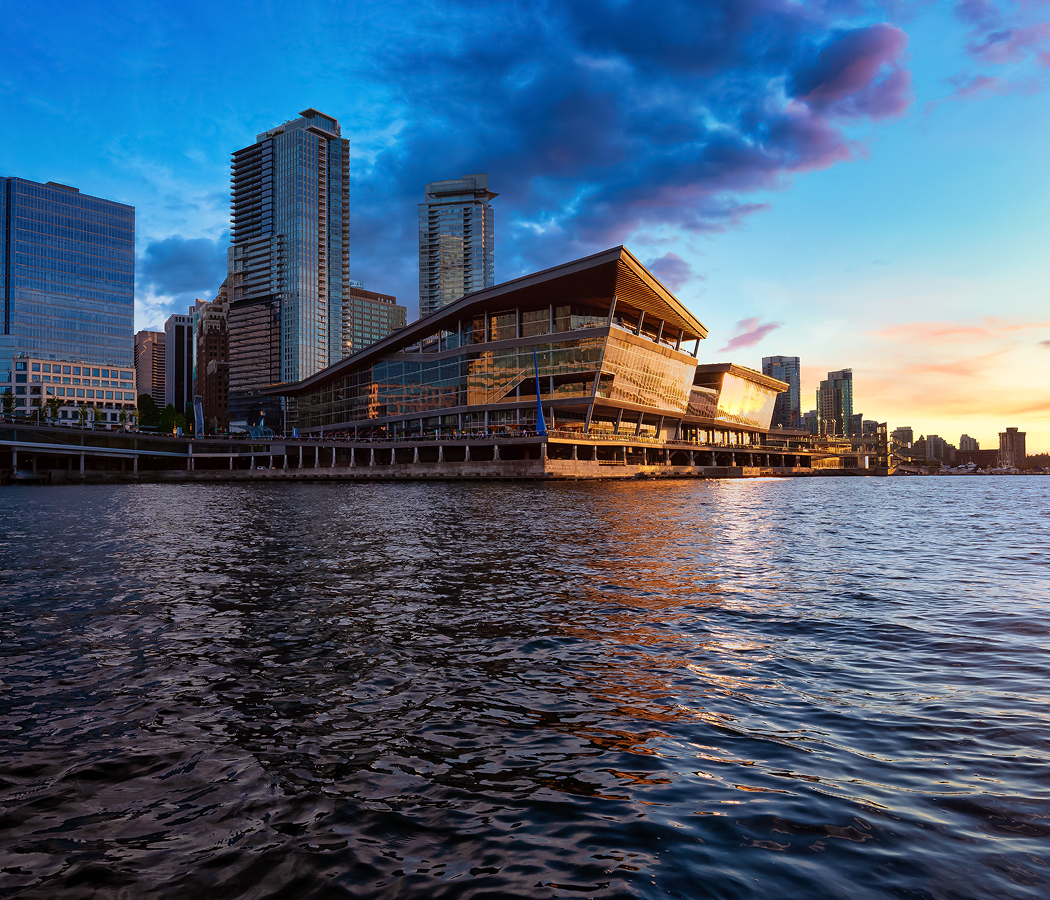
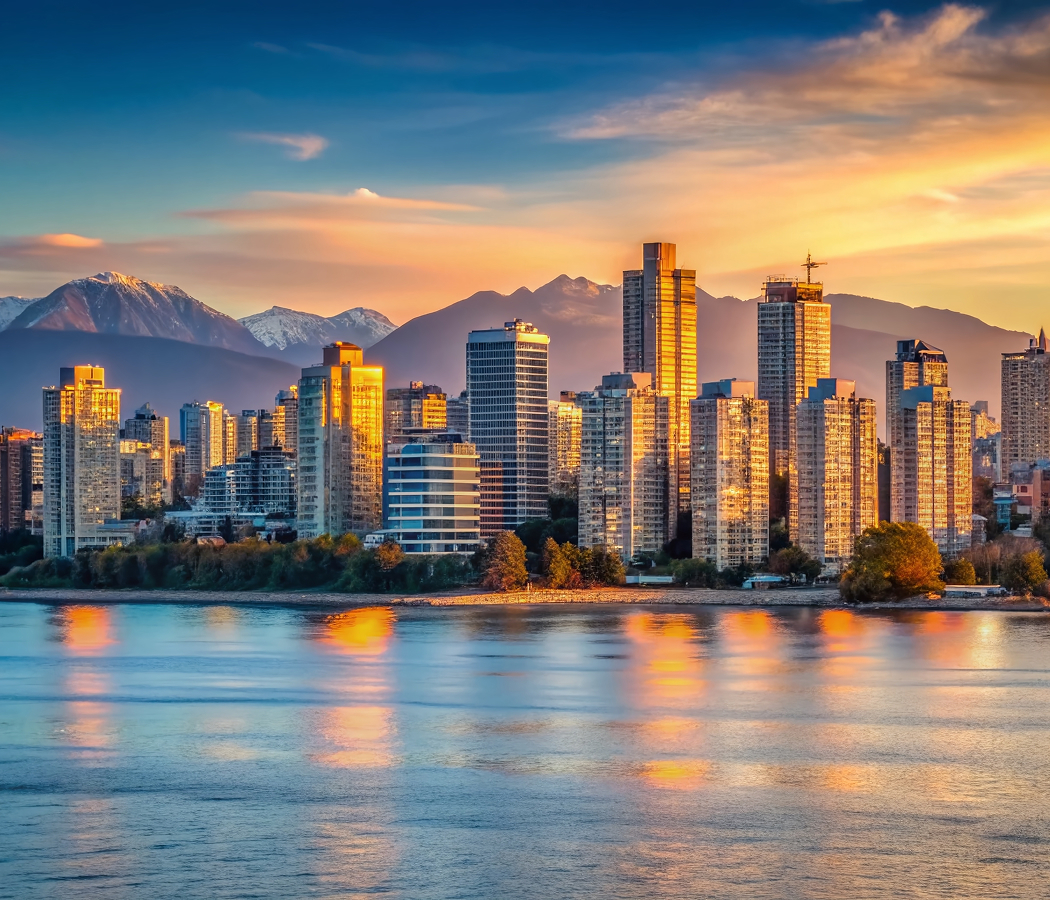
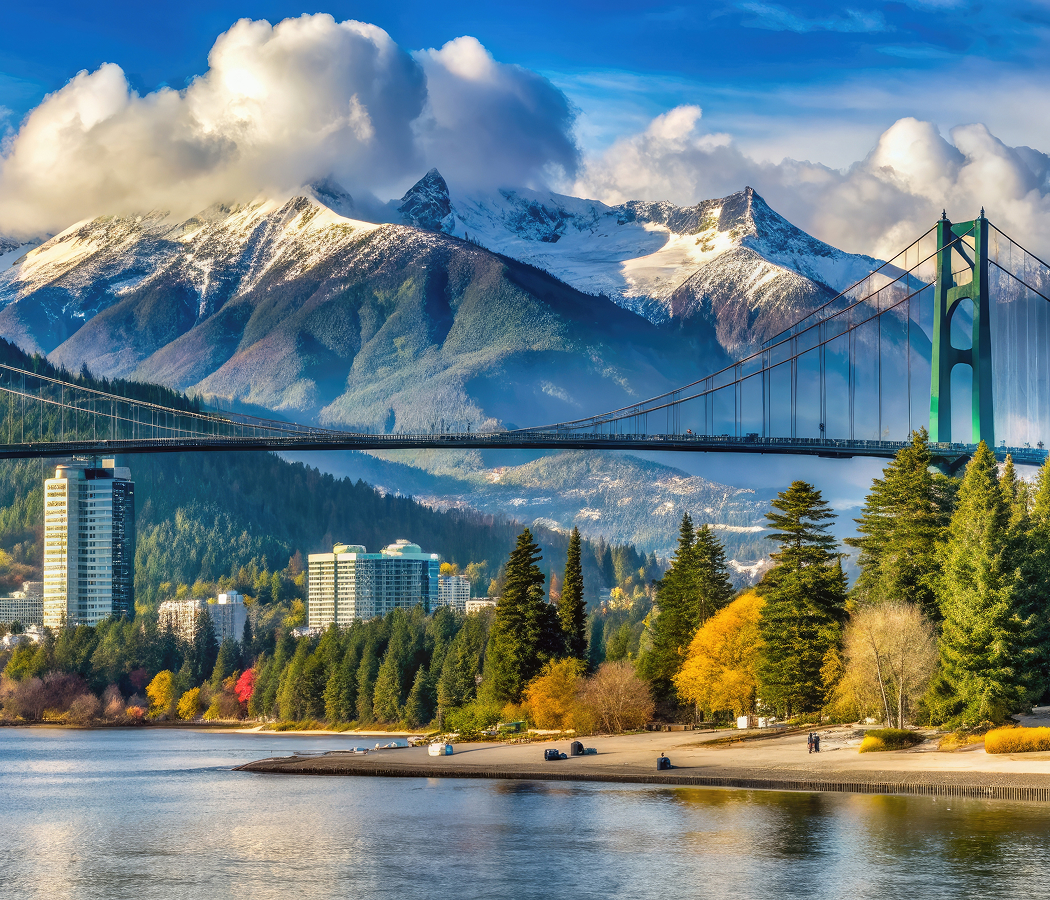
Set along Bayshore Drive in Coal Harbour, The Westin Bayshore occupies a waterfront position beside Stanley Park and the Vancouver Seawall, with Burrard Inlet opening northward and the glass towers of downtown rising immediately to the south. Its buildings extend through landscaped grounds, pools and waterfront paths. Guest rooms and suites face the harbor, park, city or mountains, with broad windows framing cruise ships, seaplanes, forested slopes and changing coastal weather. The architecture combines modernist towers, glass façades, balconies and low-rise public spaces shaped by the hotel's position between the city and the park. Its gardens soften the transition from the downtown grid to the seawall, creating a continuous pedestrian landscape along the water. Bayshore Drive follows the shoreline toward the marina and park entrances, while nearby streets connect the hotel with Robson Street, the West End and downtown's commercial core. The North Shore mountains form a dramatic backdrop across the inlet, creating a relationship between the property and the broader Pacific Coast landscape. The result is a substantial Vancouver hotel whose architecture, waterfront access and park setting connect urban hospitality with the city's mountains, forests and harbor.
What defines The Westin Bayshore.
The Westin Bayshore is best known for its association with Howard Hughes, the reclusive American aviation pioneer and billionaire whose extraordinary six-month residence in 1972 became one of the most celebrated episodes in Vancouver's hospitality history. The hotel originated through a partnership between local developers Hugh Martin and Douglas Welch, whose Marwell Construction company undertook the transformation of former Coal Harbour tidal flats into a major waterfront hospitality property. Their initial plans for a motel evolved into a $6 million resort hotel through the involvement of Edward Carlson, president of Seattle-based Western Hotels, whose company had built its reputation managing established properties across the Pacific Northwest. The Bayshore represented a significant departure for Western Hotels as one of its earliest purpose-built developments, extending the company's ambitions into the construction and ownership of major urban hotels. Vancouver architect Douglas C. Simpson designed the original establishment, organizing its waterfront accommodations around a T-shaped structure whose principal wings established a substantial architectural presence beside the harbour. The Bayshore Inn opened on March 27, 1961, introducing a new resort-oriented approach to luxury hospitality at the western edge of Downtown Vancouver. Its development required extensive land reclamation, including concrete piles driven forty feet to bedrock, establishing a foundation for commercial construction on the former tidal shoreline. A major expansion completed in 1970 introduced a twenty-story tower, substantially increasing the property's prominence within Vancouver's emerging waterfront skyline. Hughes arrived on March 14, 1972, accompanied by an entourage that included personal attendants, security personnel and specialized domestic staff. His delegation occupied the tower's upper floors, maintaining an extraordinary degree of privacy throughout a residence that attracted sustained attention from journalists and the international public. The billionaire's isolation became an enduring chapter in the hotel's identity, connecting the Bayshore to one of the twentieth century's most enigmatic figures in aviation, filmmaking and American business. Western International Hotels adopted the Westin name in 1981, bringing the Vancouver property into the character that would define the company's subsequent international expansion. The hotel subsequently developed its position within the city's meetings and convention economy, including the addition of a conference centre in 2000. Another major financial milestone arrived in November 2015 when the property sold for $290 million, establishing a record for a single Vancouver hotel transaction and ranking among Canada's most substantial hospitality acquisitions that year. The Westin Bayshore represents an important chapter in Vancouver's waterfront development, combining the transformation of Coal Harbour, the expansion of an influential North American hotel company and an exceptional association with Howard Hughes.
Howard Hughes's residence established a cultural inheritance that continues to influence the hotel's social identity, particularly through the transformation of its waterfront dining and entertainment spaces. The aviator's arrival involved elaborate arrangements for privacy, with his entourage entering through a discreet tower entrance and maintaining separate domestic operations during his prolonged stay. His presence transformed the upper floors into an unusually self-contained residence, illustrating the extraordinary demands that celebrity and immense private wealth placed upon luxury hospitality during the early 1970s. The hotel's subsequent reinterpretation of this history emerged in November 2017 through HJU:Z Lounge, a cocktail establishment whose name evoked Hughes through the phonetic conventions of an aviation call sign. General manager Philippe Grandbois helped develop the concept, drawing upon the billionaire's aviation career and Hollywood associations to create a distinctive character for the hotel's principal social venue. The lounge introduced an Art Deco interior with plush furnishings and decorative references to the glamour of early commercial aviation, connecting a consequential episode in the hotel's past with a contemporary hospitality setting. Its subsequent evolution into H Tasting Lounge preserved the Hughes-inspired character through interiors designed by Liv Interiors, whose work earned recognition from the Interior Designers Institute of British Columbia. The design combines Hollywood-era decorative influences with the maritime setting of Coal Harbour, extending the lounge onto a waterfront patio overlooking the marina. Its culinary program develops a corresponding international perspective through Pacific Northwest ingredients, globally influenced preparations and a cocktail collection inspired by travel and exploration. The hotel's broader dining character incorporates another expression of regional culinary culture through H2 Kitchen + Bar, whose Southern-inspired barbecue program includes slow-cooked meats and rotisserie preparations under chef Homer Baisa. These contemporary hospitality developments occupy a property whose original resort character continues through its landscaped waterfront grounds and distinctive circular outdoor swimming pool, a longstanding architectural feature overlooking Burrard Inlet. The relationship between the hotel's celebrated historical resident and its contemporary social spaces gives The Westin Bayshore a distinctive cultural identity, preserving the memory of Hughes's extraordinary Vancouver residence within an evolving waterfront hospitality institution.
How The Westin Bayshore fits.
The Westin Bayshore works as the starting point for an exploration connecting Vancouver's marine life, its regional natural history and the cultural institutions that interpret the city's relationship with the Pacific Northwest.
Begin at Vancouver Aquarium, the marine institution within Stanley Park where galleries, habitats and conservation programs present the species and ecosystems of the Pacific coast. Its exhibits introduce visitors to sea otters, salmon, jellyfish, coastal forests and other marine life associated with British Columbia's waters. The aquarium's position within Stanley Park places marine science inside a landscape of old-growth trees, trails and shoreline views. Its work connects Vancouver's public culture with the ecological systems that support the city's harbor, islands and coastal communities. Continue to Museum of Vancouver, the city museum on the shore of Vanier Park where collections, exhibitions and public programs explore Vancouver's Indigenous history, urban development and changing relationship with the Pacific. The museum presents the city through objects, images and stories associated with settlement, migration, industry, architecture and community life. Its waterfront location places local history within view of the harbor, mountains and downtown skyline, creating a direct connection between the city's past and its physical setting. The museum demonstrates how Vancouver's character developed through both natural geography and human movement. Conclude at Vancouver Art Gallery, the major art institution housed in the former provincial courthouse in the center of downtown. Its galleries present Canadian, Indigenous and international art within a neoclassical building that reflects Vancouver's civic and architectural history. The gallery connects the city's contemporary cultural life with the legal, governmental and commercial institutions that shaped the downtown core. Its exhibitions place Vancouver within broader conversations about the Pacific, the environment, character and modern art. The progression moves from Vancouver Aquarium's marine ecology through Museum of Vancouver's regional history and concludes at Vancouver Art Gallery, where the city's cultural and civic character meets its Pacific setting.
Where your story begins.
Foresyte Travel reveals places that feel extraordinary long before you arrive.
Enjoy editorial crafted for luxury travelers.
Foresyte may earn a commission when you book.