Why you should experience Department of Philosophy, University of Toronto in Toronto, Canada.
The Philosophy Building at the University of Toronto is a quiet masterpiece, a space where intellect and atmosphere converge, echoing with the weight of centuries-old ideas.
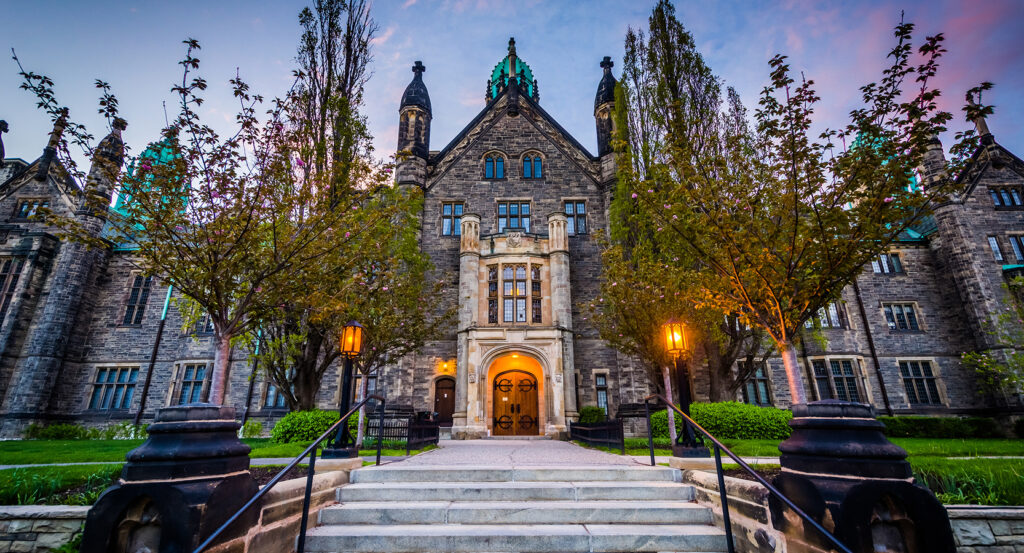
Tucked along St. George Street near Trinity College, the building exudes understated grandeur: pale sandstone walls, arched windows, and ivy climbing toward the eaves. Inside, hallways hum softly with thought, chalk dust on blackboards, the faint creak of wooden floors, and the low murmur of debate spilling from seminar rooms. There's nothing ostentatious here; its power lies in restraint. Every detail feels deliberate, from the carved banisters to the high ceilings that lend air and reverence to conversation. The building stands as an anchor for one of North America's most respected philosophy departments, where scholars have explored ethics, logic, and metaphysics for generations. To walk its corridors is to feel the continuity of inquiry, the sense that the same questions wrestled over in ancient Greece still resonate, whispered now beneath Toronto's canopy of maple trees.
What you should know about Department of Philosophy, University of Toronto.
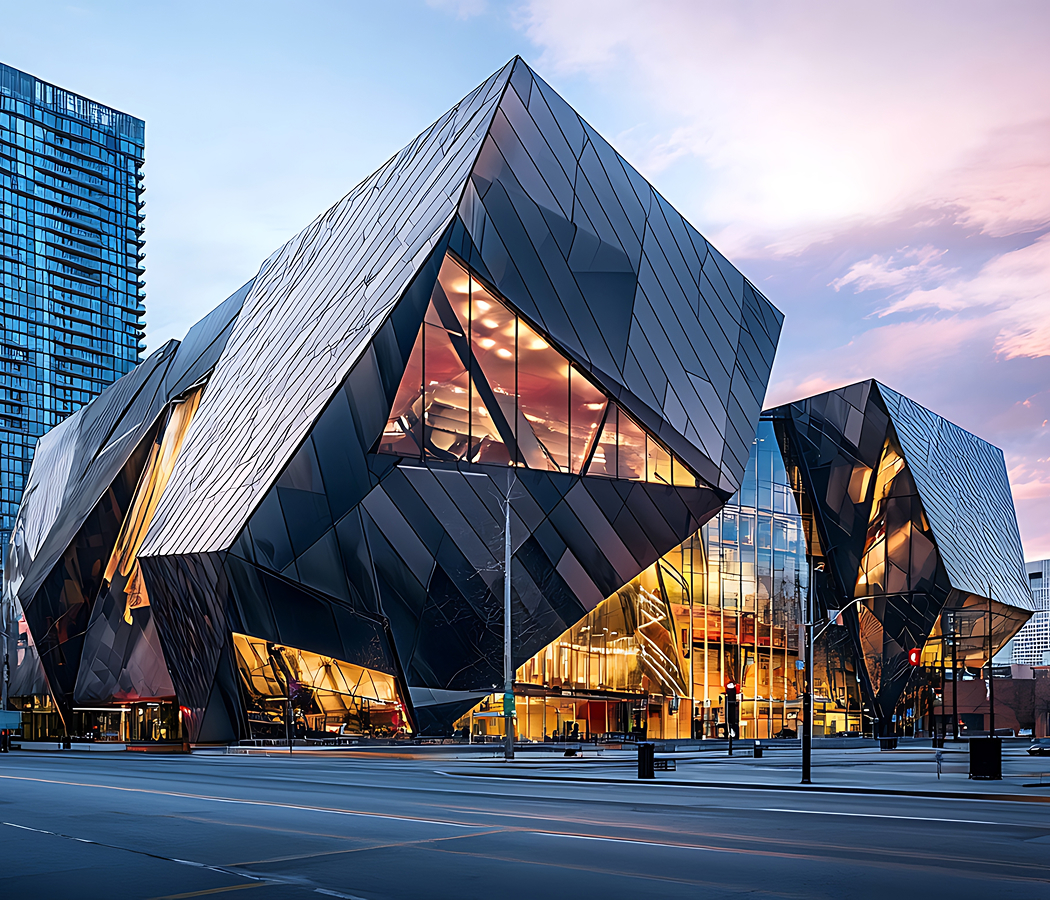
Officially known as the Jackman Humanities Building, this landmark is both an academic hub and a symbol of modern intellectual architecture at the University of Toronto.
Completed in 2016, it replaced the historic Falconer Hall annex as the home of the university's philosophy and humanities departments. The structure was designed by KPMB Architects to embody clarity, transparency, and dialogue, the very principles of philosophical thought. Floor-to-ceiling windows flood the atrium with light, while open study spaces encourage collaboration across disciplines. The exterior's limestone panels and vertical glass fins create a rhythm that complements the surrounding Gothic buildings. Inside, the building's central staircase acts as its philosophical heart, a spiraling passage meant to inspire reflection and connection between floors and minds alike. While it feels tho contemporary, the building's design pays homage to the past: its proportions and materials echo the University's historic architecture, ensuring it feels like an evolution. Few realize that its courtyard is also one of the campus's local favorites, a small garden framed by glass and stone, perfect for reading, writing, or simply thinking in peace.
How to fold Department of Philosophy, University of Toronto into your trip.
Include the Philosophy Building as part of your architectural and intellectual tour of the University of Toronto's St. George campus.
Start the walk at King's College Circle and head west toward St. George Street, the building rises just beyond University College, its modern façade gleaming against the older limestone structures nearby. Visit during the day to experience the natural light that defines its interior; the atrium's glass walls glow with the changing sky, offering a meditative contrast to the busy street outside. Step inside if the doors are open, students and visitors are often welcome to explore the main floor and courtyard. Bring a notebook or camera; the symmetry and reflections here create some of the most evocative compositions on campus. Afterward, continue your route to the nearby Faculty of Law or Robarts Library to see how the university's architectural language has evolved through the decades. Whether you're drawn by philosophy itself or simply the atmosphere of ideas made tangible, the Philosophy Building captures the University of Toronto's essence, a place where modernity, intellect, and quiet beauty intertwine.
Where your story begins.
Foresyte Travel reveals places that feel extraordinary long before you arrive.
Experience premium editorial crafted for luxury travelers.