Why you should experience Lansdowne Avenue in Toronto, Ontario.
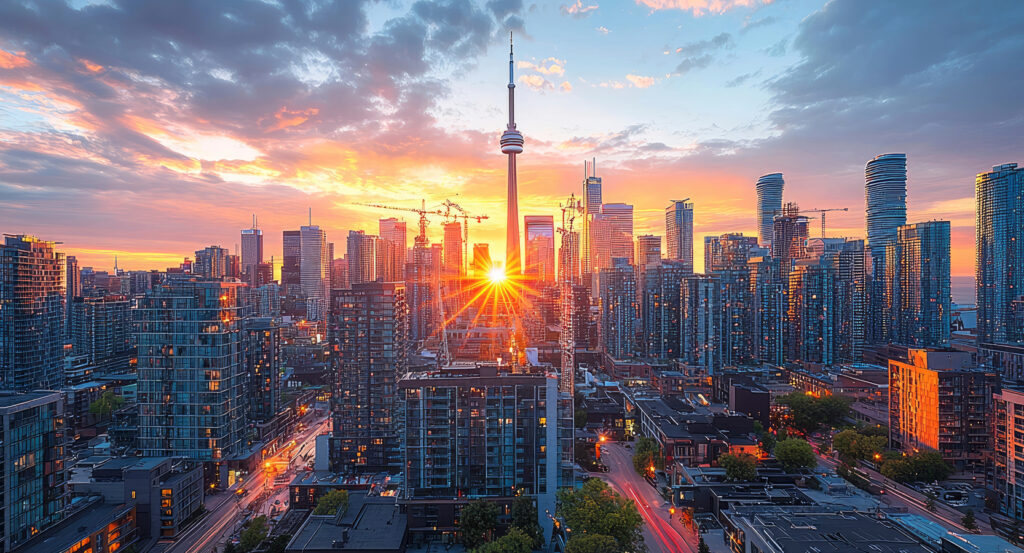
Lansdowne Avenue is an enterprising corridor where Dovercourt-Wallace Emerson-Junction's industrial heritage, immigrant traditions, transportation legacy, and entrepreneurial character reveal one of Toronto's most historically diverse north-south corridors.
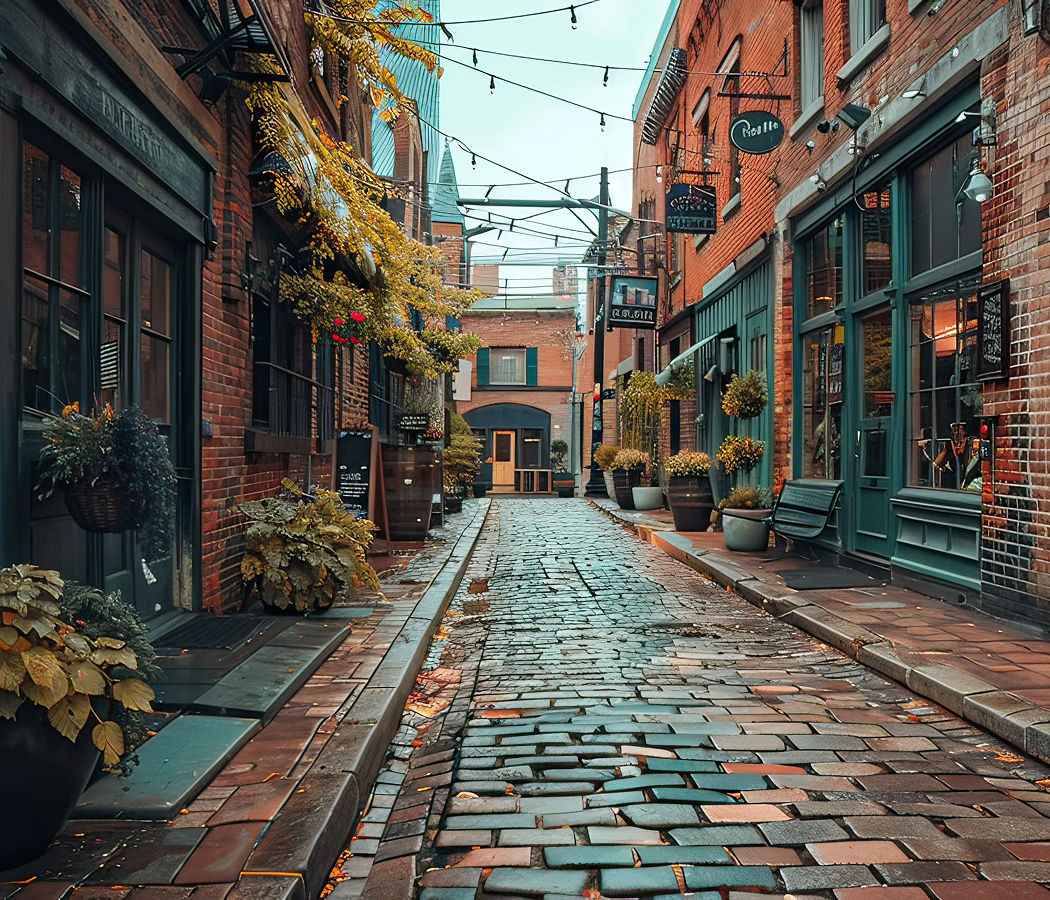
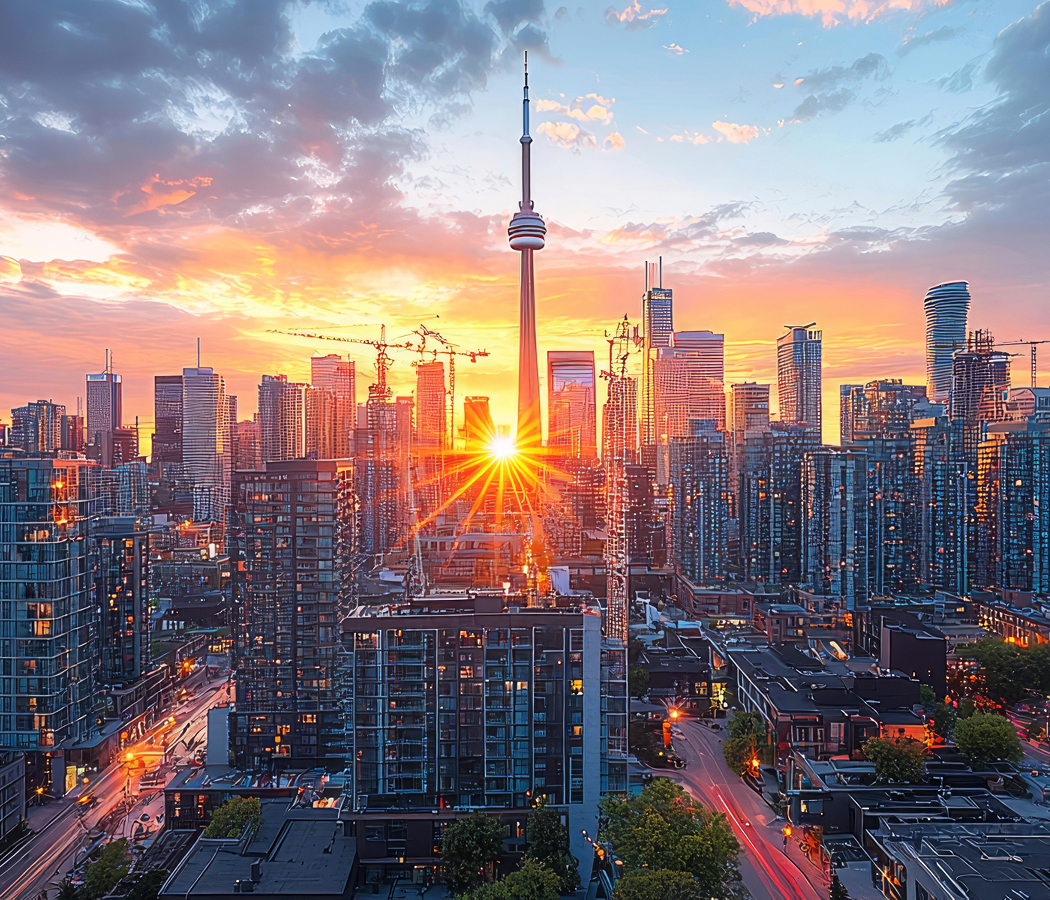
Running through Dovercourt-Wallace Emerson-Junction between Little Portugal and The Junction, the corridor connects former manufacturing districts, railway infrastructure, longstanding residential communities, and evolving commercial streets that collectively demonstrate Toronto's transformation from an industrial city into one of North America's most multicultural urban centres. Successive stretches reveal how factories, railways, immigration, and adaptive reinvestment shaped an avenue whose character has continually evolved while preserving strong ties to its working heritage. Throughout the corridor, industrial architecture, neighborhood businesses, and community institutions remain closely intertwined, creating a streetscape that reflects more than a century of economic and cultural change. The result is an experience defined by resilience, enterprise, and one of Toronto's most compelling historic corridors.
What you should know about Lansdowne Avenue.
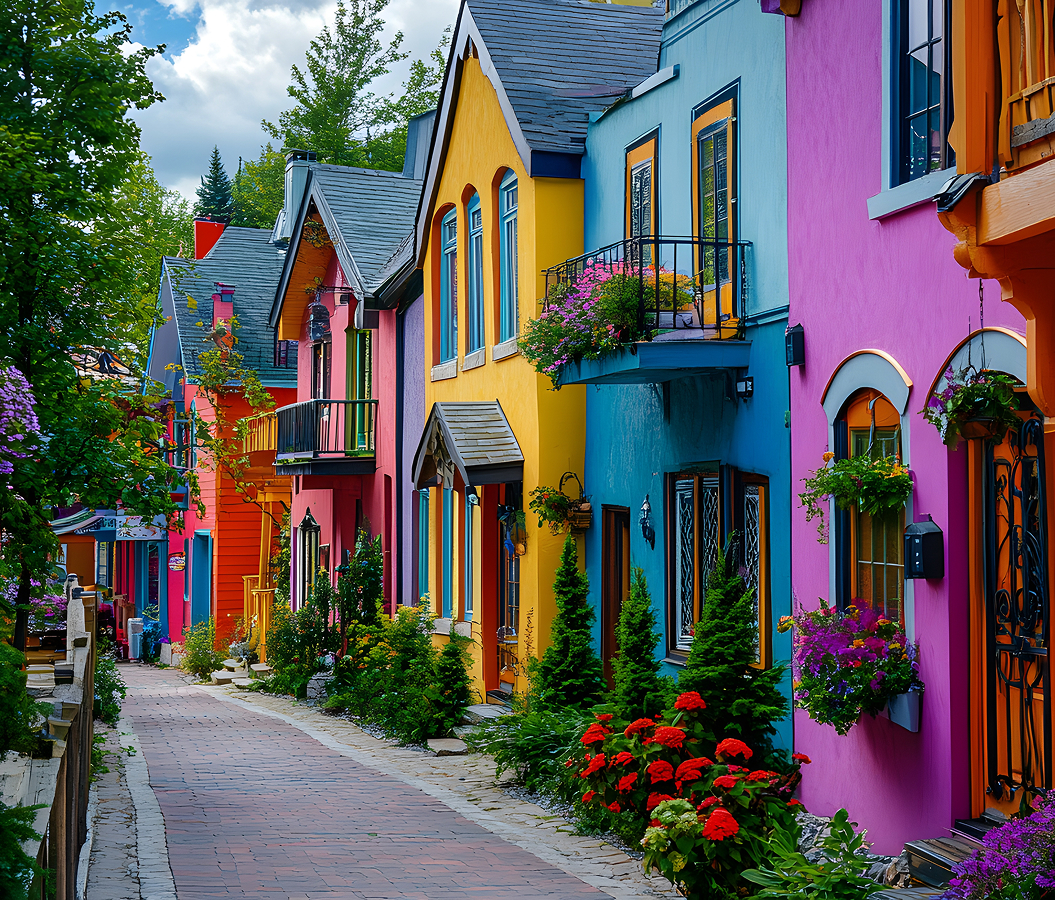
Lansdowne Avenue is best known for following the former western edge of Toronto's nineteenth-century urban expansion, developing rapidly after the Canadian Pacific Railway completed its transcontinental main line through the city during the 1880s, creating one of Canada's largest concentrations of rail-served industry along the corridor. Manufacturing districts surrounding the avenue attracted nationally significant employers including Canada Foundry Company, Dominion Bridge Company, Sterling Rubber Company, and the West Toronto Rail Yards, whose freight operations, machine shops, and industrial sidings established thousands of skilled manufacturing and railway jobs during the late nineteenth and early twentieth centuries. Residential subdivision accelerated alongside industrial growth as successive waves of British, Italian, Portuguese, Polish, and later Caribbean and Latin American immigrants established neighborhoods whose churches, social clubs, businesses, and cultural institutions transformed Lansdowne Avenue into one of Toronto's most ethnically diverse corridors. Completion of the Bloor-Danforth subway in 1966, including Lansdowne Station, strengthened long-established transportation connections while supporting continued commercial investment and residential redevelopment throughout the surrounding districts. Together, these transportation, industrial, demographic, and municipal milestones established Lansdowne Avenue among Toronto's most historically significant urban corridors.
Expansion of railway infrastructure encouraged construction of warehouses, coal yards, grain handling facilities, and wholesale distribution businesses whose close relationship with the Canadian Pacific Railway reinforced the corridor's role within Toronto's industrial economy for much of the twentieth century. Adaptive reuse of former manufacturing buildings has since introduced artist studios, food production facilities, design firms, and technology businesses that preserve historic industrial architecture while supporting new economic activity across the avenue's central districts. Heritage designation of nearby industrial buildings, including surviving factory complexes and railway structures documented by the City of Toronto Heritage Register, continues protecting important examples of brick mill construction, heavy timber framing, and early steel industrial engineering. Collectively, these transportation networks, industrial enterprises, and preservation initiatives demonstrate how Lansdowne Avenue has successfully evolved from a railway manufacturing corridor into a modern urban avenue whose historical character remains firmly rooted in Toronto's industrial past.
How to fold Lansdowne Avenue into your trip.
Lansdowne Avenue works as an exploration of Toronto's industrial history, cultural diversity, and architectural reinvention.
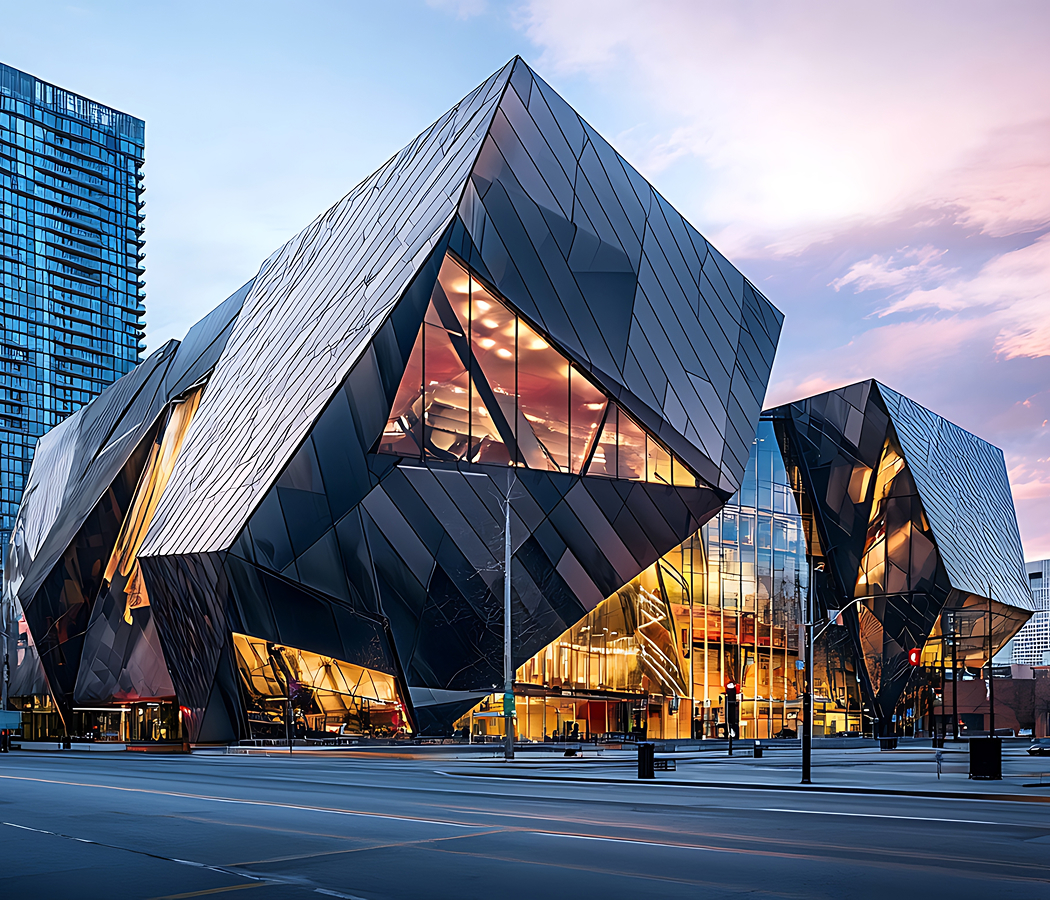
Begin at Museum of Contemporary Art Toronto, where a former aluminum factory now housing one of Canada's leading contemporary art institutions introduces the corridor's remarkable transition from manufacturing to creative enterprise. Continue to The Junction, whose railway origins, independent businesses, and preserved industrial buildings deepen the story by revealing how transportation infrastructure shaped Toronto's west-end economy for generations. Conclude at High Park, where the city's largest public park provides the historical culmination by placing Lansdowne Avenue within the broader landscape that framed West Toronto's nineteenth-century expansion before industrialization transformed the surrounding districts. Together, the sequence progresses from industrial reinvention to railway heritage before culminating in the natural landscape that preceded urban growth, revealing why Lansdowne Avenue remains one of Toronto's most historically layered corridors.
Where your story begins.
Foresyte Travel reveals places that feel extraordinary long before you arrive.
Experience premium editorial crafted for luxury travelers.