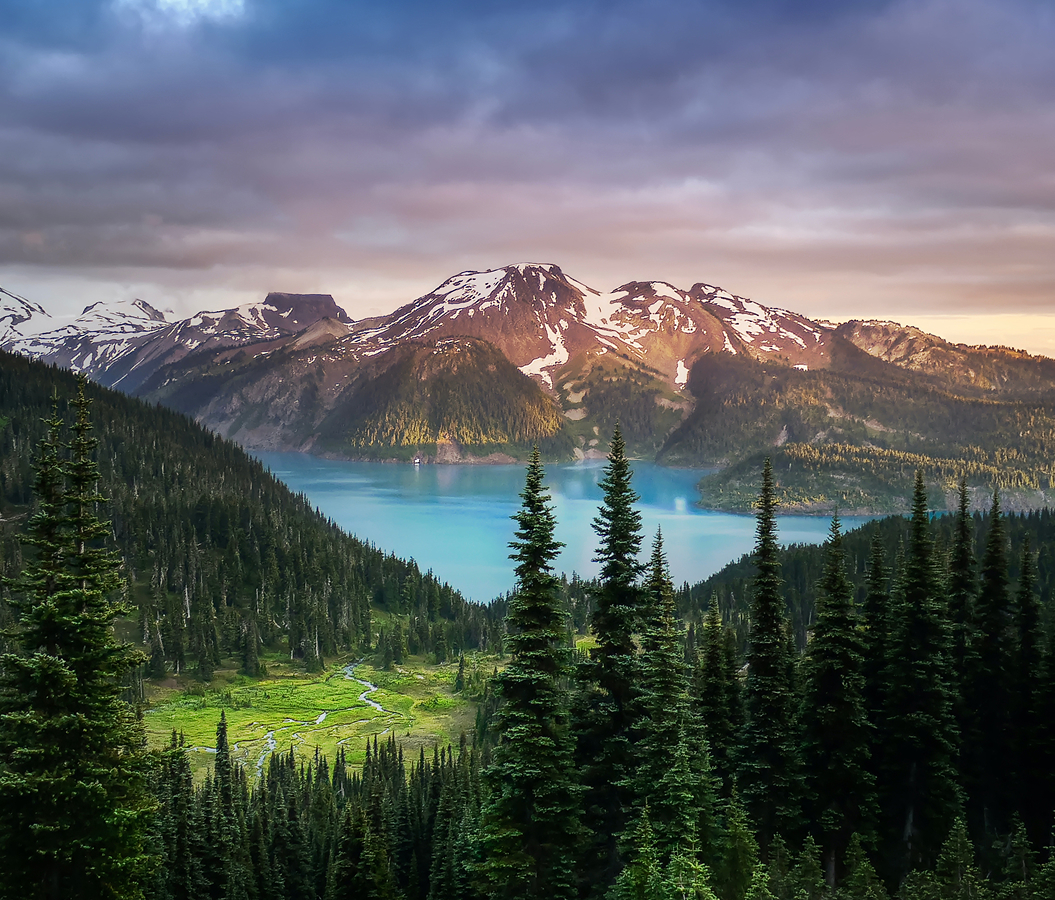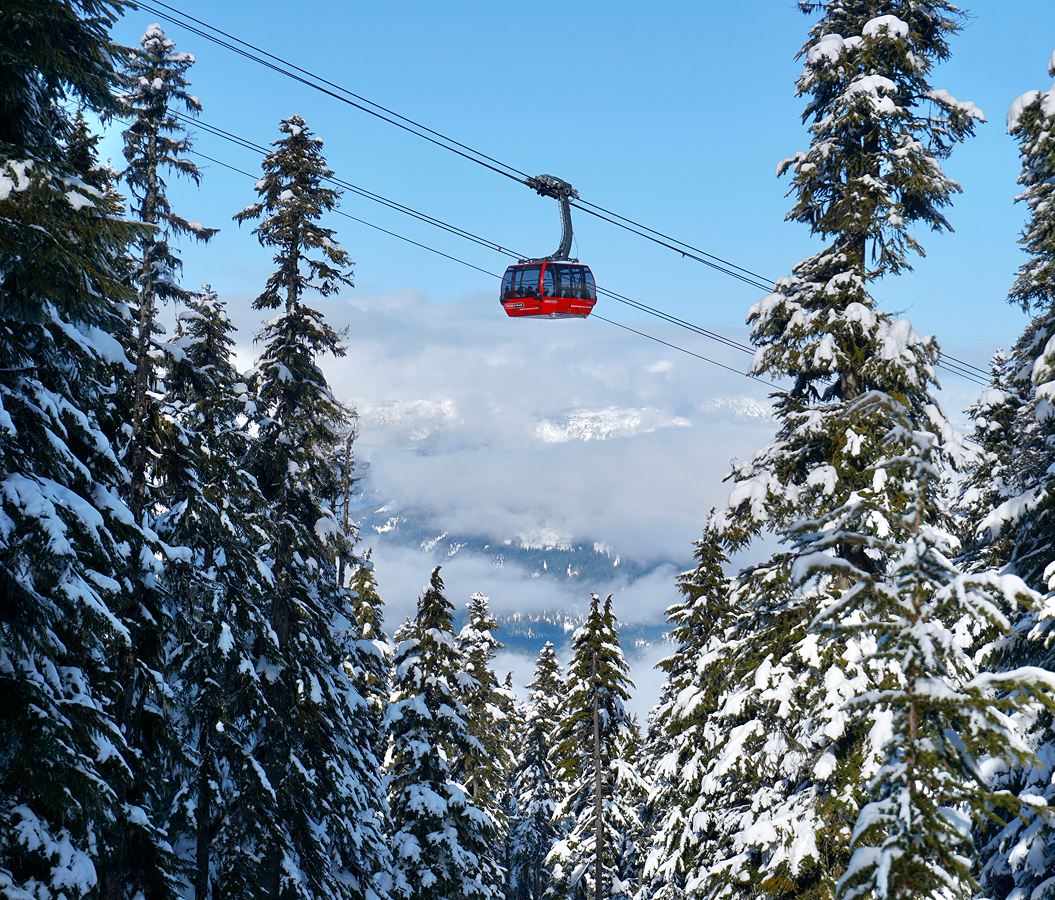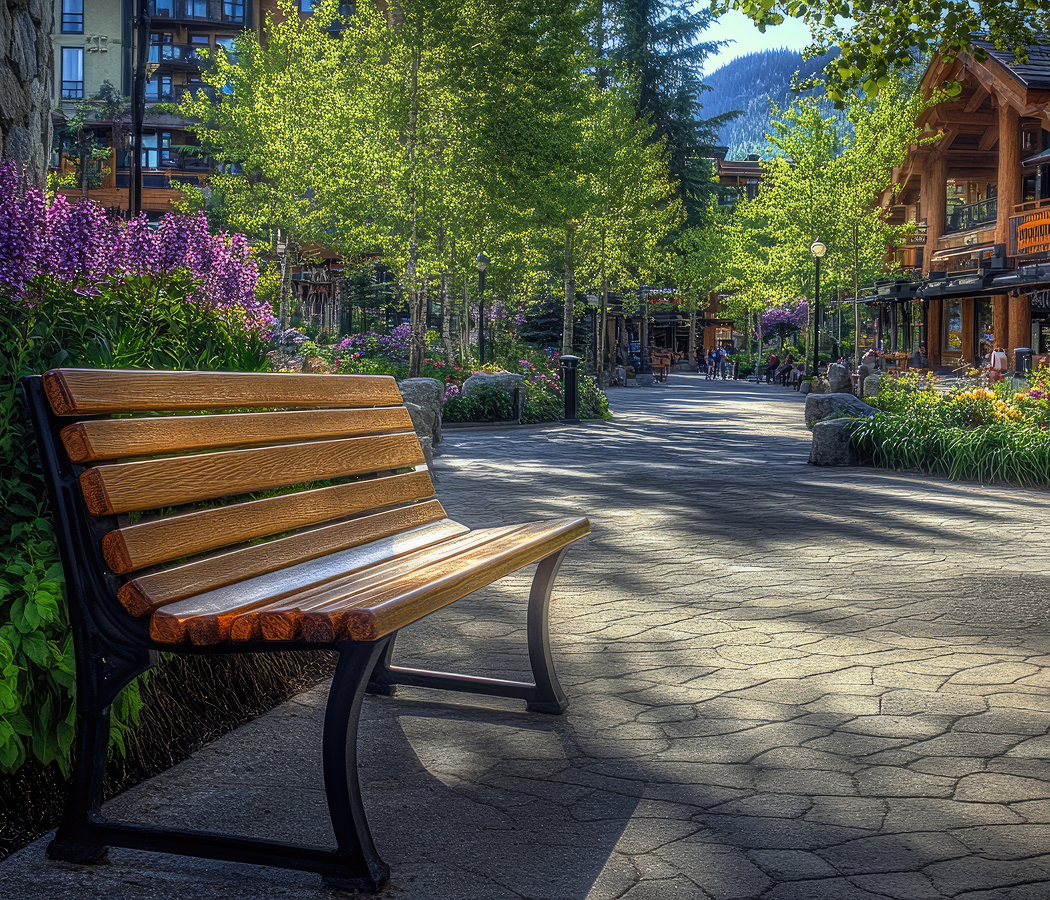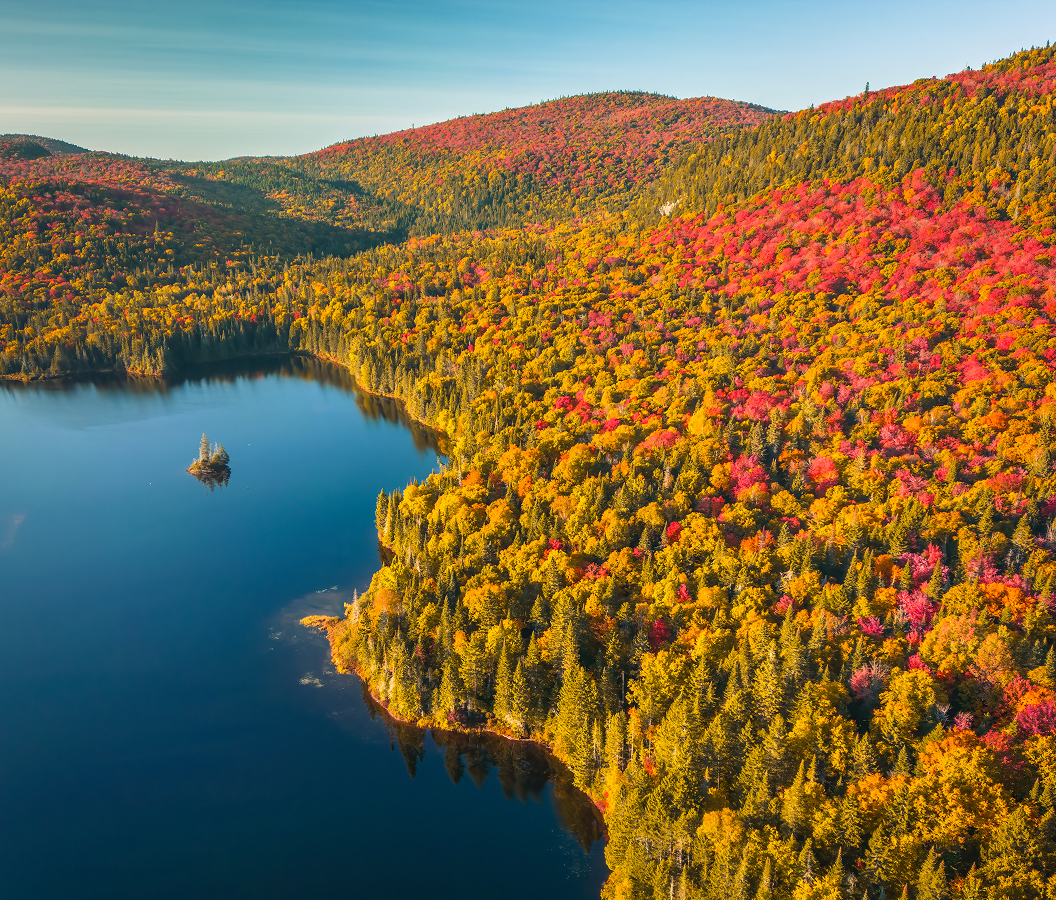
Why you should experience Cinder Flats, Whistler in British Columbia.
Cinder Flats is a rugged stretch of volcanic terrain where the earth feels raw, silent, and ancient beneath your boots.
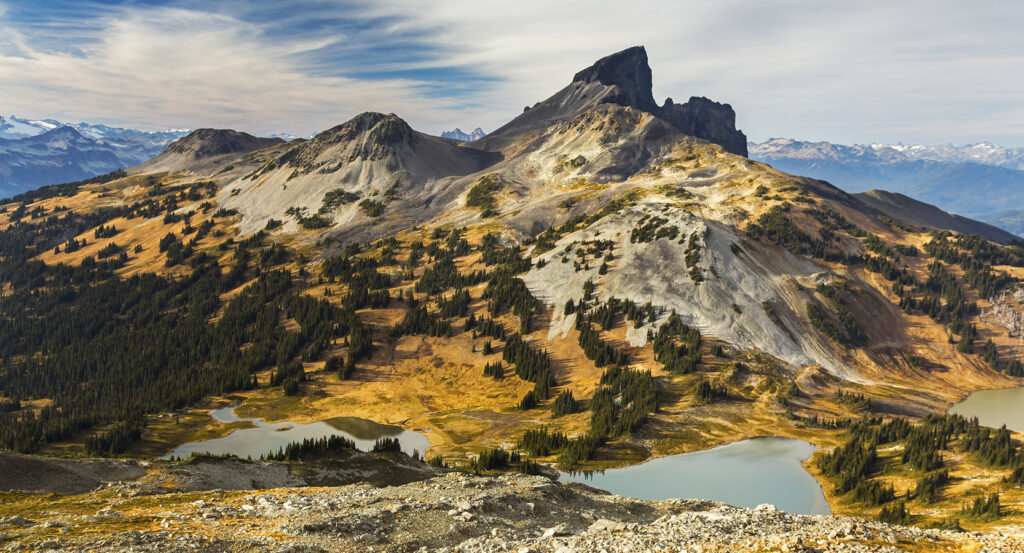
Set high within Garibaldi Provincial Park, this ascent leads hikers across a stark landscape shaped by fire and ice, a sweeping expanse of blackened rock and loose pumice that climbs steadily toward the Black Tusk and Panorama Ridge. The contrast is startling: alpine meadows give way to barren ridges, then to windswept plains that shimmer with heat and colorless dust. Each step kicks up echoes of eruption, reminding you that this was once a world alive with magma and smoke. The reward isn't a single view but a feeling, of being suspended between earth and sky, in a place so elemental it humbles even seasoned mountaineers. Cinder Flats isn't beautiful in the traditional sense; it's something rarer, quiet, powerful, and otherworldly.
What you should know about Cinder Flats, Whistler.
The Cinder Flats marks one of the most geologically significant sections of the Garibaldi backcountry.
Formed from layers of volcanic ash and basalt deposited by eruptions over 170,000 years ago, these flats sit within the Garibaldi Volcanic Belt, part of the same chain that produced the Black Tusk. Beneath your feet lie centuries of frozen history, lava flows, glacial melt, and ancient sediment compacted by time. The thin, dusty trail holds almost no vegetation, giving it a lunar quality that's rare in British Columbia's lush alpine regions. On clear days, you can trace the jagged horizon from Mount Garibaldi to Castle Towers, watching how each ridge tells a chapter of the mountain's geologic story. While most hikers rush past on their way to summit points, those who pause here often find something quieter, the rhythm of wind across stone and the rare stillness of land untouched by modern noise.
How to fold Cinder Flats, Whistler into your trip.
The Cinder Flats lies beyond the Garibaldi Lake Junction, reached via trails from either Taylor Meadows or the Garibaldi Lake Campground.
It's most often hiked en route to Black Tusk or Panorama Ridge, making it a key transition zone between forested trail and exposed alpine. Expect a steep but steady climb with little shade, start early and pack extra water, as the dark volcanic rock radiates heat. Good footwear is essential; the loose pumice can shift easily underfoot. Allow an additional hour for the crossing if you plan to photograph the area or rest mid-ascent. For many hikers, the Cinder Flats becomes a moment of reflection, where you look back at the green world below and realize how far you've climbed into the realm of stone, silence, and wind. It's not the hardest stretch of Garibaldi, but it might be the one that stays with you longest.
Where your story begins.
Foresyte Travel reveals places that feel extraordinary long before you arrive.
Experience premium editorial crafted for luxury travelers.