Why Gooderham and Worts matters.
Gooderham and Worts is a nationally significant industrial heritage destination where the Distillery District's Victorian architecture, entrepreneurial legacy, adaptive reuse, and cultural vitality create one of Canada's most influential historic sites.
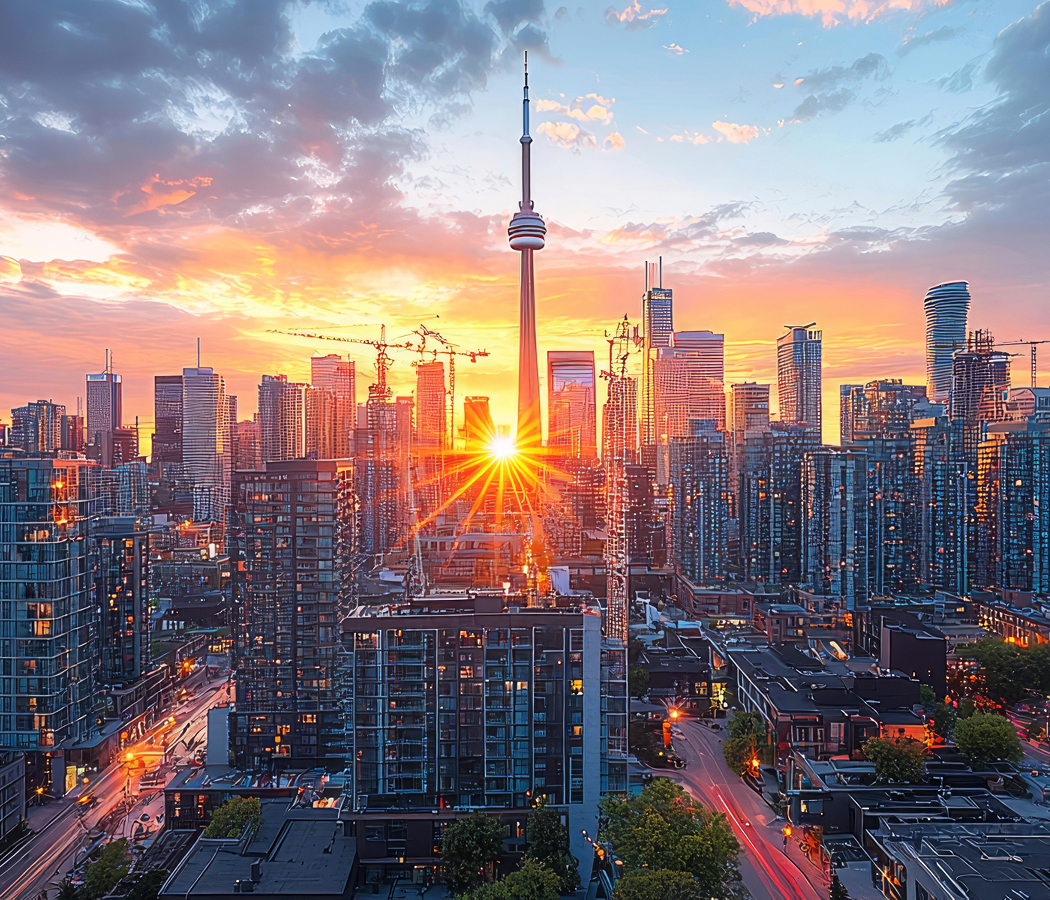
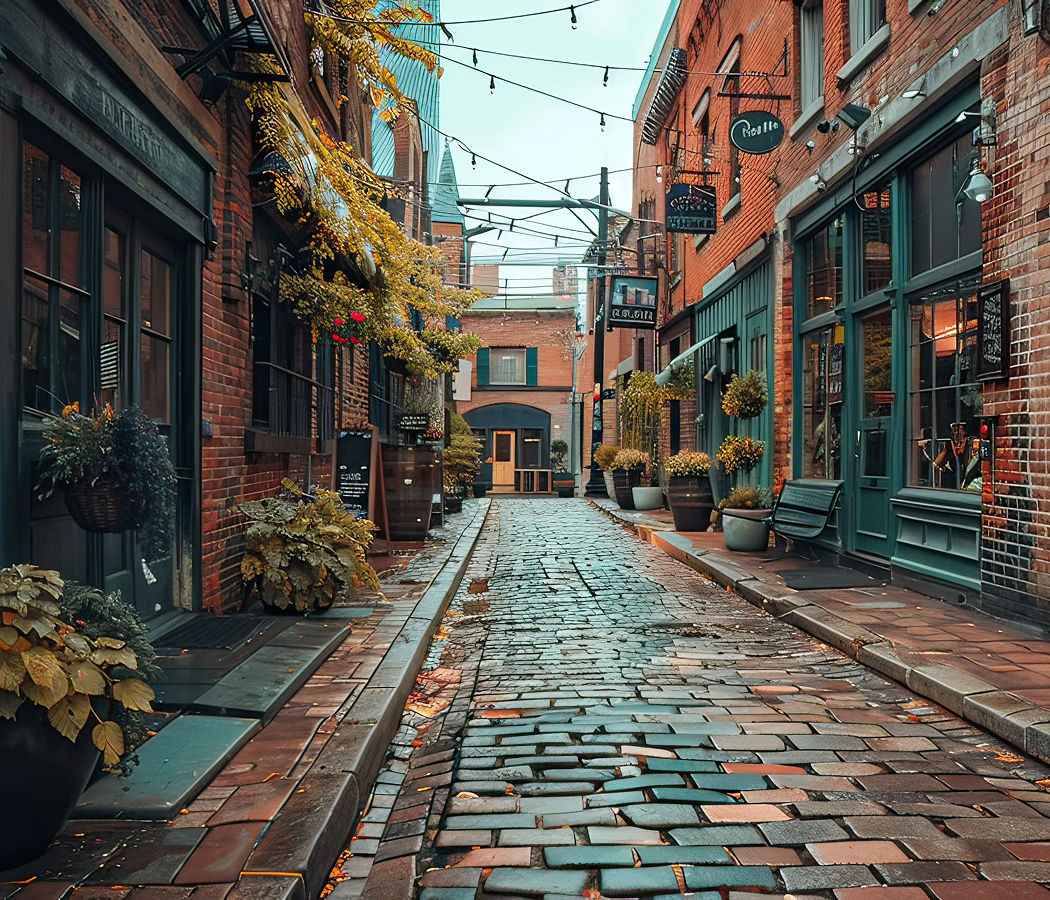
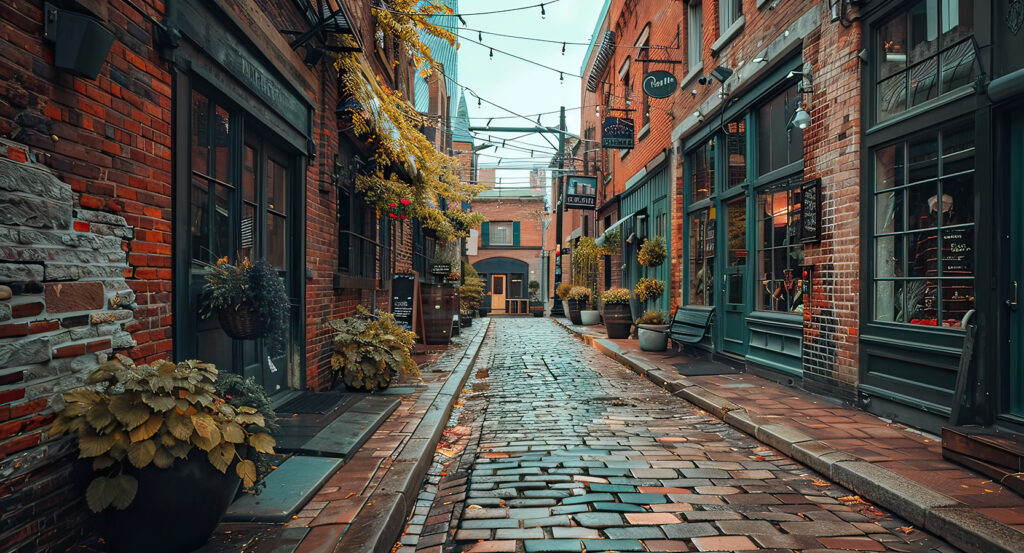
Set along Trinity Street near Mill Street and just steps from the Stone Distillery, this extraordinary nineteenth-century industrial complex welcomes visitors into a remarkably preserved collection of red-brick warehouses, distillery buildings, courtyards, and pedestrian streets that now house galleries, restaurants, theatres, boutiques, and cultural venues. Towering masonry buildings, cobblestone lanes, and intricate industrial craftsmanship create an atmosphere where Toronto's manufacturing past seamlessly blends with its creative present. Every visit reveals how one of the world's great industrial enterprises evolved into one of Canada's most celebrated heritage districts. The result is an experience defined by architectural preservation, industrial innovation, and one of Toronto's most important historic places.
What defines Gooderham and Worts.
Gooderham and Worts is best known for evolving from a wind-powered flour mill established in 1832 by brothers-in-law William Gooderham and James Worts into the largest distillery in the British Empire and, by 1877, widely recognized as the largest distillery in the world. After James Worts' death in 1834, William Gooderham converted surplus grain into whisky production in 1837, laying the foundation for one of Canada's most influential industrial enterprises. Construction of the expansive distillery complex began in 1859, with the immense Stone Distillery, designed by David Roberts Sr., becoming the centerpiece of a rapidly expanding operation that produced 700,000 imperial gallons of spirits in 1862, representing nearly one-quarter of all spirits produced in Canada. Under George Gooderham, annual production surpassed two million gallons, while the 13-acre complex expanded to encompass more than 40 Victorian industrial buildings erected between 1859 and 1927, complete with malt houses, rack warehouses, cooperages, still houses, tank houses, offices, rail infrastructure, and shipping facilities that demonstrated every stage of nineteenth-century whisky production. The enterprise also became Canada's largest taxpayer during parts of the late nineteenth century while helping finance railways, banks, insurance companies, and major commercial developments that shaped Toronto's emergence as the country's industrial and financial capital. The remarkably complete complex received designation as a National Historic Site of Canada in 1988, preserving what is recognized as the largest and best-preserved collection of Victorian industrial architecture in North America.
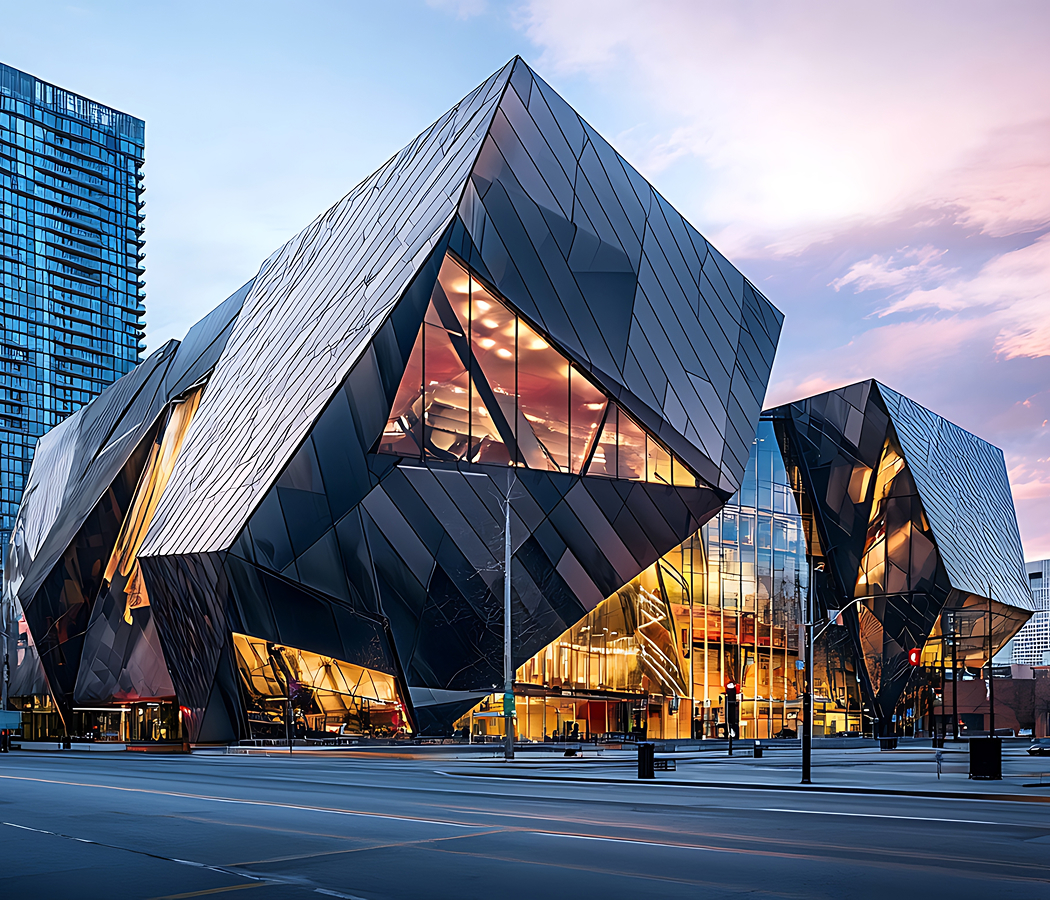
Beyond its extraordinary industrial legacy, Gooderham and Worts became an international model for large-scale adaptive reuse following the closure of distilling operations during the early 1990s. Rather than demolishing the historic campus, developers preserved its original cobblestone streets, heavy timber construction, cast-iron detailing, limestone masonry, rail alignments, and interconnected industrial buildings while transforming the site into today's pedestrian-only Distillery District. Historic tank houses became theatres, warehouses evolved into galleries and restaurants, and production buildings were carefully restored. The district's exceptional architectural integrity continues attracting preservationists, architects, historians, filmmakers, and urban planners from around the world as a benchmark for heritage-led urban regeneration. Industrial archaeology, architectural conservation, public-private collaboration, and contemporary cultural programming combine to create one of North America's most successful historic revitalization projects.
How Gooderham and Worts fits.
Gooderham and Worts works as the historic centerpiece of an exploration through the Distillery District.
Begin at the Stone Distillery, where the expansive limestone building introduces the extraordinary industrial scale of Gooderham and Worts. Continue to the Young Centre for the Performing Arts, whose adaptive reuse of historic tank houses demonstrates the district's remarkable architectural transformation. Conclude at Trinity Square, where galleries, public art, and preserved Victorian streetscapes provide a memorable finale celebrating the remarkable relationship between industrial history, architecture, and cultural renewal that defines the Distillery District. The progression moves naturally from historic distillery to preserved industrial campus before concluding through two defining heritage destinations, revealing why Gooderham and Worts remains one of Canada's essential historic experiences.
Where your story begins.
Foresyte Travel reveals places that feel extraordinary long before you arrive.
Enjoy editorial crafted for luxury travelers.
Foresyte may earn a commission when you book.