Why you should experience Elm Street in Toronto, Ontario.
Elm Street is a historic Garden District corridor where civic heritage, institutional prominence, and downtown vitality converge along one of Central Toronto's enduring urban streets.
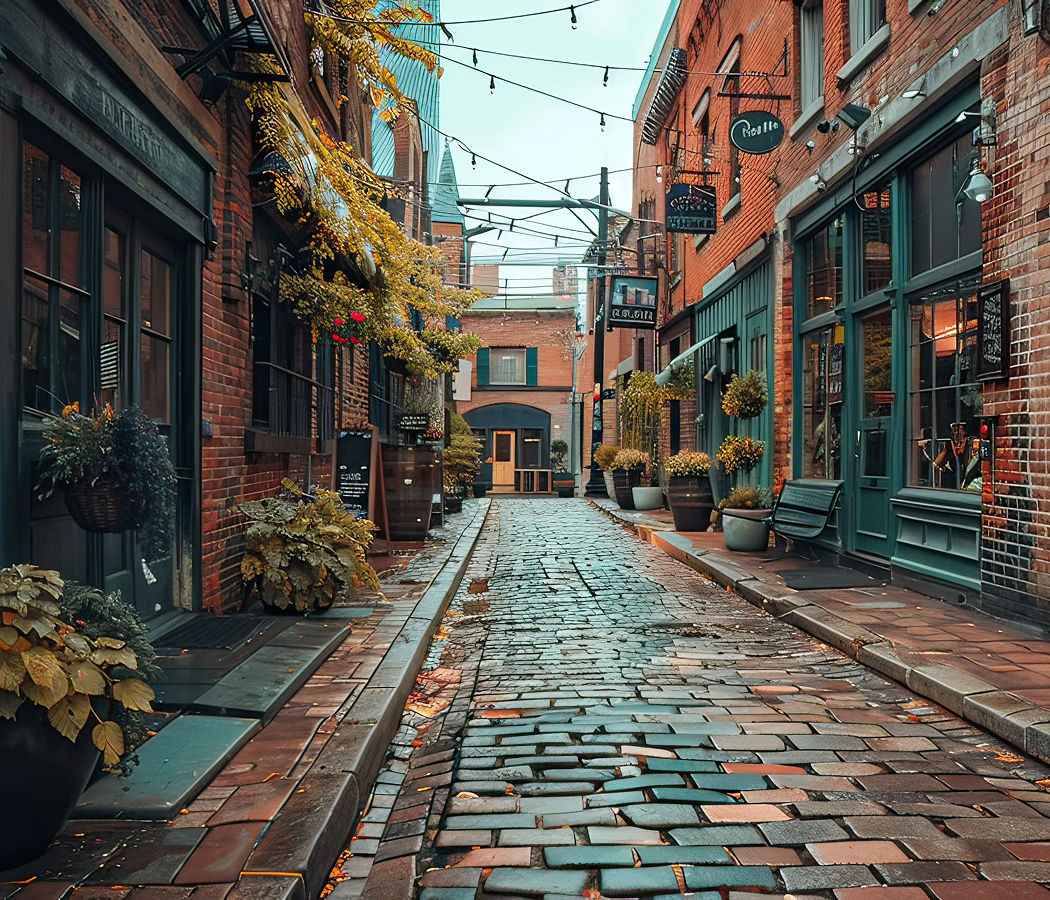
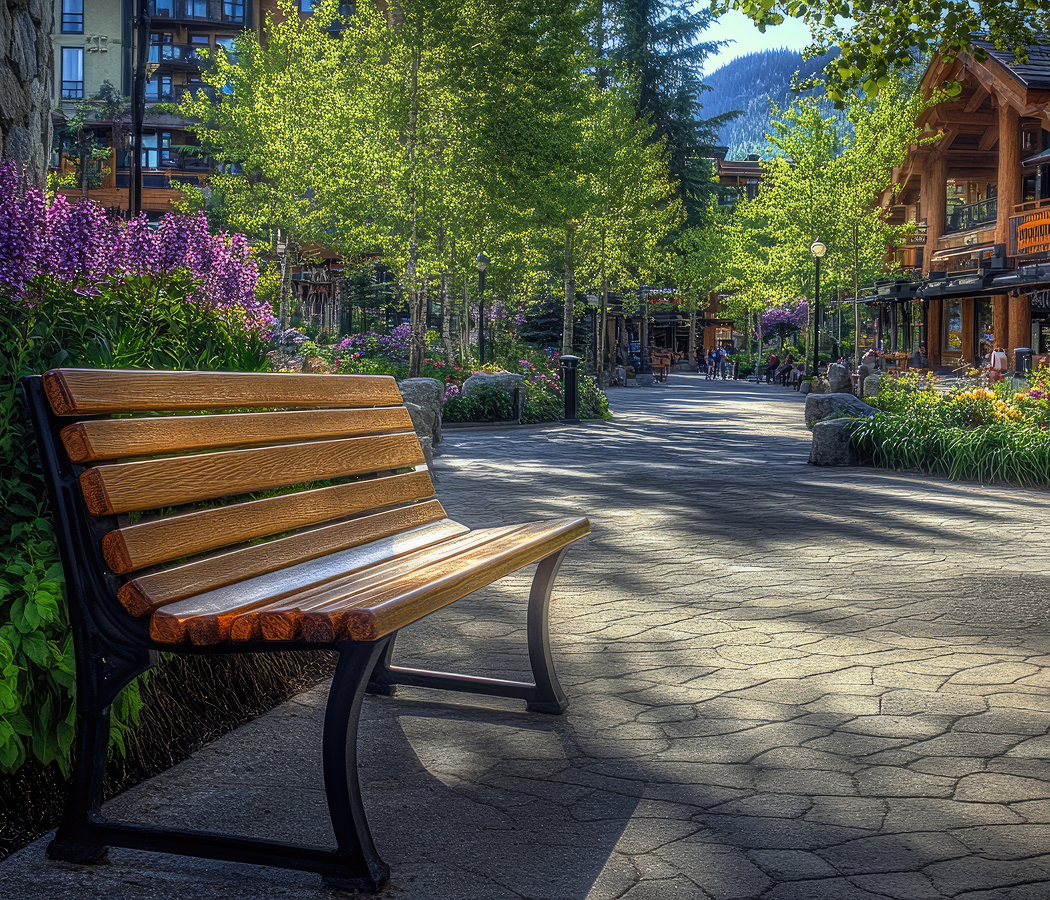
Running through the Garden District between Bay Street and Church Street, this welcoming corridor links historic hospitals, educational institutions, heritage buildings, modern residential towers, neighborhood cafés, landscaped public spaces, and energetic pedestrian streets that reflect the continual evolution of Downtown. Established civic landmarks stand alongside contemporary development, while tree-lined sidewalks, community amenities, and thriving city life create an atmosphere where Toronto's historic foundations and modern urban character naturally coexist. Throughout every season, Elm Street remains an important connector within the city's civic core, reinforcing its reputation as one of downtown's quietly significant corridors. The result is a corridor defined by history, accessibility, and enduring civic character.
What you should know about Elm Street.
Elm Street is best known for preserving the name of the elm trees that once grew along Toronto's original townsite before nineteenth-century urban expansion transformed the area into the city's civic and institutional center.
Named during Toronto's early development, Elm Street reflects the natural landscape that characterized the Town of York before extensive urbanization reshaped the surrounding area during the nineteenth century. As Toronto expanded, the corridor became closely associated with major public institutions, including hospitals, educational facilities, and civic services that helped establish the downtown core as the administrative and medical heart of the city. Today, Elm Street continues to connect historic landmarks with modern residential and institutional development while preserving a direct link to Toronto's earliest place-naming traditions. Few downtown streets retain such a clear reminder of the city's original natural landscape.
How to fold Elm Street into your trip.
Elm Street works as an exploration of the Garden District's remarkable blend of civic landmarks, historic architecture, and downtown culture.
Begin along Elm Street, where historic institutional buildings and energetic streetscapes immediately establish the corridor's distinctive character. Continue to Nathan Phillips Square, whose iconic civic architecture, public art, and year-round programming reveal the symbolic heart of Toronto. From there, conclude at Old City Hall, where grand Romanesque Revival architecture and remarkable civic history provide a memorable finale to an afternoon shaped by architecture, history, and urban discovery. Along the route, heritage buildings, landscaped plazas, neighborhood cafés, public art installations, educational institutions, pedestrian-friendly streets, and thriving public spaces demonstrate how the Garden District continues to celebrate one of Toronto's richest civic landscapes. The progression moves naturally from a historic downtown corridor to Toronto's signature public square before concluding at one of Canada's finest civic buildings, revealing why Elm Street remains one of the city's defining historic streets.
Where your story begins.
Foresyte Travel reveals places that feel extraordinary long before you arrive.
Experience premium editorial crafted for luxury travelers.