Why Four Seasons Resort Whistler matters.
Four Seasons Resort Whistler is an alpine resort where Upper Village's mountain-lodge setting meets Whistler Blackcomb's global ski culture, British Columbia's Coast Mountain landscape and a year-round tradition of high-service adventure hospitality.
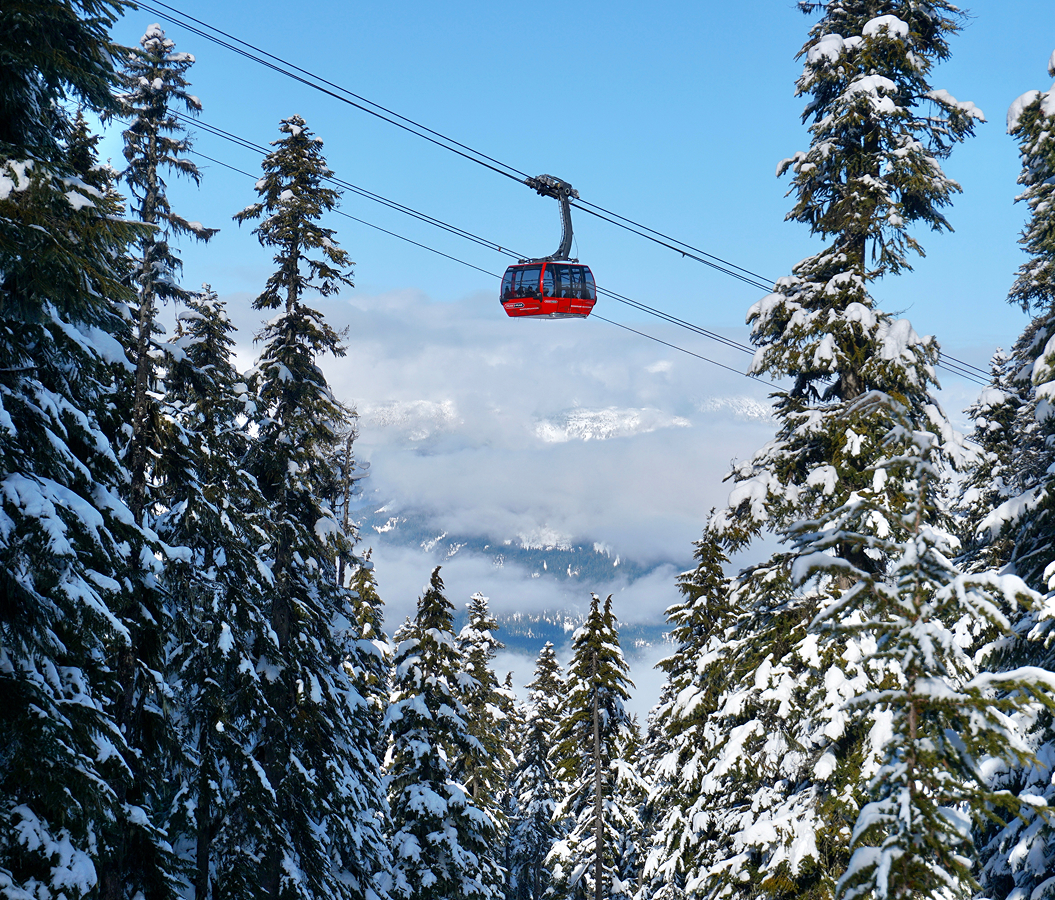
Set along Blackcomb Way at the base of Blackcomb Mountain, Four Seasons Resort Whistler occupies Upper Village beside forested trails, ski access routes, boutiques and restaurants, with Whistler Village, Lost Lake and the Fitzsimmons Creek valley extending through the surrounding resort landscape. The resort sits within a pedestrian-oriented mountain settlement whose built environment gives way quickly to conifer forest, steep slopes and glaciated horizons. Blackcomb Mountain rises immediately above the property, while Whistler Mountain, the valley floor and the resort's interconnected paths define the broader geographic frame. The result is a hotel that functions as both a secluded alpine lodge and a highly connected address within Whistler's larger mountain system.
What defines Four Seasons Resort Whistler.
Four Seasons Resort Whistler opened on June 28, 2004, introducing the Canadian luxury hospitality company's first domestic mountain resort during a defining period in the development of Whistler as an international alpine destination. The project arrived six years before the Vancouver 2010 Olympic and Paralympic Winter Games, whose alpine skiing competitions would bring unprecedented international attention to Whistler Blackcomb. Vancouver-based Burrows Huggins Architects developed the resort's architectural character around the traditions of North American mountain lodges, interpreting alpine hospitality through substantial timber elements, natural stone, pitched roofs and a residential scale suited to the surrounding mountain environment. PCL Construction completed the development as a 465,000-square-foot complex comprising two interconnected buildings, establishing a distinctive arrangement of hotel accommodations, private residences and shared hospitality facilities. The buildings were linked through an elevated walkway and an underground service connection, integrating their operations across a substantial alpine property. The development incorporated a separate residential component from its inception, extending Four Seasons' service philosophy into privately owned mountain homes with dedicated hospitality support. The original resort established a significant new benchmark for luxury accommodation in Whistler, introducing an internationally recognized five-star operator into a destination whose hospitality economy had developed around recreational skiing, condominium accommodation and seasonal mountain tourism. Its architectural character reinforced the transformation of Whistler's luxury sector through an interpretation of mountain living that combined substantial private interiors with the communal traditions of alpine resorts. The property's opening also reflected the growing importance of year-round tourism to the region's economy, with summer recreation, corporate retreats and residential ownership extending commercial activity beyond the winter ski season. The resort's subsequent development strengthened its standing within Canada's luxury hospitality industry, including recognition as the country's leading resort in the Condé Nast Traveler Readers' Choice Awards. The integration of international hotel management, architecturally coordinated private residences and four-season mountain hospitality established the property as a consequential participant in Whistler's emergence as a globally recognized luxury resort destination.
Executive Chef Shiv Kappal's culinary philosophy gives Four Seasons Resort Whistler a distinctive gastronomic character grounded in British Columbia's coastal ingredients, the agricultural character of the Sea to Sky region and the elemental traditions of open-fire cooking. Appointed in June 2025, Kappal brought more than eighteen years of international Four Seasons experience, including assignments in Mumbai, Doha, Abu Dhabi and the Maldives, where he developed an approach centered on seasonal sourcing, precise technique and the concentrated flavors produced through direct heat. His leadership connects the resort's principal restaurants through a shared culinary philosophy that places Canadian ingredients within an international style of preparation and presentation. At SIDECUT Steakhouse, carefully selected Canadian Prime beef and Pacific seafood provide the foundation for a contemporary interpretation of mountain dining, with grilling techniques emphasizing natural richness, caramelization and the controlled development of smoke. The restaurant's exclusive A5 olive-fed Wagyu introduces a Japanese dimension to this philosophy, extending its attention to provenance, marbling and the relationship between fat and heat. Kappal expanded the restaurant's gastronomic ambitions in March 2026 through an eight-course tasting menu devoted to British Columbia's ingredients, introducing a more elaborate sequence of seasonal preparations and wine pairings within its established steakhouse identity. Braidwood Tavern develops the same regional foundation through the convivial traditions of après-ski hospitality, emphasizing shared dining, substantial seasonal cooking and the informal sociability associated with Canadian mountain lodges. Its seafood program draws upon the Pacific coast's fishing and aquaculture traditions, incorporating the freshness and delicate salinity of British Columbia's marine ingredients into a relaxed alpine dining format. The tavern's beverage character extends beyond conventional resort cocktails through The Memoir, a narrative-driven collection of drinks organized around personal memory and resonant association, combining composed flavors with a distinctive approach to contemporary mixology. A culinary collaboration with Canadian chef Natalie Prhat introduces plant-based preparations that expand the resort's interpretation of regional produce through inventive seasoning and vegetable-centered cooking. The resort's broader hospitality philosophy carries this relationship between nature and personal service into mountain recreation, with dedicated ski assistance and seasonal programming organized around the changing recreational character of Whistler Blackcomb. Its spa extends the restorative dimension through therapeutic body treatments and personalized wellness rituals, complementing the physical intensity of skiing, hiking and alpine exploration. The outdoor heated swimming pool and surrounding relaxation areas contribute to a year-round culture of mountain recovery, reinforcing the relationship between active recreation and refined residential hospitality. Together, these culinary and service traditions establish a distinctive interpretation of Canadian alpine luxury through regional gastronomy, international culinary craftsmanship and the social character of a contemporary mountain retreat.
How Four Seasons Resort Whistler fits.
Four Seasons Resort Whistler works as a base for reading Whistler through its planned resort town, preserved alpine recreation landscape and the living cultures of the Squamish and Lil'wat Nations.
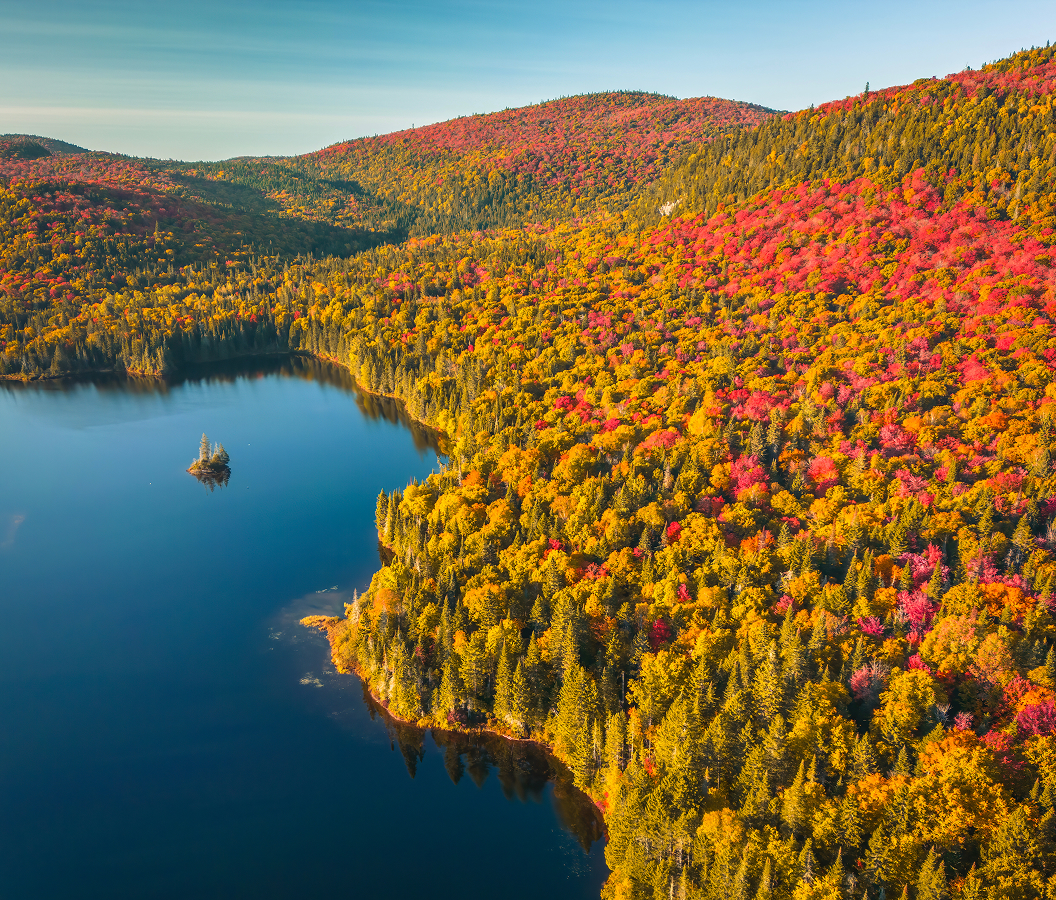
Begin at Whistler Village, the pedestrian-oriented centre whose planning gave Whistler a recognizable civic core rather than a conventional roadside resort strip. The village emerged from planning that began in the late 1970s, with Eldon Beck shaping a car-free town centre around pedestrian movement, public spaces and direct access to surrounding mountains. Its streets connect hotels, restaurants, shops, galleries and ski infrastructure while preserving a compact relationship between commercial life and the forested slopes beyond. Whistler Village opened in December 1980 alongside the early development of Whistler and Blackcomb as a unified destination. Continue to Lost Lake Park, where the built resort gives way to forest trails, shoreline terrain and a network of summer and winter routes. The park contains more than 25 kilometres of trails used for hiking, biking, cross-country skiing and snowshoeing, with Lost Lake providing a calm geographic counterpoint to the larger mountain faces. Its paths move through mature forest and wetland edges, making the park a close study in how Whistler preserves accessible natural terrain beside dense visitor infrastructure. Conclude at the Squamish Lil'wat Cultural Centre, an institution created through cooperation between the Squamish Nation and Lil'wat Nation. Opened in July 2008, the centre's architecture interprets the Squamish longhouse and Lil'wat Istken pit house through a contemporary building whose form connects cultural memory with the modern resort community. Exhibitions, performances, guided experiences and material culture place the histories of both Nations at the centre of Whistler's public landscape. The progression moves from planned resort urbanism through protected mountain ecology to an Indigenous cultural institution, revealing how Four Seasons Resort Whistler sits within a much larger geographic and historical structure.
Where your story begins.
Foresyte Travel reveals places that feel extraordinary long before you arrive.
Enjoy editorial crafted for luxury travelers.
Foresyte may earn a commission when you book.