Why Lost Lake Park matters.
Lost Lake Park is a forested alpine retreat where Whistler's mountain wilderness meets the recreational heritage of the Coast Mountains, combining a sheltered freshwater lake, an extensive woodland trail network and the transformation of a former logging landscape into one of British Columbia's most accessible year-round natural recreation areas.
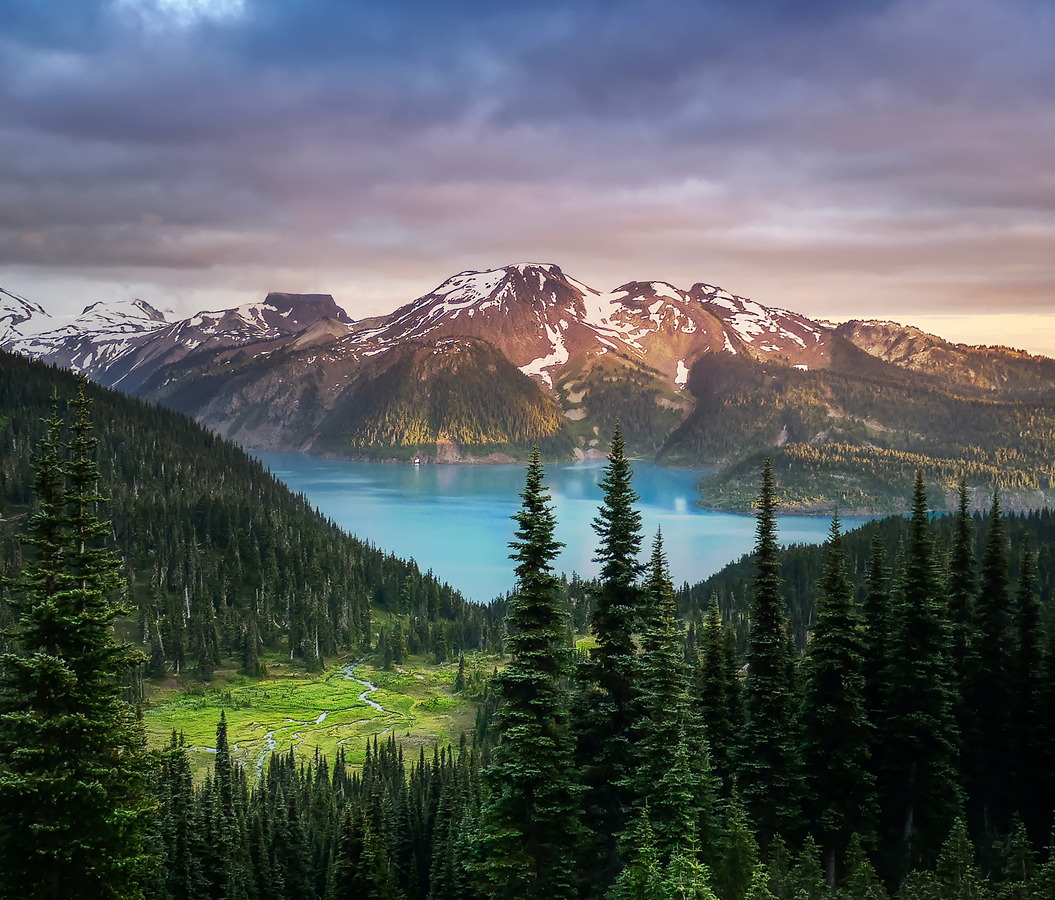
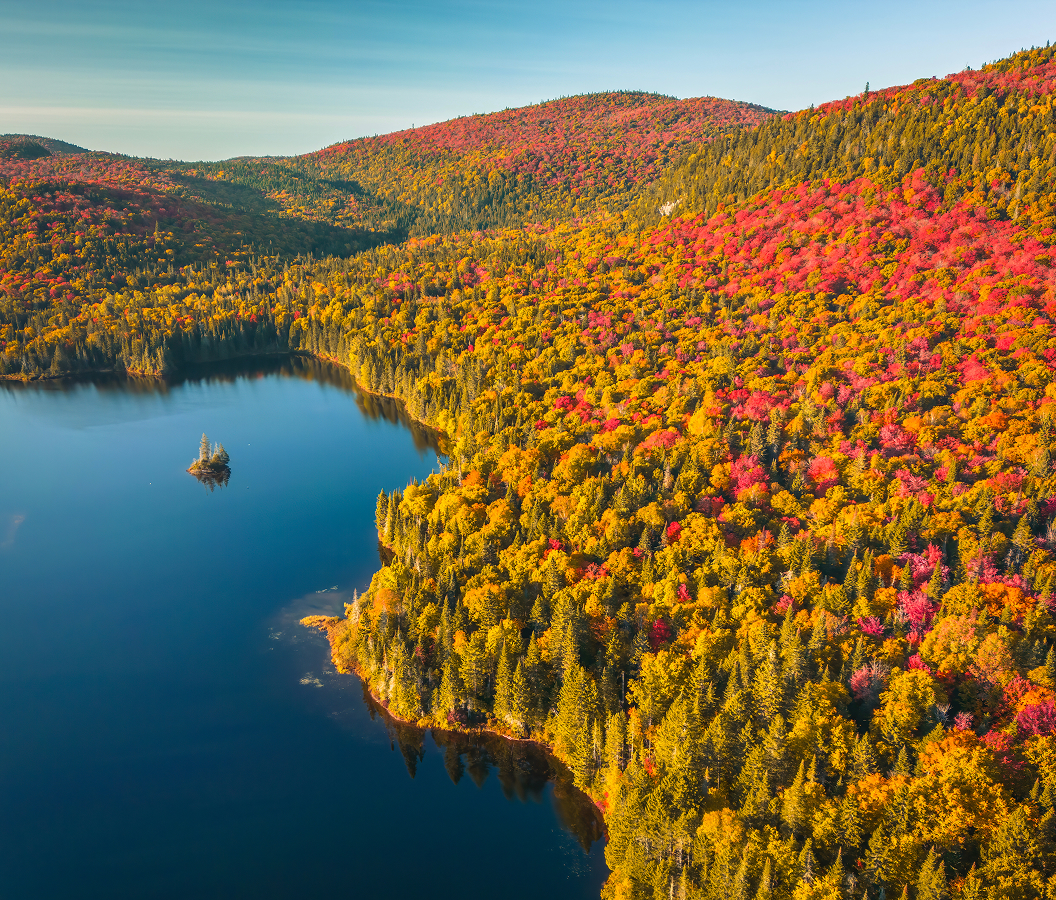
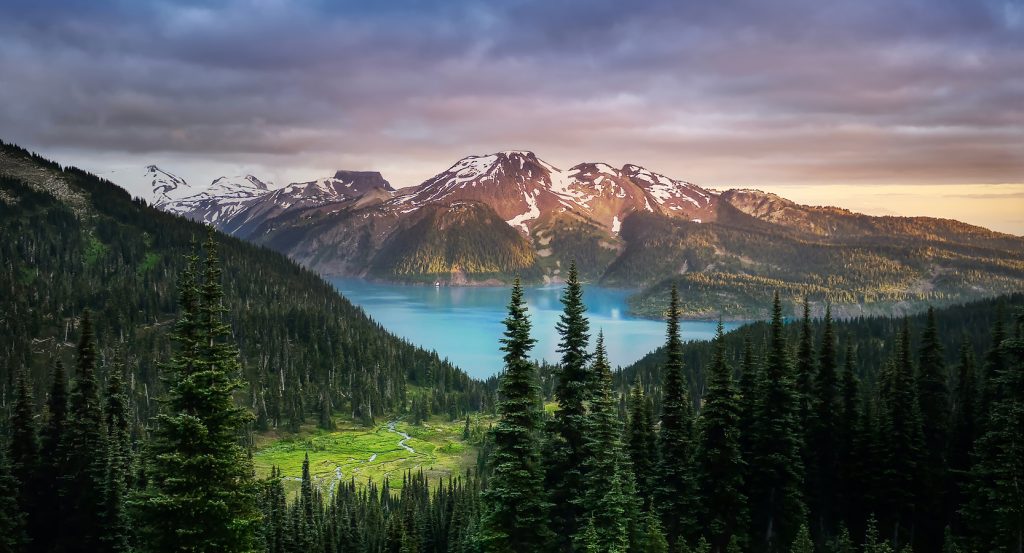
Situated northeast of Whistler Village between the Upper Village district and the forested slopes of Blackcomb Mountain, the park occupies a sheltered basin surrounding Lost Lake, with interconnected woodland trails extending through the Fitzsimmons Creek watershed toward the surrounding mountain foothills. Dense stands of coniferous trees enclose the lake, creating a secluded setting within walking distance of the resort community. Sandy beaches and grassy clearings provide access to the shoreline, with mountain views opening across the water. Forest paths connect swimming areas, picnic grounds and recreational trails through a landscape shaped by glacial processes and successive generations of land use. The result is a protected natural setting whose proximity to Whistler's developed resort center preserves an important connection between mountain recreation, ecological conservation and the region's forested landscape.
What defines Lost Lake Park.
Lost Lake Park is best known for its sheltered freshwater lake, extensive recreational trail network and year-round access to the forested landscapes surrounding Whistler. The park occupies part of the traditional territories of the Squamish Nation and Lil'wat Nation, whose communities maintained longstanding relationships with the waterways, forests and seasonal resources of the region. The surrounding landscape developed through geological processes associated with the Coast Mountains, including glaciation that reshaped valleys and deposited extensive quantities of sediment. During successive glacial periods, advancing ice eroded bedrock and modified drainage patterns across the Whistler valley. Retreating glaciers left depressions, moraines and altered watercourses that influenced the formation of lakes and wetlands. The basin surrounding Lost Lake developed within this complex glacial landscape, supporting a freshwater environment enclosed by forested slopes. Indigenous communities used the greater valley for travel, resource gathering and seasonal activities long before the establishment of modern recreational infrastructure. European settlement expanded during the early twentieth century as railway construction introduced new transportation connections through the region. The Pacific Great Eastern Railway reached Alta Lake in 1914, encouraging the development of tourism and commercial activities. Logging subsequently became an important economic activity across the surrounding valleys, altering portions of the forest landscape through timber harvesting and access-road construction. The development of Whistler Mountain as a ski resort during the 1960s accelerated regional population growth and recreational investment. The incorporation of the Resort Municipality of Whistler in 1975 established a local government responsible for balancing resort expansion with community infrastructure and environmental management. As the resort community grew, the forested lands surrounding Lost Lake became increasingly important for walking, swimming and cross-country skiing. Municipal planning preserved the lake and its surrounding woodland as a major public recreational area. Trail development expanded access through the forest, establishing interconnected routes for seasonal outdoor activities. The park subsequently became an important component of Whistler's broader recreational network, connecting the resort settlement with protected natural environments. Its continued public use demonstrates the integration of accessible conservation areas into the planning of a major international mountain destination.
Lost Lake's sheltered basin supports a distinctive combination of freshwater habitat, coniferous woodland and recreational infrastructure. The lake occupies a relatively compact depression surrounded by forested slopes, creating a setting protected from the stronger winds experienced at higher elevations. Its shoreline includes sandy swimming areas, grassy clearings and sections of natural vegetation that provide habitat for aquatic and terrestrial wildlife. The surrounding forest contains western hemlock, western red cedar and other coniferous species characteristic of British Columbia's coastal mountain environment. Seasonal moisture supports mosses, ferns and understory vegetation beneath the forest canopy. The lake's relatively calm waters provide opportunities for swimming during warmer months, with designated beach areas accommodating recreational use. Lost Lake Beach forms the principal public swimming area, providing shoreline access and open space for relaxation. The surrounding trail network extends through varied woodland terrain, connecting the lake with nearby recreational corridors and mountain foothills. Walking routes follow relatively gentle gradients around portions of the shoreline, providing accessible opportunities to observe the forest environment. More extensive trails accommodate mountain biking and other recreational activities, with designated routes separating different uses where necessary. During winter, the Lost Lake Nordic Trails become an important cross-country skiing destination, with groomed routes extending through the surrounding woodland. Snowshoeing provides an additional means of exploring the forest during periods of substantial snowfall. The Lost Lake PassiHaus, developed in connection with the 2010 Winter Olympic and Paralympic Games, serves as an important recreational facility near the park. Its energy-efficient construction incorporates principles associated with passive building design, demonstrating the application of advanced environmental engineering within a mountain recreation setting. The building supports seasonal activities and provides facilities associated with the surrounding trail network. The park's recreational infrastructure operates within a landscape that also requires the protection of sensitive habitats and water quality. Trail management, seasonal access controls and environmental stewardship contribute to the preservation of the forested basin. Its combination of swimming, woodland exploration and winter Nordic recreation establishes Lost Lake Park as a significant year-round public amenity within Whistler.
How Lost Lake Park fits.
Lost Lake Park works as the natural recreation anchor for a Whistler outing connecting Indigenous cultural heritage, the community's Olympic history and the alpine landscapes that established the region as an international mountain destination.
Begin at Squamish Lil'wat Cultural Centre, the Indigenous cultural institution situated in Whistler's Upper Village. Opened in 2008, the center was developed through cooperation between the Squamish Nation and Lil'wat Nation to preserve and share their distinct cultural traditions. Its architecture incorporates design elements inspired by Squamish longhouses and traditional Lil'wat istken dwellings. Exhibitions present weaving, carving, oral histories and ceremonial objects, connecting contemporary cultural practice with generations of Indigenous knowledge. Guided programs examine the nations' relationships with the surrounding mountains, forests and waterways, establishing the historical context of the region's development. Continue to Whistler Olympic Plaza, the public gathering space developed in connection with the 2010 Winter Olympic and Paralympic Games. The plaza occupies a prominent position within the resort community and preserves the Olympic rings as a permanent commemorative installation. Its landscaped grounds accommodate concerts, festivals and seasonal recreational activities, maintaining the civic purpose established during the Games. The surrounding public spaces connect Whistler's sporting history with its continuing development as a year-round mountain destination. Interpretive features commemorate the athletes, volunteers and communities associated with the international event. Conclude at Rainbow Park, the lakeside recreational area situated along the western shore of Alta Lake. The park occupies part of the former Rainbow Lodge property, associated with the early development of tourism in the Whistler valley. Myrtle and Alex Philip established Rainbow Lodge in 1914, creating an important accommodation business that attracted visitors interested in fishing and mountain recreation. The surviving historical associations connect the park with the period preceding Whistler's development as a major ski resort. Its shoreline provides views across Alta Lake toward the surrounding mountains, with swimming areas and open lawns supporting summer recreation. The progression moves from Squamish Lil'wat Cultural Centre's Indigenous heritage through Whistler Olympic Plaza's sporting history and culminates at Rainbow Park's early tourism landscape, connecting Lost Lake Park with the cultural and recreational development of Whistler.
Where your story begins.
Foresyte Travel reveals places that feel extraordinary long before you arrive.
Enjoy editorial crafted for luxury travelers.
Foresyte may earn a commission when you book.