Why you should experience Hôtel du Vieux-Québec in Québec City, Canada.
Hôtel du Vieux-Québec is an intimate, inwardly composed heritage residence that is defined by human scale and quiet continuity, situating you within Old Québec where history is lived at eye level.
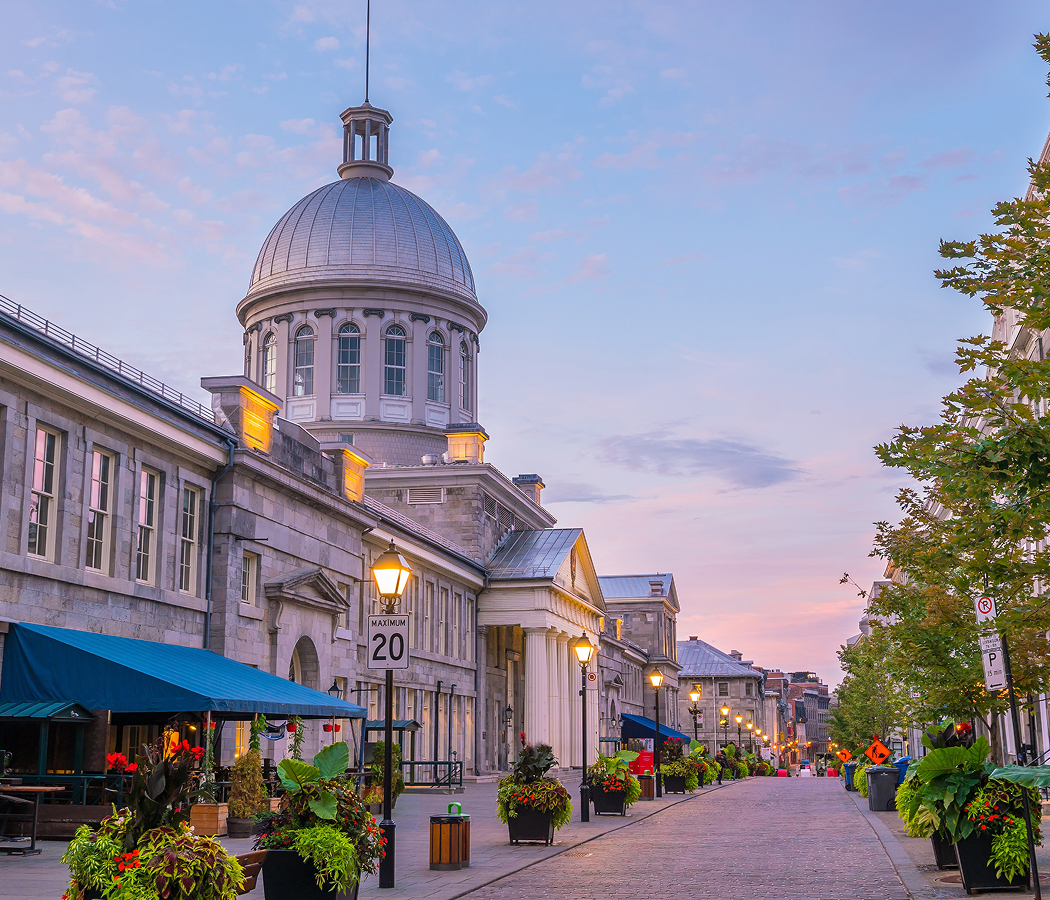
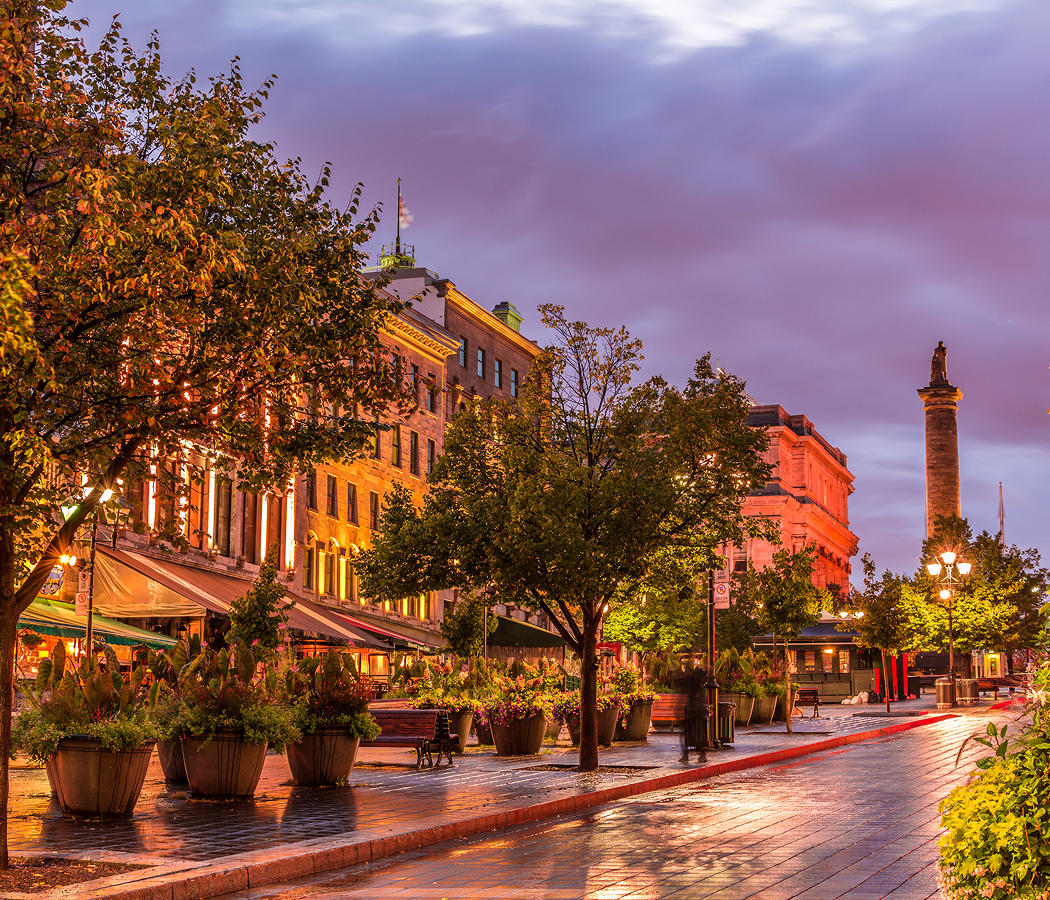
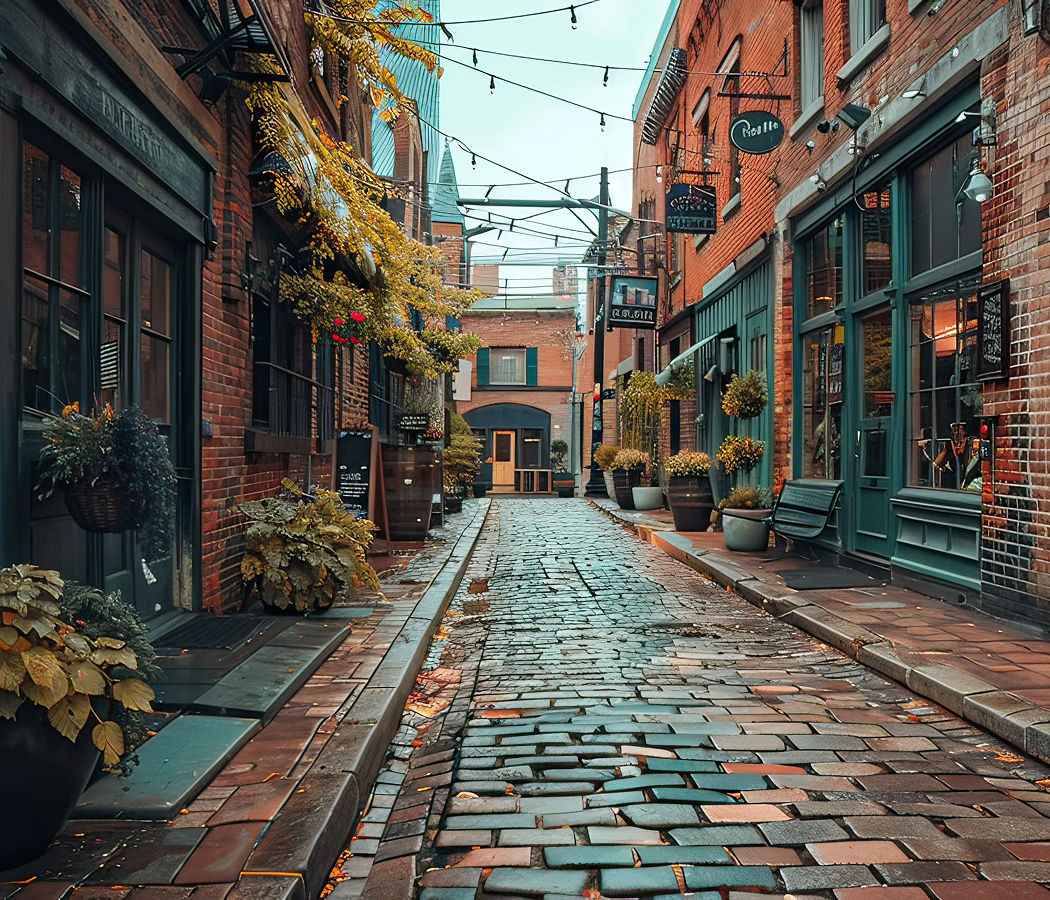
This hotel does not position itself as a landmark or performance. It exists as part of the street, part of the neighborhood, and part of the daily rhythm that gives Old Québec its enduring weight. Arrival feels personal. Narrow streets, stone façades, and pedestrian cadence signal that you have entered a zone where movement slows. Stepping inside the hotel does not break this rhythm, it preserves it. The transition is gentle, almost imperceptible, as if you are entering a private residence. The lobby reflects this. Scale is modest, materials are warm, and circulation feels domestic. Wood, stone, and soft lighting create an atmosphere that feels lived-in and intentional, not curated for effect. There is no visual demand placed on the guest. Instead, the space offers reassurance, a sense that nothing needs to be rushed or optimized. Shared areas remain calm and understated, supporting brief conversations, quiet planning, or reflective pauses. Guest rooms continue this intimate logic. Layouts are thoughtfully proportioned, prioritizing comfort and usability over excess. Beds feel substantial and anchoring, encouraging rest that is deep and unforced. Furnishings are restrained, tactile, and quietly expressive, chosen to complement the building's age. Windows open onto Old Québec's streets, courtyards, or rooftops, offering views that feel close and immediate, church stone, cobblestones, ironwork, seasonal light, grounding you firmly within the historic fabric. Bathrooms are calm and practical, supporting daily routine. Across the property, the experience feels personal, grounded, and quietly immersive. Hôtel du Vieux-Québec is ideal for travelers who want Old Québec to feel inhabited rather than observed, a place encountered through proximity, texture, and repetition.
What you should know about Hôtel du Vieux-Québec.
Hôtel du Vieux-Québec is best known for residential-scale hospitality, a philosophy that treats familiarity, continuity, and human proportion as the foundations of comfort.
The building's heritage is not presented as a theme; it is simply allowed to exist. Walls are thick, proportions are irregular, and circulation reflects the logic of an older structure. This irregularity does not create confusion, it creates character and orientation. You begin to recognize turns, staircases, and thresholds intuitively, forming a relationship with the space. Acoustic behavior is a natural outcome of this construction. Exterior sound arrives softened and contextual, footsteps, distant voices, church bells, not as intrusion but as confirmation of place. Interior sound remains muted and localized, reinforcing privacy. Lighting strategy respects the building's scale. Daylight enters in measured ways, shaped by window placement and street geometry. Artificial lighting remains warm and understated, creating evenings that feel settled. Materials throughout the hotel emphasize authenticity and durability. Wood shows grain and wear. Stone carries weight. Surfaces are meant to be touched, not admired from a distance. This tactile honesty contributes to the sense that the hotel is not staging history, but continuing it. Service culture mirrors this intimacy. Interactions are warm, attentive, and unforced, guided by recognition. Staff tend to remember faces, preferences, and rhythms, offering assistance. Guidance focuses on local movement, streets, bakeries, quiet corners, dining spots. Another understated strength of Hôtel du Vieux-Québec is how quickly it becomes familiar. Over multiple nights, the environment recedes into comfort. You stop noticing the hotel as a place to be managed and start experiencing it as a point of return. This familiarity reduces cognitive load and deepens presence. The hotel does not rely on luxury signals or modern performance to assert value. Its character emerges from a more enduring truth: when scale aligns with human rhythm, comfort becomes instinctive.
How to fold Hôtel du Vieux-Québec into your trip.
Hôtel du Vieux-Québec works best when you treat it as a daily return, a place that supports slow immersion.
Begin your mornings by stepping directly into Old Québec's streets before they fill. Walk. Let stone underfoot, shifting light, and quiet corners set the pace. Because the hotel is embedded within the historic district, movement feels immediate and unforced. Midday returns are particularly effective here. You can come back briefly, to rest, warm up, drop items, or recalibrate. The hotel's scale makes these returns feel natural. Afternoons can unfold organically. Explore museums, markets, river viewpoints, or residential streets, knowing that your base remains close and familiar. Evenings benefit from the same intimacy. After dinner or cultural events, returning feels like coming home. Over longer stays, this rhythm becomes deeply grounding. Old Québec begins to feel less like a destination and more like a neighborhood you recognize. Business travelers benefit from the hotel's calm and predictability, allowing focus to remain intact. Leisure travelers gain depth rather than breadth, discovering that repetition reveals nuance rather than monotony. Anchoring your stay at Hôtel du Vieux-Québec allows the city to be experienced as a lived environment. The hotel does not attempt to frame Québec City or elevate itself within it. It participates quietly. In doing so, it delivers a stay that feels intimate, authentic, and emotionally resonant, where comfort comes from familiarity, presence comes from proximity, and travel becomes less about seeing everything and more about truly being somewhere.
Where your story begins.
Foresyte Travel reveals places that feel extraordinary long before you arrive.
Experience premium editorial crafted for luxury travelers.