Why Place Jacques-Cartier matters.
In the heart of Old Montréal, Place Jacques-Cartier unfolds like a grand stage, a cobblestoned square alive with history, artistry, and the timeless rhythm of city life.
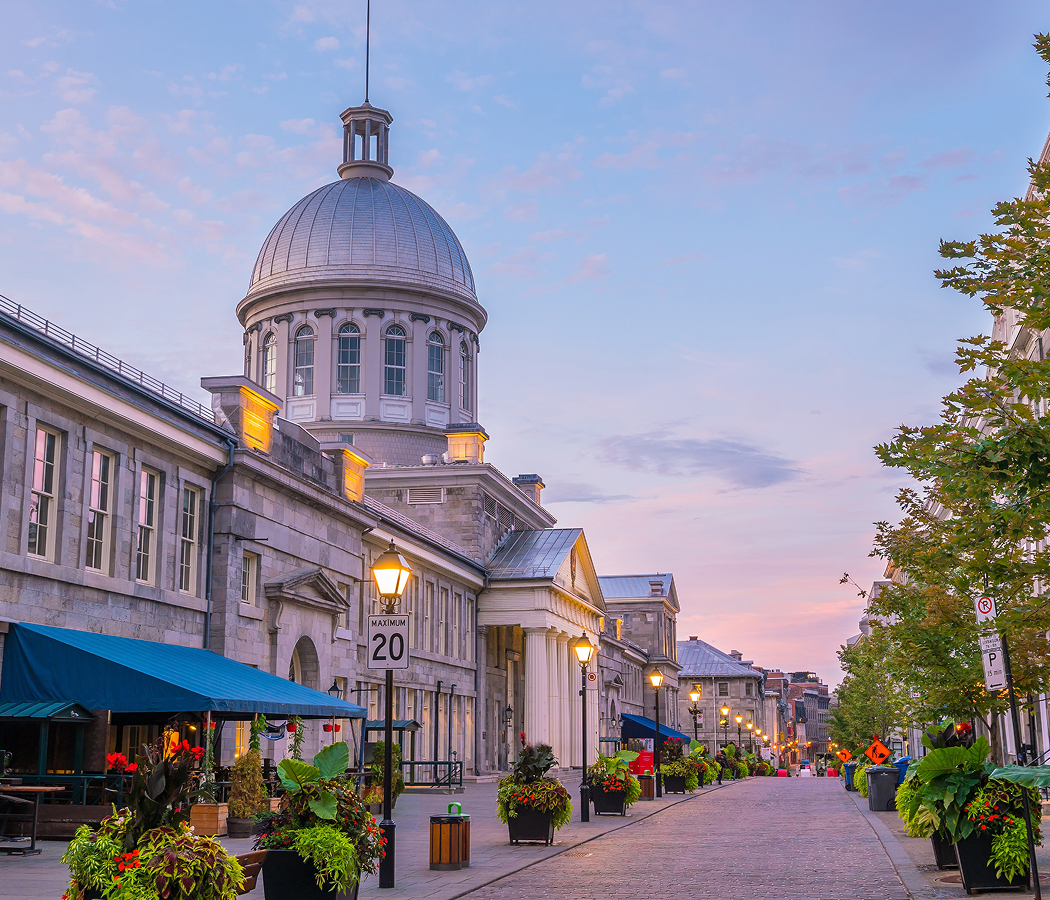
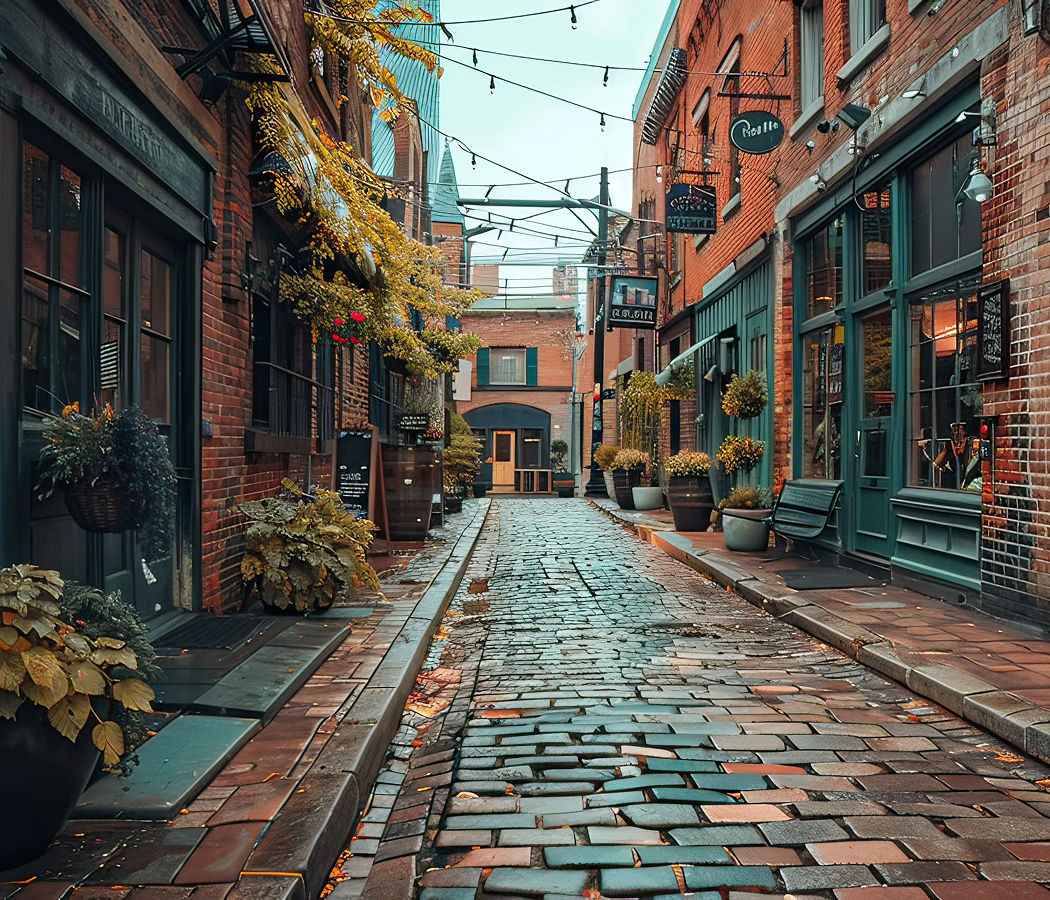
Stretching from Rue Notre-Dame down toward the Old Port, it captures the spirit of both old-world Europe and modern Quebec, blending elegance with spontaneity. By day, the square hums with open-air cafés, street performers, and flower vendors, their colors splashing against the backdrop of centuries-old stone facades. The air carries the scent of roasting chestnuts, espresso, and the faint echo of accordion music drifting from nearby terraces. Framed by landmarks like Montréal City Hall at its crest and the river breeze below, Place Jacques-Cartier is where the city's heartbeat feels most alive. Locals and travelers alike pause here, some to sip wine under red umbrellas, others to watch artists painting portraits against the soft shimmer of afternoon light. As twilight falls, the gas lamps flicker to life, and the square transforms again: buskers strum guitars under the stars, couples stroll hand in hand, and the hum of conversation mingles with laughter and the gentle clink of glasses. More than a meeting place, Place Jacques-Cartier is the soul of Montréal, an ever-changing tableau that celebrates beauty, connection, and joie de vivre.
What defines Place Jacques-Cartier.
Few realize that Place Jacques-Cartier has witnessed nearly four centuries of transformation, from colonial hub to cultural icon.
Laid out in 1804 on the site of the old Château de Vaudreuil, the square was named after the French explorer Jacques Cartier, who first claimed Canada for France in 1535. In its early years, it served as a thriving marketplace where farmers sold produce and sailors bartered along the riverfront. Through the 19th century, it became the heart of civic life, a place for parades, political speeches, and the city's grandest celebrations. The Nelson Column, which still stands at the northern end, is among the oldest public monuments in Canada, erected in 1809 to commemorate Admiral Horatio Nelson's victory at Trafalgar, a symbol of British influence in a city then divided between cultures. Over time, however, the square evolved from a site of imperial memory into one of cultural harmony. By the 1960s, as Montréal embraced its francophone identity, Place Jacques-Cartier emerged as a symbol of renewal, where street art, jazz, and Quebecois expression flourished side by side. The preservation of its cobblestones and architecture was not merely aesthetic; it was a declaration that history and progress could coexist. Today, the square captures Montréal's dual heritage, a space where past and present intertwine seamlessly, speaking both French and global with equal grace.
How Place Jacques-Cartier fits.
Experiencing Place Jacques-Cartier is best done without an itinerary, just an open heart and a willingness to wander.
Start at Montréal City Hall, where the grand Second Empire architecture sets a tone of old-world majesty, then follow the slope of the square down toward the Old Port. Pause to admire the artists at work, painters, caricaturists, and musicians whose energy gives the square its ever-changing pulse. Stop for a terrace lunch at Jacques-Cartier Square Bistro or a classic French brasserie, where you can sip a chilled glass of rosé while people-watching beneath striped awnings. As evening approaches, the glow of lanterns and string lights transforms the atmosphere into something almost cinematic, especially in summer, when the square becomes the centerpiece of festivals and open-air performances. For a deeper layer of history, step inside nearby Château Ramezay, a former governor's residence turned museum that traces Montréal's colonial past, or climb to the Champ-de-Mars for a panoramic view of the square framed by the St. Lawrence River. End your visit with a twilight stroll along Rue Saint-Paul, whose cobbles echo underfoot as street musicians serenade the night. Place Jacques-Cartier isn't just a destination, it's where Montréal reveals itself in full color, where every glance feels like a painting and every moment feels like belonging.
Where your story begins.
Foresyte Travel reveals places that feel extraordinary long before you arrive.
Enjoy editorial crafted for luxury travelers.
Foresyte may earn a commission when you book.