Why you should experience Queen Elizabeth Park in Vancouver, British Columbia.
Queen Elizabeth Park is where Vancouver's natural beauty takes a bow, a lush, elevated escape that feels both botanical and cinematic, like the city's crown jewel placed perfectly above it all.
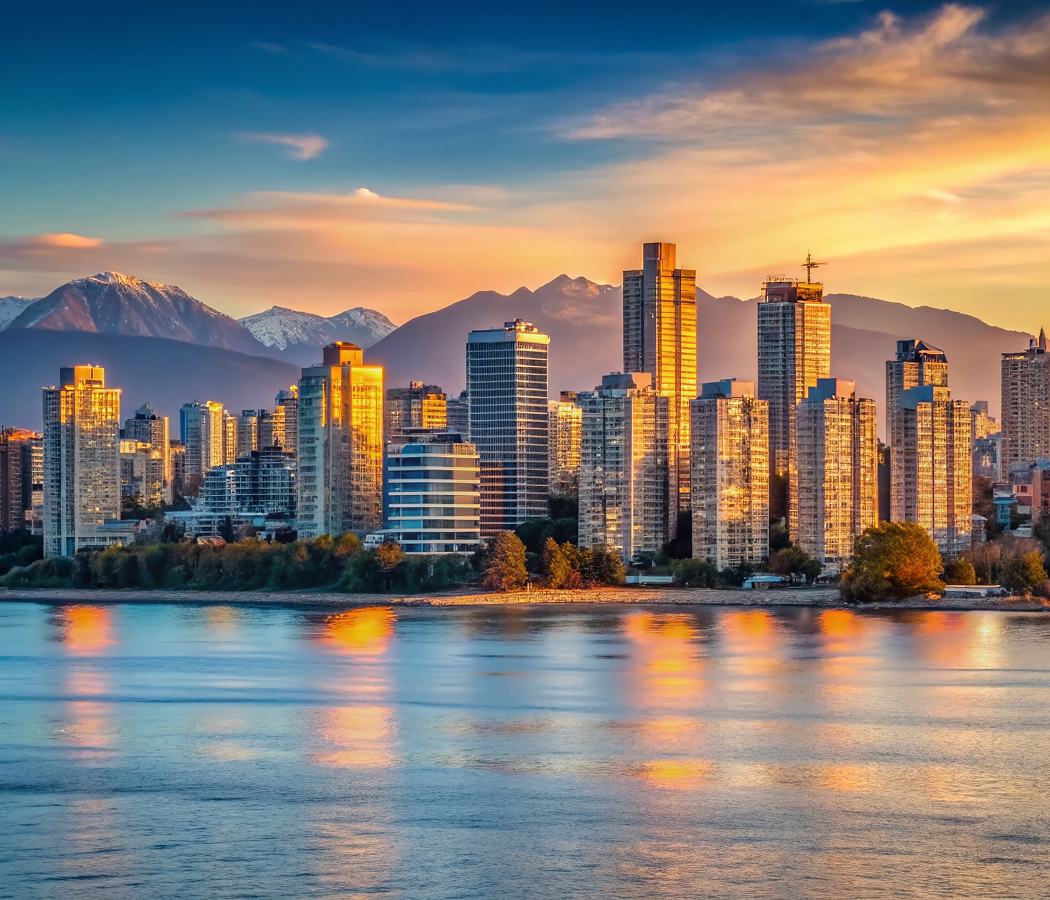
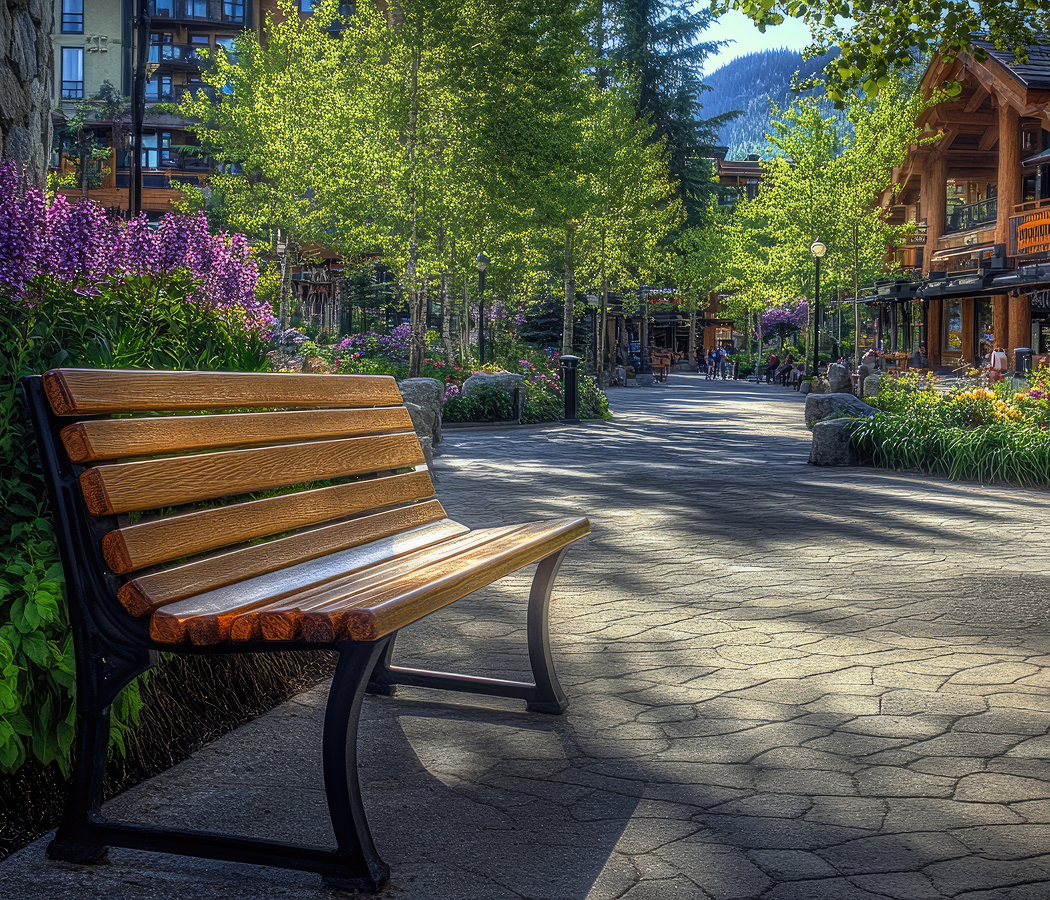
Set atop Little Mountain, the highest point in Vancouver, the park offers sweeping views of downtown's skyline framed by the distant shimmer of snow-capped North Shore Mountains. Yet it's more than just a viewpoint, it's a living masterpiece where gardens spill over terraces, fountains dance to sunlight, and every path seems to lead to another moment of calm. Locals come here to breathe, wander, and fall back in love with their city. Tourists come for the same reasons, even if they don't realize it yet. The air feels fresher here, tinged with cedar and blooms, and time seems to stretch. The quarry gardens, carved from an abandoned rock pit, unfold like secret worlds, layers of greenery, cascading waterfalls, and perfectly manicured color palettes. Couples pose by the Bloedel Conservatory's glass dome, its tropical birds chirping in cheerful contrast to the crisp mountain air outside. From its sculpted lawns to its quiet benches overlooking the horizon, Queen Elizabeth Park embodies everything that makes Vancouver extraordinary, refined, wild, and effortlessly serene all at once.
What you didn't know about Queen Elizabeth Park.
What feels like a naturally perfect oasis actually began as a scar, a barren quarry from which the city's earliest road stones were cut.
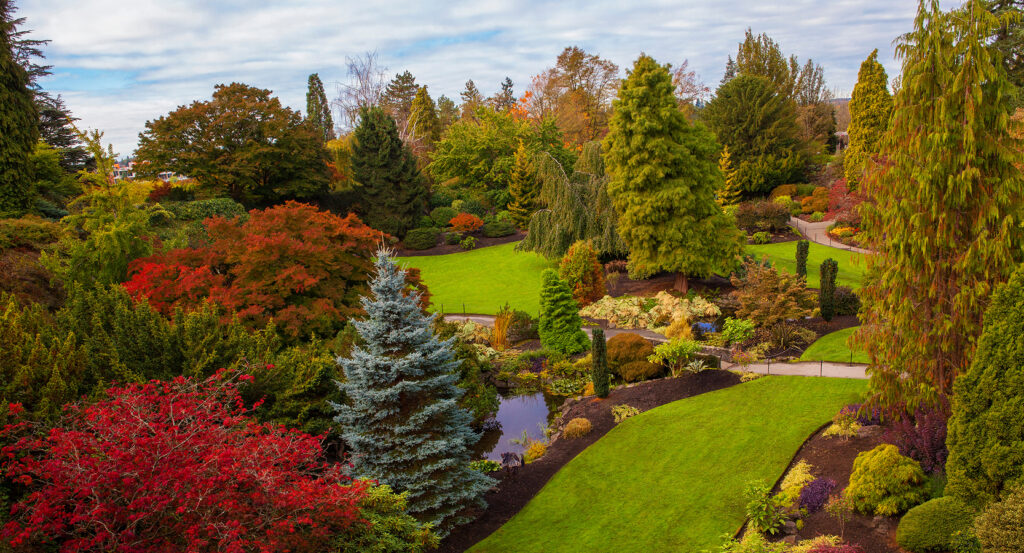
In the early 20th century, Little Mountain was stripped bare by industrial excavation, its slopes reduced to rock and dust. But in the 1930s, city planners saw potential in what remained and began the long process of turning desolation into beauty. The transformation gained full momentum in the 1940s and '50s, when the park was officially named in honor of Queen Elizabeth II's visit to Canada. Landscape architects turned the old quarries into sunken gardens, designing layers that mimic nature while enhancing it, waterfalls framed by ferns, staircases winding through flowers, and lookout points that feel like paintings come to life. In 1969, the Bloedel Conservatory was added, a futuristic glass dome crowning the park's summit, its interior bursting with tropical plants, orchids, and parrots that chatter above your head as you walk through warm, misty air. Few realize that this dome was built to celebrate Vancouver's centennial, a tribute to the city's optimism and its deep connection to nature. The park also holds one of the world's most complete collections of ornamental trees and shrubs, from maples and magnolias to exotic evergreens, all tended with meticulous care. At its heart stands Knife Edge, Two Piece, a bronze sculpture by Henry Moore that quietly symbolizes balance and tension, perfectly at home among the manicured calm. Today, Queen Elizabeth Park stands not just as a horticultural triumph, but as a testament to reinvention, proof that even the roughest beginnings can become something timeless.
How to fold Queen Elizabeth Park into your trip.
Visiting Queen Elizabeth Park is like stepping into a postcard that keeps unfolding, each path revealing something more beautiful than the last.
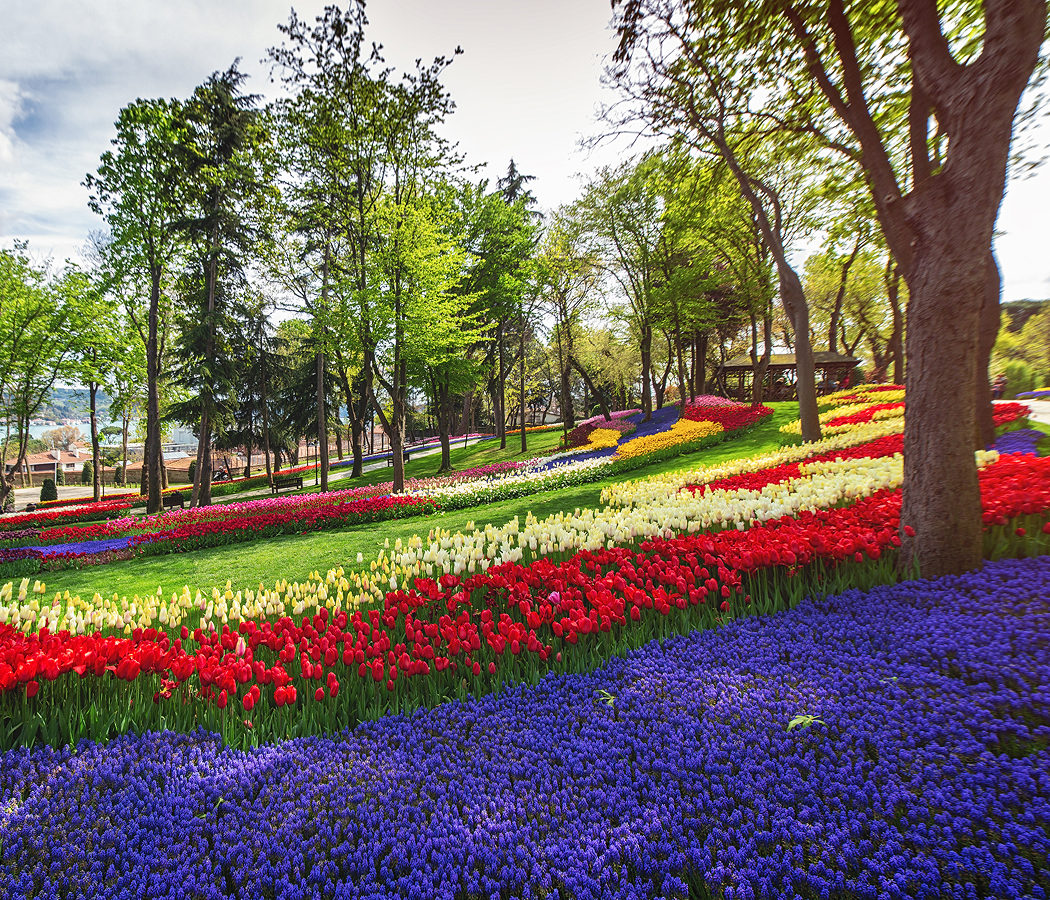
Start your morning with a slow ascent up Cambie Street, whether by bike, car, or foot, and watch as the city falls away behind you. The drive is short, but the view expands dramatically with every turn. Begin your visit at the top, where the Bloedel Conservatory sits like a glass crown, and step inside to wander through its tropical world. Parrots flash in bright colors, fountains bubble softly, and the humidity carries the scent of orchids and citrus. When you emerge, you'll feel that peculiar joy of stepping from rainforest to alpine in seconds, a Vancouver trademark. Next, descend into the Quarry Gardens, where stone stairways lead to bridges, ponds, and flowerbeds designed to bloom in perfect harmony from spring through fall. If you're visiting in late spring, the rhododendrons and cherry blossoms are in full display, painting the park in pastel hues that seem almost unreal. Find your way to the lookout terrace near Seasons in the Park restaurant, one of the city's most scenic dining spots, and enjoy lunch with an unmatched view of downtown, the harbor, and the mountains beyond. Afterward, take a leisurely walk toward the arboretum or the duck pond, both offering quiet moments to pause and watch life unfold. In the late afternoon, the light here turns cinematic, the sun filtering through leaves, shadows lengthening across the lawns, and the skyline glowing in the distance. It's an ideal time for photography, or simply sitting on a bench with someone you love as the city hums softly below. If you visit in the evening, the park transforms again, fountains illuminated, pathways glowing gently under lamplight, and the air cooling just enough to make everything feel a little more peaceful. No matter the season or time of day, Queen Elizabeth Park never feels hurried. It invites you to slow down, to notice, the texture of moss on stone, the sound of wind in tall grass, the way the horizon seems to hold you. In a city defined by its balance between nature and design, Queen Elizabeth Park is its purest expression, not just a place to see, but a place to feel alive.
Hear it from the Foresyte community.
Just enough life around you not to be overwhelming. Right pace.
Where your story begins.
Start your planning journey with Foresyte Travel.
Experience immersive stories crafted for luxury travelers.