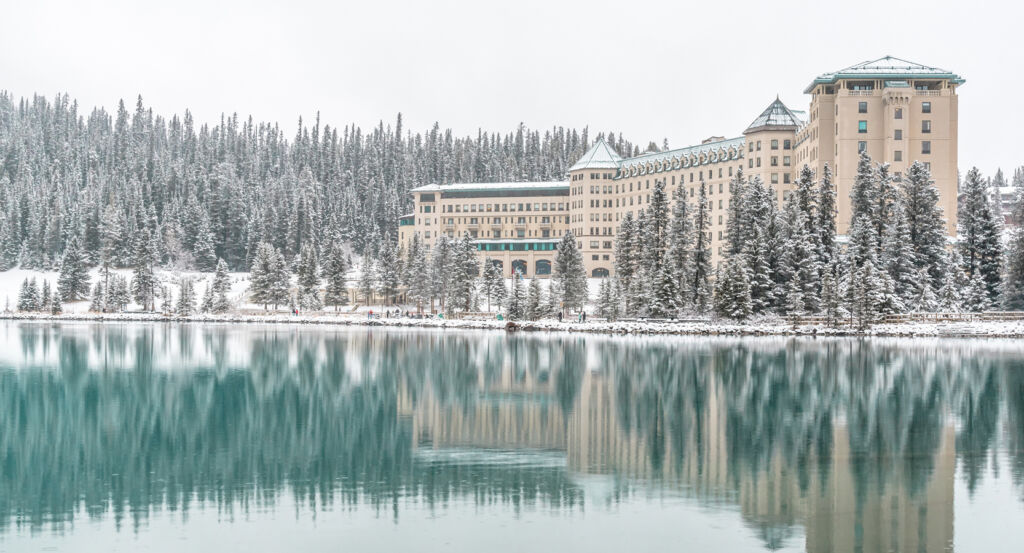
Why you should experience The Lodge at Bow Lake in Banff National Park, Alberta.
The Lodge at Bow Lake is where the Rockies feel untouched, elemental, and im pure, a lakeside wilderness sanctuary held between glacier-fed turquoise water and the ancient stone walls of the Wapta Icefield.
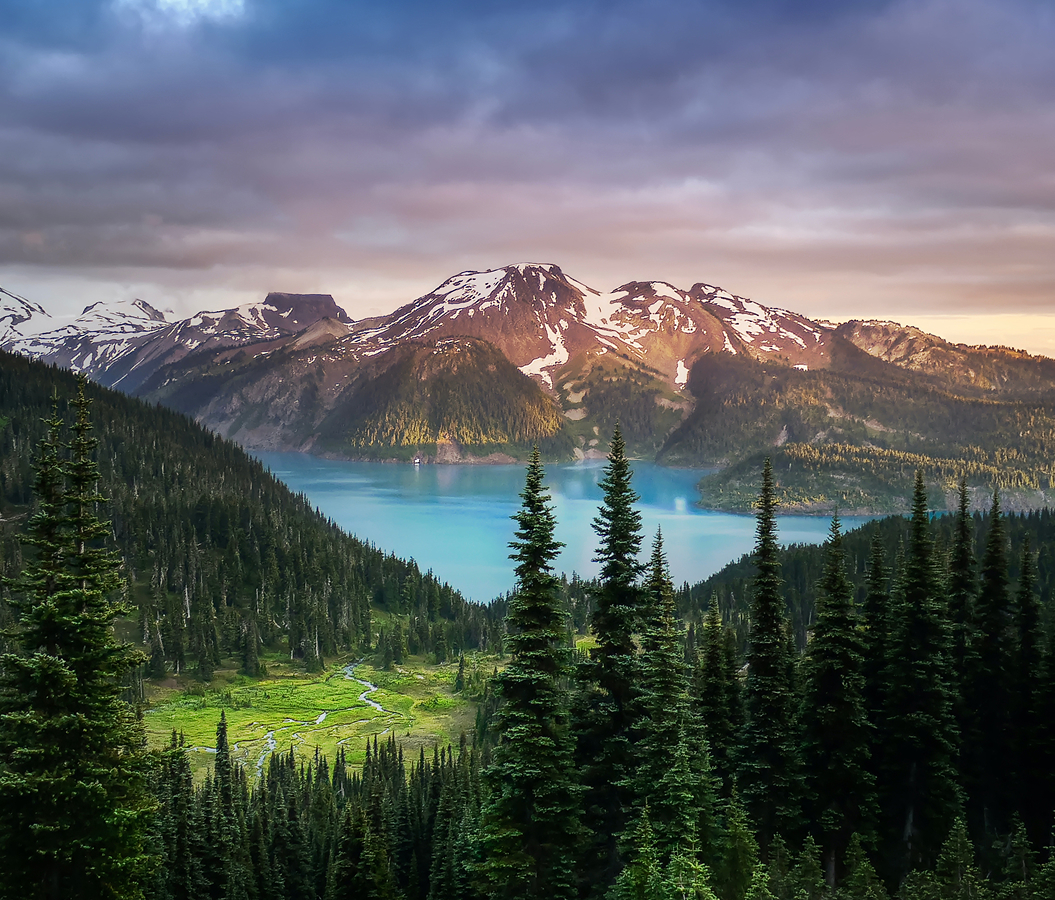
Perched on the tranquil shores of Bow Lake, among the most luminous and iconic bodies of water along the Icefields Parkway, The Lodge at Bow Lake is a retreat built for travelers who want to feel fully absorbed by the raw, glacial beauty of Banff National Park. The lodge sits at the base of Bow Glacier Falls, beneath Crowfoot Mountain, Mount Thompson, and the towering peaks of the Bow Valley, with the shimmering lake only steps from its doors. This is among the few lodges in the entire region where you can wake up to complete silence, step outside, and find the water as calm as glass in the pale morning light, a moment of stillness that settles deep into the spirit. The lodge's design blends rustic alpine charm with contemporary refinement. Timber beams, riverstone fireplaces, leather seating, warm lamplight, handcrafted art, and panoramic windows that frame the ever-changing colors of Bow Lake create an interior atmosphere that is both intimate and grand. Everything is warm, earthy, grounding, a perfect counterbalance to the dramatic wilderness outside. Rooms are cozy and thoughtfully designed, many with lake-facing views that turn sunrise into a personal performance. Expect plush bedding, natural textures, wood accents, elegant simplicity, and windows that bring the outside world into your private space. The effect is immediate: you feel part of the landscape, not removed from it. The location alone is extraordinary. Bow Lake, fed by Bow Glacier high above the valley, shifts color throughout the day, pale jade at dawn, shimmering turquoise under midday sun, deep teal as shadows stretch across the water. Wander along the shoreline and you'll see the glacial melt flowing into the lake in thin, shimmering rivulets. The sound of nearby waterfalls fills the valley with a soft, distant hum. Trails begin directly from the lodge's doorstep. The Bow Lake Lakeshore Trail leads into sweeping views of the valley and its rugged peaks. Continue on and you reach the iconic Bow Glacier Falls Trail, a scenic route through wildflower meadows, rocky slopes, rushing streams, and a glacial amphitheater that feels like the interior of an ancient cathedral carved by ice. The air here is cool, crisp, and unbelievably pure, infused with the earthy scent of alpine plants, the mineral bite of glacial water, and the soft, cold draft that sweeps down from the icefield. Evenings at The Lodge at Bow Lake settle into an atmosphere of alpine quiet. Wind softens. The lake smooths into a mirror. Peaks glow in amber, then pink, then fading blue. Inside, the lodge glows with warmth, fires crackling, guests sharing conversation, soft music drifting through the common space, and the scent of mountain-inspired cuisine filling the dining room.
What you did not know about The Lodge at Bow Lake.
The Lodge at Bow Lake rests in one of the most geologically significant, ecologically sensitive, and historically important landscapes in the entire Canadian Rockies, a region shaped by ancient oceans, glacial engineering, tectonic uplift, and the early days of mountain exploration in Canada.
Bow Lake sits at the foot of the Wapta Icefield, among the largest and most accessible icefields in the Rockies. The lake's energetic turquoise color comes from glacial rock flour, ultrafine particles created as Bow Glacier grinds across bedrock. These particles remain suspended in the water, scattering sunlight in the bright blue-green wavelengths that give Bow Lake its iconic glow. This glacial system also feeds the Bow River, which eventually flows through Banff, Calgary, and the prairies beyond, meaning the water that begins near the lodge influences ecosystems hundreds of kilometers away. The surrounding mountains tell a story written in stone. Crowfoot Mountain, named for its resemblance to the talon of a bird, is layered with ancient sedimentary rock that was once the floor of a prehistoric sea more than 500 million years ago. These layers contain fossils of trilobites and other marine organisms that lived long before the Rockies were mountains. Mount Thompson and the massif behind the lake contain even older geological layers, pushed upward by tectonic forces during the Laramide Orogeny, the mountain-building event that created the Rockies. Glacial carving has defined this entire valley. During the last ice age, glaciers thousands of feet thick gouged out the basin that Bow Lake now fills. As they receded, they left behind moraines, erratics, ridgelines, and the sculptural glacial bowl that now cradles Bow Glacier Falls. The hydrology of this area is complex and vital. Meltwater from the Wapta Icefield feeds Bow Lake, Bow Glacier Falls, and the Bow River, all of which support unique cold-water ecosystems. This water remains near freezing even in summer, influencing plant growth, nutrient flow, and animal behavior throughout the valley. The flora around the lodge belongs to the subalpine and alpine zones, ecosystems characterized by short summers, harsh winters, and plants adapted to extreme conditions. Wildflowers bloom explosively in July: glacier lilies, arnica, Indian paintbrush, saxifrage, lupine, heather, and tiny moss campion thriving in gravelly soils left by retreating ice. Wildlife is abundant. Grizzly bears forage near avalanche slopes in spring. Black bears roam tree lines. Pikas gather grasses to store beneath boulders. Mountain goats and bighorn sheep navigate nearly vertical cliffs. Wolverines, some of the rarest mammals in the Rockies, roam high alpine ridges. The lake also supports trout and aquatic insects that survive in cold, nutrient-poor conditions. The climate near Bow Lake is heavily influenced by elevation and the proximity of the icefield. Even in summer, temperatures can drop to near freezing at night. Thunderstorms roll off the mountains in dramatic bursts. Snow often falls in late spring and early autumn. Culturally, the valley holds deep meaning. Indigenous peoples moved through this region for thousands of years, using the Bow Pass and nearby corridors for seasonal travel.
How to fold The Lodge at Bow Lake into your trip.
The Lodge at Bow Lake becomes the glacial, lake-held, mountain-wrapped epicenter of your Rockies journey, a place where mornings begin in crystalline quiet, days unfold along turquoise water and glacier-fed trails, and evenings settle into firelit calm beneath looming peaks.
Start the morning by stepping outside your room to watch sunrise turn Bow Lake into a glowing sheet of pale jade. Mist floats across the surface. The air feels cold, clean, and deeply calming. Peaks reflect in the water with perfect clarity before the wind rises. After breakfast, begin your adventure immediately from the lodge. Walk the Bow Lake Lakeshore Trail, an easy and beautiful warm-up that reveals shifting blues in the water and views of Bow Glacier and the falls far in the distance. Continue on to the Bow Glacier Falls Trail, among the most accessible glacial amphitheaters in the Canadian Rockies. Cross streams, pass wildflower meadows, and climb the rocky final stretch to stand beneath the roaring meltwater pouring from the icefield above. If you want something more challenging, drive a short distance to the nearby Icefields Parkway trailheads. Hike to Helen Lake and Cirque Peak for panoramic alpine vistas. Explore Peyto Lake and Bow Summit, among the most photographed viewpoints in the world. Trek into Mosquito Creek or the Dolomite Pass region for quieter, more immersive wilderness. In autumn, golden larches transform the surrounding valleys into a glowing mosaic. In winter, the entire area becomes a serene, snow-wrapped world. Cross-country ski across frozen Bow Lake. Snowshoe through soft powder along the lakeshore. Photograph the icefield under pastel winter light. Return to the lodge for warmth: a fire, a book, a hot drink, soft lamplight, and the view of snow falling outside. Afternoon is your time to rest. Sit by the window and watch clouds sweep across the peaks. Wander the shoreline in changing light. Listen to the distant hum of waterfalls as the sun warms the valley. Or simply lie on your bed with the window cracked open and breathe in the cold, mineral-rich air drifting from the lake. Evening brings the deepest beauty. As the sun drops, the mountains turn rose gold, then purple, then deep blue. The lake stills again. Shadows stretch across the valley. Inside, the lodge glows in firelight. Dinner becomes an intimate ritual, warm, candlelit, atmospheric, shaped by mountain cuisine and soft conversation. Afterward, step outside for a moment of quiet wonder. Stars fill the sky with extraordinary clarity. The lake reflects faint light from the horizon. The air is still, cold, and completely silent. End your night wrapped in blankets, fire crackling gently, feeling the rare calm of a place shaped by ice, water, and time. The Lodge at Bow Lake becomes not just your accommodation, but the glacial, turquoise-lit soul of your entire Icefields Parkway journey.
Where your story begins.
Foresyte Travel reveals places that feel extraordinary long before you arrive.
Experience premium editorial crafted for luxury travelers.