Why The Sea Pines Resort matters.
The Sea Pines Resort is a conservation-minded coastal resort where Sea Pines' maritime Lowcountry character meets Charles Fraser's pioneering land planning, Hideo Sasaki's environmentally responsive master plan and a 5,200-acre community that reshaped American resort development.
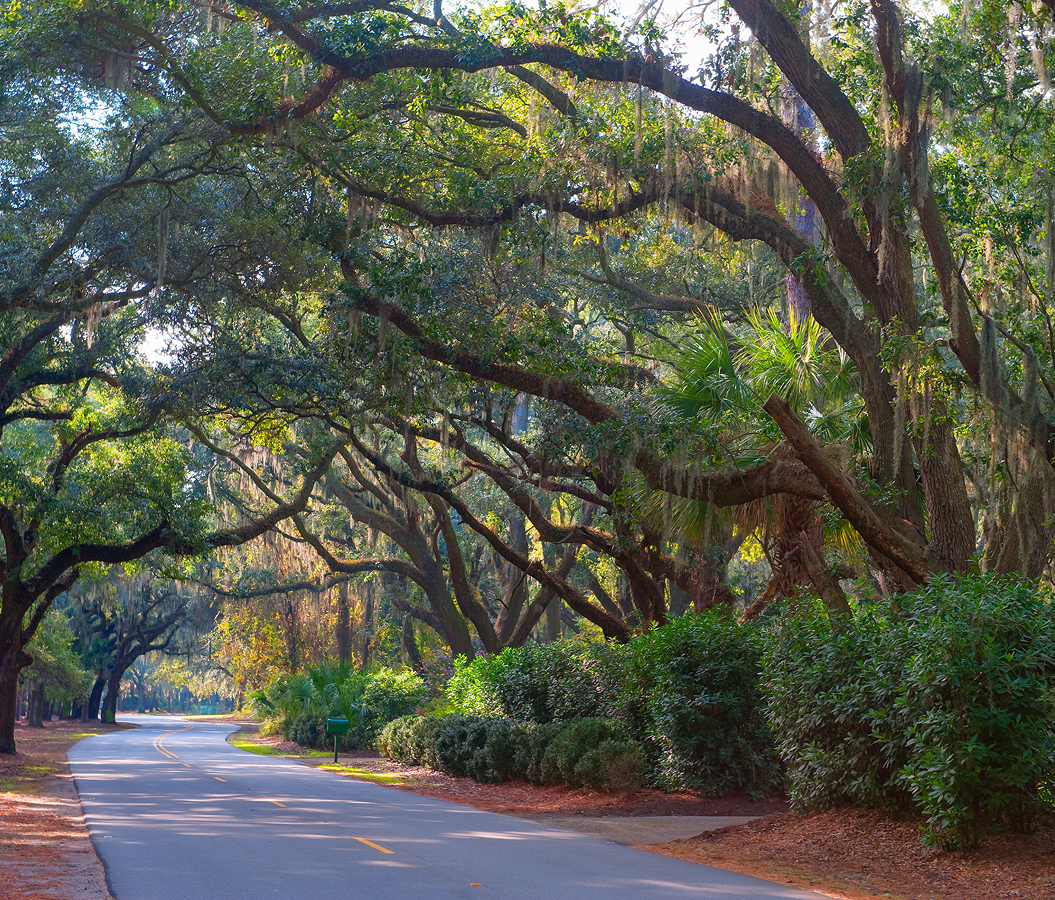
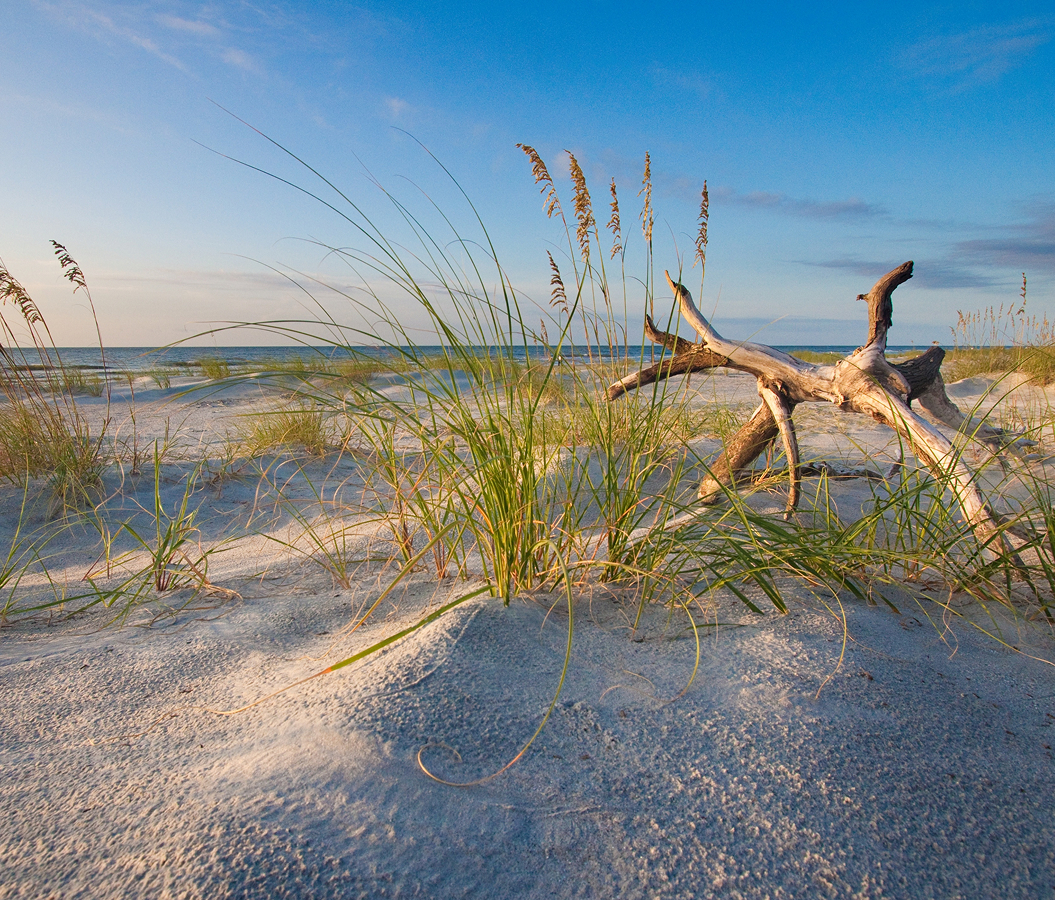
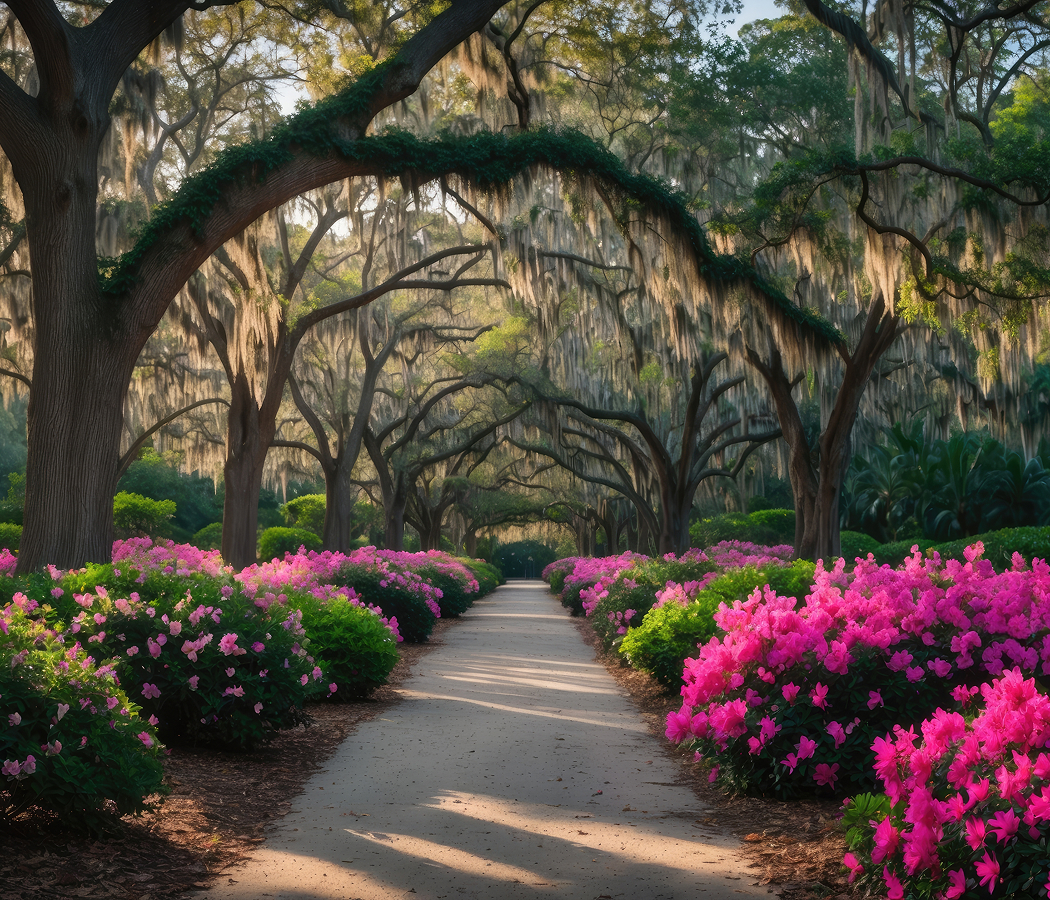
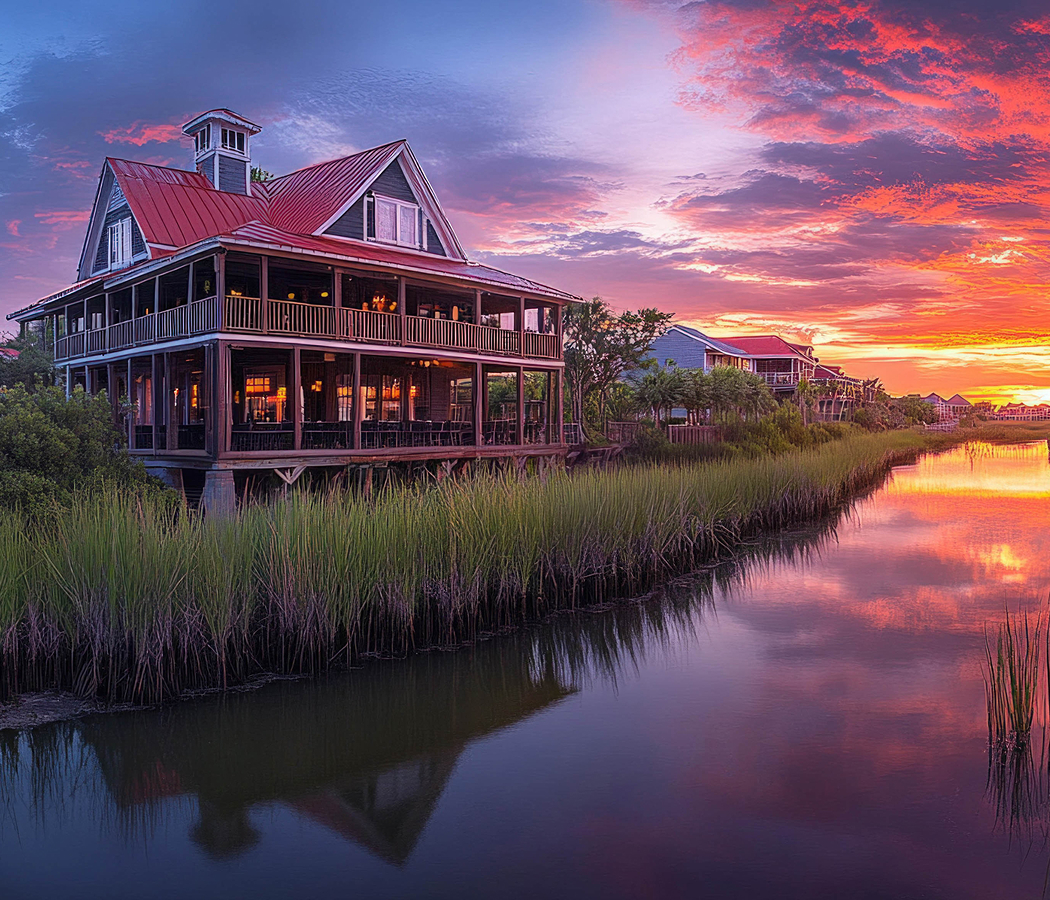
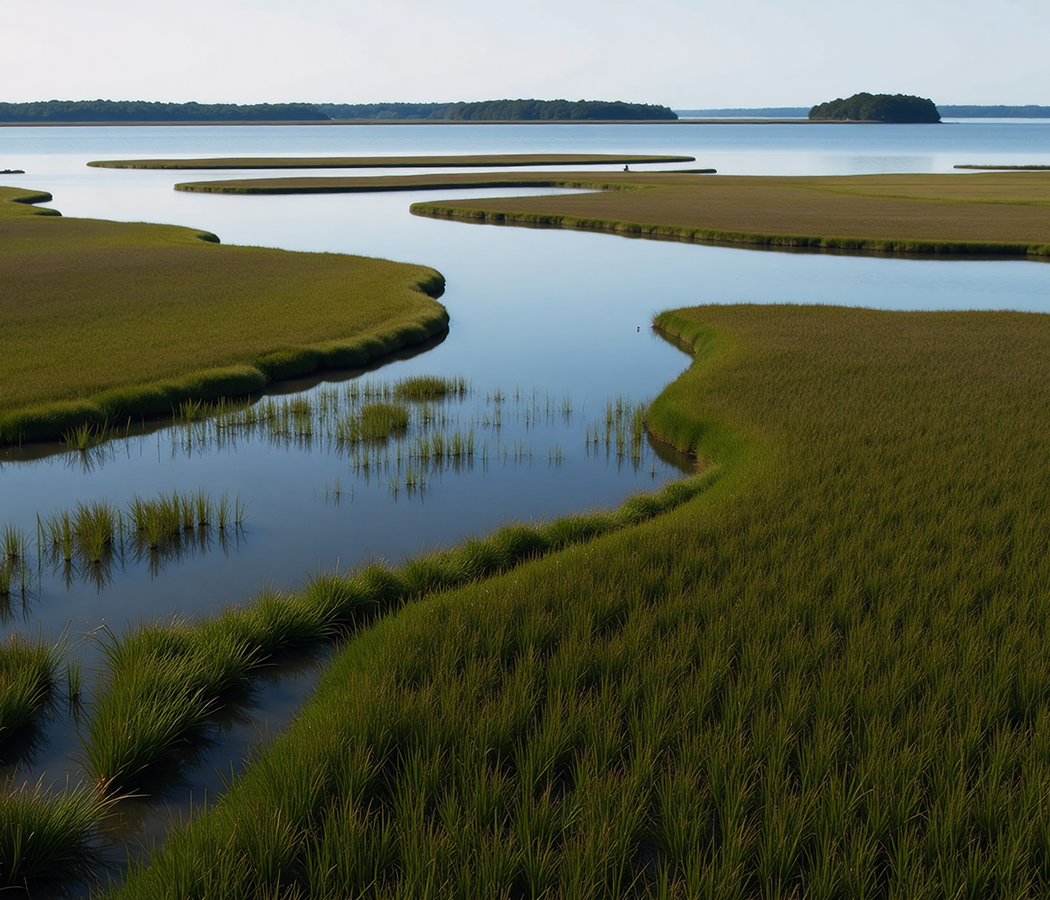
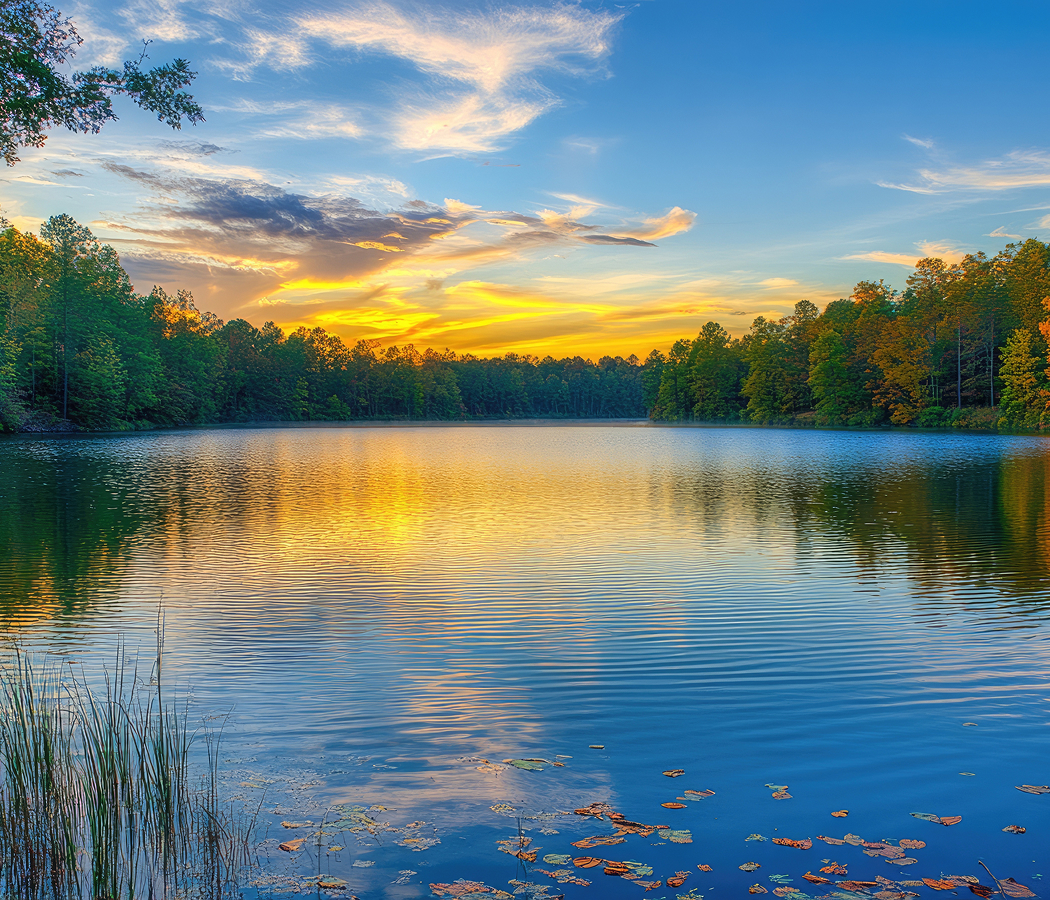
Set along Hilton Head's southern end near Greenwood Drive and just steps from the tidal reaches of Broad Creek, the resort extends between Calibogue Sound and the Atlantic Ocean, with Braddock Cove and South Beach defining its southwestern edge and forest, marsh and lagoon systems carrying inland toward the island's central communities. Curvilinear roads follow the wooded terrain, keeping buildings low against mature pine and live oak and preserving substantial vegetation between development clusters. Bicycle routes carry movement through the property beneath tree cover, linking residential enclaves, oceanfront areas and recreational districts without reducing the community to a conventional beachfront strip. Salt marsh, maritime forest, tidal water and Atlantic shoreline remain visually dominant across large portions of the grounds, reinforcing the ecological conditions around which the original plan was organized. The result is a coastal resort whose restrained architecture, winding circulation and protected open space make the Lowcountry landscape inseparable from the physical composition of the community.
What defines The Sea Pines Resort.
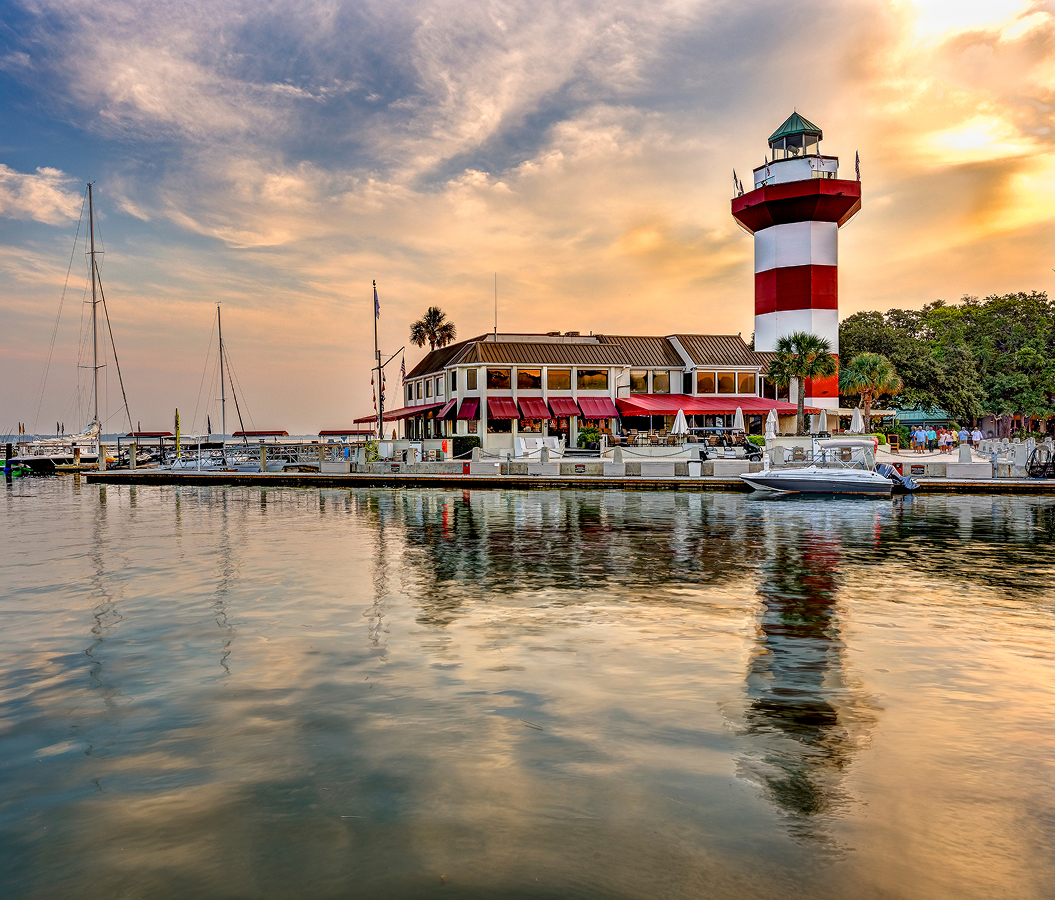
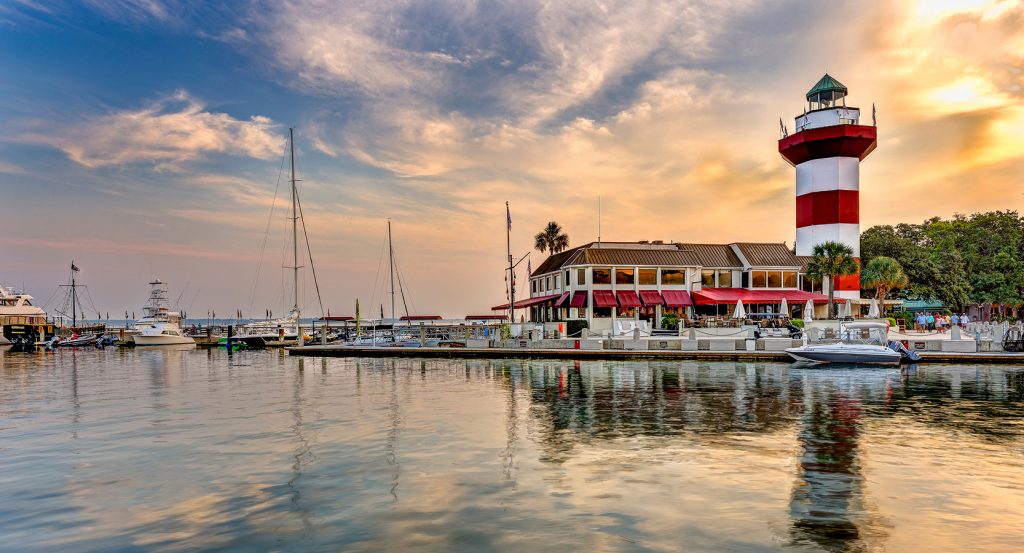
The Sea Pines Resort is best known for Charles Fraser's midcentury attempt to build a large coastal community without erasing the landscape that made Hilton Head valuable in the first place. Fraser founded the Sea Pines Company in 1956 after acquiring his family's interest in timberland at the island's southern end, then placed landscape architect Hideo Sasaki and Sasaki, Dawson & DeMay at the center of the planning effort. Sasaki's team developed a plan governed by strict land-use covenants, preserved open space and curving roads responsive to existing topography, with low buildings pulled away from the shoreline and vegetation retained as a dominant visual element. The master plan reached completion in 1963, and its combination of environmental restraint and controlled development became influential enough for the Historic American Landscapes Survey to characterize Sea Pines as an agenda-setting work in large-scale American resort planning. Fraser expanded the concept through Harbour Town, drawing inspiration from European harbors and insisting that its yacht basin curve around an old live oak even at added construction cost. Construction of the 90-foot red-and-white Harbour Town Lighthouse began in 1968 as a deliberately conspicuous beacon for the new waterfront district. Fraser founded the Heritage Classic in 1969, with Arnold Palmer winning the inaugural tournament on Pete Dye's Harbour Town Golf Links and giving the course national exposure. The community also protected 605 acres as the Sea Pines Forest Preserve in 1970, embedding permanent wildlife habitat inside the development model.
Harbour Town gives Fraser's planning ideas their most concentrated architectural and maritime form through a yacht basin conceived as a pedestrian-oriented waterfront settlement. The basin contains 100 slips opening toward Calibogue Sound and the Atlantic Intracoastal Waterway, with the waterfront organized around boating, restaurants, small-scale commercial buildings and pedestrian circulation. Fraser preserved the Liberty Oak at the center of the district, forcing the marina geometry around a live oak now measured near 55 feet tall and 90 feet across with an age near 325 years. The lighthouse rises beside that composition through nine striped stories and 114 interior steps, its museum displays carrying island history and Heritage Classic memorabilia upward toward the observation level. The golf course beside Harbour Town developed another influential piece of the plan: Pete Dye worked with Jack Nicklaus on a layout whose narrow corridors, small greens and strategic angles departed sharply from the expansive power-oriented courses then prevalent in American resort golf. The annual Heritage subsequently tied that architecture to generations of tournament play, with champions including Palmer, Nicklaus, Tom Watson, Greg Norman and Davis Love III. Harbour Town concentrates marina engineering, landscape preservation, golf design and waterfront urbanism within the resort district that most clearly demonstrates how Fraser converted planning principles into a functioning coastal center.
How The Sea Pines Resort fits.
The Sea Pines Resort works as the anchor for a Hilton Head outing connecting the colonial religious center of the plantation era, an antebellum property transformed across centuries of island ownership and a museum created to preserve the Lowcountry's natural and cultural history.
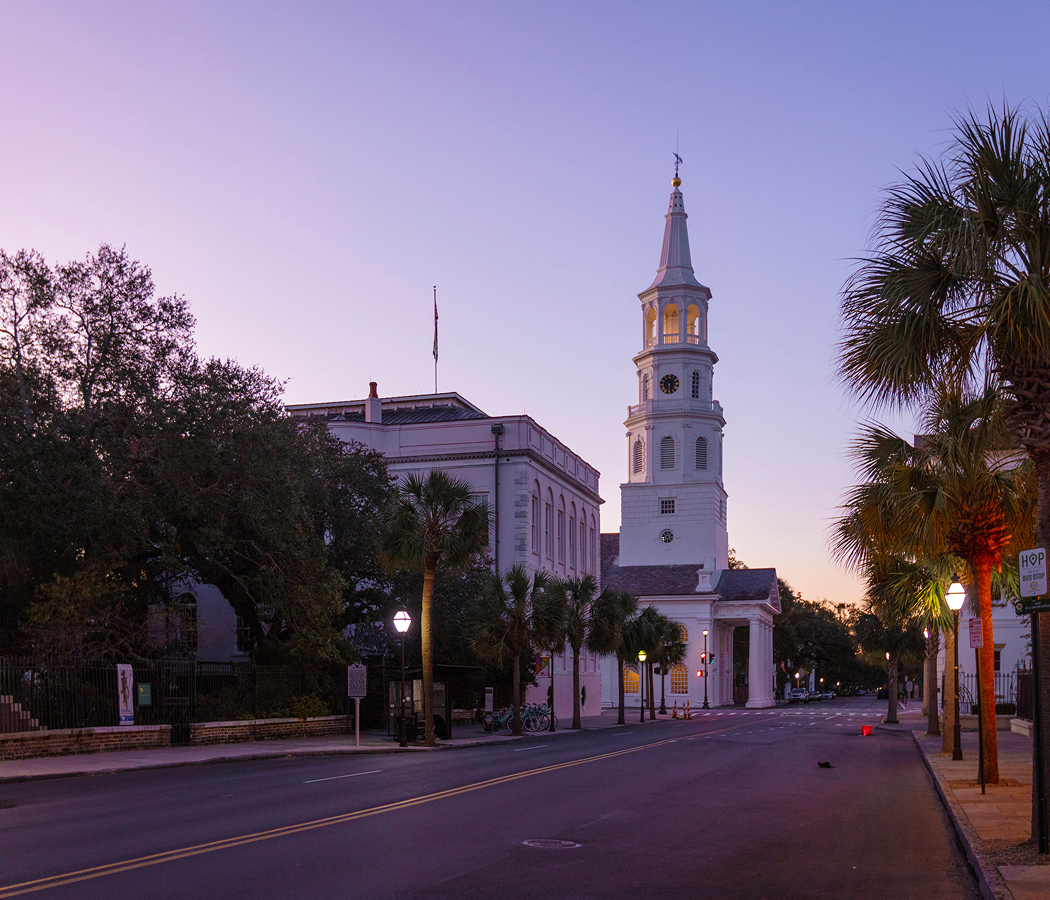
Begin at Zion Chapel of Ease Cemetery, surviving ground from the Anglican chapel Captain Jack Stoney and Isaac Fripp erected in 1788 for St. Luke's Parish families living on Hilton Head. The wooden chapel measured 40 by 30 feet and stood near the headwaters of Broad Creek, where waterways and early island roads made the site an important gathering point for families including the Barksdales, Baynards, Chaplins, Davants, Fripps, Popes and Stoneys. William Eddings Baynard added his family mausoleum in 1846; the stone structure survives as Hilton Head's oldest extant building, and the cemetery contains the graves or memorials of Revolutionary War soldiers alongside members of plantation families whose properties once divided much of the island. Continue to Honey Horn, where John Hanahan acquired the property in 1789 before ownership passed through successive families and the grounds developed through plantation agriculture, postwar ownership and a later hunting retreat. The Discovery House began in 1859, survived use by Union forces during the Civil War and remains the oldest wooden structure on Hilton Head; later buildings preserve layers from the Loomis and Thorne hunting-retreat period and the Hack family's twentieth-century farm. The Town of Hilton Head purchased the 68.62-acre tract from the Hack family in 1998 to preserve its open space. Conclude at Coastal Discovery Museum, founded in 1985 as the Environmental and Historical Museum of Hilton Head under a board chaired by Helen Cork and including Charles Fraser, Billie Hack, Robert Peeples, Elizabeth Chisolm and musician-historian Michael Taylor. Taylor became director in 1988 and expanded work into nature walks, archaeological digs at Fish Haul Creek and Mitchelville, stewardship of Green's Shell Enclosure and Project Turtle Watch. The institution moved permanently to Honey Horn in 2007, where historic structures, salt marsh, trails and gardens became part of a museum campus now affiliated with the Smithsonian. The progression moves from the eighteenth-century chapel ground serving Hilton Head's plantation families through Honey Horn's surviving layers of antebellum, Civil War and twentieth-century land use and culminates in the museum that converted the preserved property into an institution devoted to the island's cultural and environmental history.
Where your story begins.
Foresyte Travel reveals places that feel extraordinary long before you arrive.
Enjoy editorial crafted for luxury travelers.
Foresyte may earn a commission when you book.