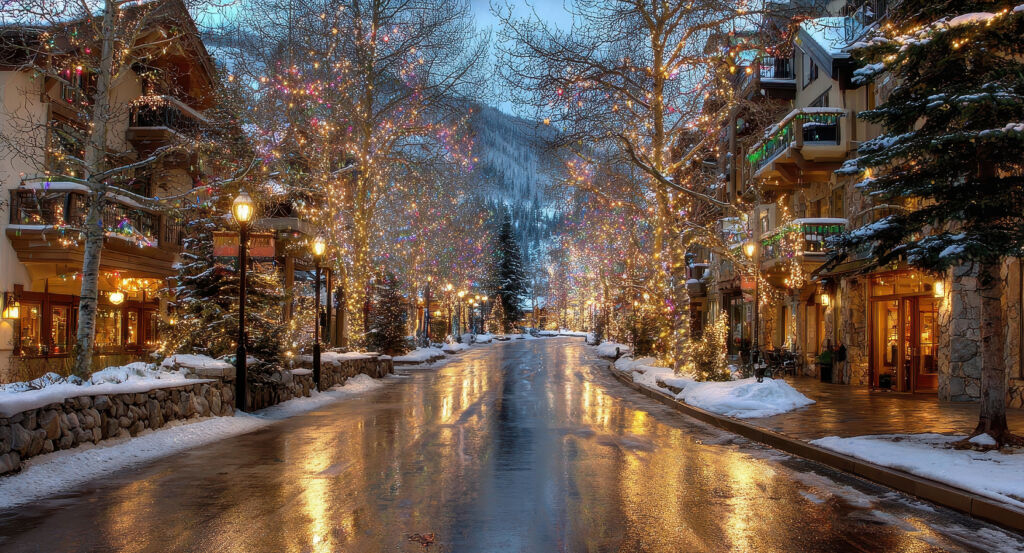
Why you should experience Vail Pass in Colorado.
Vail Pass in Vail, Colorado, is where the Rockies open their arms, a sweeping expanse of alpine wilderness that feels both infinite and intimate, wild and utterly serene.
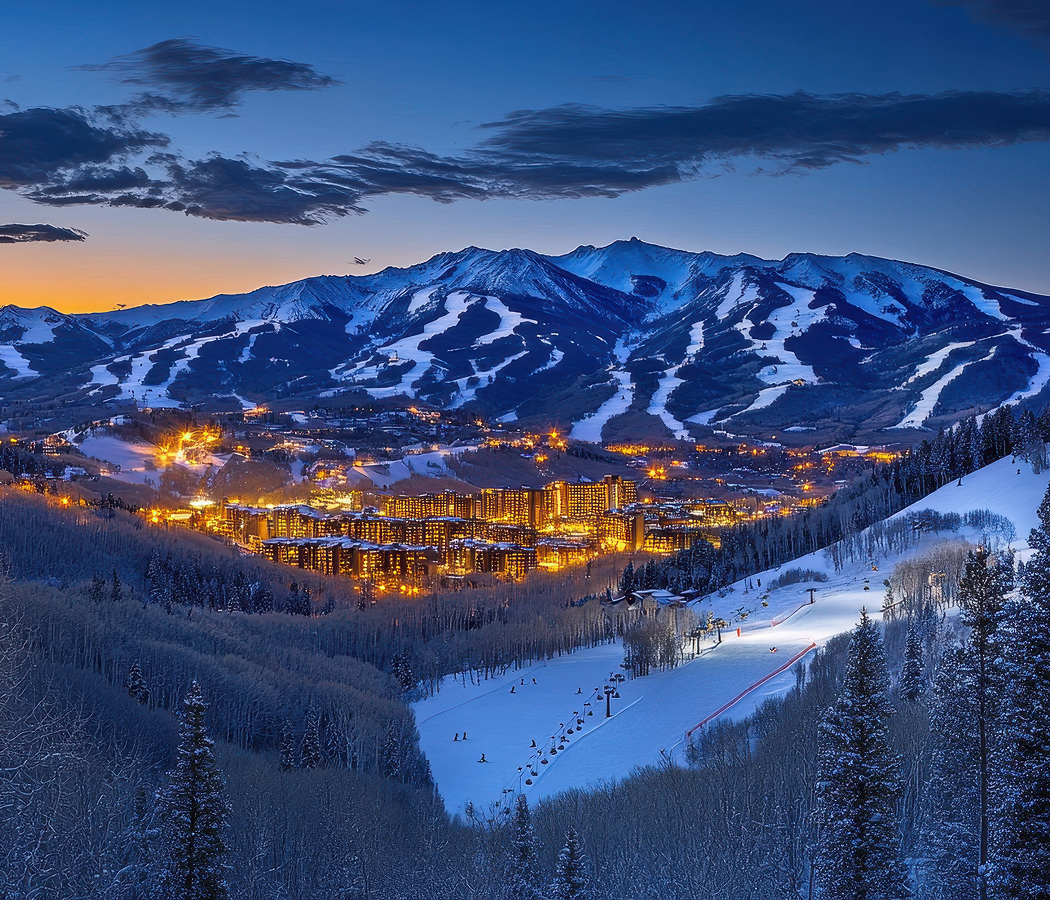
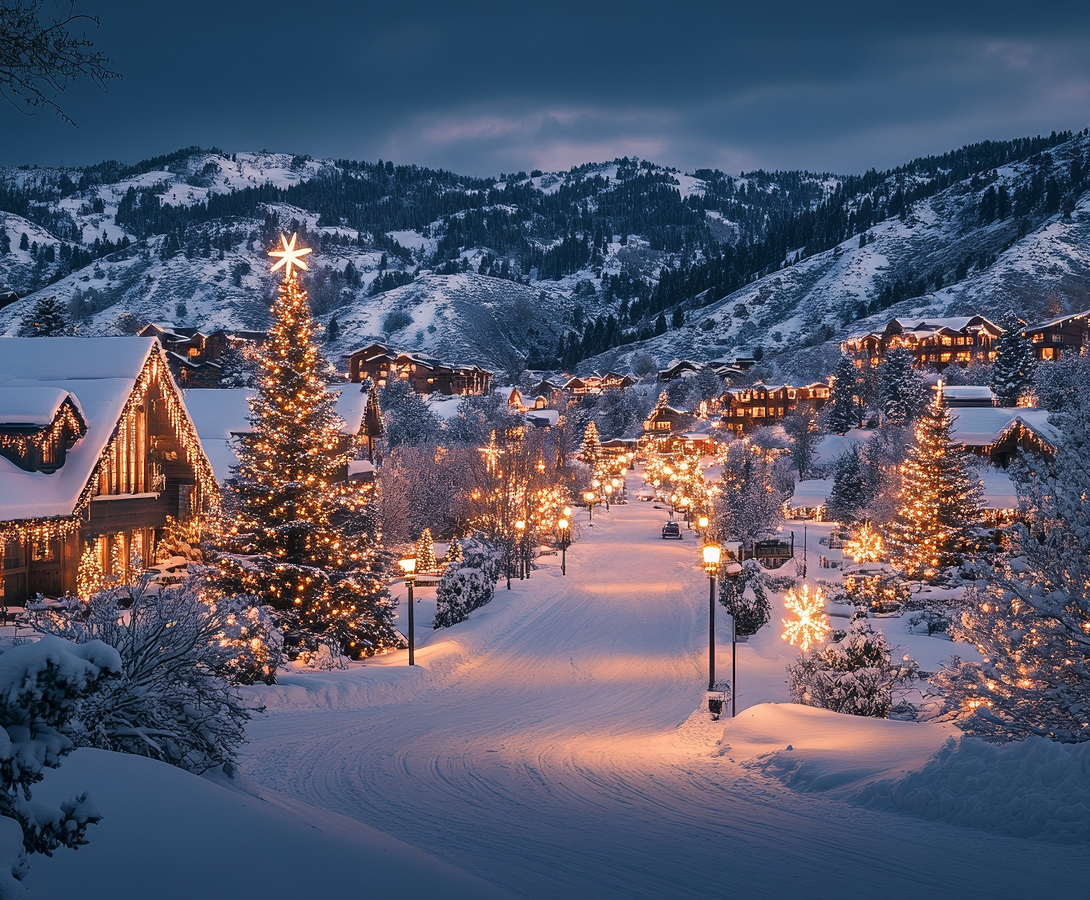
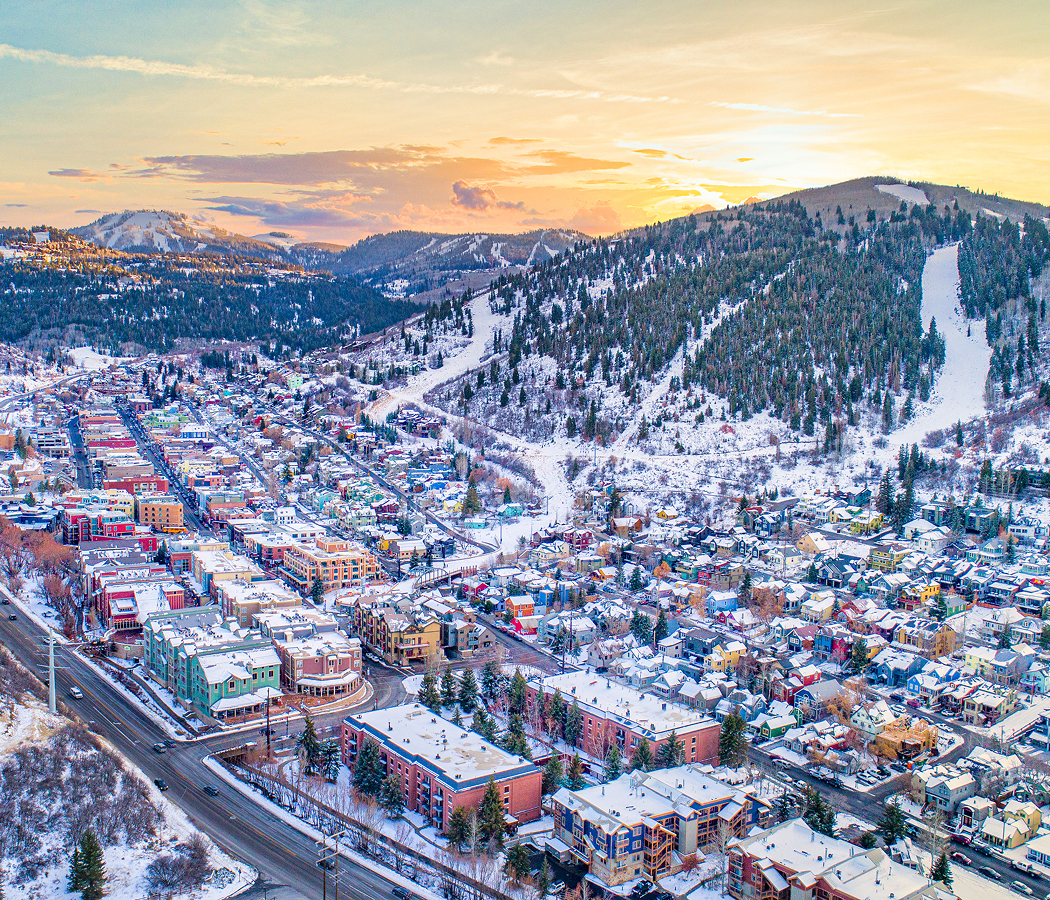
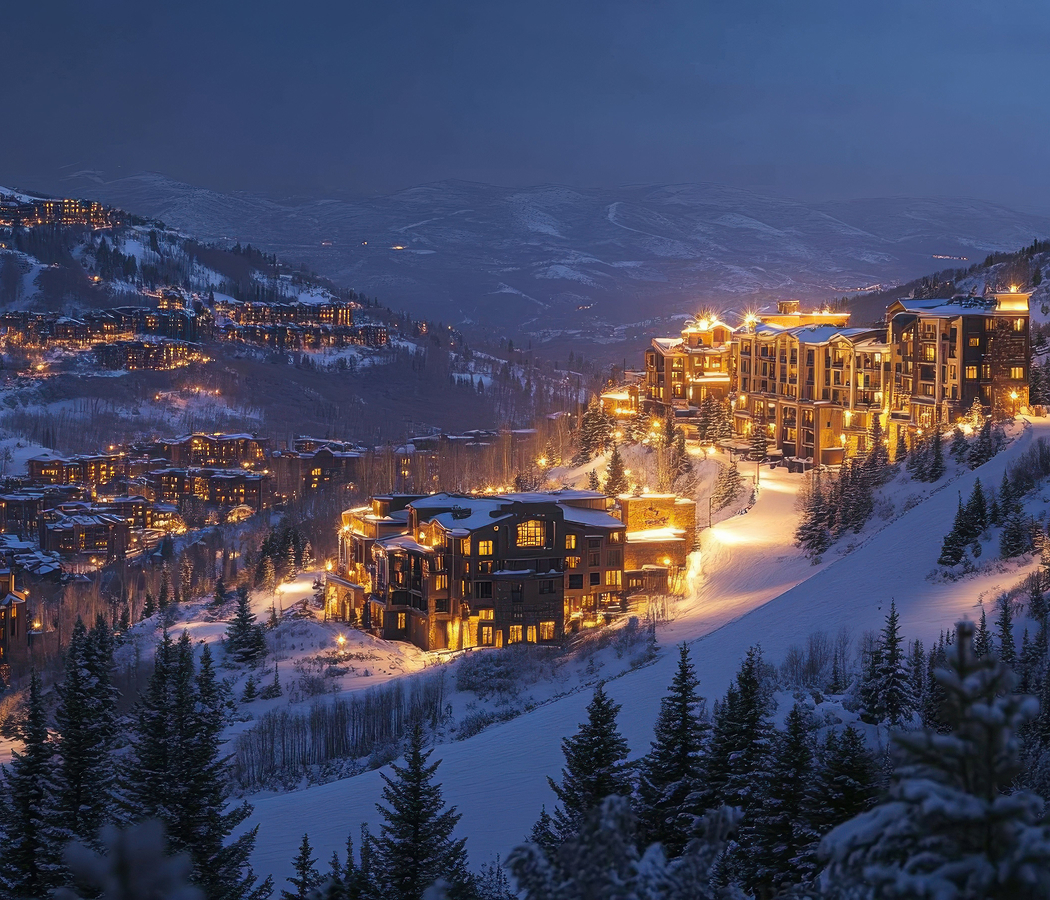
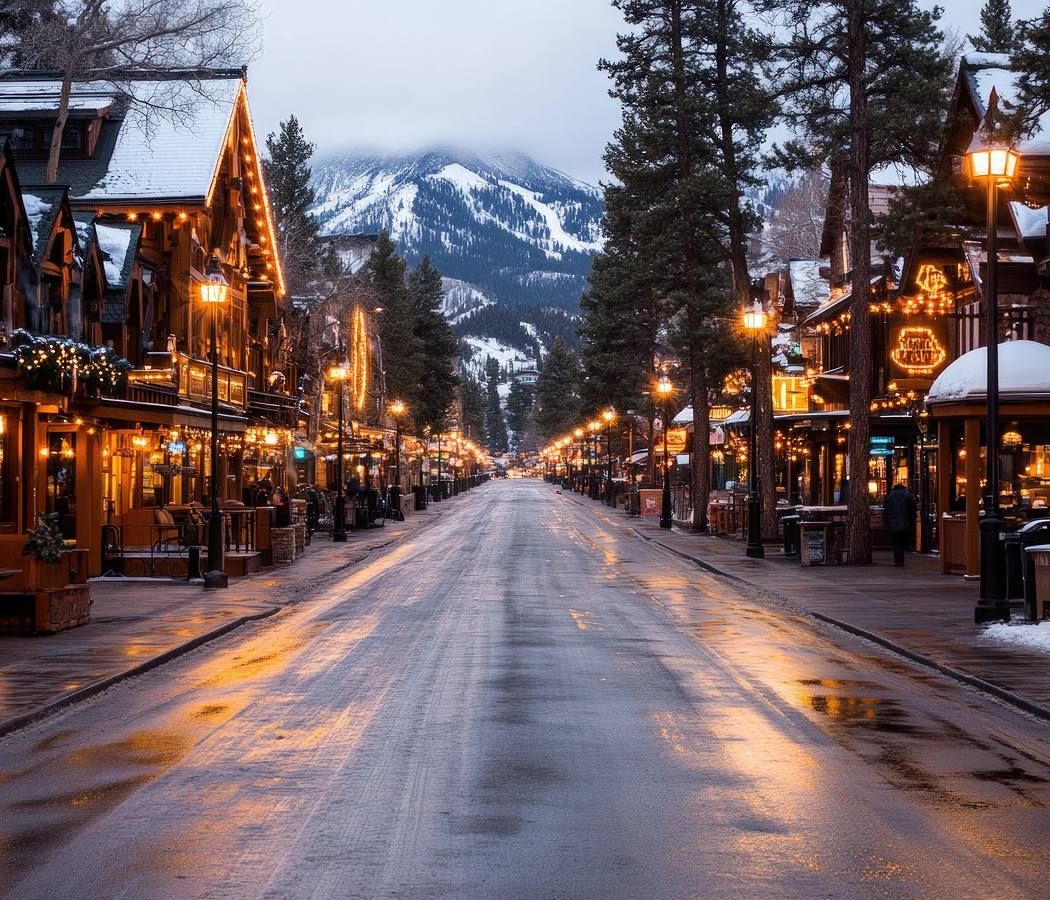
Rising to an elevation of 10,662 feet, Vail Pass sits at the crest of the Eagle and Summit counties, linking the renowned ski towns of Vail and Copper Mountain. But this isn't just a stretch of scenic highway, it's one of Colorado's most breathtaking mountain corridors, where the landscape shifts from thick lodgepole forests to high alpine meadows bursting with wildflowers, and every turn reveals a new horizon. The air here feels thinner, sharper, and purer, a reminder that you're standing atop the Continental Divide, where rivers begin their long journeys toward opposite oceans. In summer, cyclists and hikers follow the famed Vail Pass Recreation Trail, tracing 14 miles of panoramic ridgelines and glacier-carved valleys. In winter, snow transforms the pass into a wonderland of backcountry trails and untouched powder fields, a playground for snowmobilers, cross-country skiers, and adventurers chasing silence. To stand at Vail Pass is to feel the raw pulse of the Rockies, endless sky above, deep pine below, and the kind of stillness that humbles even the busiest mind.
What you should know about Vail Pass.
While Vail Pass may seem like a modern marvel of mountain engineering, its roots reach back through centuries of history and resilience.
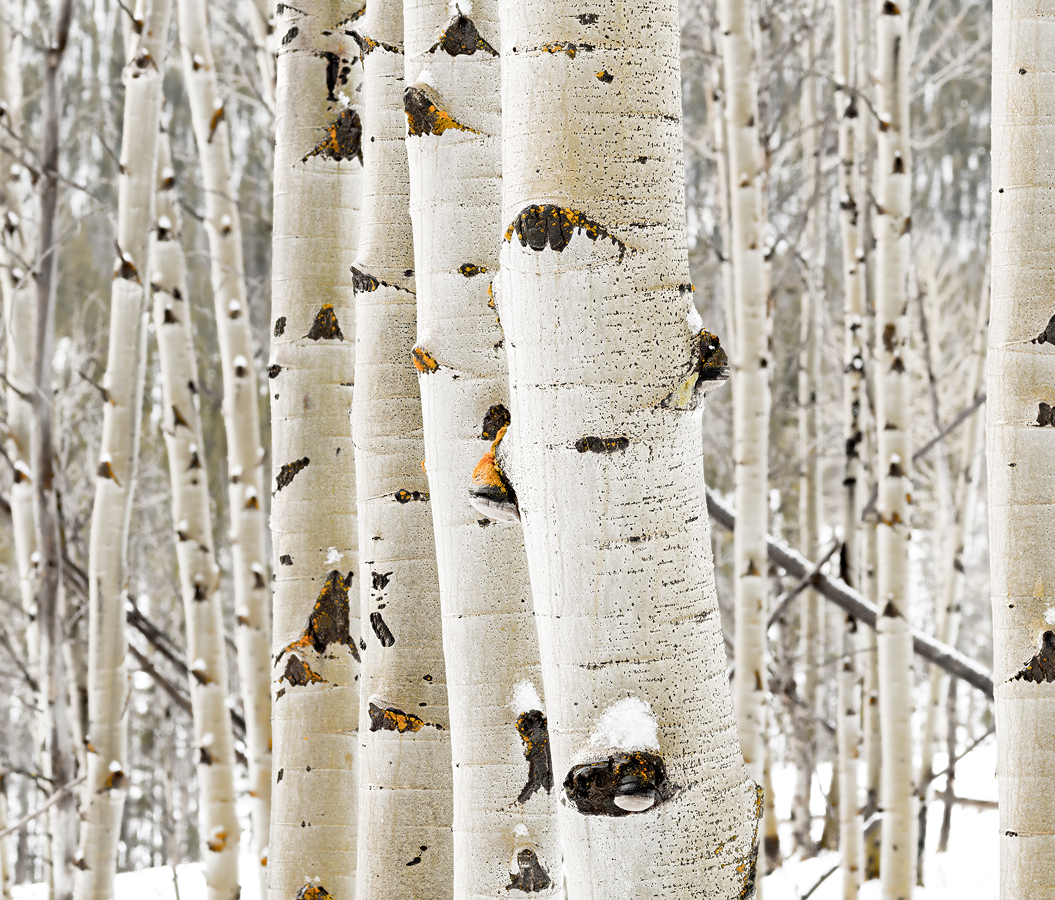
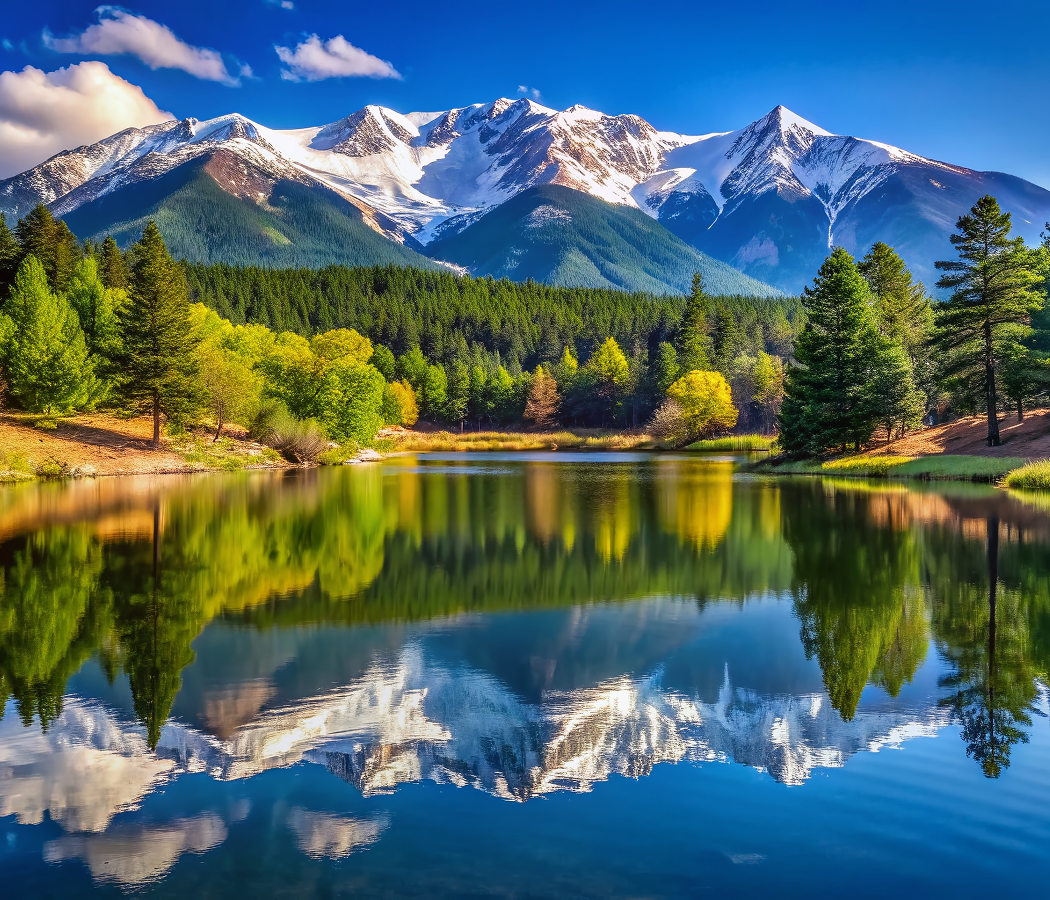
Long before Interstate 70 carved its elegant arc across the peaks, this high mountain corridor served as a natural route for Indigenous tribes traveling between hunting grounds and sacred spaces. When European settlers arrived in the 19th century, the pass became a vital link for miners and traders navigating Colorado's rugged interior. Yet the modern version of Vail Pass, completed in 1972, is remarkable not just for its beauty, but for its environmental foresight. Engineers built the road with minimal blasting and designed wildlife corridors to allow animals to pass safely beneath. The result is one of America's most scenic and sustainable highways, where wilderness and infrastructure coexist in near-perfect harmony. Beyond the road itself, Vail Pass has become an outdoor sanctuary protected under the White River National Forest. Its 55,000-acre recreation area is a living classroom for ecology, geology, and human connection to the land. In the spring, the slopes come alive with lupine, columbine, and Indian paintbrush. Come fall, the aspens ignite in gold, their reflection glowing across alpine ponds. And when the first snow arrives, the pass transforms again, the trails quiet, the wind gentle, and the mountains cloaked in a silence so complete it feels sacred.
How to fold Vail Pass into your trip.
Vail Pass is more than a scenic detour, it's an essential chapter of any Colorado adventure, offering a glimpse into the wild soul of the Rockies.
If you're visiting in summer, rent a bike in Vail Village and take the paved Vail Pass Recreation Trail, a thrilling ride that drops over 1,600 vertical feet from the summit back into town. The views are jaw-dropping, jagged peaks, waterfalls, and endless meadows stretching toward the horizon. For hikers, the Shrine Pass Trail begins just west of the summit, leading to one of the most panoramic lookouts in the entire Vail Valley, where Mount of the Holy Cross gleams in the distance. Wildflower season (July through early August) turns the meadows into a painter's palette of color. In winter, park at the rest area and set out on a snowshoeing or backcountry ski route managed by the U.S. Forest Service, guided tours are available for those new to high-alpine terrain. The snowmobiling here is renowned, offering over 50 miles of groomed trails across the Divide. And for photographers, sunrise and sunset at the summit reveal a mirror of color over the Gore Range, a moment that feels otherworldly in its quiet perfection. However you reach it, Vail Pass is not just a point on a map, it's a threshold, a reminder that the Rockies are both a journey and a homecoming, forever calling us higher.
Where your story begins.
Foresyte Travel reveals places that feel extraordinary long before you arrive.
Experience premium editorial crafted for luxury travelers.