Why you should experience the Ernest Hemingway Memorial in Idaho.
The Ernest Hemingway Memorial in Sun Valley, Idaho, is more than a monument, it's a quiet conversation between man and mountain.
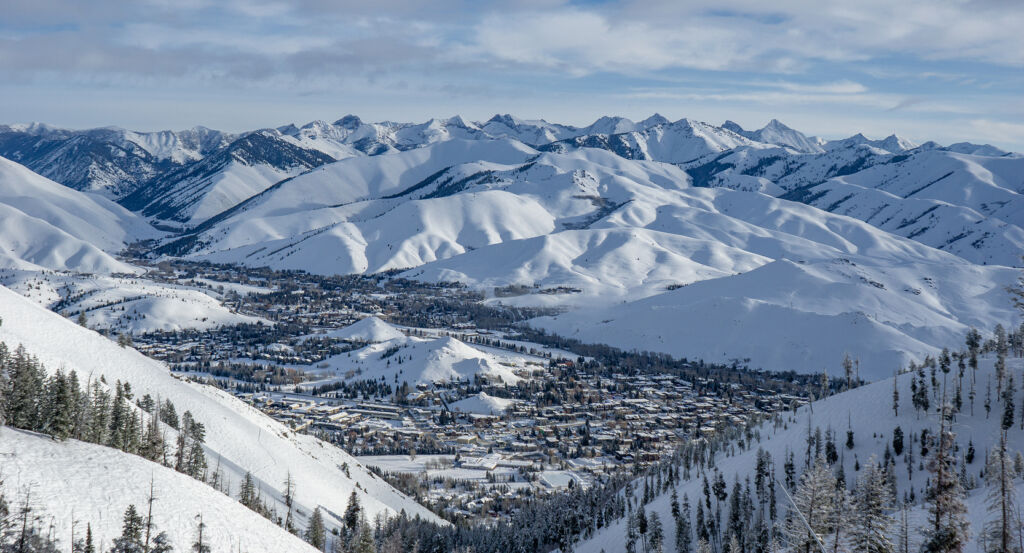
Set along the banks of Trail Creek, just east of Ketchum, this unassuming stone memorial feels like it belongs to the land itself. A rough-hewn boulder bears Hemingway's name and words etched in bronze, surrounded by sagebrush, wildflowers, and the soft rush of the creek he once fished. There's no fanfare here, no crowds, no velvet rope, just stillness, wind, and the occasional sound of a raven crossing the valley. You can almost feel why he chose to stay, why he wrote here, and why this landscape became his final refuge. Hemingway came to Sun Valley in the late 1930s, drawn by the hunting, the trout streams, and the isolation that mirrored his own temperament. The hills that cradle the memorial today are the same ones he wandered, the same ones that shaped his late work, open, spare, and unforgivingly beautiful.
What you should know about the Ernest Hemingway Memorial.
The Hemingway Memorial was built not for grandeur, but for intimacy, a place to reflect.
Dedicated in 1966, five years after his death, it was a labor of love led by Hemingway's family and friends who wanted something honest and unpretentious, just like him. The stone was quarried locally, the plaque cast with his words: “Best of all he loved the fall, the leaves yellow on the cottonwoods, leaves floating on the trout streams and above the hills… Now he will be a part of them forever.” It's as if the land itself finishes his sentence, the cottonwoods turning gold each October, the creek whispering through reeds, the mountains standing eternal in the distance. Hemingway lived his final years in Ketchum, where he hunted elk, wrote letters from the bar at the Sun Valley Lodge, and wrestled with the restlessness that haunted him. The memorial, simple and grounded, honors not just the man but the environment that gave him peace. Few realize that his home still stands nearby, preserved quietly by The Nature Conservancy, its windows looking out toward the same hills. Together, the house and memorial form a kind of pilgrimage route, not for fame or nostalgia, but for understanding. Hemingway wasn't seeking glory when he came here; he was seeking quiet. And the mountains gave it to him.
How to fold the Ernest Hemingway Memorial into your trip.
Visiting the Hemingway Memorial is less about sightseeing and more about slowing down, a moment of stillness between the noise of travel and the rhythm of the mountains.
From Downtown Ketchum, it's just a few minutes' drive along Trail Creek Road, winding through meadows until you reach a small clearing marked by a wooden sign. Park nearby, step out, and let the quiet take over. The trail to the memorial is short, a hundred yards, but it feels like entering another world. Sit by the stone and listen to the creek. Bring a coffee, a notebook, or nothing at all. In autumn, the valley glows with gold and russet light; in winter, it's a study in monochrome, the kind of stillness Hemingway might have called perfect. Combine your visit with a stop at the Sun Valley Lodge, where he wrote parts of For Whom the Bell Tolls, or with an afternoon at Silver Creek Preserve, where he fished and found solace in the water's patience. For readers, it's a chance to stand where the words were born; for everyone else, it's an invitation to feel what he felt, that rare collision of loneliness, beauty, and belonging. By the time you walk back to your car, you'll understand why this memorial doesn't need marble or grandeur. The land does the talking. Hemingway would've liked that.
Where your story begins.
Foresyte Travel reveals places that feel extraordinary long before you arrive.
Experience premium editorial crafted for luxury travelers.