Why you should experience First and Second Flatirons Loop in Colorado.
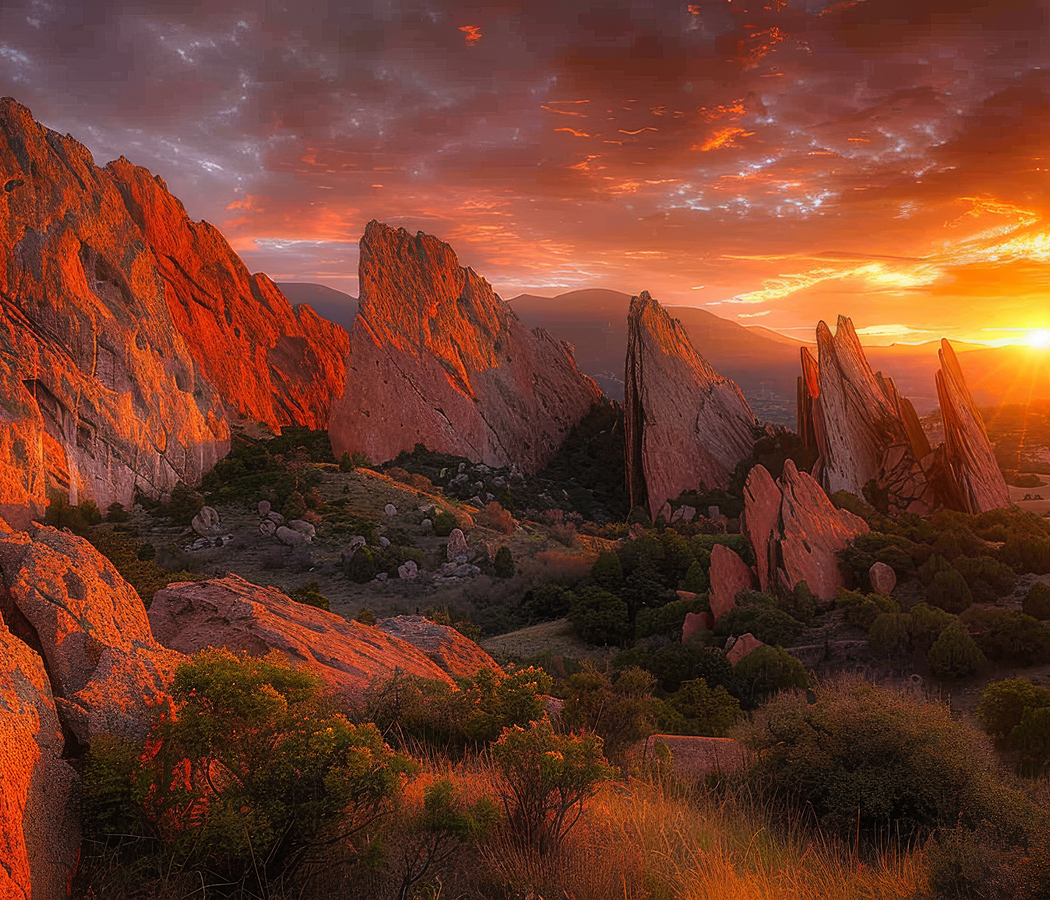
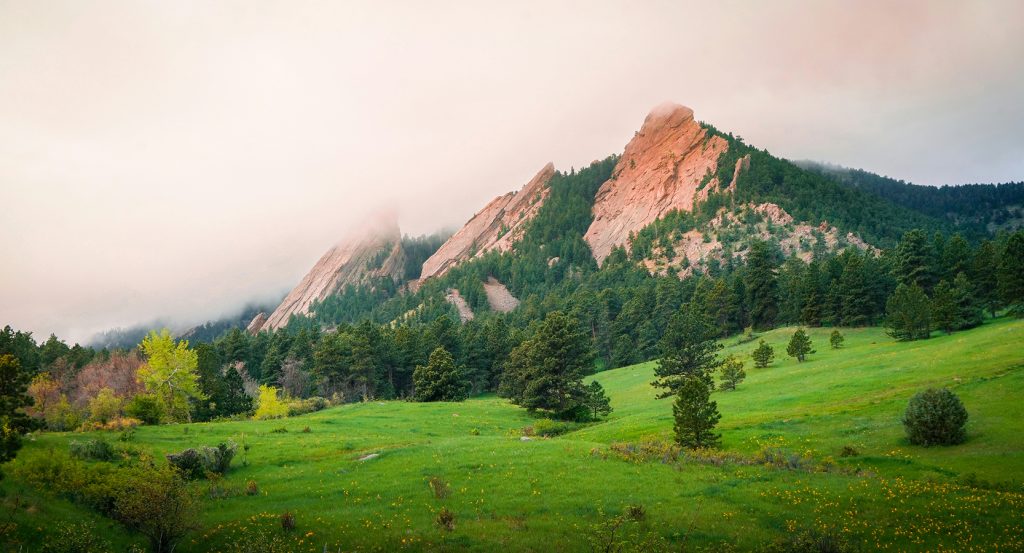
Few places in Colorado stir the soul quite like First and Second Flatirons Loop, those massive sandstone monoliths that tilt skyward over Boulder like the open pages of a geological book. The climbing route that links these iconic slabs is a rite of passage for adventurers, artists, and dreamers alike, combining physical challenge with sheer, unfiltered beauty.
From the base at Chautauqua Park, the ascent feels both primal and poetic. The rock itself glows in shades of copper and rose under the shifting sun, and each foothold reveals a new angle of the city and plains far below. Even for seasoned climbers, the route's exposure commands reverence, not fear, but deep respect. Standing at the narrow ridgeline between First and Second Flatiron, you feel the world unfold beneath you in layers of wind, light, and silence. It's less about reaching the top and more about touching something timeless.
What you should know about First and Second Flatirons Loop.
These dramatic sandstone fins are over 290 million years old, remnants of ancient seabeds uplifted and tilted by tectonic movement to form the striking formations that define Boulder's skyline. Early settlers called them “The Chautauqua Slabs,” but it was local mountaineers in the early 20th century who gave them their enduring names and turned them into symbols of Colorado's climbing culture.
The route linking First and Second Flatirons Loop varies in difficulty depending on the chosen path, from simple scrambles to technical multi-pitch ascents. Along the way, climbers trace layers of geological history, brushing hands against ripple marks left by long-vanished tides. Peregrine falcons often nest nearby, and their sharp cries echo across the stone, breaking the mountain's solemn quiet. What most don't realize is how deeply the Flatirons have shaped Boulder's identity, not just as a landscape, but as a philosophy: rugged, elegant, and eternally upward-looking.
How to fold First and Second Flatirons Loop into your trip.
Start early, sunrise paints the cliffs in molten gold, and the trailhead can grow crowded by midmorning. Bring solid footwear, plenty of water, and a healthy respect for altitude; even the approach trail demands endurance.
If you're new to climbing, consider hiring a local guide through Boulder Mountain Guides or Colorado Mountain School, they'll lead you safely up the classic East Face routes while sharing stories of the climbers who made these rocks renowned. For the more experienced, First Flatiron's 1,000-foot face offers exhilarating exposure and a summit view that feels like standing on the edge of creation. After the descent, unwind back at Chautauqua Park with a picnic or a meal at the Dining Hall, still carrying that quiet exhilaration that only comes from touching the sky. First and Second Flatirons Loop aren't just climbs, they're communion with the spirit of Colorado itself.
Where your story begins.
Foresyte Travel reveals places that feel extraordinary long before you arrive.
Experience premium editorial crafted for luxury travelers.