Why you should experience Gladstone Avenue in Toronto, Ontario.
Gladstone Avenue is a cultivated corridor where Little Portugal's industrial heritage, immigrant traditions, architectural craftsmanship, and artistic energy reveal one of Toronto's most distinctive west-end streets.
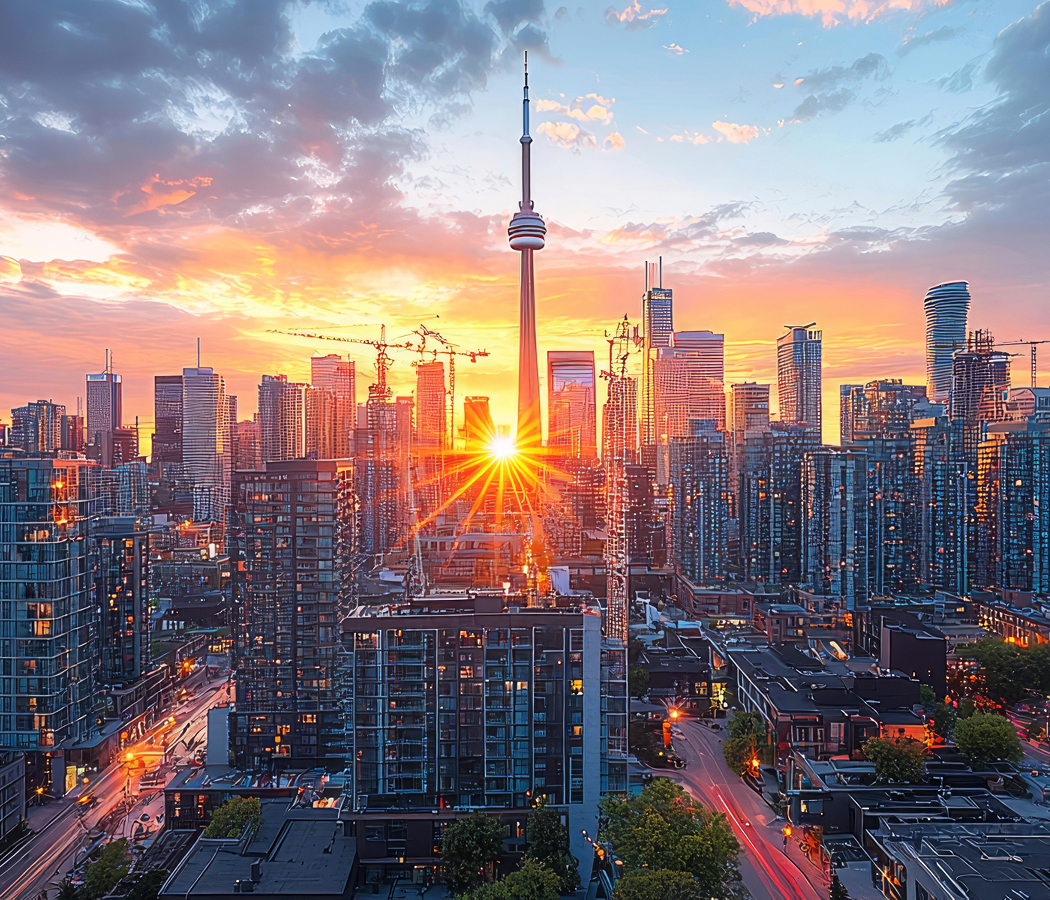
Running through Little Portugal between Trinity Bellwoods and Brockton Village, the corridor connects former manufacturing districts, streetcar-era neighborhoods, community institutions, and enduring cultural destinations that collectively demonstrate Toronto's westward expansion during the late nineteenth and early twentieth centuries. Successive blocks reveal how railway construction, residential subdivision, manufacturing, and generations of immigrant settlement shaped an avenue whose historic character continues to define the surrounding neighborhood. Throughout the corridor, brick houses, industrial buildings, civic institutions, and mature streetscapes preserve a continuous record of architectural and cultural evolution. The result is an experience defined by craftsmanship, cultural continuity, and one of Toronto's most historically expressive corridors.
What you should know about Gladstone Avenue.
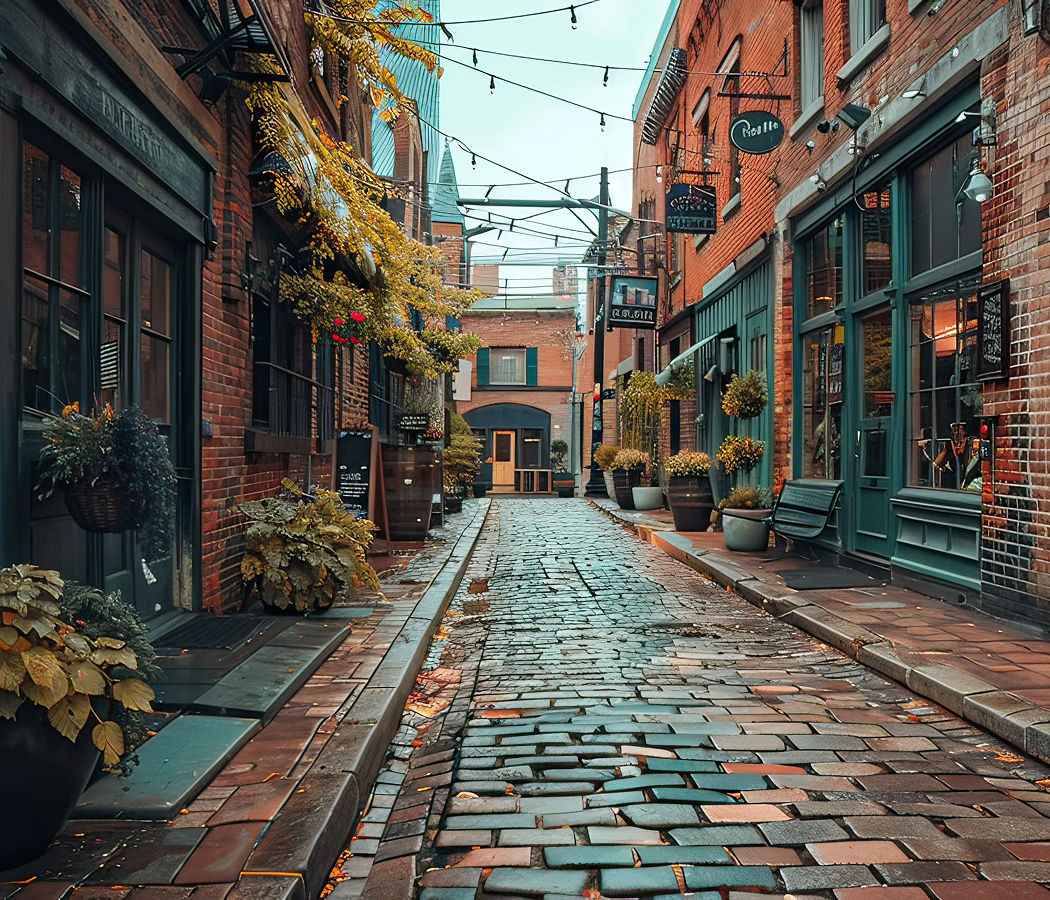
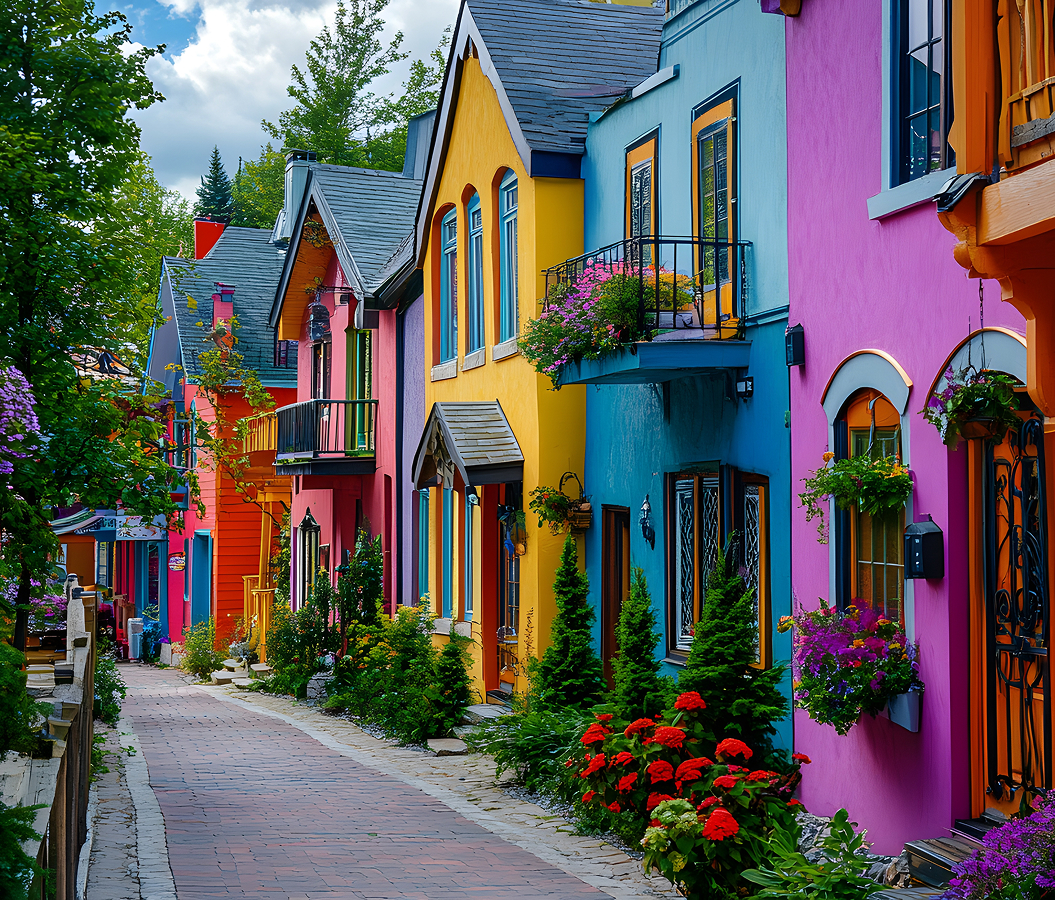
Gladstone Avenue is best known for developing after subdivision of former Park Lot lands during the 1880s and 1890s, when Toronto expanded west beyond Ossington Avenue and Dufferin Street into newly planned residential districts. The corridor was named for William Ewart Gladstone, four-time Prime Minister of the United Kingdom, reflecting the Victorian-era practice of commemorating prominent British public figures throughout Toronto's expanding suburbs. Residential construction accelerated following electrification of the Toronto Railway Company streetcar network beginning in 1892, introducing cohesive rows of Victorian, Edwardian, Queen Anne Revival, and Arts and Crafts houses distinguished by red brick masonry, decorative terracotta panels, carved stone lintels, stained-glass transoms, projecting bay windows, ornamental brick corbelling, and broad front verandas. Proximity to the Canadian Pacific Railway corridor encouraged simultaneous industrial development, with nearby factories, warehouses, and manufacturing enterprises supporting Toronto's rapidly growing workforce while reinforcing the avenue's residential appeal. Together, these land subdivisions, transportation investments, architectural traditions, railway infrastructure, and industrial expansion established Gladstone Avenue as one of Toronto's defining streetcar-era corridors.
Opening of Gladstone Public Library in 1913, designed by Alfred H. Chapman, introduced one of Toronto's finest surviving Carnegie libraries, constructed with Indiana limestone, red brick, and richly detailed Classical Revival architecture funded through the philanthropy of Andrew Carnegie. During the second half of the twentieth century, Portuguese immigration reshaped the surrounding neighborhood through the establishment of family-owned bakeries, restaurants, social clubs, religious organizations, and cultural associations that gave Little Portugal its enduring identity. Heritage recognition by the City of Toronto Heritage Register has preserved numerous historic residences and institutional buildings along the corridor, safeguarding original masonry, decorative stonework, stained glass, wood detailing, and streetscape relationships established more than a century ago. Collectively, these educational investments, architectural commissions, philanthropic initiatives, immigration patterns, and preservation efforts demonstrate how Gladstone Avenue evolved into a corridor where Toronto's architectural and cultural history remain closely intertwined.
How to fold Gladstone Avenue into your trip.
Gladstone Avenue works as an exploration of Toronto's architectural heritage, immigrant traditions, and creative west end.
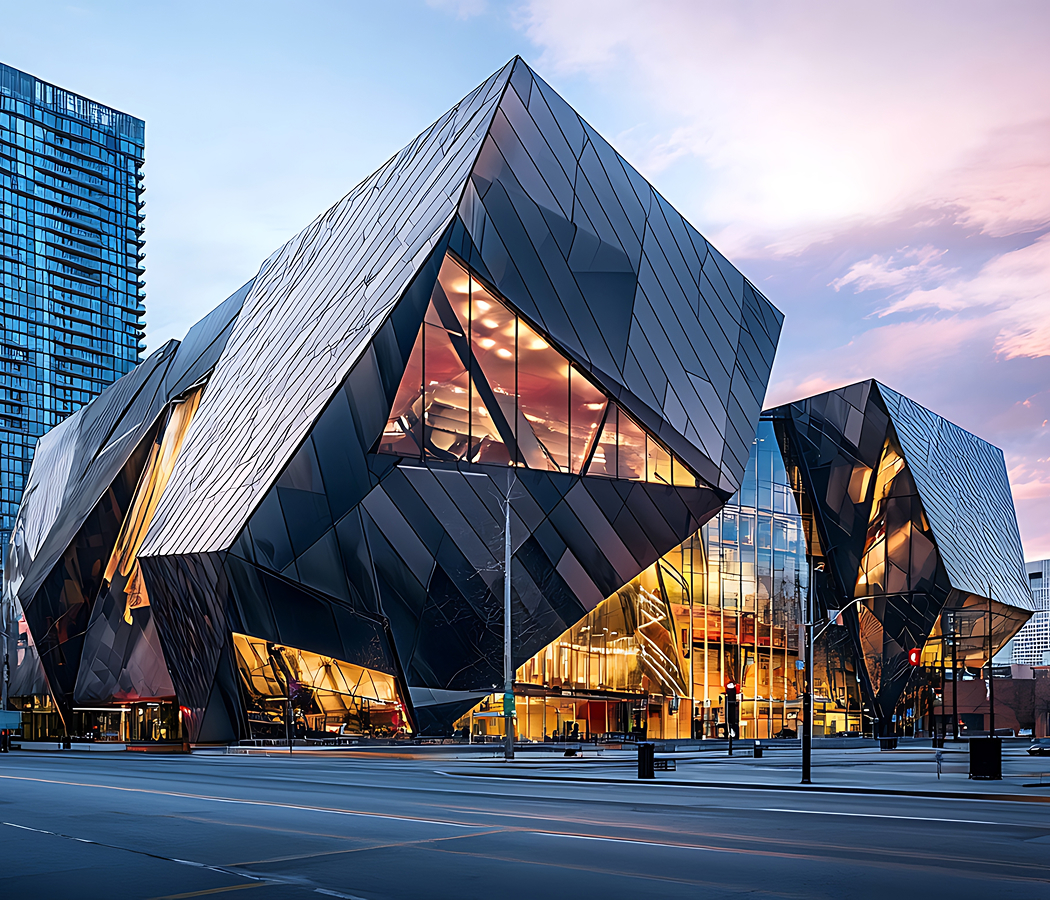
Begin at Gladstone House, where one of Toronto's best-known nineteenth-century hotels introduces the avenue's long-standing role within the surrounding neighborhood and its continuing architectural presence. Continue to Museum of Contemporary Art Toronto, where a former industrial building reflects the manufacturing history that shaped the communities surrounding Gladstone Avenue before becoming a major cultural institution. Conclude at Trinity Bellwoods Park, where one of Toronto's most celebrated public parks provides the historical culmination by illustrating the civic planning and residential growth that defined Toronto's westward expansion. Together, the sequence progresses from Victorian hospitality to industrial history before culminating in one of the city's defining public landscapes, revealing why Gladstone Avenue remains deeply connected to the evolution of Toronto's west end.
Where your story begins.
Foresyte Travel reveals places that feel extraordinary long before you arrive.
Experience premium editorial crafted for luxury travelers.