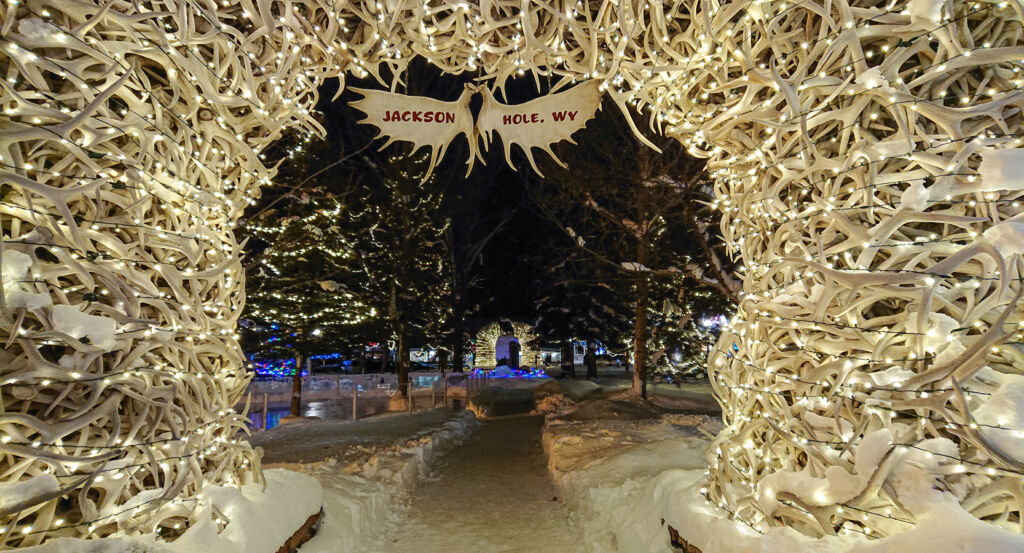
Why you should experience Jackson Hole Wildlife Park in Wyoming.
The Jackson Hole Wildlife Park in Jackson, Wyoming is where the wild heart of the Tetons beats loudest, a rare place where you don't just see nature, you feel it breathing all around you.
Set against the jagged backdrop of the Teton Range, this protected sanctuary lets you meet Wyoming's most iconic creatures up close, yet still on their own terms. Elk grazing at dawn, moose moving silently through the willows, bison standing broad and unbothered in the haze of morning light, this is the valley as it's meant to be seen. Walk the trails, and every turn feels alive: eagle shadows gliding across the grass, coyotes calling from the ridge, and the smell of sage carried by the wind. It's the kind of place that turns a quiet morning into something unforgettable, one where you stop reaching for your camera and just let the wild take over.
What you should know about Jackson Hole Wildlife Park.
Jackson Hole Wildlife Park began as one of the earliest wildlife preserves in the region, established long before conservation became a national movement.
Originally founded in the 1940s, it was designed to protect the migration corridors that connect Grand Teton National Park and the National Elk Refuge, critical pathways for the valley's elk, moose, bears, and wolves. The park quickly became a living classroom, where biologists and visitors could study animal behavior in real time. What sets Jackson Hole Wildlife Park apart is its intimacy, you won't find massive fences or artificial enclosures here. Instead, raised boardwalks and quiet viewing zones allow you to watch the rhythm of the ecosystem unfold. Interpretive signs share stories about the park's early researchers and the Indigenous knowledge that inspired much of their work, a reminder that wildlife conservation here has always been a blend of science and respect. The park also plays an ongoing role in rewilding and habitat restoration efforts, collaborating with the U.S. Forest Service and Grand Teton National Park to track seasonal changes and animal migration patterns. It's more than a park, it's a promise that Jackson's wild soul will endure.
How to fold Jackson Hole Wildlife Park into your trip.
Make time for this early in the day, wildlife moves with the sun, and the first light of morning is when the park truly comes alive.
Drive north from Jackson along Highway 191, and you'll reach the entrance just as the valley starts to wake. Bring binoculars or a zoom view if you have one, but don't worry if you don't, many animals wander close to the viewing areas, especially near the water. In spring and summer, guided ranger walks offer deep insight into the valley's ecology, while autumn brings the elk rut, an echoing chorus of bugles that rolls through the fields. Winter is quieter but no less magnetic, with snowshoe paths open to those who want to experience the stillness firsthand. Pair your visit with a stop at nearby Oxbow Bend or the Craig Thomas Discovery Center in Grand Teton National Park for even more wildlife viewing opportunities. And when you leave, don't rush, take one last look across the sagebrush flats, where the Tetons rise like sentinels above the valley. The Jackson Hole Wildlife Park isn't about performance, it's about connection. It's the reminder that the wild isn't something you visit; it's something you're lucky enough to witness.
Where your story begins.
Foresyte Travel reveals places that feel extraordinary long before you arrive.
Experience premium editorial crafted for luxury travelers.