Why you should experience Midgley Bridge Picnic Area in Sedona, Arizona.
The Midgley Bridge Overlook is one of Sedona's most cinematic viewpoints, a place where the earth opens up in color, texture, and light, and where Oak Creek Canyon reveals its first breathtaking descent.
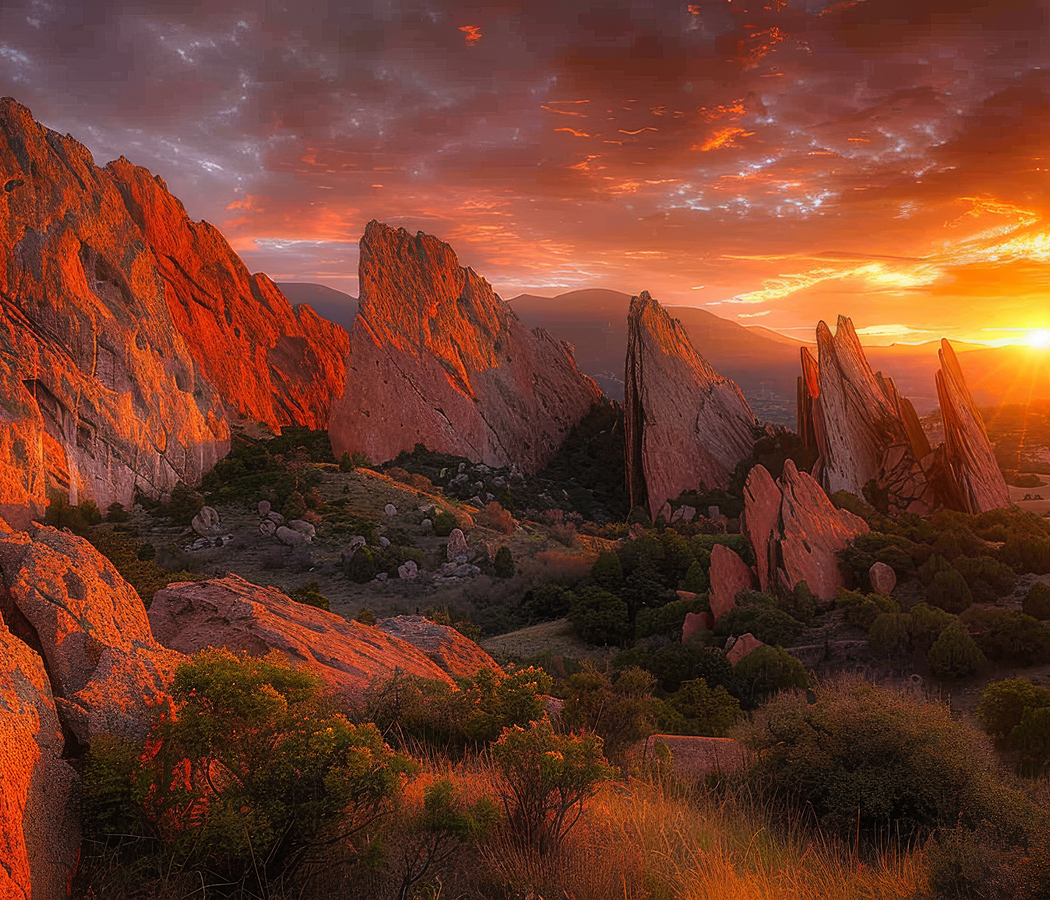
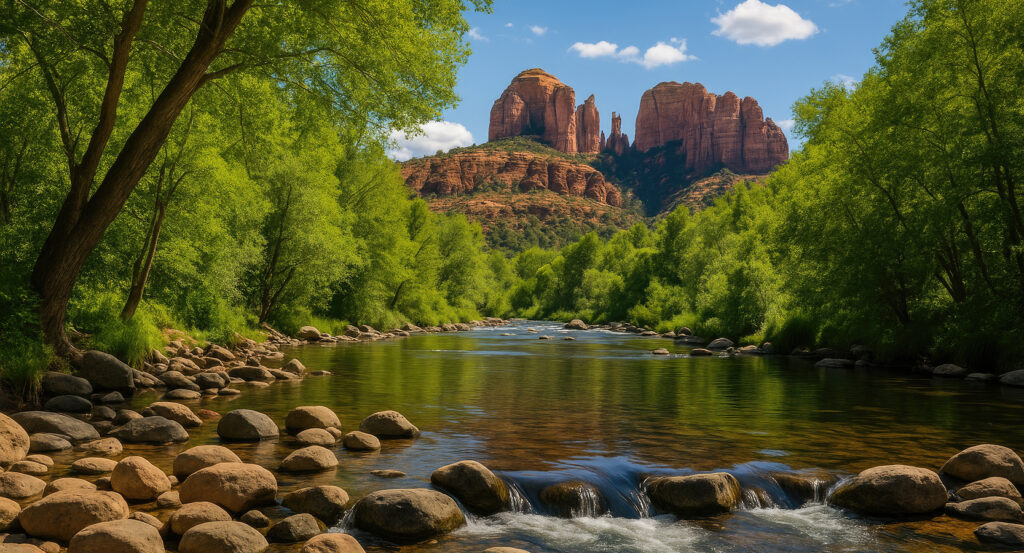
Perched just north of Sedona along Highway 89A, the bridge arcs gracefully across a deep red gorge, surrounded by cliffs streaked in orange, vermilion, and rose. Below, Oak Creek winds through cottonwood trees that shimmer silver-green in the sunlight, and above, the crimson peaks of Wilson Mountain and Steamboat Rock frame the horizon. The bridge itself, a steel marvel completed in 1939, seems to float between worlds, the high desert and the canyon below. When you stand at the overlook, the air hums with stillness and anticipation; this is the threshold between Sedona's sculpted valley and the untamed wilderness beyond. Sunrises ignite the canyon in flame-like light, while sunsets drape it in lavender and shadow. It's not just a viewpoint, it's a moment of pause, a front-row seat to the poetry of Arizona's red rock country.
What you should know about Midgley Bridge Picnic Area.
Midgley Bridge wasn't built merely for convenience, it was a feat of Depression-era engineering that connected communities and symbolized Sedona's early transformation from frontier to destination.
Named after Harold Midgley, a local rancher and civic leader, the bridge replaced the dangerous ford crossings of Oak Creek that often flooded during monsoon season. Constructed in 1939 by the Works Progress Administration, the bridge used over 400 tons of steel and cost just $35,000, a remarkable sum at the time. Its elegant open-spandrel arch design was chosen both for structural integrity and beauty, blending seamlessly into the canyon walls. Over the decades, Midgley Bridge became a vital link for travelers between Flagstaff and Sedona, as well as a popular stopping point for photographers, hikers, and couples who've proposed under its rust-red beams. Beneath the bridge lies a network of short trails leading to hidden creek pools and shaded groves, remnants of early homesteader routes. In geological terms, the overlook sits at the meeting point of two ancient rock layers, the Schnebly Hill Formation and the Coconino Sandstone, creating a visible timeline of Earth's evolution written in stone. Even as modern traffic hums across it, Midgley Bridge remains an emblem of craftsmanship and courage, a literal and symbolic gateway into Sedona's heart.
How to fold Midgley Bridge Picnic Area into your trip.
Midgley Bridge Overlook sits just two miles north of Downtown Sedona along Highway 89A, making it among the easiest and most rewarding stops on any red rock itinerary.
Parking is limited, so aim for early morning or late afternoon, both times offer magnetic light and cooler air. From the overlook parking area, take a short stroll across the bridge to feel its gentle sway and take in panoramic views of Oak Creek Canyon below. For a deeper experience, follow the Huckaby Trail, which begins right beside the lot and descends toward the creek, offering exceptional views of the bridge framed against Sedona's red cliffs. Bring water, sturdy shoes, and a camera; this is one of those places where every angle feels postcard-perfect. The overlook also serves as a peaceful picnic spot, there's a shaded table area where you can sit, listen to the sound of the wind cutting through the canyon, and watch as hawks glide between the ridges. Combine your visit with nearby Wilson Canyon or drive further north to Slide Rock State Park for a full immersion in Sedona's natural rhythm. The Midgley Bridge Overlook is more than a scenic stop, it's Sedona's welcoming threshold, where the red rocks seem to whisper: you've arrived somewhere sacred.
Where your story begins.
Foresyte Travel reveals places that feel extraordinary long before you arrive.
Experience premium editorial crafted for luxury travelers.