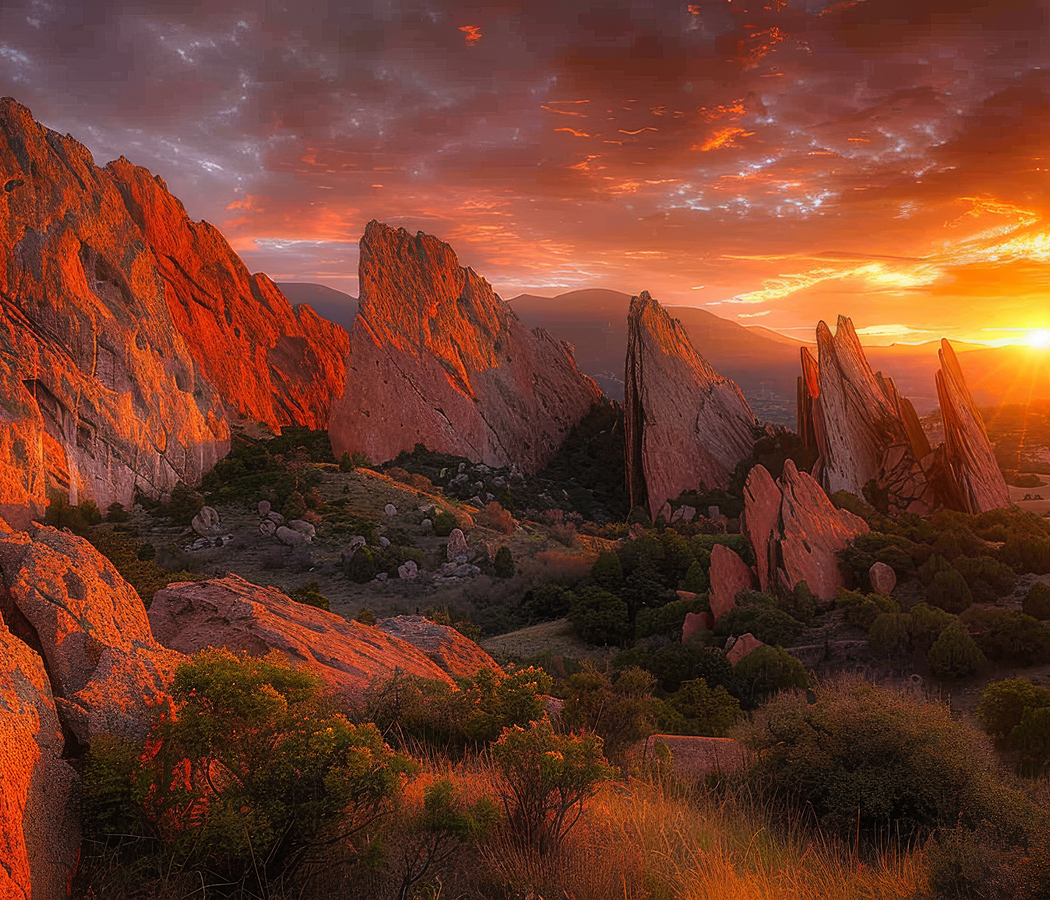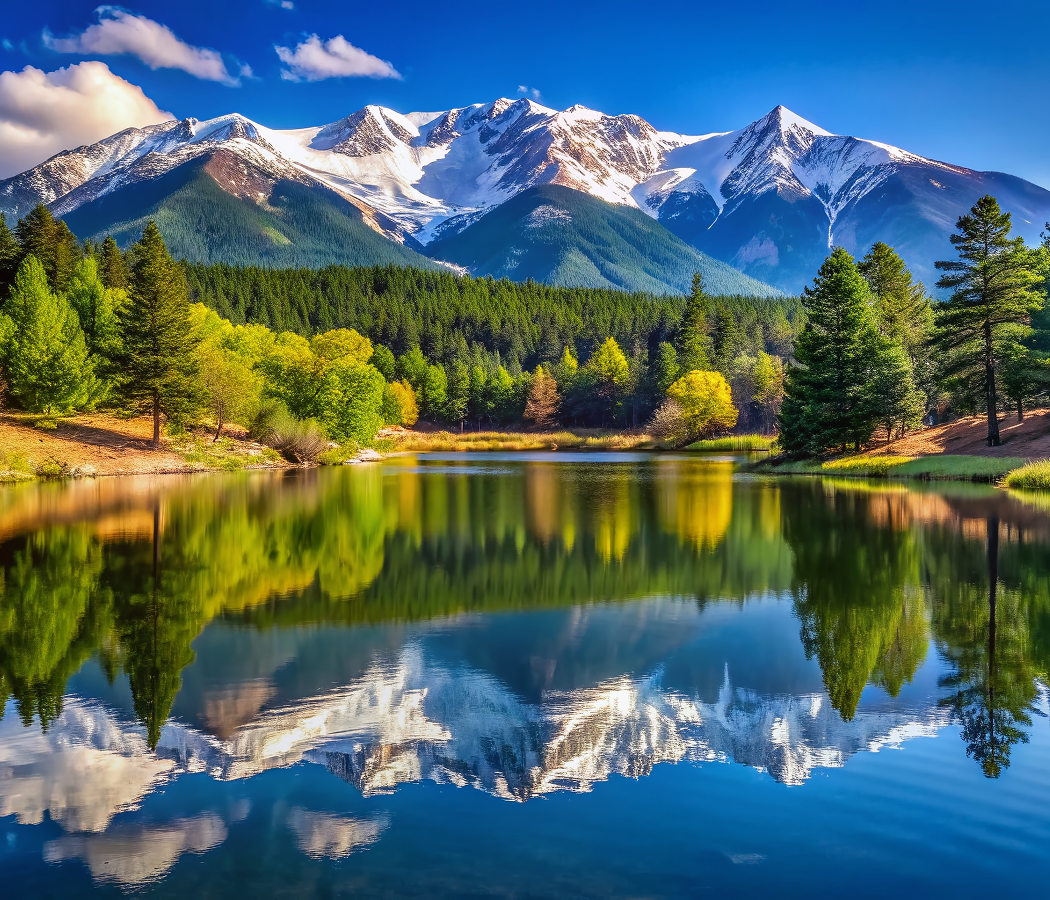
Why you should experience Signal Mountain in Wyoming.
Signal Mountain in Jackson, Wyoming is one of those rare places where a single drive gives you the entire valley in one sweeping, unforgettable view.
Rising 7,720 feet above sea level inside Grand Teton National Park, it stands like a quiet lookout, modest compared to the surrounding peaks, but unmatched in perspective. The road to the summit winds for five miles through dense lodgepole pine forest, each curve revealing more of the Snake River and the jagged Tetons beyond. When you finally reach the top, it feels like the whole world has unfolded beneath you: the silver ribbon of Jackson Lake, the meadows alive with elk, the wide sprawl of the valley framed by snow-dusted mountains. Early mornings bring soft light and the calls of sandhill cranes drifting up from below; evenings trade that glow for silence and stars so bright they don't seem real. It's the kind of view that stops conversation, the kind that reminds you why people come to Jackson and never really leave it behind.
What you should know about Signal Mountain.
Despite its commanding view, Signal Mountain isn't actually a peak in the Teton Range, it's a solitary rise left behind by glaciers thousands of years ago.
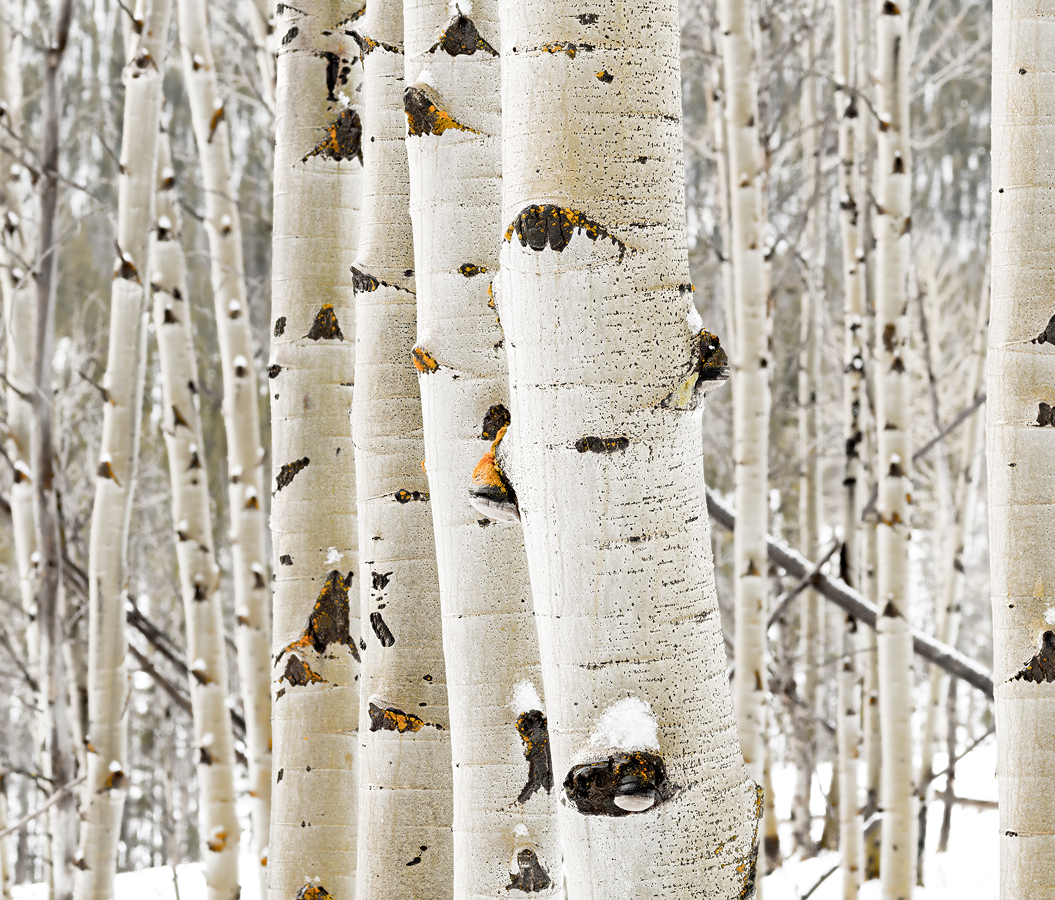
Its name dates back to the early 1900s, when rangers and travelers used it as a natural signal point to communicate across the vast, unbroken valley. Long before that, it served as a lookout for Indigenous peoples, who would climb it to spot herds and weather shifts across the plains. Today, it's one of the few spots in Grand Teton National Park accessible by car where you can take in such a panoramic vista. But for those who want to earn it, a trail climbs from the Signal Mountain Lodge on Jackson Lake's shore, a moderate two-hour hike through aspen and fir, where deer and black bears are sometimes spotted in the early morning fog. At the summit, a small overlook platform offers 360-degree views stretching to the Gros Ventre Mountains and even Yellowstone's southern edge on a clear day. It's humbling, standing there knowing this single hill has been a watchpoint for centuries, a place to see, to orient, to simply be still.
How to fold Signal Mountain into your trip.
Plan the visit around light, sunrise or sunset are the best times to see it at its most alive.
If you're driving, start early from Jackson, enter Grand Teton National Park via the Moose entrance, and follow the Teton Park Road north along the Snake River until you reach the Signal Mountain turnoff near Jackson Lake. The road is usually open from late May through October, depending on snow. Pack layers, it's always cooler at the top, and bring a camera or binoculars for spotting eagles, elk, and the occasional black bear. If you'd rather hike, begin at Signal Mountain Lodge and take the 6.8-mile out-and-back trail; it's steep in parts but peaceful, shaded, and full of wildflowers in June and July. Pair your visit with a picnic at nearby Jackson Lake or a stop at the lodge for a drink on the patio afterward, few things feel better than watching the sun drop behind the Tetons after a climb like that. And if you're here after dark, don't rush down. The stargazing from the summit is unreal, among the few places left where the Milky Way still spills across the sky untouched by city light. Signal Mountain isn't just a view, it's perspective made physical, a reminder that sometimes the most powerful mountains are the ones that quietly stand apart.
Where your story begins.
Foresyte Travel reveals places that feel extraordinary long before you arrive.
Experience premium editorial crafted for luxury travelers.